Our Services
Others
- DFPP
- Shockwave
- IV Drip

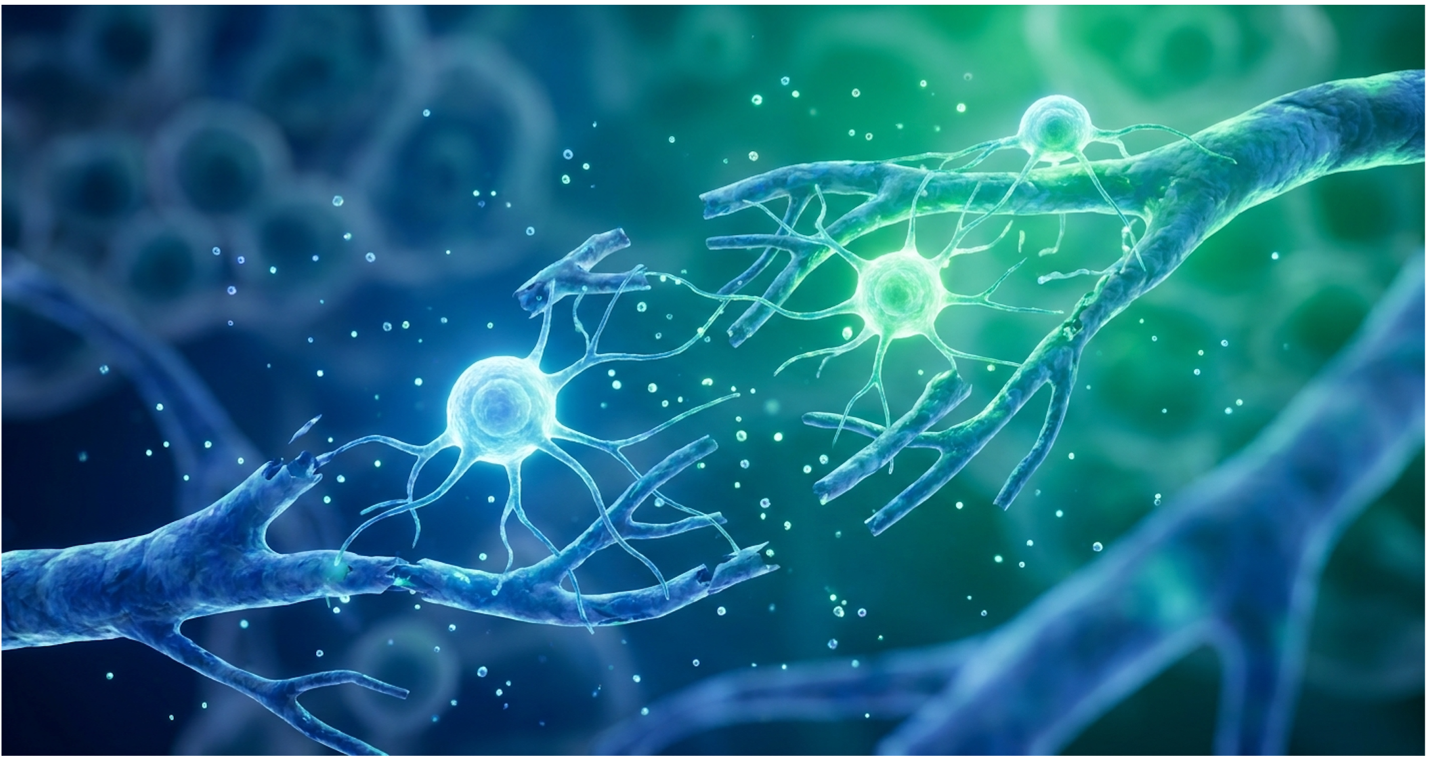
Current urological data indicates that traditional PDE5 inhibitors fail to provide functional relief for up to 35% of patients with severe neurogenic or vasculogenic erectile dysfunction. The physiology of severe vascular decay creates a mechanical barrier; when the endothelial lining is too degraded to produce baseline nitric oxide, oral medications simply cannot trigger the necessary chemical cascade. For decades, men dealing with this unresponsive pathology have been forced into an awful corner. The standard medical pathway often requires choosing between declining sexual function, enduring painful intracavernous penile injections of alprostadil before every intimate encounter, or undergoing highly invasive, irreversible inflatable penile prosthesis (IPP) surgeries that permanently destroy native erectile tissue.
But the clinical focus is shifting toward regenerative medicine. By the end of this clinical overview, you will understand how umbilical cord mesenchymal stem cells (UC-MSCs) are being utilized to target root-cause vascular deficits rather than temporarily masking symptoms. This comprehensive analysis evaluates the underlying biological mechanisms, the specific cellular pathways of angiogenesis, current Phase 1 and 2 clinical trial outcomes, objective patient suitability criteria, and the logistical expectations for regenerative treatments.
If you are exploring advanced stem cell therapy for erectile dysfunction, understanding the exact cellular science separates legitimate medical intervention from hyperbolic clinic marketing.
This article is for educational purposes only and does not replace consultation with a qualified medical professional. Content focuses on evidence-informed suitability assessment and functional outcomes.
Stem cell therapy for erectile dysfunction utilizing UC-MSCs targets cellular regeneration, explicitly focusing on repairing damaged endothelial tissue and cavernous nerves.
Umbilical cord mesenchymal stem cells (UC-MSCs) are multipotent stromal cells utilized in advanced regenerative medicine for their unique capacity to modulate immune responses and stimulate local tissue repair. Extracted primarily from Wharton’s jelly following healthy, full-term deliveries, these cells completely bypass the ethical concerns associated with embryonic cellular acquisition while providing a significantly higher proliferation capacity than adult bone marrow or adipose-derived alternatives (NIH review of Wharton’s jelly properties). This biological baseline establishes their viability for treating complex vascular deficits without triggering massive immune rejection.
Wharton’s jelly-derived MSCs exhibit robust immunomodulatory properties and lower immunogenicity, rendering them highly safe for allogeneic therapeutic applications (NIH, 2021).
To evaluate umbilical cord stem cells for erectile dysfunction accurately, the medical community strips away generic marketing terminology to look at specific cellular assays. Biologically, UC-MSCs are defined as multipotent, non-hematopoietic stromal cells. This classification means they do not form blood components; instead, they possess the profound biological ability to differentiate into specialized structural tissues like bone, cartilage, muscle, and crucially for impotence, vascular endothelial cells.
These cells are extracted explicitly from Wharton’s jelly the protective, gelatinous matrix shielding the umbilical vessels. The rationale for this specific sourcing comes down to cellular vitality and population doubling times. An autologous stem cell harvested from the bone marrow or abdominal fat of a 60-year-old patient has already undergone six decades of telomere shortening, oxidative stress, and environmental exposure. It is biologically exhausted.
| 📌 If you’re interested in why umbilical cord cells are often preferred over bone marrow or fat-derived cells, we have an interesting article that discusses why UC-MSCs are superior to other stem cell sources, which you can read via the internal link. |
Clinical data shows that adult bone marrow stem cells have a population doubling time of approximately 40 hours meaning they replicate slowly and yield fewer viable cells for repair. Conversely, a Day-0 UC-MSC from Wharton’s jelly divides significantly faster, boasting a doubling time of roughly 24 hours. These young cells secrete vastly higher volumes of growth factors and have not suffered the cellular senescence that routinely limits the efficacy of adult-derived stem cell treatments in older patient demographics.
Ethical sourcing is a common, understandable concern among prospective patients. However, current clinical realities completely isolate UC-MSCs from embryonic controversies. These cells are harvested exclusively from consented, healthy, full-term cesarean deliveries. The umbilical cord is traditionally discarded as biological medical waste. By utilizing Wharton’s jelly stem cells, researchers operate within strict ethical guidelines while harnessing unparalleled cellular potency.
While the origin of these cells ensures their biological vitality and rapid proliferation, their clinical utility in treating vascular impotence relies entirely on how they interact with the host’s immune system upon intracavernous administration.
If foreign cellular material is injected into a human body, standard biological doctrine dictates that the immune system will attack and destroy it. How do allogeneic stem cells function without triggering massive graft-versus-host rejection or requiring dangerous immunosuppressant protocols? The answer lies in their unique surface proteomics and immunomodulatory signaling.
UC-MSCs are universally considered “immune-privileged.” They naturally lack Major Histocompatibility Complex (MHC) Class II markers. These specific cellular flags are what alert the body’s native T-cells to a foreign invader. Because Wharton’s jelly-derived MSCs do not display these markers, they essentially fly under the radar of the host’s immune system. You do not need precise tissue matching, and you do not require anti-rejection medications prior to the protocol.
| 📌 If you’re interested in how MSCs calm overactive immune cells throughout the body, we have an interesting article that discusses mesenchymal stem cell therapy for immune modulation, which you can read via the internal link. |
However, the functional mechanism of these cells is widely misunderstood by the general public. The stem cells themselves do not necessarily engraft and permanently become your new penile tissue. Instead, they operate via a mechanism known as the “paracrine effect.” Think of UC-MSCs as the biological general contractors on a stalled construction site. When injected into the penile shaft, they secrete a massive, highly orchestrated payload of bioactive molecules, cytokines, exosomes, and specific growth factors.
This paracrine signaling cascade explicitly instructs the body’s native fibroblasts, smooth muscle cells, and endothelial cells to wake up and rebuild the degraded vascular matrix. This localized chemical signaling forms the biological foundation for how these multipotent cells target the complex vascular and neurological deficits responsible for impotence.
Stem cell therapy for erectile dysfunction addresses the root biological failures of impotence by regenerating the damaged endothelium and promoting angiogenesis in the penile tissue
Stem cell therapy focuses on regenerating the damaged endothelium and cavernous nerves, promoting true angiogenesis rather than providing temporary symptom relief (NIH, 2020).
When evaluating any regenerative treatment for erectile dysfunction, clinical evaluation relies on a specific biological standard: The Endothelial Renewal Framework. This framework evaluates ED treatments strictly based on their capacity to permanently stimulate angiogenesis and restore native endothelial function, rather than relying on the transient pharmacological vasodilation provided by oral pills. The objective is true biological repair, not a 36-hour chemical band-aid.
Angiogenesis in erectile dysfunction represents the highest tier of urological restoration. It is the physiological process of growing entirely new, functioning blood vessels from existing, damaged vascular structures. When UC-MSCs are introduced into the corpus cavernosum the sponge-like expansile erectile tissue running the length of the penile shaft they immediately begin releasing pro-angiogenic factors into the local microenvironment.
The primary biological drivers in this process are Vascular Endothelial Growth Factor (VEGF) and basic Fibroblast Growth Factor (bFGF). These secreted proteins aggressively bind to the receptors on the damaged inner lining of the penile arteries. This binding triggers the local endothelial cells to rapidly divide, migrate, and form new, healthy capillary networks.
For patients who have spent years struggling with severe arterial insufficiency where atherosclerotic plaques, chronic hypertension, or advanced diabetes have hardened and degraded the microvasculature angiogenesis physically rebuilds those collapsed pathways. By expanding the capillary density, the maximum arterial blood volume capacity that the penile tissue can hold during an erection increases significantly.
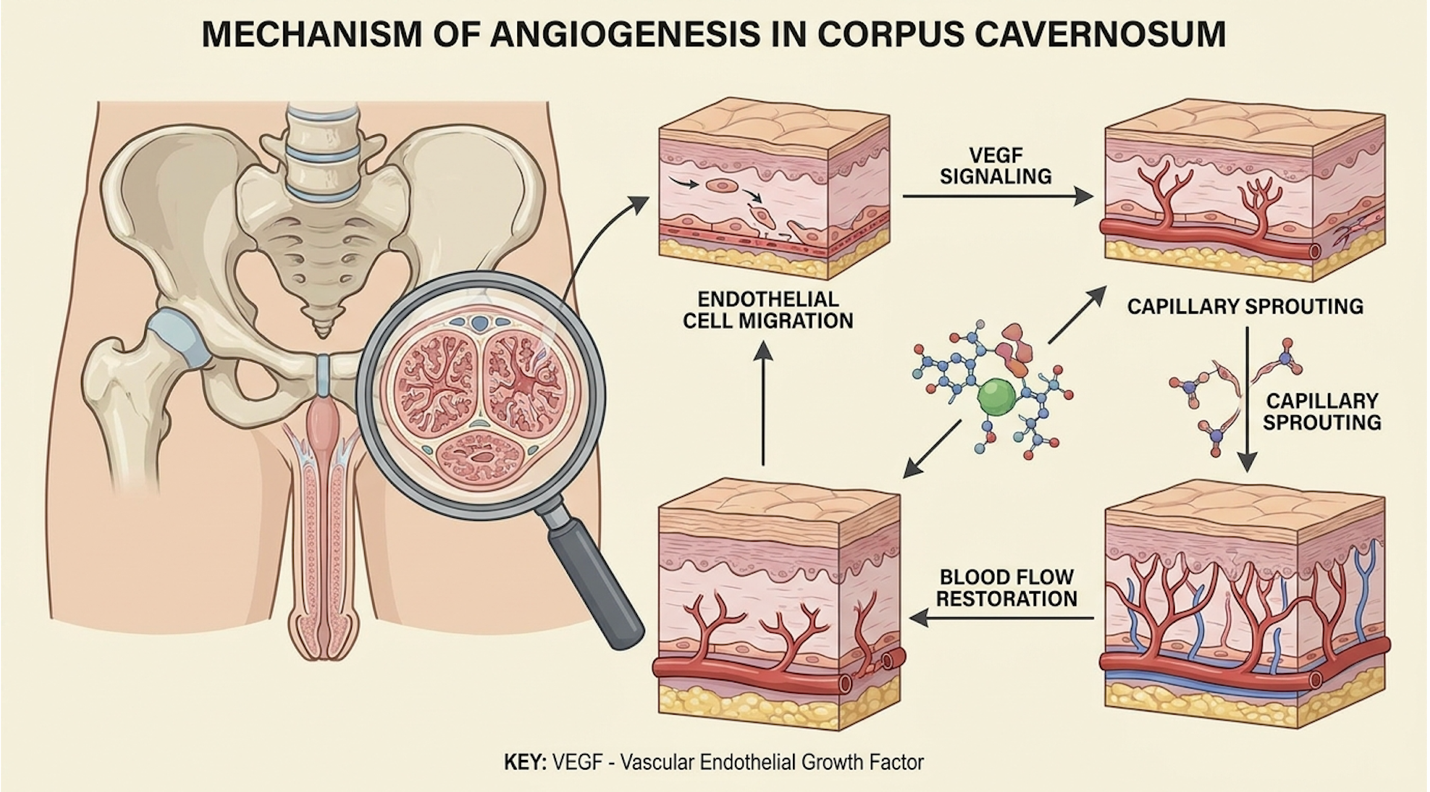
Figure 1: UC-MSCs secrete VEGF into the corpus cavernosum, stimulating new capillary network formation across the damaged endothelial lining.
Patients evaluating regenerative medicine frequently ask how stem cells cure ED. In a rigorous medical context, the word “cure” is avoided, as no intervention offers a lifetime guarantee against biological aging. However, by restoring the baseline physiological architecture of the vascular tissue and increasing the density of endothelial nitric oxide synthase (eNOS), UC-MSC therapy aims to functionally reverse the localized biological clock, returning the mechanics of the erection to a pre-disease state.
Beyond vascular reconstruction, restoring natural, spontaneous erectile function simultaneously requires the repair of the complex, microscopic neurological pathways traversing the pelvic region.
Erectile dysfunction is not solely a vascular plumbing issue; frequently, it is a complex electrical failure. Neurogenic ED occurs when the microscopic cavernous nerves responsible for signaling an erection are bruised, stretched, or severed. Research frequently observes this specific pathology in post-prostatectomy cohorts. Men undergoing radical prostatectomies or complex pelvic floor surgeries often experience cavernous nerve neuropraxia.
Advanced diabetes causes similar, albeit slower, peripheral neuropathy in the pelvic floor through prolonged high blood glucose damaging the myelin sheaths of nerves. When these nerves fail, the primary signal to release nitric oxide (NO) never arrives. Without nitric oxide, the entire downstream chemical cascade (the conversion of GTP to cGMP) that relaxes smooth muscle and allows blood to rush in is functionally paralyzed.
This is exactly where regenerative medicine for ED demonstrates profound clinical utility. UC-MSCs aggressively secrete specialized neurotrophic factors, most notably Brain-Derived Neurotrophic Factor (BDNF) and Glial Cell Line-Derived Neurotrophic Factor (GDNF). These specific proteins perform a critical dual function within the penile tissue.
First, they protect existing, struggling neurons from apoptosis (programmed cell death) by stabilizing their microenvironment. Second, they actively promote the regeneration and sprouting of damaged cavernous nerve axons, encouraging Schwann cells to repair the nerve sheaths.
By repairing the cavernous nerve pathways, stem cells help re-establish the critical nitric oxide signaling loop required for natural erections. For post-prostatectomy patients who typically see absolutely zero response from maximum-dose oral medications because the pills require an intact nerve signal to amplify this neuro-regenerative capacity is a critical biological intervention.
Because these cellular mechanisms target the underlying physical architecture of the penis, they stand in stark biological contrast to the conventional, temporary pharmaceutical protocols traditionally prescribed by urologists.
When evaluating alternative ED treatments, regenerative medicine represents a fundamental clinical shift away from symptom masking toward structural tissue restoration. PDE5 inhibitors are clinically ineffective in up to 35% of patients with severe neurogenic or vasculogenic ED (Nature Impotence Research journal). For these patients, comparing regenerative therapies against invasive surgical prosthetics requires a rigorous analysis of procedural invasiveness, spontaneity preservation, and long-term biological outcomes.
PDE5 inhibitors are clinically ineffective in up to 35% of patients with severe neurogenic or vasculogenic ED, driving the shift toward regenerative interventions (Nature, 2020).
To accurately compare stem cells vs viagra (sildenafil) or Cialis (tadalafil), patients must examine the underlying pharmacology. Phosphodiesterase type 5 (PDE5) inhibitors do not fix broken blood vessels, nor do they repair severed cavernous nerves. Their sole biological function is to block the PDE5 enzyme that breaks down cyclic guanosine monophosphate (cGMP). By artificially keeping cGMP levels high, the penile smooth muscle remains relaxed longer, sustaining an erection.
But there is a glaring physiological catch. PDE5 inhibitors require entirely intact nerves and a baseline level of healthy arterial blood flow to function in the first place. If the endothelium is destroyed by diabetes, or the nerves are severed from prostate surgery, the pills are completely useless because the initial nitric oxide spark never happens.
Data shows that 35% of men with severe pathology see zero results from maximum-dose PDE5 inhibitors so these patients are forced to seek alternative, often invasive treatments. Furthermore, relying on pills introduces a heavy psychological toll on relationships. Intimacy becomes a scheduled, clinical event. Patients take the pill, wait 30 to 60 minutes, and often endure systemic side effects like debilitating headaches, facial flushing, or cyanopsia (blue-tinted vision).
The Endothelial Renewal Framework prioritizes returning the patient to a state of unprompted, natural spontaneity. Regenerating the cavernous tissue via UC-MSCs means patients do not need a pharmaceutical countdown clock or a digestive window to achieve intimacy. The biological hardware is repaired to function naturally.
When oral medications inevitably fail, standard urological guidelines traditionally push patients toward invasive mechanical solutions or destructive energy therapies. When comparing stem cell therapy vs penile implant surgery, patients are essentially comparing a biological restoration attempt against permanent, irreversible tissue destruction.
An Inflatable Penile Prosthesis (IPP) is a surgically implanted medical device. To place the inflatable silicone cylinders inside the penis, the surgeon must hollow out and permanently destroy the native corpus cavernosum tissue. Once that implant is placed, natural, spontaneous erections are biologically impossible for the remainder of the patient’s life. The patient is entirely reliant on a mechanical, fluid-filled pump hidden in the scrotum. While implants have high satisfaction rates for absolute end-stage ED, stem cells offer a critical, final biological intervention before a patient crosses that irreversible surgical threshold.
Patients also frequently compare shockwave therapy vs stem cells for ED. Low-intensity extracorporeal shockwave therapy (Li-ESWT) has gained massive commercial popularity in recent years. It works by sending acoustic waves into the penile tissue to cause micro-trauma, which theoretically triggers the body’s native stem cells to initiate angiogenesis.
The primary limitation of Li-ESWT lies in cellular aging. If a patient is older with severe vascular disease, their native stem cell reserves are already depleted, senescent, and slow to respond. Beating up older, tired tissue with acoustic waves often yields diminishing returns. UC-MSC therapy bypasses this massive limitation by directly injecting millions of highly potent, young, exogenous progenitor cells directly into the tissue matrix, providing the robust cellular fuel that Li-ESWT relies on but often lacks.
While the theoretical advantages of cellular preservation over surgical destruction are clear, the clinical community demands rigorous, empirical data to validate these regenerative claims and justify the financial investment.
Stem cells cannot guarantee a 100% cure for erectile dysfunction, though they demonstrate significant regenerative potential in clinical settings. The therapy focuses on reversing cellular damage and promoting new blood vessel growth to restore natural erectile mechanics at the tissue level. Clinical trial data indicates many patients experience substantial, long-term functional improvements. However, outcomes depend heavily on the patient’s age, underlying pathology, and
While both are classified as regenerative therapies, UC-MSC therapy utilizes potent exogenous stem cells, whereas PRP (Platelet-Rich Plasma) relies entirely on the patient’s own drawn blood platelets. PRP provides concentrated growth factors to stimulate local tissue, but it lacks the undifferentiated, multipotent progenitor cells required for extensive, structural cellular regeneration. Consequently, stem cell therapy is generally reserved for more severe vascular or neurogenic deficits that require complete tissue remodeling. PRP is often utilized for milder dysfunction or combined directly with stem cells to act as a biological scaffold to hold the cells in place. Individual suitability requires professional urological assessment and Doppler imaging.
Patients typically begin observing functional, unmedicated improvements between 6 to 12 weeks following the intracavernous injection, according to early trial observations. Because angiogenesis (growing new blood vessels) and nerve regeneration are biologically intensive processes, results are not immediate like oral PDE5 inhibitors. Peak regenerative outcomes generally manifest at the 3 to 6-month mark as the cellular matrix finishes rebuilding itself. The longevity of these functional improvements varies widely based on ongoing metabolic health and cardiovascular maintenance post-treatment. Continued clinical monitoring is highly recommended to track functional progress objectively.
Stem cell therapy shows distinct, evidence-based promise for treating post-prostatectomy erectile dysfunction by explicitly targeting the damaged cavernous nerves. Radical prostatectomies frequently cause severe neurogenic ED due to nerve bruising, stretching, or severing during tumor removal, rendering standard vascular medications completely ineffective. UC-MSCs actively secrete specialized neurotrophic factors that can protect existing struggling neurons and stimulate the repair of injured nerve pathways. While clinical trials indicate
For patients experiencing severe neurogenic or vasculogenic impotence, umbilical cord mesenchymal stem cell therapy offers a specialized mechanism to regenerate damaged endothelium and cavernous nerves, addressing the root biological cause of dysfunction. Clinical data demonstrates that while PDE5 inhibitors fail up to 35% of severe ED patients (Nature, 2020), UC-MSCs actively secrete pro-angiogenic factors like VEGF to completely rebuild penile microvasculature. The optimal clinical approach requires rigorous diagnostic imaging, third-party verified stem cell assays, and proper, ethical patient selection to ensure safety and efficacy.
| 📌 If you’re interested in why the percentage of living cells matters so much at the time of treatment, we have an interesting article that discusses the importance of cell viability in UC-MSC stem cell therapy, which you can read via the internal link. |
Applying the Endothelial Renewal Framework shifts the medical focus away from transient, pharmaceutical vasodilation toward permanent, structural tissue restoration. By utilizing highly potent, immune-privileged Wharton’s jelly derivatives, patients bypass the senescence of autologous adult cells, initiating a localized paracrine signaling cascade that fosters sustainable biological repair without triggering immune rejection.
Determining precise clinical suitability requires a comprehensive urological evaluation, heavily relying on penile Doppler ultrasounds and systemic metabolic profiling. Patients considering regenerative interventions in jurisdictions like Bangkok, Thailand, must verify clinic laboratory standards and consult with a board-certified specialist to establish safe, evidence-based treatment expectations based on their unique medical history. Book a consultation with a board-certified urologist today to determine if UC-MSC therapy is the right next step for your regenerative health journey.