Our Services
Others
- DFPP
- Shockwave
- IV Drip

Stem Cell Therapy for Crohn’s: Gut Repair
Living with Crohn’s Disease is an intensely challenging, unpredictable experience. It is not simply a matter of having an easily upset stomach or dealing with occasional food intolerances. Instead, it is a chronic, deeply disruptive condition where your body’s own immune system launches a continuous, mistaken attack against your digestive tract.
For patients, this structural malfunction transforms everyday life into a series of urgent crises, characterized by severe abdominal cramping, chronic fatigue, unexpected weight loss, and the persistent anxiety of sudden, painful flare-ups.
For generations, conventional gastroenterology has approached Crohn’s Disease with a single mindset: systemic suppression. When a patient experiences a flare, the standard playbook relies on aggressive medications to blunt the immune system. This includes high-dose corticosteroids, disease-modifying immunomodulators, or lifelong biological infusions designed to block isolated inflammatory proteins.
While these treatments can provide vital, life-saving stabilization during an acute crisis, they rarely address the underlying biological breakdown. Because they focus on hiding symptoms rather than fixing the faulty cellular wiring, patients are frequently left dependent on heavy pharmaceuticals that leave them vulnerable to systemic infections, metabolic shifts, and progressive organ strain over time.
Regenerative medicine introduces a proactive alternative to this cycle. By utilizing high-potency Umbilical Cord Mesenchymal Stem Cells (UC-MSCs), advanced protocols target the root cellular malfunctions driving Crohn’s.
Instead of turning off your body’s entire defense network, stem cell therapy functions as an intelligent biological mediator. It travels through the circulatory system to re-educate hyperactive immune pathways, cool deep-seated tissue inflammation, and active the natural repair of the damaged intestinal barrier.
The Pathological Reality: What Happens to the Intestinal Lining?
Stem cell treatment for Crohn’s Disease requires cautionTo know how stem cells act to reverse the progression of this Chronic Inflammatory Bubble, we need a deeper understanding of what is happening beyond the superficial tissue damage & inflammation, and get into the biological components lost in dealing with lymphoma within the layers of your intestines.
Unlike other inflammatory bowel diseases that only impact the inner lining of the colon, Crohn’s involves transmural inflammation. This means the immune response can turn destructive and chew through every layer of the intestinal wall, from the inner mucosa to the underlying muscular margins deep down.
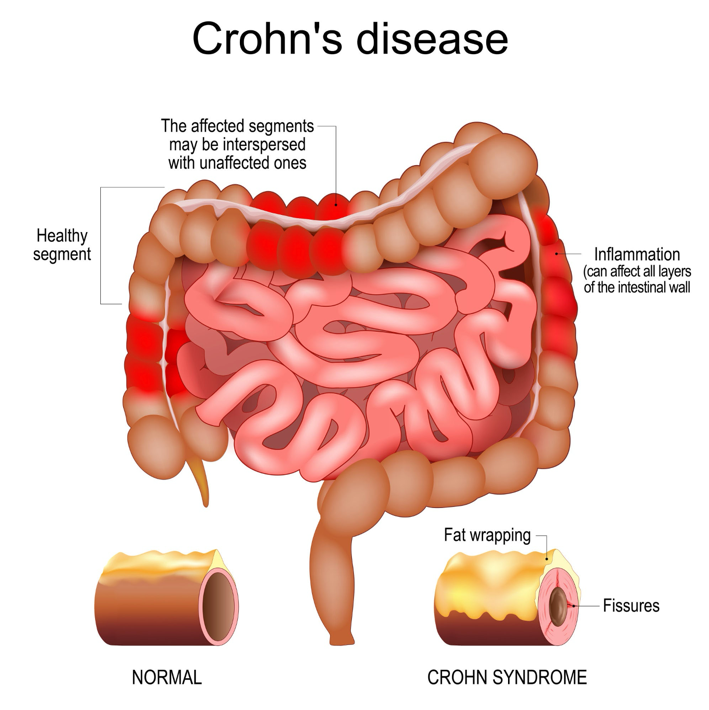
Figure 2: Pathological changes in the intestinal wall during Crohn’s Disease.
In the diagram above, notice how affected fragments of tissue are interdigitated with segments entirely free from damage a hallmark, also known as “skip lesions.”
In these inflamed red zones, an over-achiever army of hyperactive white blood cells have been persistently bombarding and destroying the tight junctions that keep the protective lining of your intestines as a whole. This miniature breakdown results in fissures, which are deep, painful cuts.
When these fissures propagate further through the layers of tissue, the body attempts to contain that damage and lays down a thick layer of wrapping fat around it while simultaneously tightening up the internal passage. If not interrupted, brawny scarring loop results in irreversible obstructions (strictures) or unnatural Tunnel Structures (Fistulas), typically then needing to be rapidly surgically excised.
The Scientific Mechanism: How UC-MSC Stem Cell Therapy Heal the Gut Matrix
Umbilical Cord Mesenchymal Stem Cells offer a highly sophisticated therapeutic alternative because they address both sides of the Crohn’s crisis: the hyperactive immune confusion and the physical degradation of the intestinal wall.
These cells are ethically harvested from the umbilical cord tissue (specifically a rich matrix called Wharton’s Jelly) of healthy, full-term births through comprehensive donor screening programs. Because they are youthful “day-zero” cells, they are entirely unaffected by the aging or metabolic stress that inevitably reduces the potency of a patient’s own adult stem cells.
Furthermore, UC-MSC stem cell therapy are completely immunoprivileged. They lack the specific surface markers (HLA Class II antigens) that tell a recipient’s body to treat them as foreign tissue, meaning they can be safely administered without any donor matching or post-treatment anti-rejection drugs.
When introduced into a patient via a systemic intravenous (IV) infusion, UC-MSC stem cell therapy use the body’s natural circulatory highways to migrate directly to the areas of intestinal distress, operating through three distinct scientific mechanisms.
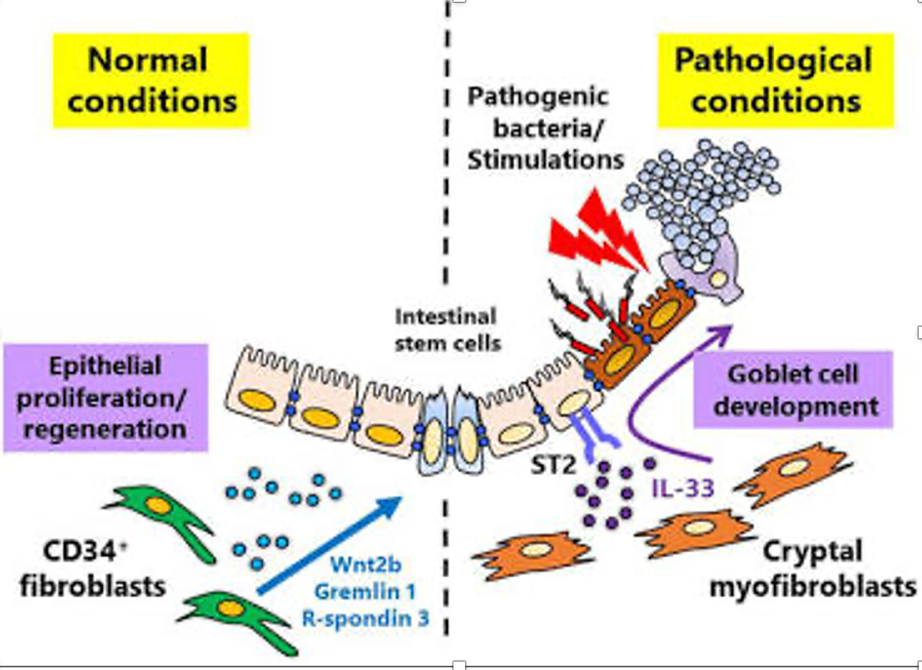
Figure 2: Mesenchymal stem cell mechanisms in gut barrier restoration.
As shown in the scientific diagram above, when pathological conditions or harmful bacteria disrupt the delicate gut lining, the body requires an active cellular intervention to prevent permanent breakdown. UC-MSC stem cell therapy change this environment through three precise pathways:
1. Advanced Mucosal Immunomodulation
The primary superpower of UC-MSC stem cell therapy is their ability to regulate an overactive immune system without turning it off. Once the cells home in on the inflamed intestinal segments, they detect high concentrations of destructive signaling molecules like Tumor Necrosis Factor-alpha (TNF-) and Interferon-gamma (IFN-).
The stem cell therapy respond by releasing a targeted payload of anti-inflammatory proteins, such as Transforming Growth Factor-beta (TGF-) and Indoleamine 2,3-dioxygenase (IDO). This localized release instructs hyperactive T-cells and aggressive macrophages to stand down, rebalancing the ratio of inflammatory cells to protective T-regulatory (Treg) cells, effectively calming the tissue fire from within.
2. Restarting Epithelial Regeneration
For it to halt the cycle of chronic inflammation, these physical leaks in the gut barrier must be closed up. Stem cells interact directly with native CD34+ fibroblast and gut wall intestinal stem cells in the crypts of the gut wall as shown in a mechanism diagram (left panel).
Through the secretion and expression of important growth factors and structural signalling molecules, such as Wnt2b, Gremlin 1, and R-spondin 3, UC-MSC stem cell therapy convey this required biological signal to fast track epithelial proliferation and regeneration. This enables regrowth of the lost goblet cells and a re-establishment of an intact mucosal barrier that blocks unwanted material from crossing into circulation.
3. Anti-Fibrotic Actions to Prevent Strictures
When the intestinal wall is continuously damaged by inflammation, the body’s standard repair mechanism deposits thick, unyielding layers of scar tissue. Over time, this scarring causes the intestinal walls to stiffen and narrow.
UC-MSC stem cell therapy balance this process by regulating the production of Matrix Metalloproteinases (MMPs) the natural enzymes responsible for breaking down old, rigid structural proteins. By encouraging a clean, organized deposition of new collagen, stem cells help preserve the natural flexibility of the digestive tract, lowering the long-term risks of strictures and fistulas.
Shifting the Paradigm: Conventional Therapies vs. UC-MSC Stem Cell Infusions
When managing a complex condition like Crohn’s Disease over many years, it helps to analyze how standard pharmaceutical paths compare with the systemic approach of regenerative cellular medicine.
| Treatment Pathway | Primary Method of Action | Long-Term Health Trade-offs |
| Corticosteroids (Prednisone) | Rapidly suppresses the entire systemic inflammatory response broadly. | Provides quick short-term relief during flares, but long-term use can cause bone density loss, metabolic disruptions, and skin thinning. |
| Biological Infusions (Anti-TNF) | Binds to and blocks specific, isolated inflammatory proteins in the blood. | Effectively interrupts specific loops of inflammation, but can lose efficacy over time as the body builds resistance, while increasing infection risks. |
| Surgical Resection | Physically cuts out severely scarred or narrowed segments of the intestine. | Vital for resolving immediate blockages, but does not fix the underlying disease; inflammation frequently returns at the surgical borders. |
| UC-MSC Cell Infusions | Systemic Balance: Rebalances immune pathways, halts tissue degradation, and supports natural barrier repair. | Non-invasive and completely immunoprivileged, targeting the root inflammatory driver without shutting down your defense system. |
Traditional pharmaceuticals treat Crohn’s Disease like a loud fire alarm, repeatedly cutting the wires to stop the noise. UC-MSC stem cell therapy focuses on cooling the heat source so the system can return to a normal state of safety.
Why Bangkok, Thailand is a Premier Capital for Advanced Cellular Therapy
For many international families struggling to find answers within restrictive domestic healthcare frameworks, accessing advanced allogeneic cell lines can be deeply frustrating. Strict local regulations often prevent clinicians from expanding high-yield donor cells, leaving patients with few choices beyond standard pharmaceutical management.
Thailand has established a progressive, thoroughly monitored medical ecosystem, making Bangkok a premier destination for international patients seeking real results.
Fresh, High-Density Cell Counts: The success of a regenerative protocol depends heavily on cell volume and cellular youth. Leading laboratories in Bangkok operate state-of-the-art cleanrooms that fully comply with strict international Good Manufacturing Practices (GMP). Because these cell lines are cultured and verified locally under immaculate conditions, patients have access to fresh protocols delivering high-density cell counts—often ranging from 100 million to over 200 million active cells per cycle—potencies that are frequently unavailable or financially impossible to obtain in many Western countries.
Comprehensive Medical Infrastructure: Traveling to Thailand for cellular therapy allows patients to access world-class medical specialists, advanced diagnostic laboratories, and deeply personalized care plans at a fraction of Western costs. Favorable national operational overhead and a highly competitive medical tourism market mean that patients receive premium, comprehensive health care paired with pristine clinical environments, without compromising on physician training or safety testing standards.
Real-World Expectations: What Does Stabilization Look Like?
When navigating an advanced metabolic protocol, absolute honesty and transparency are vital. Stem cell therapy is not a magical overnight cure that allows a patient to instantly disregard core diet and lifestyle habits. Instead, it serves as a powerful biological intervention that works to change the disease’s path.
Patients responding well to advanced UC-MSC stem cell therapy protocols typically observe gradual health improvements over a window of two to six months:
Reduction in Flare Frequency: A noticeable decrease in the severity and frequency of painful abdominal cramps and digestive upsets, indicating improved everyday metabolic stability.
Normalized Inflammatory Markers: Measurable drops in key systemic inflammation checks, such as C-Reactive Protein (CRP) and fecal calprotectin levels, showing a calming of the internal tissue environment.
Improved Nutrient Absorption: As the intestinal barrier repairs and normalizes its structural matrix, patients frequently report a steady reversal of unexpected weight loss, along with a significant reduction in chronic systemic fatigue.
Lowered Medication Dependence: Under careful clinical supervision, many patients find they can safely and gradually scale back their reliance on daily corticosteroids or extend the windows between standard biological infusions.
Conclusion: Empowering Your Digestive Health
Diagnosing Crohn’s Disease is a significant strain on the body, but it doesn’t mean you shouldn’t be active at all and ruminatively tweak your medication regime as if ensuring that your underlying tissue is of even lower quality. To treat a deep biological failure with surface-level suppression covers up the symptom without dealing with the root cause.
Opting for use of stem cells through advanced UC-MSC stem cell therapy, in other words, provides your body with the young/ intelligent resources it has lacked to calm chronic tissue inflammation, re-educate hyperactive immune terminals and rebuild a healthy gut barrier from within. The phenomenal forefront of regenerative medicine in Thailand is a bold an primal choice to get off of the rat wheel that is the world of Pharmaceutical drugs, protect your precious organs and gain back a foundation for this long life you seek.