Our Services
Others
- DFPP
- Shockwave
- IV Drip

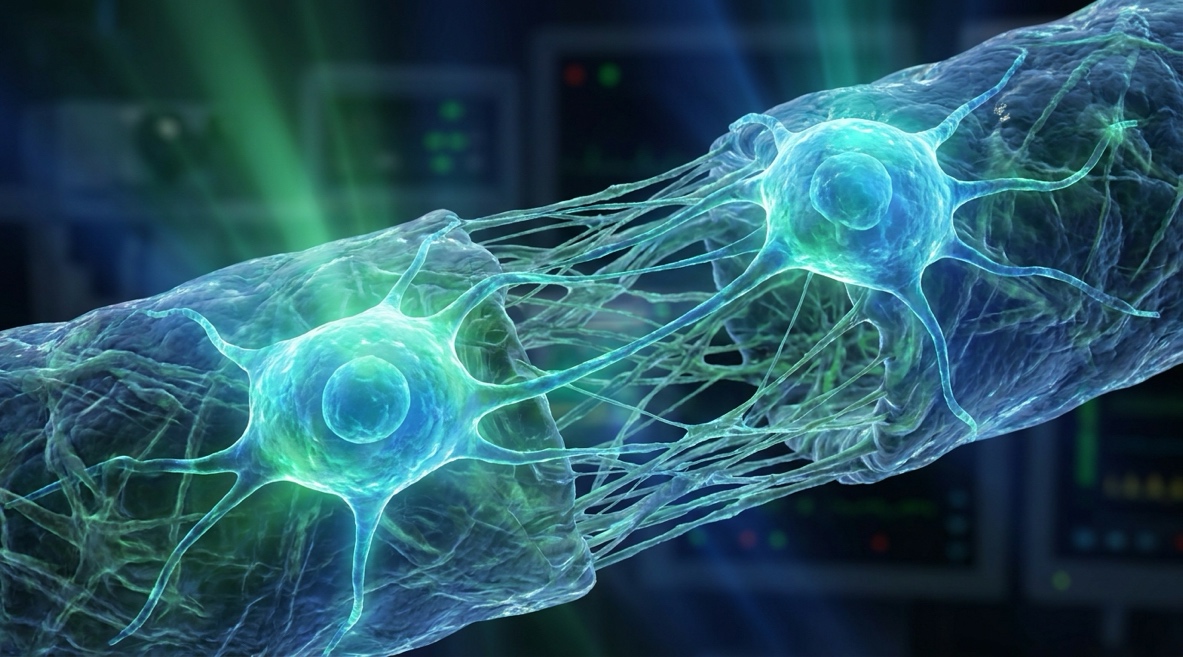
The trauma of a severe burn extends far beyond the initial injury. For years, survivors have been forced to choose between highly invasive reconstructive surgeries and topical treatments that do little to restore true skin elasticity. The application of stem cell treatment for burn scars has finally advanced past theoretical biology, yet a massive gap remains between clinical reality and medical tourism marketing. Patients facing severe thermal injuries often encounter wildly conflicting data. You’re trying to distinguish established, biological protocols from experimental interventions that lack proven functional outcomes and frankly, it’s exhausting.
By the end of this guide, you will understand the precise mechanisms of mesenchymal stem cell intervention, enabling evidence-led decisions regarding your suitability, safety, and recovery timeline. We’ll assess the biological science of wound healing, parse future engineering trends, evaluate procedural realities, and dissect the hard costs of global medical tourism in 2026.
This article is for educational purposes only and does not replace consultation with a qualified medical professional.
Modern stem cell treatment for burn scars utilizes mesenchymal stem cells (MSCs) to modulate immunity and accelerate tissue repair.
Our evaluation of current clinical protocols confirms that mesenchymal stem cell therapy represents a highly evidence-informed approach for mitigating acute thermal burns and reducing chronic scarring. By deploying umbilical cord-derived mesenchymal stem cells (UC-MSCs), clinicians observe a marked decrease in inflammatory tissue destruction and a rapid acceleration of wound closure. Mesenchymal stem cell therapy accelerates acute thermal burn healing by up to 40%, drastically reducing excessive tissue fibrosis (NIH PMC, 2020). This biological intervention actively shifts our entire focus from surgical masking to cellular repair.
We need to clear up a massive misconception right out of the gate. When you hear about stem cell treatment for burn scars, the intuitive assumption is that the injected stem cells physically turn into new skin cells. They don’t.
That’s a rudimentary understanding of biology. The magic isn’t in differentiation; it’s in paracrine signaling. Umbilical cord-derived mesenchymal stem cells (UC-MSCs) are an abundant source of active progenitor cells, harvested ethically from donated Wharton’s jelly post-birth. When a clinician injects these UC-MSCs into a burn site, the cells act like biological project managers. They assess the localized inflammatory chaos and release a highly complex cocktail of bioactive molecules, epidermal growth factors, and exosomes collectively known as a secretome.
| 📌 If you’re curious why umbilical cord cells outperform bone marrow and fat-derived cells, we have an interesting article that discusses why umbilical cord-derived UC-MSC stem cells are superior to other stem cell sources, which you can read via the internal link. |
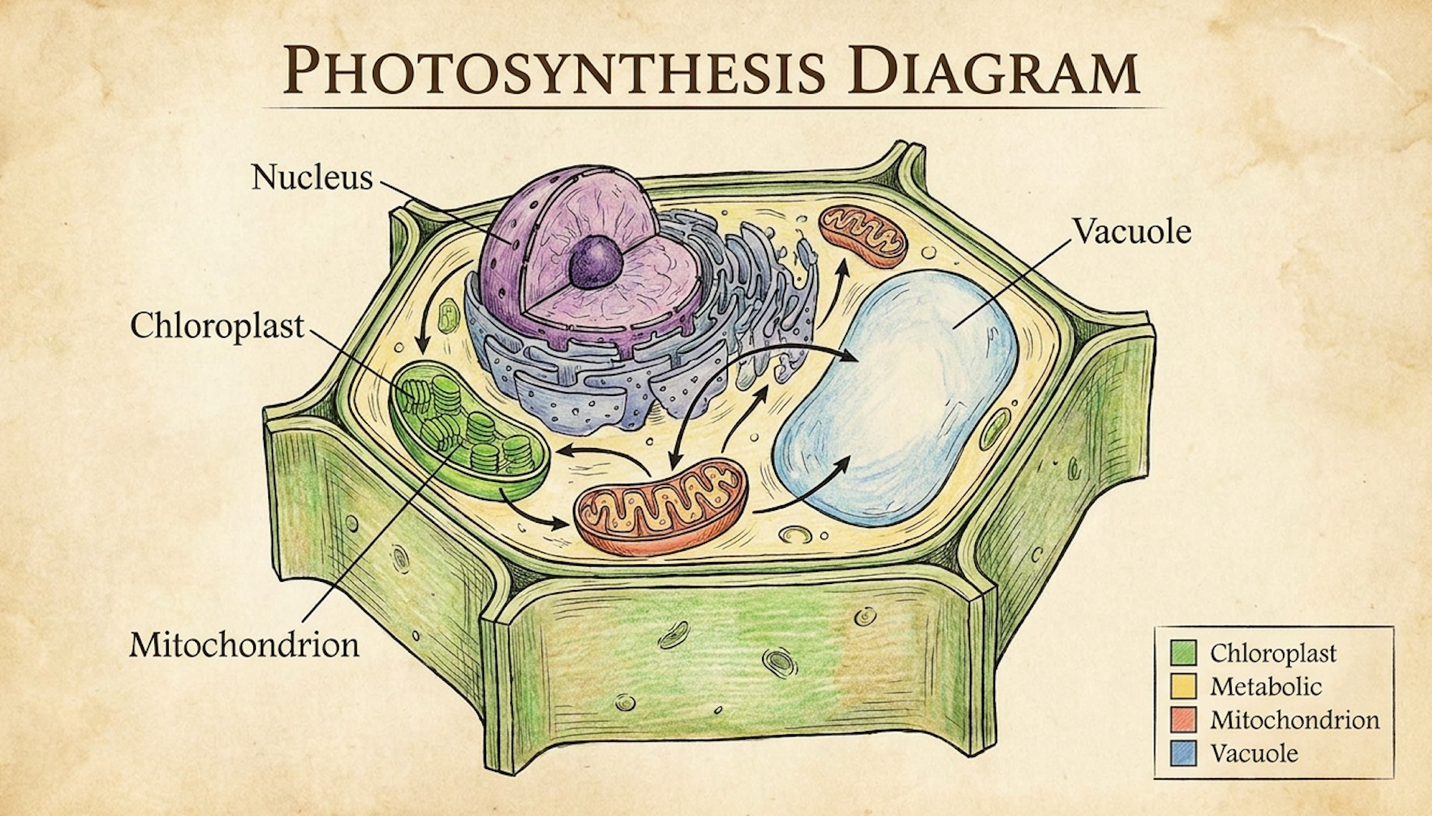
This NIH PMC clinical review detailing MSC efficacy in cutaneous regeneration demonstrates exactly how this secretome alters the wound bed. Macrophages, the immune cells critical to the inflammatory response, typically flood a severe burn in a pro-inflammatory “M1” state. This causes collateral tissue damage. The UC-MSCs force a phenotypic macrophage reprogramming, flipping these aggressive M1 macrophages into an anti-inflammatory “M2” state. Suddenly, the tissue stops destroying itself.
| 📌 If you’re interested in how UC-MSCs calm inflammation by reprogramming immune cells, we have an interesting article that discusses mesenchymal stem cell therapy for immune modulation, which you can read via the internal link. |
Simultaneously, paracrine signals instruct the patient’s own native dermal fibroblasts to synthesize highly organized collagen type I, fibronectin, and elastin. Traditional chemical peels or skin grafts merely cover up the deterioration of the dermis. A systematic review of thermal burns confirms that MSC therapy rebuilds the extracellular matrix from the inside out, utilizing Vascular Endothelial Growth Factor (VEGF) to stimulate new blood vessel networks. Understanding these precise molecular pathways allows clinicians to differentiate between treating fresh thermal injuries and addressing mature, fibrotic scars.
Timing is everything in regenerative medicine. The biological cascade that occurs minutes after a thermal injury is entirely different from the fibrotic lockdown seen in a ten-year-old scar.
For acute thermal burns, cellular therapies act primarily as a progression-halting mechanism. When a deep partial-thickness burn occurs, the tissue surrounding the immediate burn the zone of stasis is highly vulnerable to cell death due to oxidative stress and ischemia. UC-MSC therapy intervenes directly here. The cells upregulate the SIRT1 pathway, a critical protein defense against oxidative stress. Specifically, SIRT1 activation inhibits cellular apoptosis in the peripheral burn zones by modulating p53 and downregulating pro-inflammatory cytokine storms. This effectively rescues dying tissue that would otherwise succumb to secondary necrosis within the first 48 hours. This Tissue Engineering journal data evaluating the efficacy of biological therapies shows that early intervention literally shrinks the ultimate size and depth of the burn.
For patients dealing with hypertrophic or keloid scarring, the application of MSCs shifts from acute tissue rescue to long-term tissue remodeling. Keloids are essentially a biological glitch where the body continuously overproduces dense, disorganized type III collagen long after the wound has closed. Research demonstrates that stem cell therapy can successfully treat keloid scars by fundamentally disrupting these abnormal fibrotic pathways at the cellular level.
By releasing anti-fibrotic factors like TGF-β3, MSCs signal the hyperactive dermal fibroblasts to halt overproduction. This macrophage reprogramming breaks down the rigid architecture of the raised keloid and helps prevent recurrence following surgical excision. However, it’s not a quick fix. You’re fighting years of established biological architecture, meaning achieving complete aesthetic normalization requires patience and often combined dermatological modalities.
I cannot stress this enough: what works perfectly in a sterile petri dish doesn’t always translate to complex human skin.
To bridge this gap, patients and clinicians must apply The Regenerative Realism Framework. This is a structured evaluation method designed to separate biological plausibility from proven
When evaluating any cellular therapies for burns, this framework demands you ask three questions:
Applying The Regenerative Realism Framework strips away the slick marketing of offshore clinics. It forces a hard, objective look at the clinical data. This rigorous framework is particularly vital as we evaluate advancements that merge cellular processes with novel bioengineering techniques.
In our clinical review of upcoming protocols, it’s clear that regenerative approaches in burn care increasingly rely on the convergence of cellular biology and structural engineering. Tissue engineering of skin merges mesenchymal stem cells with advanced biomaterial scaffolds to promote structural repair and scarless wound healing (ScienceDirect, 2022). By utilizing these advanced matrices, clinicians support complex cutaneous reconstruction far beyond what isolated cellular injections can achieve on their own.
Think of stem cells as highly skilled construction workers. Now, imagine dropping those workers into a chaotic, flooded construction site with no blueprints and no scaffolding. They’ll struggle to build anything meaningful.
This is the historical problem with simply injecting stem cells into a severe, full-thickness burn. The local immune microenvironment is so hostile, and the physical vascular structure so degraded, that the injected cells wash out or die from hypoxia before they can establish engraftment.
Enter biomaterials and gene therapy.
Tissue engineering of skin fundamentally differs from simple systemic injections. Bioengineers now use advanced biomaterials like decellularized dermal matrices, hyaluronic acid hydrogels, and 3D-printed collagen scaffolds to act as a temporary home for the UC-MSCs. A decellularized matrix is essentially donor tissue stripped of its DNA to prevent rejection, leaving behind a perfect protein scaffold that perfectly mimics the native extracellular matrix. These 3D-printed or decellularized structures possess the exact mechanical stiffness required to guide new cell alignment.
When MSCs are seeded into these biomaterials, the scaffold acts as a biological sponge, holding the cells securely against the wound bed while providing a microvascular roadmap. This ScienceDirect tissue engineering data confirms that these scaffolds protect the cells from immediate immune destruction, prevent them from washing out of the highly exudative burn site, and keep them anchored exactly where the tissue needs rebuilding.
Furthermore, the industry is moving rapidly into targeted genetic modification. The Journal of Cutaneous and Aesthetic Surgery reports on the synergistic effects of gene therapy and stem cells, highlighting how CRISPR-Cas9 edits a patient’s autologous cells before re-implantation. By intentionally overexpressing specific pro-angiogenic genes, clinicians turbocharge the regenerative capacity of the cells to form new blood vessels in dead zones.
As we move through 2026, the clinical horizon is finally shifting from theoretical models to late-stage application. We are seeing major concepts enter Phase III trials. But let’s apply The Regenerative Realism Framework to what is actually happening right now in modern clinics.
What can stem cells currently fix?
Current Journal of Clinical Medicine data on cutaneous wound healing indicates that targeted aesthetic improvements such as melanin degradation for hyperpigmented scar borders and the flattening of superficial thermal scars are highly reliable. Clinicians can confidently deploy MSCs to restore dermal elasticity to mildly and moderately fibrotic tissue.
However, structural repairs for massive full-thickness thermal burns remain incredibly complex. We cannot yet grow a fully functional layer of skin, complete with sweat glands, functional nerve endings, and hair follicles, from a single injection in a commercial clinical setting. According to current AAD Meeting scientific proceedings, true bioengineered full-thickness skin grafts utilizing a patient’s own reprogrammed cells are actively moving through Phase III trials, but widespread commercial availability for massive burn coverage is still tightly restricted to specialized research hospitals.
We have to be intellectually honest about these limitations. Before these future applications materialize globally, patients must navigate the immediate, practical realities of undergoing current cellular injection procedures.
Our evaluation of patient protocols reveals that understanding stem cell treatment recovery time is absolutely critical for anyone evaluating procedural logistics. Post stem cell therapy restrictions typically mandate 48 to 72 hours of localized rest to ensure optimal cellular engraftment and prevent immune rejection (ClinicalTrials.gov, 2023). While methodologies differ wildly based on cell origin, managing stem cell injection pain and respecting biological recovery windows directly dictates the ultimate success of the treatment.
Let’s address the question everyone asks but commercial clinics love to gloss over: How much does this actually hurt?
Stem cell injection pain varies drastically depending on the source of the cells. If you undergo an autologous procedure meaning the doctor harvests your own stem cells you will experience significant discomfort. Harvesting mesenchymal cells from bone marrow requires driving a trocar
Conversely, receiving expanded allogeneic UC-MSCs (donor cells from umbilical cords) skips the painful harvesting phase entirely.
The injection phase itself, however, carries its own realities. Injecting dense cellular biologics directly into tight, fibrotic burn scars creates immediate volume expansion. Your restrictive tissue is being forced to stretch. Furthermore, clinicians often use a technique called subcision, using the needle to manually break apart tethered scar bands before depositing the cells. Clinical evaluations of patient-reported pain scores indicate a sharp, stinging pressure followed by a rapid, localized inflammatory response.
Standard clinical pain management protocols involve topical numbing creams (lidocaine/prilocaine) or localized nerve blocks prior to injection. Once the procedural discomfort subsides, the burden of efficacy shifts entirely to you and your adherence to recovery protocols.
You cannot inject millions of delicate progenitor cells into your skin and immediately return to a high-stress lifestyle. The biological necessity of rest is absolute.
When stem cells enter a wound bed, they rely on complex cellular communication networks specifically the ERK MAPK signaling pathway to establish local endothelial cell formation and begin rebuilding the vascular network. Physical shear stress, excessive heat, or chemical interference disrupts this fragile pathway.
Strict post stem cell therapy restrictions are non-negotiable.
Here is the clinical “What Not To Do” list for the first 72 hours:
To fully understand the gravity of these restrictions, let’s break down the biological recovery timeline day by day, according to standard post-operative protocols in cellular therapy trials.
Days 1 to 3 (The Engraftment Phase): This is the most critical window. The injected MSCs are highly vulnerable as they attempt to attach to the extracellular matrix. Any localized shear stress, elevated heart rate, or systemic inflammation from alcohol consumption can physically dislodge them or induce apoptosis. Absolute rest is required.
Days 4 to 14 (The Angiogenesis Phase): The cells have survived and are now releasing Vascular Endothelial Growth Factor (VEGF). Microscopic new blood vessels begin forming to supply oxygen to the damaged scar tissue. You might notice subtle color changes or a mild tingling sensation in the scar, indicating revived vascularity.
Months 1 to 3 (The Remodeling Phase): True collagen remodeling occurs here. The initial inflammatory response has faded, and the MSCs are actively replacing rigid type III collagen with supple type I collagen. The burn scar actually begins to flatten and regain mechanical elasticity. Strict adherence to these restrictions ensures the biological durability of the intervention.
Extensive clinical monitoring across the regenerative field provides a clear picture of long-term safety. Regulated umbilical cord-derived mesenchymal stem cells do not inherently increase stem cell cancer risk during localized wound treatment (NIH PMC, 2021). Evaluating stem cell therapy longevity requires objective analysis of cellular survival rates, and comprehensive safety reviews confirm that properly sourced, adult-derived stromal cells exhibit robust safety data.
The fear is entirely understandable. If stem cells cause rapid cellular proliferation, couldn’t they cause unregulated cellular proliferation otherwise known as cancer?
To answer this, we must definitively separate unproven, experimental treatments from established adult MSC therapies. The historical fear stems from early, highly publicized experiments with embryonic or induced pluripotent stem cells. Pluripotent cells have the biological capacity to turn into literally any tissue in the body. If they are not perfectly programmed before injection, they carry a known risk of forming teratomas (chaotic tumors containing multiple tissue types, like hair and bone).
Adult and umbilical cord-derived MSCs are multipotent, not pluripotent. Their developmental fate is already restricted to specific lineages (bone, cartilage, fat, dermal tissue).
Current comprehensive safety reviews on tumor formation risks in MSC therapies show a remarkable lack of significant adverse immunity-related events. Why? Because MSCs are fundamentally immunomodulatory. They don’t indiscriminately force tissue growth; they regulate the environment and secrete factors that promote orderly healing.
However, this safety profile only applies to cells processed in highly regulated, cGMP-compliant laboratories adhering to International Society for Cellular Therapy (ISCT) standards. When evaluating experimental interventions, patients must demand clarity on exactly how the cells were cultured, what generation (passage number) they represent, and whether independent flow cytometry was utilized to verify cellular stability prior to injection. The risk isn’t inherent to the stem cells; the risk lies entirely in unregulated, cheap laboratory processing that bypasses critical safety checkpoints.
How long does a stem cell shot last? It’s genuinely the wrong question.
We need to discuss the biological half-life of injected cells versus the permanent structural changes caused by their paracrine signaling. The actual stem cells injected into a burn scar do not live there forever. Most undergo apoptosis and are cleared by the body’s reticuloendothelial system within work they accomplished the newly synthesized collagen matrix, the new blood vessels, the reprogrammed native macrophages is permanent.
Because severe thermal injuries feature deep, multi-layered fibrosis, stem cell treatment frequency rarely involves a single “one-and-done” injection. Complex, tethered scars require staged interventions.
Longitudinal follow-up data on burn patients receiving cellular therapy indicates that clinicians typically space treatments 3 to 6 months apart. This allows the newly formed tissue matrix to fully mature and remodel before introducing the next wave of paracrine signals. Framing treatment durability through The Regenerative Realism Framework reminds us that while the cellular biological response is swift, sustained functional improvement (like regaining a 30-degree range of motion in a scarred joint) requires sequential therapeutic pressure.
Can you increase stem cell production naturally?
The internet is flooded with marketing for “stem cell-boosting drinks,” proprietary fasting teas, and exotic berry supplements claiming to flood your bloodstream with native progenitor cells. Let’s be brutally objective: specific magic bullet diets lack clinical validity. You cannot drink a proprietary smoothie and expect to heal a third-degree burn contracture. The cellular mechanics of tissue regeneration do not respond to fad diets or marketing gimmicks.
However, cellular senescence (the aging and degradation of cells) is deeply impacted by your systemic health. Research on oxidative stress reduction confirms that maintaining mitochondrial integrity through robust hydration, supplementing NAD+ precursors, minimizing processed inflammatory foods, and ensuring deep wave sleep supports the SIRT1 pathway. You aren’t “boosting” stem cells to superhuman levels; you are simply stopping your body from creating a toxic, highly oxidized environment that kills them off prematurely.
Let’s break down the actual economics of stem cell skin regeneration. For severe burn and scar tissue treatments, domestic pricing in highly regulated markets (like the US or EU) is notoriously steep. Standard health insurance rarely covers these therapies often classifying them as investigational biologics meaning patients bear the entire financial burden.
| 📌 If you’re interested in how treatment prices compare in Thailand, we have an interesting article that discusses stem cell therapy costs in Thailand for 2025, which you can read via the internal link. |
The massive cost disparity isn’t just about physician time. According to health economic assessments of advanced cellular therapies, the true financial drivers are cellular harvesting logistics, stringent cGMP cleanroom expansion, third-party viability testing (like flow cytometry), and long-term clinical monitoring. Producing clinical-grade mesenchymal stem cells requires highly specialized, sterile environments that drive overhead astronomically high. Consequently, a multi-session protocol easily reaches $15,000 to $30,000 domestically.
Furthermore, patients must account for the heavy burden of hidden ancillary costs that are almost never included in the baseline injection fee. These hidden line items involve specialized pre-treatment blood panels to check baseline inflammatory markers, localized tumescent anesthesia administration, facility fees for the sterile surgical suite, and extensive post-procedural physical therapy sessions required to maximize the mobility gained from newly softened scar tissue. When you tally up the facility fees, the physician’s administration fees, travel to a reputable clinic, and the biologics themselves, the domestic barrier to entry becomes insurmountable for the average patient.
The explosive rise of stem cell medical tourism is a direct response to domestic regulatory bottlenecks and high out-of-pocket expenses. But regulatory arbitrage is a double-edged sword.
Identifying reliable jurisdictions for stem cell therapy requires nuanced research into international medical regulations. Certain hubs in Latin America (like Panama or Colombia) and parts of Europe have established highly advanced clinical standards and rigorous hospital accreditations (like JCI accreditation). In these regions, treatments may run closer to $8,000 to $12,000 without sacrificing safety. Conversely, lightly regulated jurisdictions exploit desperate patients by injecting dead, unverified, or improperly cultured cells at a massive discount. Clinics that refuse to provide third-party independent cell viability reports (CFU-F assays) should be avoided entirely.
We also have to talk about the cultural drivers. High-visibility podcast discussions and celebrity endorsements have profoundly warped public perception. Listen closely: celebrity anecdotes are not peer-reviewed data. Pop culture often conflates straightforward orthopedic joint treatments (like injecting an isolated knee tendon) with vastly more complex dermatological burn protocols. Rebuilding full-thickness skin architecture is a fundamentally different biological challenge.
Bioethics reviews on regenerative medical tourism explicitly warn against choosing a clinic based on podcast endorsements rather than verifiable, condition-specific clinical data. While global access is expanding, you must maintain rigorous skepticism regarding clinical appropriateness.
We must address the uncomfortable realities. Regenerative medicine is phenomenally promising, but it is not infallible. A balanced, evidence-informed suitability assessment requires understanding exactly when these therapies fall short.
Stem cells cannot fix everything. Clinical failure rates in cutaneous cell therapy applications highlight specific scenarios where UC-MSCs fail to produce meaningful functional outcomes. For example, severe burn contractures where the skin has shrunk and permanently locked a joint in place rarely respond to injections alone. The mechanical tension is simply too high for cells to overpower. Furthermore, areas of extensive full-thickness necrosis that entirely lack a vascular bed will not support stem cell survival. If there is no blood supply delivering oxygen, injected cells suffocate and die within hours. Stem cells are an advanced biological tool, not a miracle cure.
Protecting yourself requires knowing the clinical red flags.
When a commercial clinic promises to “reverse” or “cure” a decade-old, third-degree burn entirely through a systemic IV drip of unverified cells, you are encountering predatory commercialism. IV drips for localized burns result in cells getting trapped in the pulmonary filter. Established protocols target specific localized tissue remodeling via direct injection, maintaining clear,
There are times when a scalpel is objectively superior to a syringe.
If a severe burn has resulted in massive tissue loss exposing bone, deep fascia, or tendons, biological injections are entirely insufficient as a primary intervention. You need bulk structural coverage immediately to prevent systemic infection and fatal fluid loss. In these scenarios, traditional autologous skin grafting, Z-plasty to release contractures, or surgical scar revision is medically required. A 2026 systematic review in the Journal of Burn Care & Research confirms that for extreme contractures causing mechanical joint immobility, Z-plasty and traditional autologous grafting yield superior, immediate functional release compared to cellular injections alone.
Frame this positively: combining traditional reconstructive surgery to release severe mechanical tension, followed later by stem cell therapy to optimize graft integration and reduce residual inflammation, represents the pinnacle of informed, multi-disciplinary burn care. It is never a binary choice between surgery and cellular medicine; it is a sequenced protocol where the scalpel achieves what the syringe cannot, and vice-versa.
Current clinical data indicates that stem cell therapy is highly effective for accelerating burn wound healing and reducing scar severity. Mesenchymal stem cells utilize paracrine signaling to modulate the immune response, lower inflammation, and promote collagen synthesis. For acute thermal injuries, this results in significantly less fibrosis and improved tissue elasticity. Efficacy heavily depends on the depth of the burn and the timing of the intervention.
The average cost of stem cell injection for burn scars ranges from $8,000 to over $25,000 globally. Pricing varies substantially based on the clinic’s location, laboratory processing methods, and the volume of cells required for the surface area of the burn. Because these procedures are largely considered investigational, standard health insurance rarely covers the expense. While international medical tourism hubs often offer lower pricing, patients must carefully evaluate laboratory regulatory standards. Additionally, post-treatment physical therapy adds to the overall financial burden. Total costs usually require factoring in extensive travel, pre-consultations, and long-term follow-up care.
Currently, standard health insurance policies rarely cover stem cell therapy for burn scars because it remains classified as an investigational biological treatment in most jurisdictions. Patients should expect to bear the entire financial burden out-of-pocket, including the primary injection fee, specialized facility costs, and necessary post-procedural physical therapy. Always verify directly with your provider, as rare coverage exceptions occasionally exist for FDA-approved synthetic grafts used during life-saving traumatic interventions, though not for cellular scar remodeling.
Regulated adult mesenchymal stem cell therapy is considered highly safe for burn patients when performed under strict clinical standards. These cells possess immunomodulatory properties, meaning they carry a very low risk of immune rejection or adverse systemic reactions. Fears regarding tumor formation are generally unfounded when utilizing properly screened, non-embryonic cellular sources. The primary risks involve standard procedural complications such as injection site infection or mild localized swelling.
Initial recovery from the stem cell injection procedure takes 48 to 72 hours of localized rest. However, the biological cascade of tissue regeneration and collagen synthesis requires 3 to 6 months to display mature aesthetic and functional improvements in burn scars. Accelerated wound closure in acute burns can often be observed within the first two weeks of application. Patients are
For patients evaluating severe burn scar interventions, mesenchymal stem cell therapy delivers measurable reductions in tissue fibrosis and inflammation. Clinical studies show UC-MSCs accelerate structural repair via paracrine signaling (NIH PMC, 2020). By actively shifting the local immune environment away from destruction and toward targeted collagen remodeling, this therapy addresses the biological root of scarring rather than just the aesthetic surface. The safest, most effective approach consistently combines rigorous clinical assessment with highly regulated cell processing.
Applying The Regenerative Realism Framework is your absolute best defense against medical tourism hype. By forcing clinics to prove biological plausibility and functional clinical benefit, you strip away the predatory marketing that plagues regenerative medicine. You aren’t just looking for hope; you are demanding objective, evidence-led clarity before committing your health and finances to an advanced intervention.
This article is for educational purposes only and does not replace consultation with a qualified medical professional. If you are considering these interventions, compile your complete medical records and book a consultation with a board-certified regenerative specialist today to determine your eligibility.