Our Services
Others
- DFPP
- Shockwave
- IV Drip

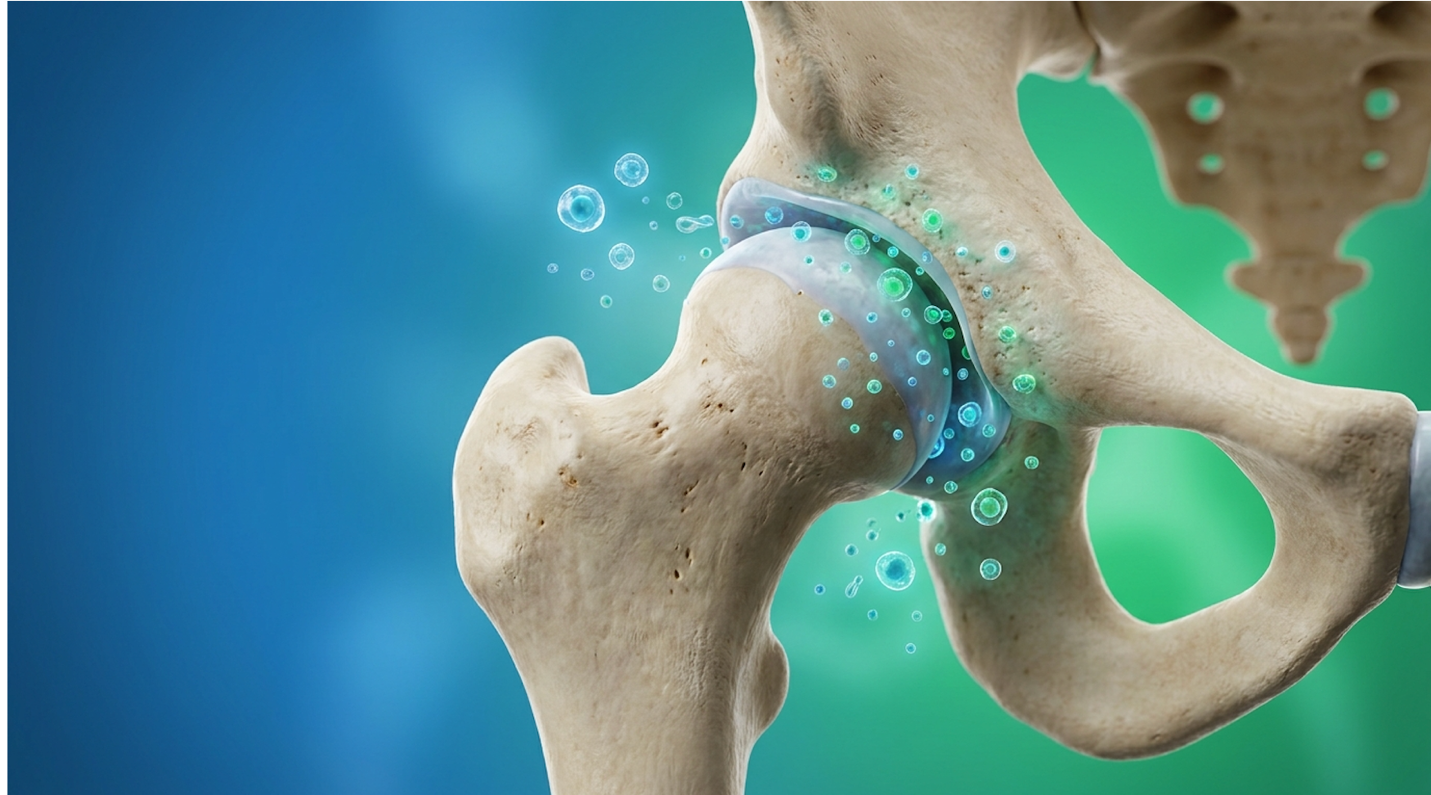
Patients navigating severe hip osteoarthritis often reach a critical juncture where conservative treatments fail, yet total hip arthroplasty seems premature. You know the exact frustration. You’ve exhausted the physical therapy protocols, maxed out on NSAIDs, and cortisone injections are yielding diminishing returns. Now, you’re looking at regenerative medicine. In 2026, advancing orthobiologic therapies require more medical scrutiny than ever before.
While commercial clinics frequently aggressively market cellular treatments as surgical alternatives, the disparity between marketing claims and peer-reviewed orthopedic data leaves patients vulnerable to significant financial loss and inappropriate medical interventions. Orthopedic consensus and clinical evaluations demonstrate a stark contrast between promotional brochures and actual joint preservation outcomes. The truth? Cartilage doesn’t magically respawn just because you paid fifteen grand for an injection.
This guide provides an evidence-led synthesis of current cellular therapies, evaluating clinical efficacy, biological mechanisms, and rigorous patient candidacy frameworks. We aren’t here to sell you a miracle cure. We are here to look strictly at the raw data and empirical facts. Deciphering these medical realities is absolutely crucial before stepping into any clinic.
By analyzing current regulatory guidelines and controlled trial data, you will understand exactly who qualifies for regenerative orthobiologics and what functional outcomes are clinically realistic for stem cell treatment for hip osteoarthritis.
Stem cell treatment for hip osteoarthritis utilizes mesenchymal stem cells to modulate inflammation and alter the intra-articular microenvironment, rather than guaranteeing structural cartilage regrowth.
Stem cell treatment for hip osteoarthritis operates primarily through complex biochemical signaling rather than physical joint resurfacing. Mesenchymal stem cell therapy in the treatment of hip osteoarthritis relies on the release of anti-inflammatory cytokines and growth factors that alter the catabolic environment of a degenerating joint (PubMed, 2023). This biological modulation can significantly delay disease progression in properly selected candidates. Autologous mesenchymal stem cells exert their primary clinical effect through paracrine signaling and immunomodulation, rather than direct structural engraftment (OUP, 2022).
Let’s get straight to the biology. When we discuss autologous orthobiologics treatments derived directly from a patient’s own biological material we are primarily looking at Mesenchymal Stem Cells (MSCs). These are multipotent stromal cells capable of differentiating into various cell types. However, that differentiation isn’t their primary therapeutic superpower in a degraded hip.
In clinical practice, physicians typically harvest these cells via bone marrow aspirate concentrate (BMAC) from the posterior iliac crest, or they use adipose-derived cellular fractions extracted via mini-liposuction from the flank or abdomen. Once harvested, the biological material is placed into a specialized multi-chamber centrifuge. This rapid spinning process relies on highly specific density gradients to physically isolate the mononuclear cellular concentrate from the heavier red blood cells and the lighter, free-floating lipids. The concentrated biological payload is then carefully injected into the intra-articular space of the hip joint under strict ultrasound or fluoroscopic imaging guidance.
But what actually happens next? The biological mechanism relies heavily on the paracrine effect and cellular secretomes. MSCs don’t just sit there and build new tissue out of nothing. Instead, they operate like biological contractors, releasing a potent payload of epidermal and vascular endothelial growth factors (VEGF). More importantly, they secrete massive volumes of interleukin-1 receptor antagonist (IL-1ra) and transforming growth factor-beta (TGF-β).
This concentrated chemical signaling aggressively suppresses pro-inflammatory M1 macrophages the specific immune cells actively chewing up your joint matrix forcing them to transition into tissue-repairing M2 macrophages. It essentially rewires the hostile, catabolic microenvironment of an arthritic hip into an anabolic, healing state. The localized immune response is radically altered, creating a temporary cessation of the degenerative biochemical cascade that drives severe osteoarthritis.
| 📌 If you’re interested in how MSCs switch the immune response from damage to repair, we have an interesting article that discusses mesenchymal stem cell therapy for immune modulation, which you can read via the internal link. |
Contrast this complex autologous cellular approach with standard intra-articular corticosteroid injections. Cortisone is a synthetic hammer. It temporarily obliterates the inflammatory response masking your pain for a few weeks or months but it does absolutely nothing to alter the baseline biological disease state. In fact, repeated corticosteroid use is notoriously chondrotoxic, actively accelerating cartilage cell death and degrading the joint over time. Autologous MSCs attempt to biologically recalibrate the joint without that toxic collateral damage.
Clinical evidence in PubMed indicates that this biochemical modulation of joint inflammation is highly documented, repeatable, and observable in post-treatment synovial fluid analysis.
While the biochemical modulation of joint inflammation is well documented, translating these cellular mechanisms into actual structural tissue regrowth remains highly controversial in clinical practice.
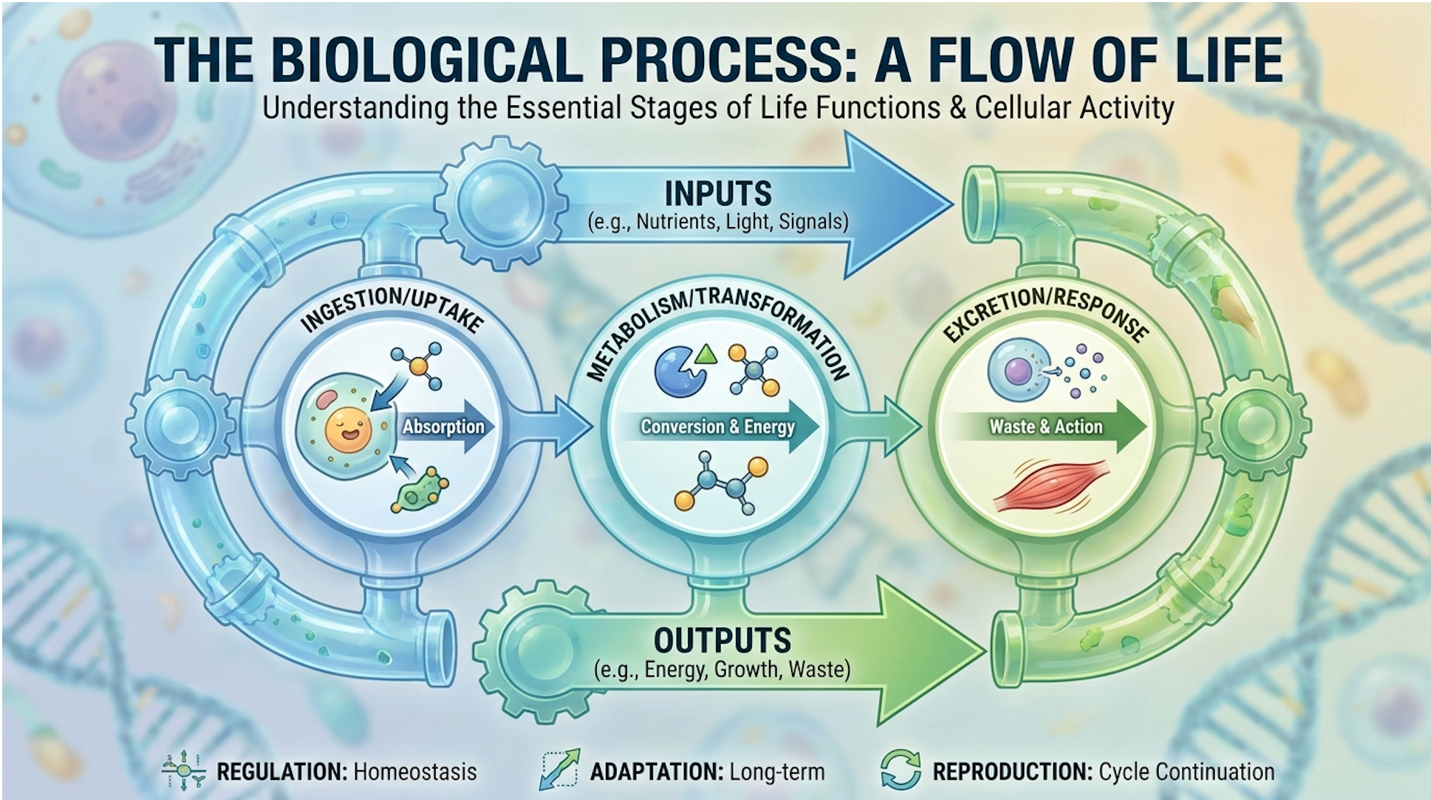
Figure 1: Autologous mesenchymal stem cells suppressing pro-inflammatory macrophages via targeted paracrine signaling inside the hip capsule.
Patients consistently ask one fundamental question during consultations: Can you regenerate cartilage in your hip? Here is the brutal, scientifically validated reality: true structural regeneration of native hyaline articular cartilage in an arthritic hip is virtually impossible with a simple intra-articular injection.
Hyaline cartilage is remarkably unique. It’s an avascular, aneural, and alymphatic tissue, meaning it has absolutely no blood supply, no nerves, and no lymphatic drainage. Once the extracellular matrix degrades and chondrocytes (the native cartilage cells) undergo apoptosis, the tissue cannot naturally repair itself because it lacks the vascular highways required to transport repair materials.
When commercial regenerative clinics promise “regrowth,” they are usually playing very loose with histological definitions. If any new tissue formation occurs following a stem cell injection for hip arthritis, it is almost exclusively fibrocartilage. Fibrocartilage, composed mainly of Type I collagen, is essentially biological scar tissue. It lacks the smooth, frictionless, weight-bearing properties of native hyaline cartilage (which is composed of Type II collagen). It wears out significantly faster and frequently fails under heavy mechanical loads.
The hip joint’s unique biomechanical load makes this even harder. We are talking about a deep ball-and-socket joint carrying up to three to four times your body weight with every single step you take during a normal gait cycle. This makes true cartilage regeneration exponentially more challenging than in a superficial hinge joint like the knee. The massive peak joint reaction forces involved routinely obliterate fragile, newly formed fibrocartilage before it can establish a durable, weight-bearing matrix.
Marketing claims frequently conflate “reduced pain” with “regrown cartilage.” A patient might feel absolutely fantastic six months post-injection because the intra-articular inflammation has plummeted, not because their joint space widened by three millimeters. This is exactly where The Joint Preservation Candidacy Matrix becomes vital for setting clinical expectations. Advanced structural loss cannot be reversed. If the subchondral bone is exposed and physically grinding against the acetabulum, no amount of injected multipotent cells will magically resurface the necrotic femoral head.
Journal of Hip Preservation Surgery data confirms this, showing that while functional pain markers drop significantly, radiographic joint space remains largely unchanged in follow-up imaging.
Understanding that treatment primarily modulates pain rather than regenerating destroyed cartilage fundamentally shifts how we must evaluate clinical success rates.
When assessing what the success rate of stem cell therapy for hips actually is, clinical outcomes correlate directly with baseline radiographic severity. Outcomes Following Stem Cell-Based Therapies for Hip OA demonstrate clinically significant improvements in pain and mobility for mild-to-moderate cases, whereas patients with severe osteophyte formation report Clinical trials indicate that patients with moderate hip osteoarthritis experience a 50-70% reduction in pain scores at 12 months following autologous MSC therapy, whereas severe cases show negligible statistical improvement (Journal of Hip Preservation Surgery, 2017).
If you want to understand true efficacy, you have to look at how researchers objectively measure success. Orthopedic trials don’t just ask patients if they feel “better.” They apply rigorous functional metrics, most notably the WOMAC (Western Ontario and McMaster Universities Osteoarthritis Index) score. This index quantifies exactly how much pain you feel walking up stairs, putting on socks, and getting out of a car.
When you isolate the trial data, a stark division emerges based on the Kellgren-Lawrence (KL) Grading System the global radiographic classification standard for osteoarthritis severity.
For patients presenting with KL Grade 1 or 2 (mild to moderate joint space narrowing, minor osteophyte formation), autologous MSC injections demonstrate a robust success rate. These patients frequently report a drop from a baseline WOMAC score of 65 down to 25 or 30 at the 12-month mark. The severe joint inflammation is quelled, allowing the joint mechanics to operate far more smoothly without triggering immense nociceptive nerve firing.
However, when you apply the exact same cellular protocol to patients with KL Grade 3 or 4 (severe joint space narrowing, massive bone spurs, deep subchondral sclerosis), the success rates crater. Statistical significance practically vanishes. The p-values in these double-blind, randomized controlled trials clearly indicate that introducing stem cells into an end-stage arthritic hip provides negligible, if any, sustained functional improvement over a basic saline placebo.
Another critical factor patients entirely misunderstand is the timeline for pain relief. If you’ve ever had a cortisone shot, you know the relief is almost instantaneous. Stem cells do not work that way at all. Because orthobiologics initiate a complex, gradual immunomodulatory cascade, patients typically experience increased pain, swelling, and stiffness for the first 14 to 21 days post-injection. Noticeable clinical change the actual reduction in chronic pain doesn’t consistently manifest until weeks 8 through 12.
This leads to a fascinating clinical paradox. Patients frequently report immense satisfaction scores and vast improvements in their daily quality of life. Yet, when we perform follow-up MRIs one year post-procedure, there is rarely any objective radiographic evidence of new cartilage. The pain reduction occurs completely independent of any measurable increase in joint space width.
Oxford University Press data thoroughly breaks down this phenomenon, meticulously mapping functional outcomes against pre-procedure radiographic grading to prove symptom relief outpaces structural change.
While initial pain reduction is a critical benchmark, patients investing heavily in these procedures must equally understand the longitudinal durability of these biological effects.
The most pressing question in the clinic is always: “How many years does stem cell therapy actually last?” It’s a completely fair question when you’re funding the entire procedure out-of-pocket without insurance support.
Based on current longitudinal tracking data updated through 2026, a successful stem cell injection in the hip typically provides sustained functional relief for 12 to 36 months. It is not a permanent fix. Let me repeat that it is a temporary biological intervention designed to extend the lifespan of your native joint. It mitigates symptoms, but it does not stop the chronological aging of your mechanical skeleton.
Treatment durability degrades based on several compounding mechanical and biological factors. Body Mass Index (BMI) plays a massive, undeniable role. The hip is a primary weight-bearing joint; a BMI over 30 exponentially increases the sheer forces acting on the joint capsule, actively crushing the fragile microenvironment the MSCs are attempting to modulate. Every extra pound you carry translates to nearly four pounds of dynamic joint load.
Furthermore, continued mechanical impingement such as untreated Femoroacetabular Impingement (FAI), where distinct bone spurs on the femoral neck (cam lesions) grind against the acetabular rim (pincer lesions) will quickly obliterate any anti-inflammatory progress. You simply cannot biologically out-heal a mechanical bone-on-bone collision. It acts like a chisel against your remaining cartilage.
Age also correlates heavily with longevity. Retrospective outcome studies confirm that patients over 65 experience a much faster degradation of therapeutic benefits. In this older demographic, the 36-month therapeutic window often collapses down to just 12 to 18 months due to inherent cellular senescence and reduced biological healing capacity.
| 📌 If you’re curious why young umbilical cord cells are often chosen for older patients instead of their own aged cells, we have an interesting article that discusses why UC-MSCs are superior to other stem cell sources, which you can read via the internal link. |
Therefore, we have to frame this intervention correctly from day one. For most advanced patients, cellular therapy is fundamentally an exercise in “buying time.”
Perhaps you’re 52, highly active, and desperately trying to delay a total hip arthroplasty (THA) until your late 50s so you only need one joint replacement in your entire lifetime. In that exact scenario, securing 36 months of high-functioning pain relief from a mesenchymal stem cell injection is a massive clinical victory. But if you view this as a permanent structural cure that will allow you to run marathons into your 80s on a necrotic hip, you will be deeply disappointed.
Recent orthopedic evaluations tracking stem cell durability in large joints explicitly highlight this survival rate measuring the exact time elapsed before a patient ultimately succumbs to surgical intervention. Because these clinical outcomes are so heavily dependent on the patient’s baseline joint health, establishing rigorous candidacy requirements is the most critical step in regenerative medicine.
Before you let a regenerative medicine clinic touch your hip, you must seek a secondary consultation from a board-certified orthopedic surgeon who does not offer stem cell therapy.
Why? Because you need an unbiased, conflict-free assessment of your mechanical joint integrity. A traditional surgeon will look at your weight-bearing radiographs and tell you bluntly if your hip geometry has collapsed. Bypassing this step to pursue expensive regenerative treatments based solely on the advice of the physician selling those exact treatments is a dangerous medical gamble.
Determining what is the best therapy for hip pain depends heavily on disease staging, biomechanics, and patient budget. While stem cell therapy receives significant media attention, PubMed, 2023). For patients with mild-to-moderate hip osteoarthritis, Platelet-Rich Plasma (PRP) often provides a superior cost-to-benefit ratio compared to stem cell therapy, delivering comparable anti-inflammatory effects at a fraction of the cost (Orthopedic Reviews, 2022).
If you are exploring injectable alternatives, Platelet-Rich Plasma (PRP) is arguably the most compelling competitor to stem cells for early-stage disease.
PRP works by drawing a simple vial of peripheral blood from your arm, spinning it in a centrifuge to isolate the “buffy coat,” and concentrating the platelets and growth factors. It entirely bypasses the painful bone marrow aspiration required for MSC therapy. While it doesn’t possess the exact same intense immunomodulatory payload as MSCs, PRP excels at reducing mild inflammation and signaling localized tissue repair. For many patients, PRP provides a dramatically superior cost-to-benefit ratio, delivering comparable anti-inflammatory effects for $800 to $1,500, rather than the exorbitant cost of stem cells.
Another option is viscosupplementation, utilizing hyaluronic acid (HA). HA is essentially biological WD-40 for the hip capsule. It aims to temporarily restore the mechanical lubricating properties of the synovial fluid, significantly reducing friction during the gait cycle. However, HA is notoriously difficult to inject accurately into the deep hip joint without advanced ultrasound, and clinical outcomes for hips are significantly less impressive than HA injections in knees.
Then we have intra-articular corticosteroid injections. Corticosteroids provide rapid, incredibly intense pain relief. But that relief is a trap. The clinical data is unequivocal: repeated cortisone injections accelerate cartilage degradation by upregulating catabolic enzymes. They increase the risk of subchondral insufficiency fractures and severely elevate the risk of post-operative infection if you get a hip replacement within three months of the shot.
So, what is the best treatment for severe hip osteoarthritis? The harsh reality is that none of these injectables work for severe, Grade 4 OA. In end-stage disease, all injectable therapies generally
Patients always want to know: “Can you live with hip arthritis without surgery?” The answer is yes, absolutely but it requires an ironclad, daily commitment to stringent conservative management protocols.
You cannot inject your way out of poor biomechanics. BMI reduction is the single most effective non-surgical treatment for hip arthritis. Dropping just 10 pounds relieves roughly 30 to 40 pounds of sheer mechanical load off the hip joint with every single step you take. Combine that with aggressive activity modification swapping high-impact running on asphalt for low-impact cycling or aquatic hydrotherapy and you drastically slow the degradation timeline.
Targeted neuromuscular re-education is completely mandatory. Physiotherapy isn’t just basic stretching; it’s about systematically strengthening the gluteus medius, minimus, and the entire core complex to physically offload mechanical stress from the degenerating femoral head. A strong, responsive muscular envelope acts as a biological shock absorber for the joint.
And what about nutrition? Specifically, what vitamin restores cartilage? Let’s be unequivocally clear: no vitamin or oral supplement “restores” destroyed cartilage. Period. However, optimizing Vitamin D levels, aggressively supplementing Omega-3 fatty acids, and utilizing high-quality glucosamine and chondroitin sulfate can measurably reduce systemic inflammation. They support the remaining extracellular matrix integrity and provide the necessary biochemical building blocks for systemic joint health.
These holistic interventions are not merely alternatives to stem cells; they are mandatory prerequisites. A patient who optimizes their weight and biomechanics radically improves the success rate of any subsequent orthobiologic injection.
Rehabilitation and orthobiologics data proves that combining integrated physical medicine with cellular therapies yields the highest long-term functional scores. Given the immense complexity of navigating these concurrent therapies, patients frequently present with overlapping concerns regarding procedural specifics and costs.
Stem cell therapy can effectively reduce pain and improve mobility in patients with mild to moderate hip arthritis. It works by releasing anti-inflammatory proteins that fundamentally alter the joint’s hostile biochemical environment. However, clinical efficacy decreases significantly in cases of severe bone-on-bone arthritis where the mechanical structure has failed. Individual outcomes depend heavily on your baseline joint health and radiographic severity.
A successful stem cell injection in the hip typically provides sustained pain relief lasting between 12 and 36 months for most patients (PubMed, 2023). This duration fluctuates based on patient age, body mass index, and continued biomechanical stress placed on the joint. Patients generally require comprehensive physical therapy alongside the injection to maximize the longevity of these clinical benefits.
Stem cells cannot regrow destroyed hyaline cartilage in severely osteoarthritic hips. While cellular therapy modulates inflammation and may stimulate the formation of much weaker fibrocartilage in minor defects, it does not physically resurface a deteriorated joint space. Patients should view this therapy as biological pain management rather than a permanent structural joint cure.
Total hip replacement is the definitive, clinically proven solution for severe, end-stage osteoarthritis, offering permanent mechanical correction and structural stability. Stem cell therapy
Stem cell therapy for hip arthritis typically costs between $5,000 and $15,000 per joint in the United States, according to recent orthopedic industry cost analyses. Because health insurance and Medicare classify these specific orthobiologic procedures as investigational, they are entirely out-of-pocket expenses for the patient. Costs vary based on the cellular source, harvesting method, and advanced image-guidance technologies utilized during the injection.
| 📌 If you’re comparing treatment budgets and want to see what stem cell therapy costs in Thailand, we have an interesting article that discusses stem cell therapy costs in Thailand, which you can read via the internal link. |
For patients exploring stem cell treatment for hip osteoarthritis, orthobiologics offer a compelling mechanism for reducing localized inflammation and delaying surgical intervention. Clinical evidence demonstrates that properly selected candidates can achieve a 50-70% reduction in pain scores (PubMed, 2023). The most effective approach combines autologous cellular therapy with aggressive biomechanical rehabilitation, weight management, and realistic expectations regarding functional longevity.
Success entirely depends on rigorous patient qualification through the Joint Preservation Candidacy Matrix. Patients must understand that cellular therapies modulate biochemical environments; they do not regrow destroyed hyaline cartilage. Investing in these off-label, out-of-pocket treatments when presenting with severe, bone-on-bone joint pathology ultimately results in clinical failure and profound financial loss.
Before committing to any regenerative protocol, obtain updated weight-bearing radiographs. Consult an independent, board-certified orthopedic surgeon who does not exclusively offer orthobiologics to ensure you receive an unbiased assessment of your mechanical joint integrity and true clinical candidacy.