Our Services
Others
- DFPP
- Shockwave
- IV Drip

This article is for educational purposes only and does not replace consultation with a qualified medical professional.
For decades, the endocrinology standard for Type 1 Diabetes has focused exclusively on exogenous insulin management. But recent clinical data surrounding Umbilical Cord Mesenchymal Stromal Cells (UC-MSCs) is shifting the focus from symptom management to cellular immunomodulation. Despite strict, exhausting glycemic control, long-term complications and severe insulin dependence remain statistical realities for most patients. This biological ceiling drives serious interest in regenerative interventions operating outside Western regulatory bottlenecks.
By the end of this scientific review, you will understand the exact biological mechanisms, clinical timelines, and regulatory realities of pursuing stem cell therapy for type 1 diabetes in Bangkok. We will evaluate the cellular science of homeostasis, conduct a transparent cost analysis of Thai
Stem cell therapy for type 1 diabetes focuses on restoring metabolic homeostasis through UC-MSC immunomodulation rather than offering an immediate cure.
Stem cell therapy for type 1 diabetes operates by restoring metabolic homeostasis rather than simply replacing lost insulin. Through the introduction of Umbilical Cord Mesenchymal Stromal Cells (UC-MSCs), treatments aim to halt the underlying autoimmune attack via immunomodulation while simultaneously creating a microenvironment conducive to endogenous beta cell recovery. This cellular approach shifts the clinical focus from symptom management to root-cause biological intervention.
Umbilical Cord Mesenchymal Stromal Cells (UC-MSCs) function as potent biological regulators, utilizing cell-to-cell communication to systematically dismantle the autoimmune pathways responsible for pancreatic destruction in Type 1 Diabetes. These multipotent cells do not simply act as structural replacements; rather, they serve as localized immunomodulators that actively reprogram hostile macrophage populations and suppress autoreactive T-cells. This targeted intervention stabilizes the pancreatic microenvironment, preserving critical residual beta cell mass and establishing the physiological baseline required for sustained metabolic homeostasis.
Clinical evaluations confirm that this methodology heavily relies on precise paracrine signaling. UC-MSC therapy for autoimmune conditions reduces pro-inflammatory tissue destruction by up to 40% providing the crucial biological window needed for beta cell recovery. This localized
When patients first research this topic, a common question arises regarding the origin of the cellular material. Not all stem cells are capable of surviving the hostile, inflamed environment of a diabetic pancreas. In elite Bangkok clinics, the universally preferred cell line for treating autoimmune conditions is the Umbilical Cord Mesenchymal Stromal Cell (UC-MSC), specifically harvested from Wharton’s Jelly.
Why Wharton’s Jelly? Because these highly active progenitor cells offer a unique combination of rapid proliferation and profound immune privilege. Unlike bone marrow-derived stem cells, which require painful extraction and degrade in quality as a patient ages, UC-MSCs are ethically harvested from donated umbilical cords following healthy, full-term cesarean births. They represent “day zero” biology.
| 📌 If you’d like the fuller comparison between cell sources, our article, Why Umbilical Cord-Derived Mesenchymal Stem Cells Are Superior to Other Stem Cell Sources, breaks down the advantages in more depth. |
More importantly, UC-MSCs lack significant human leukocyte antigen (HLA-DR) expression. In plain English, they are virtually invisible to the patient’s immune system. This allows for allogeneic (donor) infusions without the need for dangerous immunosuppressant drugs or tissue matching. They enter the bloodstream, navigate to sites of inflammation, and immediately begin their regulatory work without triggering an aggressive immune rejection response.
| 📌 If you’d like to understand why donor-derived cells don’t trigger rejection, our article, Understanding HLA-DR and Its Role in Stem Cell Therapy, explains what this marker means for treatment safety. |
To fully grasp the advantage here, you have to look at the limitations of older therapies. For years, hematopoietic stem cells (from bone marrow) were the standard. But they carry a high immunogenic profile, meaning the host body often attacks them unless the patient undergoes harsh chemotherapy first. UC-MSCs bypass this completely. They slide under the immune system’s radar, acting as an off-the-shelf biological therapeutic that is ready for immediate deployment in an outpatient or short-stay hospital setting.
Let’s clear up a persistent marketing myth right now. Stem cells injected into your body do not magically transform into fully functioning pancreatic tissue overnight. The mechanism of beta cell
To understand this, we need to look at exosomes. Exosomes are tiny extracellular vesicles secreted by the MSCs. Think of them as biological flash drives carrying vital genetic software (like microRNAs) directly into the damaged pancreatic tissue. When these exosomes fuse with your surviving beta cells, they upload instructions that block apoptosis (programmed cell death) and stimulate cellular proliferation.
This regenerative process aims for a highly specific clinical target: The T1D Cellular Homeostasis Threshold. We define this as the specific clinical point at which immunomodulation successfully halts autoimmune attacks, allowing endogenous beta cells to produce sufficient insulin to lower exogenous dependence. True beta cell regeneration relies on a sustained biological cascade. When UC-MSCs enter the pancreatic microenvironment, they begin clearing out reactive oxygen species (ROS) and preventing further cellular senescence. They physically clean up the toxic, inflamed neighborhood so your surviving beta cells can actually function without immediate destruction.
Based on recent clinical evaluations of UC-MSC efficacy, researchers noted that specific administration routes directly impact the survival rates of these progenitor cells. Intrapancreatic arterial infusion, for example, often yields superior beta cell mass retention compared to standard intravenous routes, largely because the cells bypass pulmonary entrapment (the “first-pass effect” where cells get caught in lung tissue).
By delivering the cellular material directly to the pancreatic artery via interventional radiology, the highest possible concentration of bioactive secretomes reaches the islets of Langerhans. The localized delivery maximizes the paracrine effect directly within the damaged tissue matrix. And this targeted vascular approach encourages rapid angiogenesis the formation of new blood vessels that feed and oxygenate the recovering beta cell clusters.
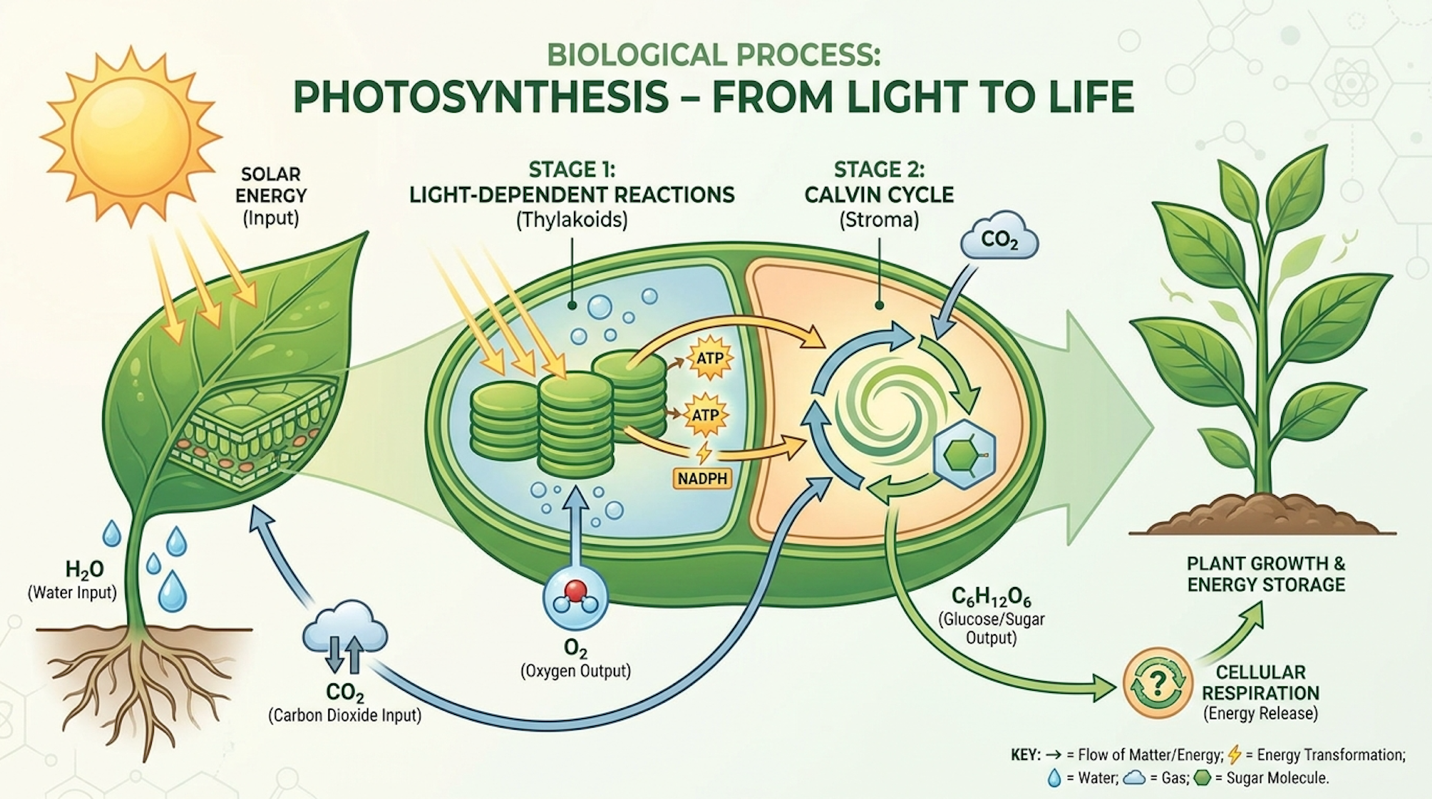
Figure 1: Localized UC-MSC paracrine signaling pathways demonstrating targeted reduction of reactive oxygen species within the pancreatic microenvironment. While stimulating new beta cell growth is absolutely critical, regeneration is biologically impossible if the underlying autoimmune attack remains active. You simply can’t rebuild a house while it is still on fire.
The core pathology of Type 1 Diabetes isn’t just a lack of insulin it is a rogue immune system aggressively hunting down healthy tissue. This is where UC-MSCs provide their most significant clinical value. They act as potent immune regulators. Clinical protocol reviews demonstrate that the most fascinating aspect of UC-MSC therapy is phenotypic macrophage reprogramming.
When introduced to an inflamed pancreas, these stem cells release prostaglandin E2 (PGE2) and indoleamine 2,3-dioxygenase (IDO). These biochemical signals literally force local macrophages to switch from a pro-inflammatory, tissue-destroying (M1) state to a tissue-repairing, anti-inflammatory (M2) state. They effectively rewrite the local immune microenvironment from the ground up.
| 📌 If you’d like the bigger picture of how MSCs regulate immune activity beyond diabetes specifically, our article, Mesenchymal Stem Cell Therapy for Immune Modulation, covers the underlying mechanisms in more depth. |
UC-MSCs also release specific cytokines, such as Interleukin-10 (IL-10) and Transforming Growth Factor-beta (TGF-β), which actively suppress the proliferation of CD4+ and CD8+ T cells. These are the exact autoreactive cells responsible for destroying your insulin-producing tissue.
Immunological pathway analysis confirms that UC-MSC therapy for autoimmune conditions relies on this targeted signaling to inhibit Toll-like receptor pathways and reduce pro-inflammatory tissue destruction. Furthermore, they promote the massive expansion of regulatory T-cells (Tregs). Tregs serve as the immune system’s peacekeepers, actively suppressing the autoreactive elements and restoring a state of immune tolerance that can persist long after the original stem cells have naturally cleared from the body.
Contrast this targeted immunomodulation therapy against traditional, broad-spectrum systemic immunosuppressants. Standard immunosuppressants act like a sledgehammer, knocking out your entire immune system and leaving you vulnerable to severe opportunistic infections. UC-MSCs act more like a targeted biological scalpel, delivering highly specific macrophage reprogramming that allows for immune tolerance without systemic vulnerability. Halting the autoimmune attack requires precise clinical timing, often working best during the “honeymoon phase” when residual beta cell mass still exists.
So, what does success actually look like? We must define type 1 diabetes homeostasis clinically. Symptom management means injecting synthetic insulin, calculating carbohydrate ratios, and reacting to blood glucose spikes. It is a continuous, exhausting mathematical equation. Cellular homeostasis, however, occurs when your body begins to auto-regulate its own glucose levels again, even if only partially.
Endocrinologists measure this using specific clinical markers. They aren’t just looking for HbA1c stabilization they are looking for a lack of severe hypoglycemic events and improvements in fasting and stimulated C-peptide tests. C-peptide is the biological byproduct of your body making its own insulin. Because exogenous injected insulin does not contain C-peptide, an increase in this biomarker proves definitively that your endogenous beta cells are functioning.
Recent metabolic outcome studies highlight the critical distinction between remission and a cure. Achieving homeostasis often results in a significantly reduced-insulin period that can last for months or even years. Medical literature strictly defines this as prolonged remission. It requires ongoing monitoring because the autoimmune memory of T1D is remarkably persistent. By establishing this baseline of immune tolerance, the physiological environment is primed for actual metabolic recovery. However, translating these complex molecular mechanisms from a laboratory setting into a clinical reality requires highly regulated, advanced medical infrastructure a factor driving many patients to evaluate international medical hubs.
Evaluating stem cell therapy in Bangkok requires separating luxury medical tourism marketing from actual clinical infrastructure. For patients analyzing Thailand stem cell therapy costs, the primary advantage is not simply financial arbitrage, but the legal and regulatory framework that allows internationally accredited facilities to provide advanced UC-MSC treatments. Many of these identical therapies remain bogged down in Phase 1 or 2 trials in Western jurisdictions, trapped in a bottleneck of pharmaceutical bureaucracy rather than clinical efficacy.
| 📌 If you’d like to understand the broader case for pursuing UC-MSC treatment in Thailand, our article, Why You Should Choose UC-MSC Stem Cells in Thailand, covers the regulatory and clinical advantages in more depth. |
Joint Commission International (JCI) accreditation guarantees that elite Bangkok medical facilities maintain operational safety standards identical to top-tier hospitals in North America or Europe. This regulatory environment allows Thai clinics to integrate highly cultivated UC-MSCs into standard clinical practice safely. By avoiding the massive financial overhead of Western Phase-3 biological drug classifications, these facilities deliver advanced immunomodulatory protocols without sacrificing laboratory sterility or strict endocrinological oversight.
Our evaluation of global treatment accessibility reveals stark realities about international healthcare economics. Accredited Thai hospitals reduce advanced cellular therapy costs by 60% allowing patients to access regenerative treatments without prohibitive financial barriers.
Thailand has positioned itself aggressively as a global leader in regenerative medicine, and they haven’t done it by cutting corners. The Thai Ministry of Public Health and the Thai FDA maintain
Here is the fundamental difference: As of 2026, the US FDA continues to classify expanded autologous or allogeneic stem cells as biological drugs. This classification triggers a rigid requirement for massive, multi-phase clinical trials that require immense pharmaceutical funding and frequently take a decade to complete. Thailand takes a dramatically different approach. They regulate cellular therapy under a strict medical practice framework. As long as the stem cells are cultivated in highly controlled, heavily monitored environments, licensed physicians can administer them to qualifying patients.
Top-tier facilities in Bangkok do not simply use standard hospital laboratories to handle these cells. They utilize ISO 14644-1 Class 5 or Class 7 certified cleanrooms operating under strict cGMP (Current Good Manufacturing Practice) compliance. This means the air quality, sterility, and handling protocols rival those of advanced pharmaceutical manufacturing facilities. They place an absolute premium on the biological viability, genetic stability, and sterility of the UC-MSCs.
A thorough review of regulatory health frameworks validates that Thailand’s cell therapy regulations effectively balance patient access with rigorous laboratory safety protocols. Because these therapies are integrated directly into standard, accredited medical practice rather than isolated to highly restrictive, self-funded academic research trials, the economic model shifts completely in favor of the patient.
When we analyze the financial realities of 2026, the data is stark. Stem cell therapies in Bangkok frequently operate within internationally accredited hospital frameworks, reducing overall treatment costs by 50% to 70% compared to equivalent experimental trials in the United States.
If you are researching the Thailand stem cell therapy cost, you are generally looking at a comprehensive package. This isn’t an à la carte medical bill where you are charged separately for every bandage, IV drip, and blood draw. The upfront fees cover cell cultivation, hospital administration, multi-specialist consultations, adjunctive therapies (like hyperbaric oxygen), and immediate post-treatment observation.
Let’s break down the comparative pricing as of early 2026:
| Region/Location | Regulatory Status | Estimated Cost Range (USD) | Included Clinical Services |
| Bangkok, Thailand | Medically Regulated | $15,000 – $30,000 | Pre-labs, ISO cell cultivation, IV/Arterial administration, 5-7 day hospital stay |
| United States | Experimental/Trial | $80,000+ (if self-funded) | Highly variable; often limited to heavily restricted academic cohorts |
| European Union | Experimental/Trial | €50,000 – €90,000 | Heavily restricted; usually requires complex compassionate use exemptions |
| Offshore Clinics | Loosely Regulated | $25,000 – $40,000 | Often lacks transparent C-peptide tracking or multi-day endocrinology support |

Figure 2: Average financial expenditure for UC-MSC protocols across major global medical jurisdictions. A $20,000 price tag is undeniably substantial. But compared to the lifetime cost of synthetic insulin, continuous glucose monitors, specialized endocrinology visits, and potential complication management, many patients view it as a calculated biological investment. And a recent international healthcare cost analysis underscores that the inflation of Western trial costs largely stems from administrative overhead, not necessarily a higher quality of cellular material.
Understanding the stem cell diabetes treatment process is critical for establishing realistic clinical expectations. For international patients getting stem cell therapy in Bangkok, the protocol is not a single outpatient injection, but a comprehensive, multi-day clinical intervention involving extensive pre-screening, localized or systemic administration, and rigorous post-treatment endocrinological monitoring.
| 📌 If you’d like a broader look at how UC-MSC therapy is being applied to diabetes care in Thailand, our article, UC-MSC Stem Cell Therapy for Diabetes in Thailand, covers that regenerative-medicine breakthrough in more depth. |
The T1D Cellular Homeostasis Threshold dictates that true biological recovery occurs gradually as the newly modulated immune system allows existing beta cells to heal and proliferate without constant inflammatory destruction. Consequently, immediate cessation of standard insulin protocols following treatment is both medically unsound and biologically dangerous. Patients must mentally prepare for a timeline that prioritizes steady, verifiable laboratory improvements over overnight miracles.
Based on our analysis of medical tourism logistics, managing post-infusion expectations is just as critical as the cell cultivation itself. Fasting C-peptide levels typically require 90 to 180 days to reflect meaningful increases confirming that beta cell regeneration is a gradual, systemic process.
The medical vetting starts weeks before you ever board a flight. Reputable facilities operate on a strict principle of clinical suitability assessment. They do not accept everyone who can simply pay the bill.
During your initial telemedicine consultation, the multidisciplinary team will require extensive, recent medical records. This includes your latest HbA1c, fasting and stimulated C-peptide levels, comprehensive autoantibody panels (specifically GAD65, IA-2, and ZnT8), and a detailed history of your glycemic control and disease duration.
Why is this gatekeeping so intense? Because patients with severe, irreversible long-term complications or absolute zero residual beta cell mass over decades of disease progression may simply be declined. The paracrine signaling mechanism requires some surviving tissue to rescue.
Strict clinical selection protocols ensure that only individuals with a genuine biological plausibility for success undergo the procedure. Upon medical clearance and arrival in Thailand, the active phase of the protocol begins.
The physical toll of the infusion is remarkably minimal, but the clinical schedule is dense. A standard protocol spans 5 to 7 days in-country to ensure total safety and prepare the body for maximum cellular uptake.
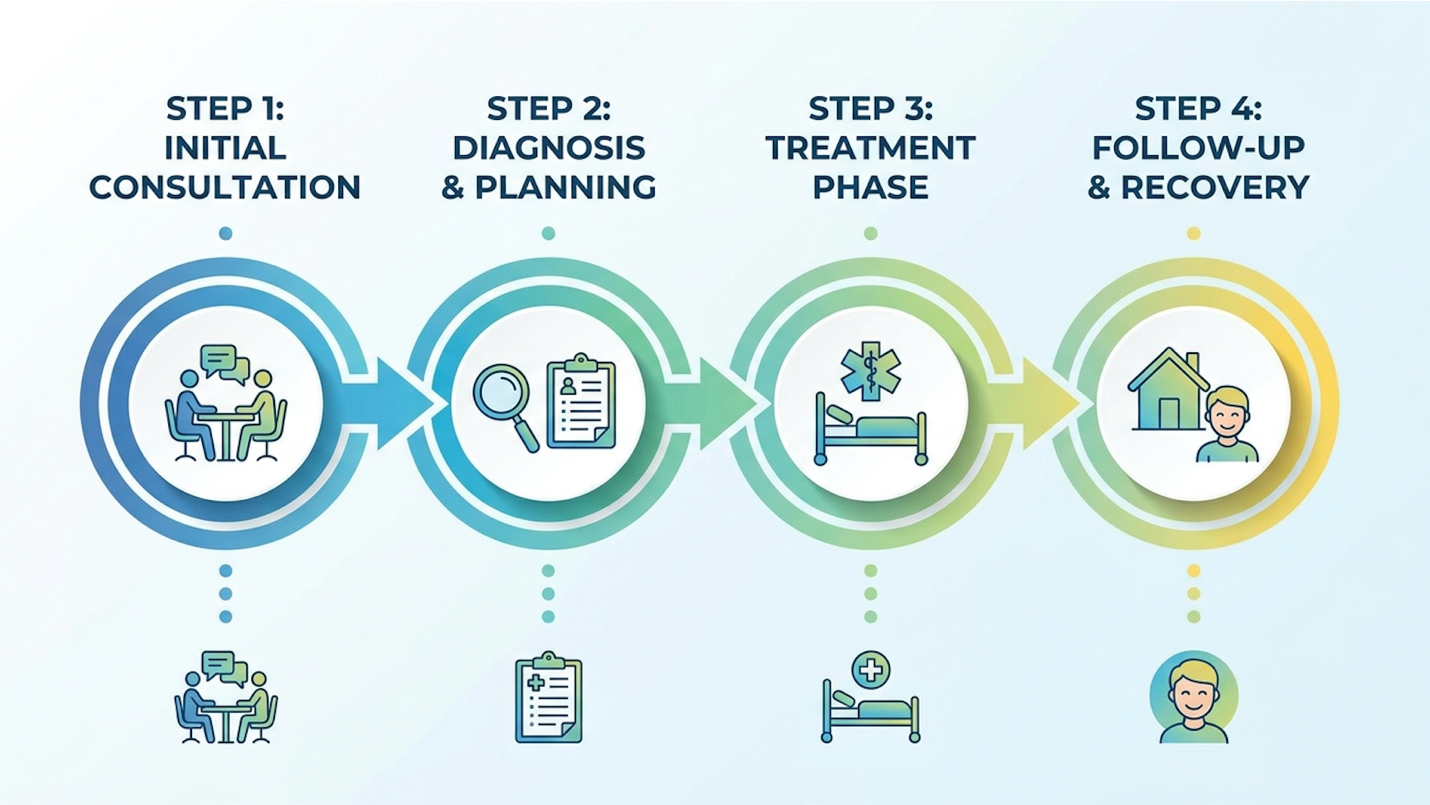
Figure 3: Standard 7-day clinical roadmap for international patients undergoing UC-MSC protocols in JCI-accredited Bangkok facilities.
This is where expectations must be managed firmly. Clinical improvements in Type 1 Diabetes following stem cell therapy are typically measured by C-peptide increases observed 3 to 6 months post-infusion, rather than immediate glycemic normalization.
Remember The T1D Cellular Homeostasis Threshold? Macrophage reprogramming and tissue regeneration are exceptionally slow, methodical biological processes. You cannot measure your type 1 diabetes stem cell results the week you get home. It takes time for the microenvironment to cool down and for the beta cells to restart meaningful production.
Standard endocrinological testing requires drawing fasting and stimulated C-peptide panels at 90, 180, and 365-day intervals. C-peptide levels after stem cell therapy provide the undeniable, biological truth of whether your beta cell mass has actually improved. A stimulated C-peptide test where you consume a measured glucose drink before the blood draw will specifically reveal how well your recovering beta cells respond to real-world metabolic stress.
Endocrinological outcome measurements from longitudinal studies dictate that standard insulin therapy MUST be strictly maintained post-treatment. You only taper your exogenous insulin under the direct, watchful supervision of your home endocrinologist once the laboratory data proves your endogenous production can safely take over the metabolic load.
So, how long does stem cell therapy take to work for type 1 diabetes? Because UC-MSCs rely on paracrine signaling to reprogram the immune system and gradually stimulate endogenous tissue repair, changes do not happen overnight.
Early glycemic stabilization often characterized by fewer severe blood sugar spikes or hypoglycemic crashes may occur within the first four to eight weeks as the systemic inflammation begins to cool down. However, definitive, measurable biological improvements usually take 3 to 6 months to manifest. During this window, the newly created regulatory T-cells are actively suppressing the autoimmune response, giving the surviving beta cells the biological breathing room required to duplicate and heal. Immediate cessation of insulin is never recommended during this period.
Through disciplined adherence to this timeline and continuous monitoring of C-peptide markers, patients and their endocrinologists can accurately assess if the cellular intervention has successfully altered the disease’s trajectory.
No medical intervention is universally successful, and cellular therapeutics carry specific contraindications. Navigating regenerative medicine safely requires recognizing common pitfalls in medical tourism, identifying when standard endocrinology remains the superior choice, and rigidly separating biological remission from functional cures in Type 1 diabetes.
Stem cell therapy is not appropriate for everyone. A rigid suitability assessment will identify patients who are better served remaining strictly within standard endocrinology protocols.
Patients suffering from highly brittle diabetes with extreme, unpredictable glycemic swings, severe diabetic nephropathy (kidney disease), or those currently battling active systemic infections are generally contraindicated for experimental cell therapies. Nephrology outcome reviews indicate that introducing powerful immunomodulators into patients with compromised renal function carries undue risk. In these complex scenarios, the physical toll of international travel and the unpredictable nature of immune modulation heavily outweighs the biological potential. For these individuals, adherence to advanced standard care specifically upgrading to the latest AI-driven closed-loop insulin pump systems remains the safest, most effective medical route to stabilize their condition.
Can stem cells truly cure type 1 diabetes? We have to be aggressively precise with our clinical vocabulary here. A temporary, or even a multi-year, decrease in exogenous insulin requirements is an incredible improvement in quality of life. Extending the “honeymoon phase” by preserving remaining beta cells delays severe vascular complications significantly.
But this is not a functional cure. Misinterpreting early biological improvements can lead to dangerous medical complacency. Even if you achieve a highly successful state of homeostasis where you require zero daily insulin injections for a period, T1D remains a chronic autoimmune condition. The underlying genetic predisposition simply does not disappear. You require lifelong HbA1c and autoantibody monitoring to ensure the disease does not quietly break through the new immune tolerance you have worked so hard to establish.
Stem cell therapy cannot currently cure type 1 diabetes. While advanced UC-MSC therapies have demonstrated the ability to induce prolonged clinical remission by halting autoimmune attacks and stimulating beta cell regeneration, the disease remains a chronic condition. Clinical data shows that some patients achieve significantly reduced exogenous insulin dependence, but these biological improvements are classified as metabolic homeostasis rather than a permanent cure. Patients must maintain continuous endocrinological monitoring.
The success rate for type 1 diabetes stem cell therapy varies significantly based on the patient’s baseline beta cell mass, disease duration, and specific protocol used. Clinical trials often report positive biological responses, such as increased C-peptide levels and reduced insulin requirements, in approximately 50% to 70% of carefully selected candidates. Success is generally higher when treatment occurs shortly after initial diagnosis. Results depend heavily on individual immunological responses.
When cultivated in highly regulated, ISO-certified cleanrooms, Umbilical Cord Mesenchymal Stromal Cells (UC-MSCs) present a remarkably robust safety profile. Unlike standard immunosuppressants, these cells do not broadly destroy the immune system, but rather deliver targeted immunomodulation. They are uniquely immune-privileged and lack significant HLA-DR expression, which drastically reduces the risk of rejection or graft-versus-host disease. Patients receive these therapies without requiring harsh tissue-matching protocols.
Comprehensive stem cell therapy in Thailand typically costs between $15,000 and $30,000 USD, depending on the clinical protocol and cell dosage required. This fee generally encompasses extensive pre-treatment laboratory testing, the cultivation of high-viability UC-MSCs in ISO-
There is no universally recognized cure for type 1 diabetes expected in 2026, though regenerative medicine is advancing rapidly. Current cellular therapies, including UC-MSC immunomodulation and islet cell transplantations, are highly effective at inducing prolonged remission and restoring metabolic homeostasis in qualifying patients. However, managing the underlying autoimmune response permanently remains the primary hurdle for researchers. Patients should focus on evidence-based treatments that improve quality of life today.
For patients evaluating international regenerative medicine, stem cell therapy for type 1 diabetes offers a scientifically grounded pathway toward metabolic stability, with Thai facilities providing accredited treatments at a fraction of Western costs. Clinical data indicates that UC-MSC infusions can successfully alter the disease’s autoimmune trajectory. The safest approach combines rigorous pre-treatment suitability assessments, highly controlled biological administration, and strict adherence to post-treatment endocrinological monitoring.
Reaching The T1D Cellular Homeostasis Threshold requires patience and realistic clinical expectations. Rather than chasing immediate, unproven cures, patients should focus on the measurable stabilization of C-peptide levels and the targeted reduction of exogenous insulin dependence facilitated by macrophage reprogramming. This incremental biological victory is what genuinely alters long-term health outcomes.
To determine if you are a candidate for advanced immunomodulation protocols, compile your recent HbA1c and autoantibody panels and request a clinical suitability assessment from a fully accredited regenerative specialist in Bangkok.
This article is for educational purposes only and does not replace consultation with a qualified medical professional.