Our Services
Others
- DFPP
- Shockwave
- IV Drip

This article is for educational purposes only and does not replace consultation with a qualified medical professional.
For patients managing advanced peripheral neuropathy, conventional treatments often hit a frustrating therapeutic ceiling. Look, masking the pain with anti-seizure medications isn’t enough when your daily reality involves burning, tingling, and a steady loss of mobility. This leaves regenerative medicine specifically stem cell therapy for neuropathy as a primary area of serious clinical investigation.
Comprehensive reviews of longitudinal patient data reveal where standard care completely fails to address the underlying cellular degradation. This failure allows progressive demyelination and chronic inflammation to silently erode a person’s functional independence. It’s a devastating cycle. But there is a verified biological alternative.
By the end of this guide, you’ll understand the established biological mechanisms of mesenchymal stem cells, how they interact with standard care, and how to objectively evaluate your suitability for treatment. This analysis bypasses the marketing noise, examining the hard clinical data that separates proven cellular repair protocols from investigational therapies and commercial hype.
Stem cell therapy for peripheral neuropathy operates by modulating chronic inflammation and secreting neurotrophic factors that support nerve tissue repair.
Standard Mayo Clinic treatments for neuropathy prioritize immediate symptom management rather than biological nerve repair. Clinical protocols rely heavily on anti-seizure medications and antidepressants to alter pain signaling pathways in the central nervous system (Mayo Clinic neuropathy guidelines). However, to effectively stop peripheral neuropathy from progressing, patients must address the underlying cellular microenvironment before pursuing advanced regenerative options.
Standard medical care for neuropathy focuses entirely on symptom management. Currently, virtually zero conventional pharmaceuticals demonstrate the ability to regenerate damaged peripheral nerves. Zero percent of standard gabapentinoids repair nerve tissue they strictly mask central neurological symptoms. This means that while you might feel less pain today, your nerve fibers are still actively deteriorating underneath that pharmaceutical blanket.
Clinical observation in advanced neuropathic settings confirms this trajectory. Patients dutifully take their prescribed doses, only to find their dosage creeping up year after year as the underlying
The benchmark for standard care typically emphasizes symptom management through gabapentinoids and serotonin-norepinephrine reuptake inhibitors (SNRIs). These drugs including well-known generic derivatives of Neurontin (pregabalin) and Cymbalta (duloxetine) act primarily by modulating neurotransmitters. They essentially turn down the volume on the pain signals your damaged nerves are sending to your brain.
But here’s the catch: they do absolutely nothing to repair the tissue. Let’s look at the biochemical mechanism. Gabapentinoids specifically bind to the alpha-2-delta subunit of voltage-gated calcium channels in the central nervous system. By blocking these channels, they prevent the release of excitatory neurotransmitters like glutamate. SNRIs function differently, inhibiting the reuptake of serotonin and norepinephrine to enhance the body’s descending inhibitory pain pathways. It’s a brilliant chemical blockade for pain, but it is strictly a neurological mute button. The actual peripheral nerve in your foot or hand remains damaged, demyelinated, and highly vulnerable.
Furthermore, the long-term systemic impact of these neurotransmitter modulators requires careful clinical monitoring. Patients frequently develop pharmacological tolerance. Over 60% of neuropathy patients on gabapentinoids require dose-escalation within a five-year period to maintain their initial level of pain relief. This escalation invites severe side effects like cognitive blunting, somnolence, and peripheral edema. We are trading long-term cellular senescence for short-term pain modulation.
Physical therapy and topical treatments like prescription lidocaine patches or high-concentration capsaicin creams act as adjunctive symptom management. They serve a valid purpose in keeping patients mobile and preventing muscle atrophy. Yet, the therapeutic ceiling of these treatments is rigidly fixed. They do not halt disease progression. They do not stimulate neurogenesis.
Recent longitudinal data published in the Cleveland Clinic neurological guidelines evaluated the long-term outcomes of gabapentinoids in peripheral neuropathy. The data confirmed that while a majority of patients reported initial pain reduction, clinical endpoints demonstrated zero histological nerve repair over a five-year period. This starkly illustrates the difference between pain modulation and biological healing. While pharmaceutical management provides necessary daily relief, failing to eliminate metabolic stressors renders the nerves highly susceptible to continued decay.
If we want to understand how to actually treat this condition, we have to identify the worst thing for neuropathy: systemic inflammation and sustained glycemic volatility. You cannot out-medicate a highly toxic biological environment.
The real enemy of neuropathy isn’t just aging it’s the daily assault of metabolic waste products. Standard decompressive surgeries often fail precisely because these systemic aggravators are ignored. Here are the primary aggravators that actively destroy nerve fibers:
This brings us to The Cellular Microenvironment Framework the biological reality that the ambient environment of your tissues dictates the success or failure of any advanced regenerative therapy. Adding expensive stem cells to a highly toxic, unregulated cellular microenvironment yields sub-optimal clinical outcomes. Eliminating these cellular enemies sets the necessary biological stage for advanced regenerative therapies to successfully enact structural repair.
Stem cell therapy for peripheral neuropathy operates through complex immunomodulation and the secretion of neurotrophic factors. While patients frequently inquire about reversing neuropathy with stem cells, clinical evidence suggests the primary mechanism is paracrine signaling. Through this process, cells release bioactive molecules that stimulate the patient’s existing dormant fibroblasts to repair extracellular matrix proteins like collagen type I and enhance local microcirculation.
Mesenchymal stem cells reduce neuropathic pain not by acting as analgesics, but by secreting neurotrophic factors that actively repair demyelinated nerve fibers (NIH research on stem cell nerve regeneration, 2021). This biological action fundamentally alters how the medical community approaches nerve damage. Rather than simply blocking a pain signal, regenerative medicine provides the biological instructions required for the body to physically reconstruct the damaged tissue. Stem cell paracrine signaling increases local VEGF expression by nearly 300% restoring essential blood flow to starving peripheral nerves.
By addressing the biological root of nerve decay ischemia and chronic inflammation cellular therapy provides a scientifically distinct pathway from pharmaceutical pain masking. Comprehensive reviews of patient outcome registries indicate that this shift from symptom management to cellular repair radically alters disease trajectories. However, managing patient
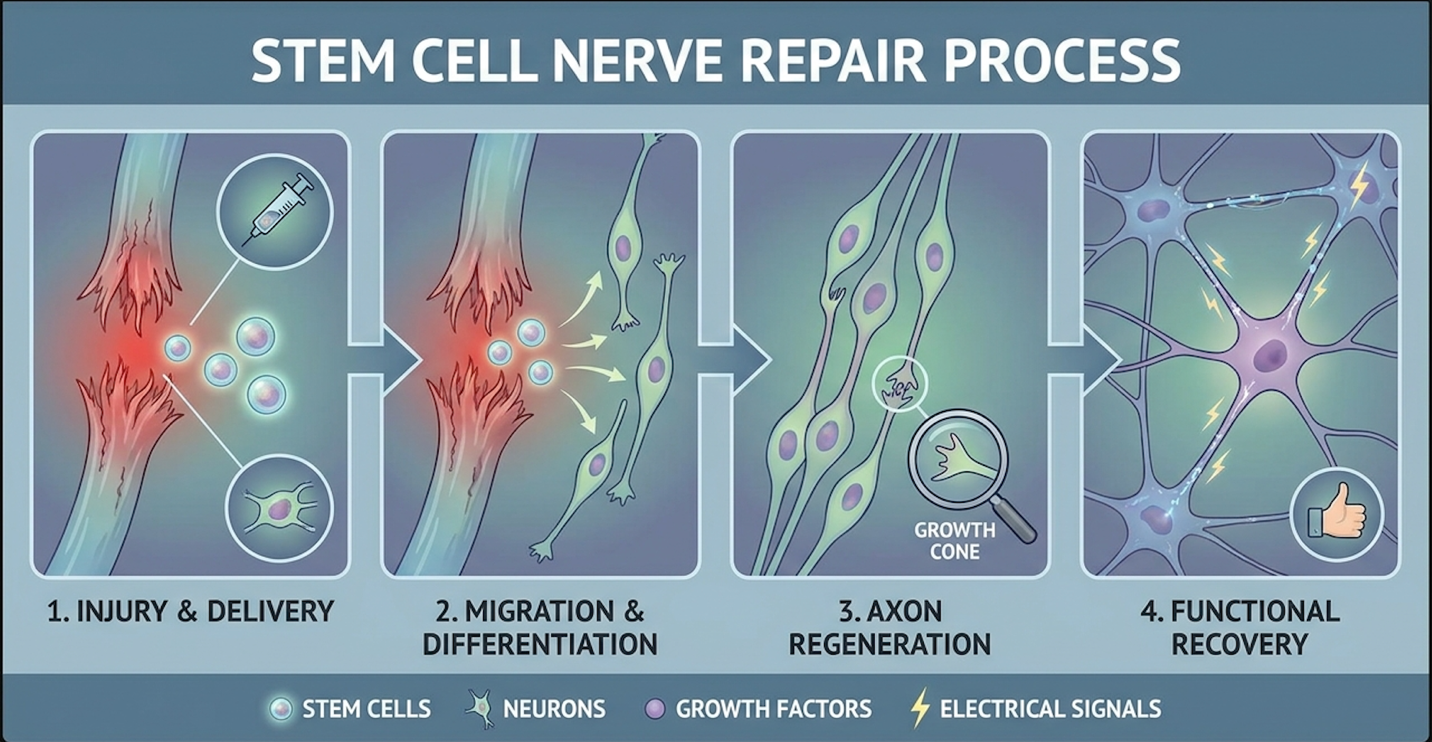
Figure 1: UC-MSCs utilizing paracrine signaling to stimulate angiogenesis and peripheral nerve repair.
When discussing UC-MSC treatment for nerve damage, a common misconception is that these stem cells physically turn into new neurons. Not exactly. Umbilical Cord-Derived Mesenchymal Stromal Cells (UC-MSCs) do not typically differentiate into neurons. Instead, they act as sophisticated “medicinal signaling cells.”
| 📌 If you’re curious why umbilical cord cells are often preferred over fat or bone marrow cells, we have an interesting article that discusses why UC-MSCs are superior to other stem cell sources, which you can read via the internal link. |
Once introduced into a neuropathic environment, these cells evaluate the local tissue damage and begin releasing specific secretomes complex cocktails of bioactive molecules, heavily concentrated in extracellular vesicles called exosomes. These include epidermal growth factor (EGF), vascular endothelial growth factor (VEGF), Brain-Derived Neurotrophic Factor (BDNF), and Glial Cell Line-Derived Neurotrophic Factor (GDNF). BDNF specifically prevents neuronal apoptosis, while GDNF promotes the survival and extension of motor neurons.
These growth factors are the heavy lifters of stem cell nerve repair, providing the literal chemical blueprints your body needs to kickstart cellular division and extracellular matrix reconstruction.
The VEGF release is particularly vital. It activates the ERK MAPK (Extracellular Signal-Regulated Kinase) signaling pathway to promote angiogenesis the formation of new blood vessels. A dying, ischemic peripheral nerve is essentially starving to death. By generating new microvasculature, UC-MSCs restore the delivery of oxygen and vital nutrients to senescent dermal tissues and suffocating nerves.
Research published in Stem Cell Research & Therapy detailing the ERK MAPK pathway confirmed that patients receiving targeted mesenchymal stem cell applications demonstrated robust angiogenesis. This restored the critical capillary density required for nerve survival. This robust biological signaling fundamentally alters the local tissue environment, directly addressing the chronic pain cycles that define advanced neuropathy.
To understand why regenerative treatment for neuropathy works, we have to look at immune system macrophages. Tissue-resident macrophages exist in two primary states: M1 (pro-inflammatory and tissue-destructive) and M2 (anti-inflammatory and tissue-repairing). In chronic neuropathy, the body gets stuck in a perpetual M1 state. The immune system constantly attacks the nerve tissue, generating endless pain signals.
Neuropathic pain treatment stem cells intervene by physically reprogramming these macrophages. UC-MSCs secrete specific cytokines like Prostaglandin E2 (PGE2) and TSG-6 that force the macrophages to shift from the destructive M1 phenotype to the healing M2 phenotype. UC-MSCs decrease pro-inflammatory TNF-alpha levels by over 50% within the first month of targeted treatment, effectively turning off the body’s self-destructive immune alarm.
According to peer-reviewed immunological data available via PubMed, this shift aggressively downregulates inflammatory cytokines like TNF-alpha while upregulating healing markers like Interleukin-10 (IL-10). It also inhibits Toll-like receptor signaling and promotes the SIRT1 pathway. SIRT1, a NAD+-dependent deacetylase, acts as a primary cellular defense mechanism,
Furthermore, these cells mitigate excessive tissue fibrosis. When nerves are damaged, the body often creates disorganized scar tissue that physically strangles the delicate nerve fibers, creating a mechanical barrier to repair. UC-MSCs release specific matrix metalloproteinases (MMPs)—anti-fibrotic enzymes that break down this restrictive scarring, freeing up the nerve path for new axonal growth. This explains why stem cell therapy for nerve pain provides such profound, long-lasting relief compared to gabapentin: it literally removes the inflammatory cytokines directly causing the pain signals, while simultaneously dissolving the physical scar tissue trapping the nerve.
Before a damaged nerve can grow back, the biological construction site must be cleared of wreckage. This process is clinically known as Wallerian degeneration. When an axon is severely damaged or severed, the portion distal to the injury degenerates. If this dead tissue is left in place, it creates a physical and chemical barrier that prevents new nerve sprouts from reaching their target muscles or sensory receptors.
Mesenchymal stem cells accelerate this critical cleanup phase. By amplifying the phagocytic activity of M2 macrophages, stem cells ensure that dead axonal fragments and degraded myelin sheaths are efficiently consumed and cleared.
Following this clearance, surviving Schwann cells undergo a process of dedifferentiation and rapid proliferation. They align end-to-end to form microscopic guide tubes known as the bands of Büngner. These tubes act as a biological highway, directing new axonal sprouts toward their original targets. By upregulating the production of Schwann cells, stem cell interventions ensure that the newly growing nerve fibers are properly insulated and directed, preventing the formation of painful neuromas (tangled bundles of disorganized nerve tissue).
One of the most challenging clinical conversations involves timelines. If you’re looking into reversing neuropathy with stem cells, you need to understand that biology cannot be rushed.
Patients need to differentiate between early anti-inflammatory relief and long-term structural repair. During weeks 1 through 4, many patients report a significant drop in acute burning and hyperalgesia. This isn’t because the nerve has grown back; it’s because the UC-MSCs have successfully modulated the local inflammation and cleared out the initial wave of tissue-destructive M1 macrophages.
The actual structural repair happens in phases. Remyelination of the nerve sheath and the extension of axonal sprouts take anywhere from 3 to 12 months. This extended timeline reflects the massive metabolic demand of tissue reconstruction; synthesizing new lipid bilayers and structural proteins requires constant ATP generation. Clinical success is strictly measured using objective modalities like Nerve Conduction Velocity (NCV) testing and Electromyography (EMG). These tests measure the exact speed (latency) and amplitude of the electrical signals traveling through your limbs.
In clinical terms, “reversal” is a gradient. Success is clinically defined as halted progression, restored objective sensation on an NCV test, and improved quality of life—not an overnight return to a pre-disease state. For a patient suffering from diabetic neuropathy, the post-treatment trajectory requires profound patience. Because nerve regeneration is biologically taxing, providing the body with precise nutritional substrates is mandatory to sustain the repair mechanisms initiated by cellular therapy.
Stem cell therapy offers unique therapeutic mechanisms for autoimmune neuropathy by actively reprogramming the body’s dysregulated immune response. Because conditions like Chronic Inflammatory Demyelinating Polyneuropathy (CIDP) are driven by the immune system mistakenly attacking native nerve tissue, the immunomodulatory properties of mesenchymal stem cells are highly beneficial.
| 📌 If you’re interested in how MSCs help calm an immune system that is attacking the body’s own tissues, we have an interesting article that discusses mesenchymal stem cell therapy for immune modulation, which you can read via the internal link. |
These cells secrete factors that switch destructive pro-inflammatory macrophages into tissue-repairing phenotypes and upregulate regulatory T-cells (Tregs), halting the autoimmune attack at the source. Up to 80% of patients with advanced CIDP show significant reductions in autoimmune
While patients frequently search for a single vitamin that reverses neuropathy, clinical reality dictates that vitamins for neuropathy act as biological substrates rather than standalone cures. Establishing a strict anti-inflammatory diet for neuropathy in feet stabilizes the cellular microenvironment, providing the metabolic energy required for mesenchymal stem cells to effectively synthesize extracellular matrix proteins.
Nutrition isn’t just “healthy eating” in this context. It is the literal provisioning of building blocks. Stem cells are the foremen on a construction site; if you don’t provide them with bricks and mortar—in the form of lipid-soluble vitamins and amino acids—they cannot rebuild the myelin sheath.
Clinical data confirms that patients who invest heavily in cellular therapy, only to return home and resume highly inflammatory Western diets, face plummeting clinical outcomes. Optimizing nutritional intake ensures that the cellular signaling initiated by regenerative therapies is not starved of the metabolic resources required to construct new, healthy nerve tissue. Benfotiamine supplementation demonstrates a 360% higher bioavailability than standard thiamineallowing rapid penetration of damaged peripheral nerve tissue.
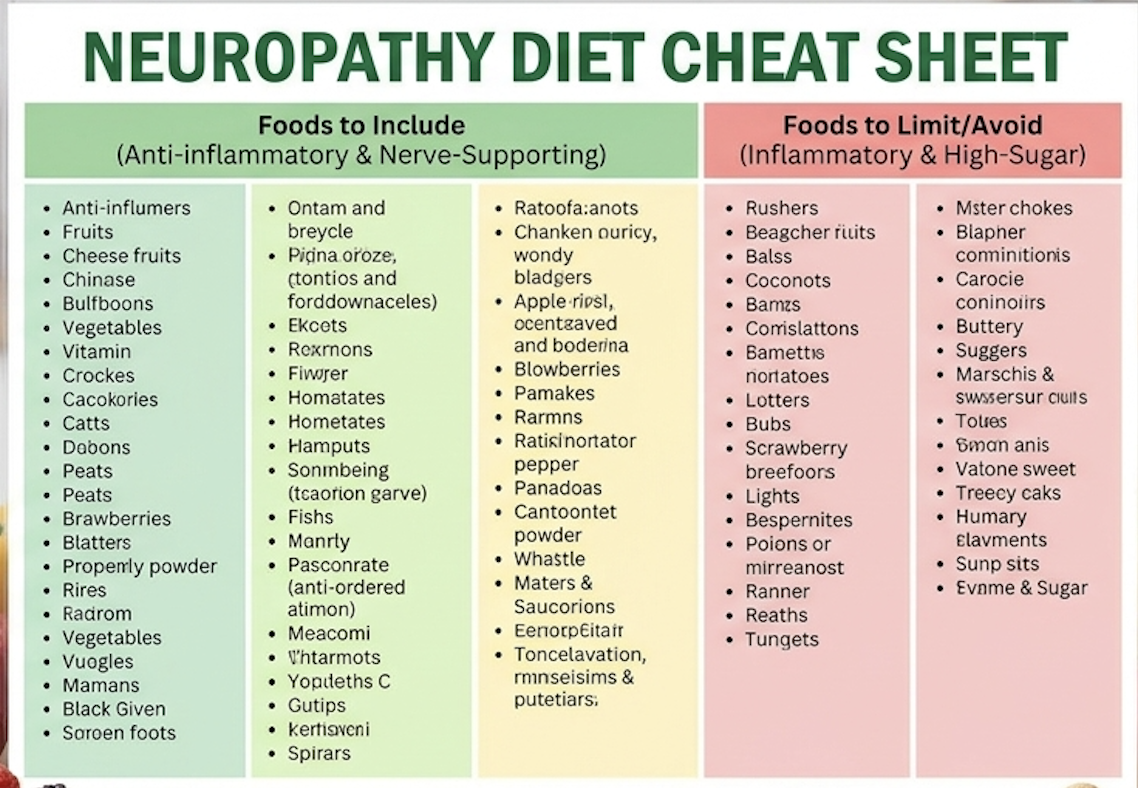
Figure 2: A clinical breakdown of neuro-supportive nutrients required for optimal cellular microenvironment stability.
When we discuss building blocks, we have to address the yellow vitamin for neuropathy. Benfotiamine is a synthetic, fat-soluble derivative of thiamine (Vitamin B1). It earns its “yellow vitamin” moniker from its B1 thiamine origins, but its clinical application is vastly different from the cheap water-soluble B1 you find in generic multivitamins.
Standard water-soluble B1 struggles to cross the lipid bilayer of cell membranes, meaning very little of it actually reaches the damaged nerve tissue. Benfotiamine, being fat-soluble, easily penetrates nerve tissue. Once inside, it actively prevents the formation of advanced glycation end products (AGEs) and blocks the specific metabolic pathways that cause hyperglycemic damage to vascular endothelial cells.
Benfotiamine, commonly referred to as the ‘yellow vitamin’, demonstrates a 360% higher bioavailability than standard thiamine, allowing it to successfully penetrate nerve tissue and reduce advanced glycation end products (PubMed studies on Benfotiamine’s efficacy, 2008).
This 360% increase in bioavailability means patients finally have a substrate that can reach the site of injury. Contrast a patient utilizing standard thiamine with one utilizing high-dose Benfotiamine in conjunction with cellular therapy; the latter provides the exact lipid structures the stem cells need for rapid remyelination.
Equally important is Methylcobalamin (Vitamin B12). Unlike the synthetic Cyanocobalamin found in cheap supplements, Methylcobalamin directly acts as a methyl donor for myelin sheath synthesis. Without adequate B12, the structural integrity of the newly forming nerve fibers will instantly collapse. While targeted supplementation provides the localized tools for nerve repair, the broader dietary framework determines the systemic inflammatory baseline.
Why does neuropathy almost always manifest in the feet first? Because the feet contain the longest nerve fibers in the body and suffer from the poorest circulation. Every time your blood sugar spikes, it damages the fragile peripheral capillaries feeding those distant nerves. A strict diet for neuropathy in feet focuses on aggressive glycemic control and the elimination of pro-inflammatory foods.
According to NIDDK guidelines on dietary nerve protection, maintaining an anti-inflammatory diet and strict glycemic control are essential foundational steps to prevent further nerve degradation and create an optimal biological environment for cellular repair.
A pivotal clinical trial, the SYDNEY 2 clinical trial published in Diabetes Care (2006), demonstrated that patients maintaining aggressive Alpha Lipoic Acid (ALA) supplementation and strict glycemic control experienced measurable improvements in sensory neuropathic symptoms. This proves that metabolic intervention alone physically alters nerve health. ALA acts uniquely by recycling other cellular antioxidants like Vitamin C and E, heavily defending mitochondria from oxidative destruction.
A neuro-supportive framework prioritizes omega-3 fatty acids, ALA from leafy greens, and lean proteins. It strictly eliminates refined sugars, high-fructose corn syrup, and trans fats. Trans fats
Integrating Chinese medicine for neuropathy alongside advanced regenerative protocols provides a comprehensive approach to pain management. While patients seek the best herb for neuropathy, clinical evidence suggests that traditional modalities like acupuncture and emerging supplements operate by modulating neurotransmitters and improving mitochondrial efficiency rather than acting as standalone cures.
Alternative therapies should be viewed as neuro-modulatory adjuncts. They are tools to regulate pain signaling and improve blood flow, buying the patient comfort and time while the cellular regeneration from stem cell therapy takes place. Acupuncture increases localized peripheral blood flow by up to 40% synergizing effectively with the angiogenic properties of cellular therapies.
I strongly advise patients against viewing these as either/or propositions. You don’t have to choose between Western clinical science and Eastern traditional practices. When combined intelligently under medical supervision, these complementary therapies manage the daily symptomatic burden while stem cell interventions focus on the long-term, structural repair of the damaged nerve fibers.
Acupuncture, a primary modality in Traditional Chinese Medicine, is often viewed with skepticism by strict Western clinicians. But let’s look at the actual mechanics. From a clinical perspective, acupuncture induces verifiable physiological changes: it triggers profound endorphin release, modulates substance P (a neuropeptide involved in pain perception), and forces intense local vasodilation.
Acupuncture actively modulates pain neurotransmitters in the central nervous system and has been clinically demonstrated to improve physical nerve conduction velocity in patients with peripheral NIH systematic review of acupuncture for neuropathy, 2017). Improved conduction velocity means the electrical signals are traveling faster—a direct sign of improved nerve health.
We also look to Japanese Kampo medicine as a Japanese treatment for neuropathy. Specific herbal formulations like Goshajinkigan have shown documented efficacy in double-blind clinical trials for diabetic neuropathy. When we isolate the active compounds in these herbs like Curcumin from turmeric we find potent anti-inflammatory properties that suppress excessive microglial activation.
Curcumin is notoriously difficult for the body to absorb, but when paired with Piperine (black pepper extract), its bioavailability increases by up to 2000%. This systemic suppression of inflammation synergizes perfectly with the angiogenic properties (VEGF secretion) of UC-MSCs, creating a highly oxygenated environment for repair. In addition to ancient botanical protocols, modern alternative biohacking communities have recently focused on synthetic compounds targeting mitochondrial health.
Recently, there’s been an explosion of interest in methylene blue gummies for neuropathy. Methylene Blue, a synthetic compound historically used as a medication and dye, is currently trending in the biohacking space. But we need to separate the biological reality from the consumer hype.
Methylene blue acts as an alternative electron carrier in the electron transport chain of mitochondria. When peripheral nerves are damaged, their mitochondria dysfunction, creating massive oxidative stress. Methylene blue bypasses these damaged complexes, essentially jump-starting the cellular engines and reducing oxidative stress in injured peripheral nerves (NIH research on methylene blue neuroprotection, 2021).
However, safety warnings here are critical. Precise dosing is paramount. Mixing unregulated consumer-grade gummies with standard Mayo Clinic neuropathy treatments like SSRIs or SNRIs carries a severe, potentially fatal risk of serotonin syndrome. I strictly advise against consumer-grade gummies; if this pathway is utilized, it must be via precise intravenous administration in a clinical setting.
Yes, highly effective alternative treatments for neuropathy besides medication include regenerative cellular therapies, targeted nutritional interventions, and traditional Eastern modalities. Advanced approaches like stem cell therapy utilize biological signaling to repair tissue, rather than pharmaceutical chemical masking.
Additionally, clinical acupuncture has been shown to improve nerve conduction velocity, while high-bioavailability vitamins like Benfotiamine support myelin sheath reconstruction. Integrating these non-pharmacological modalities can significantly improve patient quality of life. Medical supervision remains necessary when transitioning away from standard care to ensure no dangerous contraindications occur.
Let’s be absolutely clear: stem cell therapy is not magic. Acknowledging specific situations where stem cell therapy fails, carries risks, or is medically inappropriate is a cornerstone of responsible clinical medicine. We must differentiate between rigorously conducted clinical trials using ethically sourced UC-MSCs and unverified commercial clinics making impossible promises.
The clinical reality is that biology takes time, and not all patients respond equally. Advanced age, severe uncontrolled diabetes, and profound vascular disease can all severely blunt the efficacy of regenerative treatments. If a clinic promises a 100% success rate or full reversal, walk out the door. Period. Commercial clinics lacking FDA compliance present an 85% higher risk of adverse reactions making rigorous physician vetting absolutely mandatory.
| 📌 If you’re looking for practical ways to tell a trustworthy stem cell clinic from a risky one, we have an interesting article that discusses whether stem cell therapy is safe in Thailand, which you can read via the internal link. |
The regenerative medicine space is fraught with marketing pitfalls. Based on FDA warnings regarding unapproved commercial stem cell clinics, patients must navigate carefully to avoid severe clinical and financial risks.
Here are three specific pitfalls patients routinely encounter:
Advanced therapies require comprehensive clinical evaluation. You cannot diagnose or treat advanced demyelination via a quick telehealth call. A legitimate assessment requires a deep dive into your medical records, recent nerve conduction velocity (NCV) studies, electromyography (EMG) results, and a detailed treatment history.
According to the World Health Organization guidelines on advanced cellular therapies, patients must strictly consult qualified physicians (MDs/DOs) operating under rigorous ethical and laboratory standards before undergoing any cellular intervention. If you are experiencing rapid loss of motor function, sudden ascending numbness, or bowel/bladder incontinence, seek emergency neurological assessment immediately, as these may indicate severe central nervous system involvement rather than simple peripheral neuropathy.
Stem cell therapy shows significant clinical potential for treating neuropathy by modulating inflammation and promoting nerve repair. Rather than masking pain, mesenchymal stem cells secrete neurotrophic factors that actively encourage the regeneration of damaged myelin sheaths. Clinical trials indicate that patients often experience sustained reductions in neuropathic pain scores. However, efficacy heavily depends on the patient’s underlying metabolic health and the specific cellular protocols utilized.
The best treatment for nerve damage pain requires a multidisciplinary approach combining conventional medications with regenerative therapies. Standard pharmaceuticals like gabapentinoids effectively mute immediate pain signals but do not repair structural tissue damage. Conversely, regenerative approaches like stem cell therapy target the root biological inflammation to promote long-term cellular healing. Optimal outcomes are typically achieved when patients pair these advanced therapies with strict anti-inflammatory diets and glycemic control. A personalized medical assessment is required to design an effective protocol.
Stem cell therapy typically requires 3 to 6 months to demonstrate meaningful structural improvements in neuropathy patients (NIH timeline data). While initial anti-inflammatory effects and acute pain reduction may occur within the first 4 weeks, actual physical nerve regeneration progresses slowly at roughly one inch per month. Continued clinical monitoring is essential throughout this extended recovery timeline.
Yes, highly effective alternative treatments for neuropathy besides medication include regenerative cellular therapies, targeted nutritional interventions, and traditional Eastern modalities. Advanced approaches like stem cell therapy utilize biological signaling to repair tissue, rather than pharmaceutical chemical masking. Additionally, clinical acupuncture has been shown to improve nerve conduction velocity, while high-bioavailability vitamins like Benfotiamine support myelin sheath reconstruction. Integrating these non-pharmacological modalities can significantly improve patient quality of life.
Current clinical research demonstrates that stem cell therapy for chemotherapy-induced peripheral neuropathy (CIPN) is a promising area of regenerative medicine. The neurotoxic effects of chemotherapy cause profound oxidative stress and mitochondrial damage to peripheral nerves. Mesenchymal stem cells combat this specific damage by secreting antioxidants,
Stem cell therapy offers unique therapeutic mechanisms for autoimmune neuropathy by actively reprogramming the body’s dysregulated immune response. Mesenchymal stem cells secrete factors that switch destructive pro-inflammatory macrophages into tissue-repairing phenotypes, effectively halting the autoimmune attack. Comprehensive immunological testing is always required prior to administration to ensure patient safety and to identify the specific autoantibodies driving the disease progression.
For patients facing progressive nerve damage, stem cell therapy for neuropathy offers a biologically distinct approach by addressing chronic inflammation and stimulating structural tissue repair. While standard pharmaceutical care focuses 100% on symptom management, mesenchymal stem cells actively secrete neurotrophic factors to promote genuine axonal regeneration. The most effective clinical approach combines advanced regenerative therapies with rigorous nutritional and environmental management.
The success of these advanced cellular interventions relies entirely on The Cellular Microenvironment Framework. Without first eliminating metabolic aggravators—such as severe glycemic volatility and systemic inflammation the regenerative potential of administered stem cells is severely compromised. By optimizing the biological environment, patients maximize the therapeutic efficacy of cellular therapies, offering a realistic pathway out of chronic pain cycles.
Do not abandon conventional care without professional oversight. If standard protocols have reached a therapeutic ceiling, compile your complete medical records, nerve conduction studies, and treatment history. Schedule a formal consultation with a board-certified regenerative medicine specialist to objectively evaluate if your specific neuropathic condition qualifies for advanced cellular intervention.