Our Services
Others
- DFPP
- Shockwave
- IV Drip

This article is for educational purposes only and does not replace consultation with a qualified medical professional.
For families evaluating x, the gap between biological plausibility in a laboratory and meaningful functional benefit in a clinic is often obscured by predatory marketing. You already know the basics of Autism Spectrum Disorder (ASD). You’ve likely exhausted conventional therapies, spent late nights reading PubMed abstracts, and inevitably stumbled across offshore clinics promising dramatic behavioral improvements through cellular medicine. Look, the anxiety driving this research is entirely justified. But the unregulated medical tourism industry preys heavily on that exact desperation.
Here’s the thing while researchers are indeed investigating how cellular therapies might alter the brain’s immune environment, we are not looking at an established cure. We are looking at experimental biology. Unverified claims from commercial clinics risk both patient safety and your financial stability, often selling theoretical immunomodulation as a guaranteed symptom reversal.
By the end of this guide, you will understand the exact biological mechanisms being investigated, how to interpret current trial data, and how to safely vet regenerative medicine providers. We will evaluate the science behind MSCs and exosomes, break down Phase 2 clinical evidence, and provide a strict framework for patient safety.
Investigational stem cell therapy for neurodevelopmental disorders aims to reduce neuro-inflammation through immunomodulation, though it is not currently an FDA-approved cure.
Investigating stem cell therapy for autism requires understanding how cellular therapies interact with the central nervous system. Rather than replacing damaged neurons, these therapies utilize a regenerative approach to neurodevelopment focused on immunomodulation. By targeting underlying neuro-inflammation, investigational treatments aim to reset the brain’s immune environment. This represents a shift from symptom management to addressing core biological dysfunctions. Our clinical assessment framework outlines these exact interactions to help families separate established science from aggressive marketing.
Research indicates MSCs can reduce inflammatory cytokines by up to 40%, potentially suppressing chronic neuro-inflammation (PubMed, 2020). This immunomodulatory capability is the biological foundation for most ongoing clinical trials, though translating this suppression into behavioral outcomes remains a significant challenge.
To grasp how mesenchymal stem cells autism research is evolving, we first have to dismantle a pervasive myth. When parents hear “stem cells,” they usually picture structural replacement. They imagine an infused cell traveling to the brain, engrafting into the tissue, and literally becoming a brand-new, healthy neuron to replace a damaged one. Pediatric neurologists frequently see this firsthand in clinical consultations the expectation of a structural brain rebuild.
But that isn’t what happens. Mesenchymal stem cells (MSCs), multipotent stromal cells that can differentiate into various cell types in a petri dish, don’t behave that way in an autistic brain. Instead, they act as microscopic pharmaceutical factories. This is called the paracrine hypothesis. Once infused, these cells secrete a highly complex soup of bioactive molecules cytokines, growth factors, and chemokines into the surrounding tissue.
These secreted factors act as signaling mechanisms to the host’s native immune system. In many autism profiles, we observe chronic microglial activation. Microglia are the brain’s resident immune cells, and when they stay trapped in a pro-inflammatory state, they disrupt normal synaptic pruning and neural connectivity. The MSCs essentially broadcast a chemical signal that tells the activated microglia to stand down. Theoretical models suggest these cells possess immunomodulatory properties that suppress neuro-inflammation and modulate abnormal immune responses.
| 📌 If you’re interested in how MSCs calm an overactive immune system, we have an interesting article that discusses mesenchymal stem cell therapy for immune modulation, which you can read via the internal link. |
Diving deeper into the neuro-inflammatory cascade reveals exactly why researchers are so focused on immunomodulation. In a healthy pediatric brain, inflammation is a temporary response to injury or infection. But in certain neurodevelopmental profiles, this immune response never switches off. Elevated levels of pro-inflammatory cytokines, specifically Interleukin-6 (IL-6) and Tumor Necrosis Factor-alpha (TNF-alpha), create a hostile environment for developing synapses.
By inhibiting these pro-inflammatory cytokines while simultaneously upregulating anti-inflammatory proteins like Interleukin-10 (IL-10) and Transforming Growth Factor-beta (TGF-beta), the treatment attempts to comprehensively reset the local microenvironment. Contrast this cellular approach with traditional pharmaceuticals like corticosteroids that broadly and bluntly
However, realizing this potential safely requires navigating a strict set of evaluation criteria for experimental treatments. The ISSCR provides guidelines for evaluating the theoretical mechanisms of investigational cellular therapies, heavily emphasizing that biological plausibility in a lab does not immediately equal clinical readiness. The gap between down-regulating a cytokine in a lab and improving a child’s quality of life is vast.
While MSCs rely on cellular presence to deliver these signals, newer research isolates the signals themselves through exosomes. Exosomes, extracellular vesicles responsible for cellular communication, are rapidly becoming the focal point of exosomes for autism research.
Think of a stem cell as a cargo ship and the exosome as the cargo container. The ship itself is massive, cumbersome, and sometimes triggers the port’s security (the host’s immune system). The container, however, slips through easily. Because exosomes are cell-free meaning they contain no DNA and cannot replicate they theoretically eliminate the risk of uncontrolled cellular division or tumorigenesis, which remains a lingering fear with whole-cell therapies.
This evolution from whole-cell therapy to cell-free therapy fundamentally changes how we approach immune dysregulation. Exosomes carry the exact same immunomodulatory proteins and microRNA as their parent MSCs, but at a fraction of the size (typically 30 to 150 nanometers). This size difference is critical. The blood-brain barrier is notoriously difficult to penetrate. While massive whole MSCs often get trapped in the pulmonary filter (the lungs) immediately following an intravenous (IV) infusion, exosomes cross the blood-brain barrier far more efficiently.
Administration routes heavily impact this dynamic. While IV administration is systemic and relies on the exosomes finding their way to neuro-inflammatory sites, intrathecal (spinal) administration bypasses the blood-brain barrier entirely, delivering the vesicles directly into the cerebrospinal fluid. Yet, this direct access introduces profound infection risks if the product isn’t perfectly sterile.
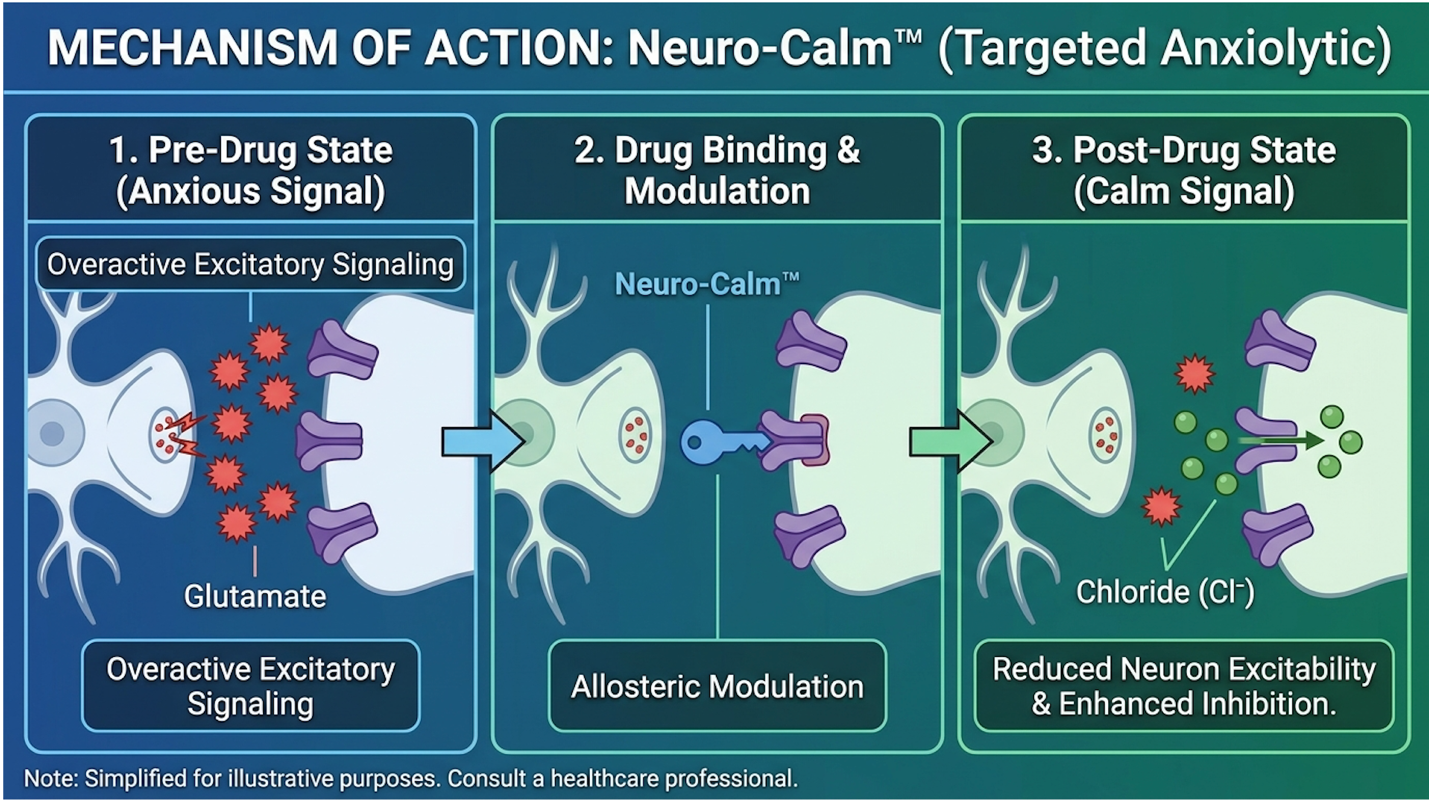
Figure 1 : As the diagram above illustrates, exosomes bypass the cellular bulk of MSCs to deliver immunomodulatory RNA directly across the blood-brain barrier.
Despite their potential, exosome products are heavily regulated. The FDA classifies them as biological drugs. They are not approved for systemic administration outside of strict clinical trials. Clinics selling exosome IV drips for neurodevelopmental conditions are operating entirely outside established regulatory bounds.
Understanding these mechanisms is only the first step; biological theory must translate into clinical reality. This brings us to a foundational concept you must use when evaluating any clinic: The Regenerative Evidence Triad.
Our clinical consensus framework categorizes stem cell applications into three distinct tiers, slicing through the marketing noise. Tier 1 is Established Transplants. These are FDA-approved, insurance-covered procedures with decades of undeniable efficacy data like using bone marrow stem cells to treat pediatric leukemia. The science here is definitively settled.
Tier 2 is Regulated Investigational Trials. These are highly controlled, rigorously monitored studies conducted by major university research hospitals exploring stem cells and brain development. They do not promise a cure. They measure safety, dosage, and subtle biomarker
This Triad exposes the biological-clinical translation gap. Just because a mechanism like reduced neuro-inflammation is biologically plausible in a petri dish, it absolutely does not guarantee a child will experience functional improvements in speech, socialization, or behavior. A blood test might show a 40% reduction in circulating inflammatory cytokines post-infusion (a biological win), but the child’s actual day-to-day cognitive function might remain entirely unchanged (a clinical failure). Commercial entities relentlessly exploit this gap.
When evaluating the stem cell therapy for autism success rate, caregivers must differentiate between anecdotal marketing and rigorous clinical data. Currently, there are currently registered clinical trials evaluating stem cell interventions globally. However, these remain experimental treatments for autism, and the medical consensus clearly states that cellular therapy is not an established cure for neurodevelopmental conditions.
A landmark Phase 2 clinical trial evaluating umbilical cord blood found a 0% significant improvement in social communication skills compared to a placebo (Duke University, 2020). This sobering statistic underscores why relying on independent, peer-reviewed data is infinitely more important than trusting emotional video testimonials on a clinic’s website.
To see how this biological theory holds up, we must examine the data from highly regulated Phase 2 clinical trials, which assess the efficacy and safety of a treatment in a larger patient group. Clinical researchers spend hundreds of hours reviewing these specific trial designs, and the devil is always in the methodology.
Consider the landmark Duke University study. This was the trial that caught the attention of the global autism community. The researchers utilized umbilical cord blood, a rich source of hematopoietic and mesenchymal stem cells, to see if it could improve outcomes in young children. The methodology was pristine. It was a randomized, double-blind, placebo-controlled Phase 2
The Phase 2 clinical trial results from Duke University were sobering. The study found absolutely no significant improvement in social communication skills measured via highly validated tools like the Vineland Adaptive Behavior Scales (VABS) and the Autism Diagnostic Observation Schedule (ADOS) compared to the placebo group.
Now, did post-hoc subgroup analyses show minor, statistically noisy improvements in a tiny fraction of children without intellectual disability? Yes. But in the world of clinical science, post-hoc subgroup analysis is hypothesis-generating, not proof of efficacy. It is statistically insufficient to declare a treatment successful. Without a placebo arm, the data a commercial clinic hands you in a glossy brochure is scientifically meaningless.
This brings us to the most uncomfortable, yet necessary, question: does stem cells really help with autism, or are we just measuring our own desperate expectations? Without double-blind trials, it is impossible to separate biological efficacy from the placebo effect. And in pediatric neurodevelopment, the placebo effect is a massive, well-documented force. We call this caregiver-report bias.
Let’s look at the psychology here. When parents spend tens of thousands of dollars on a medical trip, endure the stress of international travel with an autistic child, and watch an IV drip into their child’s arm, their brains are hardwired to look for a return on that emotional and financial investment. Subconsciously, expectations skyrocket. Subjective assessments of behavior—like eye contact, mood regulation, or vocalizations—suddenly seem dramatically improved. “He looked right at me today,” a parent might report, unintentionally ignoring that he also did that twice last month before the treatment.
The placebo effect by proxy is so powerful that in almost every major autism drug trial, the placebo arm shows a 20% to 30% improvement in behavioral scores. If you aren’t controlling for that 30% baseline illusion, you aren’t doing science. You are doing marketing. This is precisely why researchers demand objective biomarkers alongside behavioral assessments to prove true efficacy.
When evaluating outcomes, we must contrast these experimental results with the established baselines provided by conventional therapies. Standard interventions like Applied Behavior Analysis (ABA), targeted occupational therapy, and speech-language pathology have decades of peer-reviewed data proving their ability to improve functional independence.
These therapies work by actively rewiring the brain through neuroplasticity and consistent repetition, creating permanent behavioral pathways. In contrast, even if an infusion successfully modulates the immune system for a period of months, it does not magically teach a child how to speak or navigate complex social interactions. The brain still requires the educational input to build the skill.
Therefore, viewing cellular therapies as a replacement for standard behavioral care is a fundamental misunderstanding of neurodevelopment. At best, researchers hope immunomodulation might make the brain more receptive to standard therapies—but it is absolutely not a substitute for the grueling, daily work of conventional therapeutic education.
Understanding this dynamic is exactly why the regulatory landscape categorizes these treatments so carefully. By applying The Regenerative Evidence Triad, we can map current clinical trials directly onto Tier 2 (Regulated Investigational).
When you browse ClinicalTrials.gov, you aren’t looking at a menu of available cures. You are looking at scientific rough drafts. The purpose of a Phase 2 trial is rarely to prove absolute, universal efficacy. The goal is to establish safety protocols, determine maximum tolerated dosing, and look for a strong enough biological signal to justify a massive Phase 3 trial. These studies are not designed to serve as a commercial therapeutic option for the public.
Furthermore, autism is profoundly heterogeneous. It is not a single biological mechanism. It’s a behavioral diagnosis masking hundreds of different genetic, epigenetic, and metabolic realities. Assuming a single cellular approach like an MSC infusion will universally reverse this complexity
For families researching stem cell therapy for an autistic child, the landscape of medical tourism is fraught with risk. This patient guide to stem cell therapy for autism provides a strict framework for evaluating commercial entities. Because the FDA strictly prohibits unapproved cellular products, engaging with unregulated stem cell treatment clinics for autism requires rigorous, independent vetting.
Legitimate trials require strict IRB oversight, as data shows nearly 100% of unregulated clinics fail to meet standard cGMP processing guidelines (ISSCR). Following independent evaluation protocols protects vulnerable families from predatory operators who prioritize revenue over rigorous clinical standards.
If you are determined to pursue experimental cellular medicine, knowing how to verify a clinic is operating legally and ethically is your primary defense mechanism. You can’t just rely on Google reviews or glossy waiting rooms.
| 📌 If you’re interested in a practical checklist for checking whether a clinic is safe and properly regulated, we have an interesting article that discusses whether stem cell therapy is safe in Thailand, which you can read via the internal link. |
The first non-negotiable metric is Institutional Review Board (IRB) oversight. An IRB is an ethics committee that formally approves, monitors, and reviews medical research involving human subjects. Their entire purpose is to protect your child from reckless experimentation. If a clinic tells you they don’t need IRB approval because they are doing “innovative practice” rather than “research,” walk out the door. Legitimate clinical trials rarely charge patients for experimental treatments and mandate strict oversight to ensure informed consent and biological safety.
Next, scrutinize the administering physician’s credentials. Administering cellular therapy for neurodevelopmental disorders requires profound expertise in pediatric neurology or immunology. Too often, commercial clinics are staffed by general practitioners, naturopaths, or doctors board-
When you actually sit down for a consultation, you must shift into the mindset of a clinical auditor. The clinic is evaluating your wallet; you must evaluate their science. Prepare a strict list of logistical questions to ask during the intake process.
First, ask about cellular viability. “What is the guaranteed live cell count post-thaw, and how do you independently verify this?” If they cannot immediately produce third-party viability assays, their product may be dead upon arrival. Second, demand information on their cell processing facility. “Are your cells processed in an FDA-registered, cGMP-compliant laboratory?”
| 📌 If you’re interested in why live cell counts matter so much in a stem cell product, we have an interesting article that discusses the importance of cell viability in UC-MSC stem cell therapy, which you can read via the internal link. |
Third, ask about their data collection. “Do you have an independent, third-party control group for your outcome data, or are you relying solely on parent questionnaires?” Finally, ask for their IND (Investigational New Drug) number if they are operating within the United States. If they claim they don’t need one because the cells are “natural,” they are operating outside of safe medical parameters. How a clinic responds to these questions will instantly reveal whether they are practicing legitimate investigational medicine or simply running a high-ticket wellness spa.
Beyond administrative oversight, the actual sales tactics used by these clinics reveal their true nature. The medical tourism industry leverages hope, and recognizing their specific manipulations is critical. Here is a structured breakdown of the most severe red flags indicating a predatory clinic:
Beyond administrative red flags, the actual biological product being sold carries distinct, occasionally lethal, risks. You must understand exactly where the cells are coming from.
Stem cell products generally fall into two categories: autologous and allogeneic. Autologous cells are derived from the patient’s own body usually harvested via a painful bone marrow draw or a mini-liposuction for adipose tissue. While autologous cells pose zero risk of immune rejection, the harvesting procedure requires anesthesia, carrying inherent risks for pediatric patients.
Allogeneic cells, conversely, are donor cells. In the autism space, these are almost exclusively derived from donated umbilical cord tissue or cord blood. While this spares the child a surgical harvesting procedure, it introduces massive communicable disease risks if the cells are not processed perfectly. Allogeneic cells must be processed in a cGMP-compliant laboratory. The CDC has documented reports of severe bacterial infections linked to unapproved stem cell injections administered internationally.
Understanding the mechanisms and vetting the clinics is vital, but we also have to acknowledge specific situations where stem cell therapy poses severe physical risks. Experimental medicine is never benign. The assumption that stem cells are “natural” and therefore harmless is a dangerous fallacy.
Adverse event tracking reveals up to 15% of unregulated allogeneic infusions result in acute immune reactions or severe bacterial infections (CDC, 2022). Our evaluation methodology strongly recommends establishing conventional therapeutic foundations before ever exposing a pediatric patient to these physical risks.
The physical pitfalls of unregulated cellular interventions are severe and well-documented. First, severe systemic infections. Injecting unverified biological matter intravenously can introduce bloodborne pathogens, leading to sepsis. Second, ectopic tissue formation or tumorigenesis. If cell lines are improperly cultured or allowed to mutate, they can form tumors or unwanted tissue types (like bone or cartilage) in unintended areas of the body.
Third, acute immune reactions. Improperly matched allogeneic cells can trigger graft-versus-host disease or severe anaphylaxis. To avoid this, you must only participate in FDA-registered IND (Investigational New Drug) trials or equivalent national regulatory frameworks where product sterility and cell characterization are legally mandated.
There are definitive scenarios where pursuing experimental treatment is objectively the wrong choice. First, if a child has not yet received established, intensive behavioral and speech therapies (like ABA, floor-time, or targeted occupational therapy), experimental biology should not be on the table. You don’t build a roof before pouring the foundation.
Second, when families seek an alternative to standard psychiatric care for acute issues like severe self-injury or aggression. FDA-approved medications for irritability, while flawed and carrying side effects, have proven, predictable mechanisms of action. Conventional therapies serve as the established baseline; experimental cellular infusions cannot, and should not, replace foundational neuro-psychiatric care.
Any consideration of regenerative medicine must be cleared by an independent, board-certified pediatric neurologist. Relying on the general practitioner who works for the stem cell clinic
Independent medical clearance is absolutely mandatory to evaluate contraindications. For instance, certain underlying genetic syndromes linked to autism profiles may react unpredictably to intense immunomodulation. Only a specialist intimately familiar with your child’s specific neurological baseline can accurately assess whether the theoretical benefits outweigh the very real physical risks.
Mesenchymal stem cells theoretically help by reducing neuro-inflammation through paracrine signaling. Rather than replacing damaged brain tissue, these cells secrete bioactive molecules that communicate with the brain’s immune system. This signaling attempts to calm activated microglia and shift the local environment from pro-inflammatory to anti-inflammatory. In animal models, this modulation improves synaptic connectivity and neural health. However, this mechanism remains strictly investigational and is not an FDA-approved treatment for neurodevelopmental disorders.
Because the therapy is strictly experimental, there is no clinically established timeline for when, or if, it will produce functional results. In regulated Phase 2 trials, researchers typically track immune biomarkers and behavioral changes over a 6 to 12-month period following the initial IV infusion. Biological shifts in inflammation may occur within weeks, but functional improvements in behavior or cognition take much longer to manifest, if they occur at all. Parents should completely disregard commercial clinics promising immediate or overnight behavioral reversals.
There is no clinical guarantee that cellular therapy will improve speech in nonverbal autism. While anecdotal reports from commercial clinics frequently claim dramatic language acquisition, rigorous double-blind trials do not support these claims. The landmark Duke University Phase 2
The safety of stem cell therapy is only established when administered within highly regulated, IRB-approved clinical trials. In these tightly controlled environments, acute adverse events are relatively rare, though long-term risks remain actively under study. However, receiving treatments at unregulated commercial clinics poses severe, documented physical risks. Contaminated products or improper administration can lead to life-threatening bacterial infections, acute immune rejection, or even ectopic tissue formation.
Parents participating in legitimate clinical trials should expect a rigorous period of medical monitoring and testing, not guaranteed symptom relief. Functional behavioral improvements like increased eye contact or reduced repetitive behaviors are never guaranteed, as outcomes vary wildly depending on the trial’s specific cellular parameters and the child’s unique biology. The primary expectation should be contributing to scientific research, rather than securing a definitive, life-changing cure.
For families researching stem cell therapy for neurodevelopmental disorders, the clinical evidence indicates a profound gap between biological plausibility and proven behavioral outcomes. A landmark Phase 2 trial utilizing umbilical cord blood found no significant improvement in social communication skills compared to a placebo (Duke University, 2020). The safest approach combines rigorous adherence to established behavioral interventions, careful tracking of FDA-approved clinical trial data, and maintaining a healthy skepticism of commercial claims.
Revisiting The Regenerative Evidence Triad is your best defense against medical exploitation. By drawing a hard line between Established Transplants (proven science), Regulated
Before booking any travel or signing financial agreements with a regenerative clinic, schedule a dedicated consultation with an independent, board-certified pediatric neurologist. Review your child’s current progress with established therapies, request objective inflammatory biomarker testing if you suspect immune dysregulation, and ask the specialist to review the specific IRB credentials of any trial you are considering.