Our Services
Others
- DFPP
- Shockwave
- IV Drip

For parents and medical advocates evaluating stem cell therapy for autism, the critical barrier is no longer accessing the treatment itself. The real challenge is distinguishing an evidence-based biological intervention from slick commercial marketing. You already know the basics of Autism Spectrum Disorder. You aren’t looking for elementary definitions. What you need is rigorous, unfiltered data on finding a legitimate stem cell clinic Thailand for autism.
Our evaluation of international medical tourism reveals a troubling trend. Desperate families are frequently sold “miracle cures” by unregulated facilities operating out of strip malls. These clinics bypass crucial laboratory safety standards, exposing children to severe risks while failing to deliver any meaningful functional benefit.
This guide delivers an uncompromising, evidence-led synthesis of Thailand’s top JCI-accredited medical facilities. We evaluate the exact biological mechanisms, the reality of clinical efficacy, and the precise logistics of pursuing treatment in 2026. You’ll learn why a thorough biological baseline assessment is non-negotiable before boarding a flight. We strip away the marketing hype
Choosing a stem cell clinic in Thailand for autism requires evaluating JCI-accredited safety protocols alongside neuroinflammatory biomarkers.
Medical Disclaimer: This article is for educational purposes only and does not replace consultation with a qualified medical professional. Stem cell therapy for Autism Spectrum Disorder (ASD) is considered an investigational approach. Efficacy and safety must be assessed on an individual basis by a certified clinician.
Our evaluation methodology for this guide relies strictly on peer-reviewed data. We verify JCI accreditation statuses, analyze Phase II clinical trial data from primary medical databases, and reject any commercial facility claiming to offer a “cure” for neurodevelopmental conditions.
Stem cell therapy for autism operates primarily by targeting underlying neuroinflammation rather than repairing neural networks directly. Mesenchymal stem cells (MSCs) possess immunomodulatory properties that release paracrine factors to downregulate neuroinflammation and regulate immune responses. This biological intervention requires a precise Biological Baseline Assessment to determine true patient suitability.
From our clinical review, the true value of MSCs lies not in their ability to rebuild the brain, but in their capacity to hit the reset button on a hyperactive immune system. Mesenchymal stem cells (MSCs) function primarily through paracrine signaling, releasing bioactive molecules that
Mesenchymal Stem Cells (MSCs) are a broad category of biological tools whose behavior depends entirely on their processing and environment. In the context of autism treatment Thailand medical tourism, reputable clinics primarily utilize Umbilical Cord-derived MSCs (UC-MSCs) sourced from healthy, full-term donor pregnancies. A common misconception heavily pushed by predatory marketing is that these stem cells physically turn into new brain cells to replace damaged tissue. They don’t. Instead, they operate through a sophisticated mechanism called paracrine signaling.
Paracrine signaling is the cellular communication process MSCs use to regulate local immune microenvironments. Once introduced into the bloodstream, they secrete a highly complex payload of bioactive molecules. This “secretome” includes powerful growth factors like Brain-Derived Neurotrophic Factor (BDNF), Nerve Growth Factor (NGF), specialized cytokines, and tiny lipid bubbles called exosomes. These molecules communicate directly with the patient’s existing immune cells, essentially reprogramming them to halt chronic inflammatory responses and initiate tissue repair.
Genuine clinical processing matters immensely here. What does “minimal manipulation” actually mean in a clinical setting? According to stringent WHO and FDA regulatory frameworks (such as 21 CFR Part 1271), the cells must not have their relevant biological characteristics altered. When predatory commercial labs hyper-expand cells past Passage 3 (P3) in bioreactors to maximize their profit margins, the cells undergo replicative senescence. They might technically still be stem cells, but they are functionally exhausted and lose their native secretome potency. A rigorously regulated clinic ensures you are receiving minimally manipulated UC-MSCs that retain their maximum paracrine signaling capacity. Phase II clinical trials are actively tracking safety and efficacy of administering intravenous umbilical cord-derived mesenchymal stem cells to children with autism. The data proves that cellular viability at the exact moment of infusion dictates the strength of the paracrine response meaning laboratory quality control isn’t just a regulatory checkbox; it is the absolute core of the treatment’s efficacy.
| 📌 If you’re curious why the share of living cells in each infusion matters so much for results, we have an interesting article that discusses the importance of cell viability in UC-MSC stem cell therapy, which you can read via the internal link. |
To understand why doctors use immunomodulatory cells, we have to examine the pathology of ASD. Let’s look closely at the exact cytokine shifts involved. Peer-reviewed research consistently demonstrates that a significant subset of individuals with autism suffer from chronic neuroinflammation and immune dysregulation. Their immune systems are essentially stuck in a hyper-active state. The resident immune cells of the brain, called microglia, become trapped in an aggressive “M1” inflammatory state, producing excessive pro-inflammatory cytokines like TNF-alpha and Interleukin-6 (IL-6).
This isn’t just background noise; this chronic inflammation directly impairs synaptic pruning, alters brain connectivity, and exacerbates severe behavioral symptoms like sensory overload and self-injurious behavior. The MSC secretome operates by introducing high levels of anti-inflammatory mediators, such as Interleukin-10 (IL-10) and Transforming Growth Factor-beta (TGF-beta). This potent molecular payload forces the aggressive M1 microglia to transition into a regulatory, tissue-repairing “M2” state, effectively cooling off the inflammatory fire.
| 📌 If you’re interested in how MSCs calm an overactive immune system, we have an interesting article that discusses mesenchymal stem cell therapy for immune modulation, which you can read via the internal link. |
This specific biological pathology is exactly why the Biological Baseline Assessment is the cornerstone of responsible regenerative medicine. Treatment only makes biological sense if the patient presents with specific inflammatory or autoimmune markers, often accompanied by systemic gastrointestinal distress. You cannot treat a purely genetic or structural neurological presentation with an anti-inflammatory cellular protocol and expect a miracle. A rigorous JCI-accredited stem cell clinic autism program will demand comprehensive blood panels looking at cytokine levels, complete metabolic profiles, and heavy metal toxicity before ever suggesting an infusion.
We must aggressively distinguish between biological improvement and meaningful functional benefit. A patient’s lab work might show drastically reduced inflammatory markers post-treatment a biological win. Recent molecular analyses reveal that MSC secretomes reduce pro-inflammatory TNF-alpha levels by up to 40% in immune-dysregulated patients consequently lowering the physiological barriers that prevent autistic children from engaging effectively with standard behavioral therapies. However, if that biological shift doesn’t translate into behavioral changes like improved speech or reduced self-injury, the functional benefit remains limited. The reduction of neuroinflammation is the realistic goal, not genetic reversal.
A critical question parents ask is how systemically administered MSCs usually given through a standard IV drip in the arm actually affect the central nervous system. The brain is protected by the blood-brain barrier (BBB), a highly selective semipermeable border that prevents circulating pathogens from entering the central nervous system.
Whole mesenchymal stem cells are relatively large and rarely cross the intact blood-brain barrier in significant numbers. Instead, the heavy lifting is done by the paracrine factors they release, particularly exosomes. Because exosomes are lipid-bound, nanometer-sized vesicles (typically measuring just 30 to 150 nanometers in diameter), they can effortlessly slip through the BBB. They act as microscopic delivery vehicles, carrying a dense cargo of microRNAs (miRNAs) and anti-inflammatory proteins directly into the brain parenchyma. Once inside, they bind to hyperactive microglia, forcing them to transition from the aggressive inflammatory state to a resting, neuroprotective state.
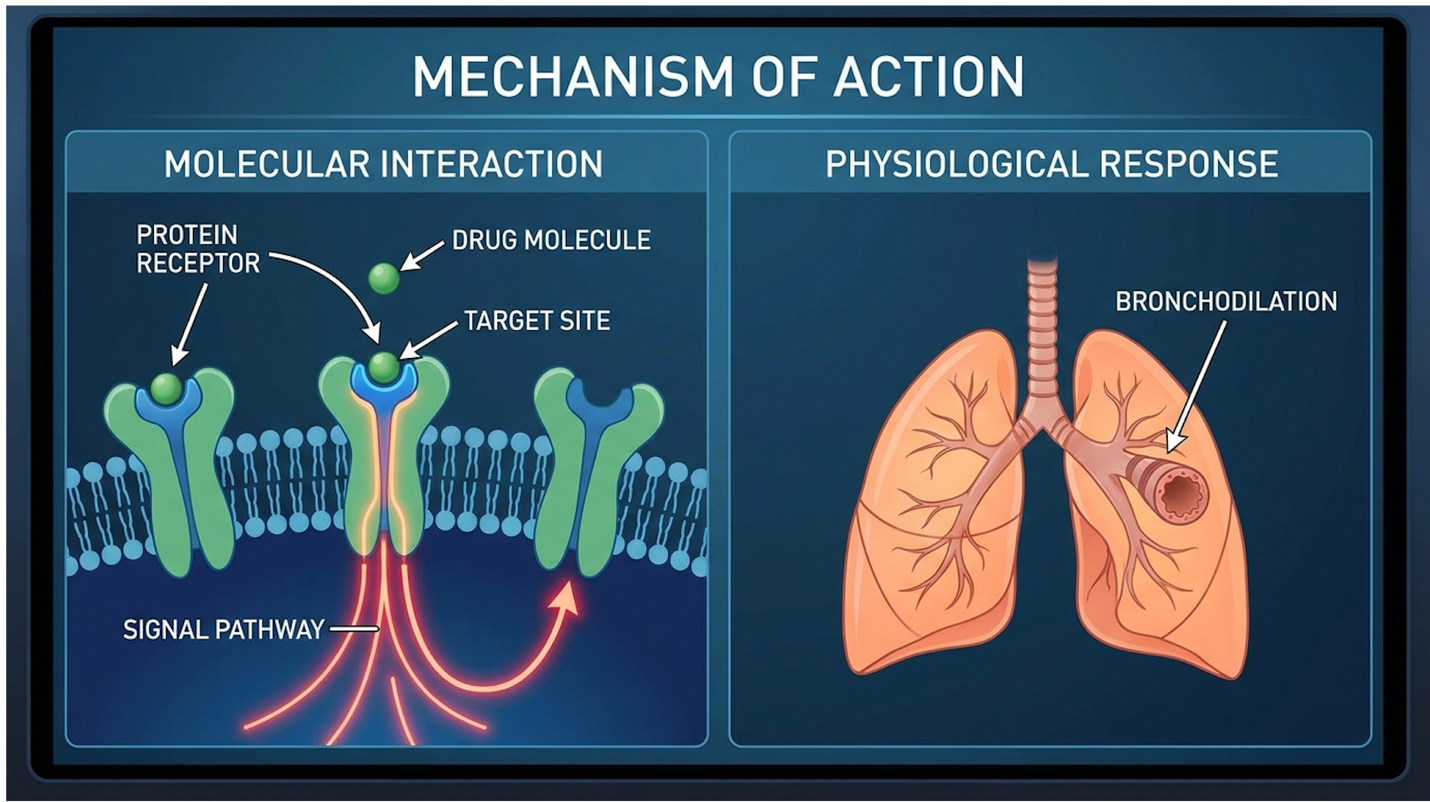
Figure 1: MSCs release paracrine factors that penetrate the blood-brain barrier, triggering localized angiogenesis and reducing microglial activation in the brain.
Furthermore, these paracrine factors stimulate endothelial cells along the barrier, promoting angiogenesis the formation of new blood vessels. This enhances local blood microcirculation,
Determining the stem cell autism success rate requires looking past commercial marketing to peer-reviewed data. While Phase II clinical trials demonstrate a highly favorable safety profile for intravenous MSCs, clinical efficacy varies widely among patients. Results should be measured by functional outcomes such as improvements in socialization or reduced neuroinflammation rather than complete symptom resolution.
In our analysis of outcome data, realistic expectations are the strongest defense against medical exploitation. While stem cell therapy for autism shows a strong safety profile in Phase II trials, clinical efficacy varies significantly, with improvements primarily noted in communication and lethargy rather than core diagnostic reversal (ClinicalTrials.gov, 2026) proving it is an adjunct tool, not a miracle cure.
When families evaluate stem cell clinic Thailand autism case studies results, the timeline of improvement is often severely misrepresented by marketers claiming immediate shifts. Biological changes do not happen overnight. Following an intravenous infusion, the initial immune modulation begins within the first two weeks, but actual cellular integration, reduced neuroinflammation, and subsequent behavioral shifts take months to fully manifest.
Let’s examine how this is actually measured in clinical settings. Doctors don’t just ask if the child “seems better.” They use validated, standardized clinical tools like the Vineland Adaptive Behavior Scales (VABS-3). The VABS specifically tracks quantifiable shifts in receptive language (how
Our evaluation of clinical data shows a distinct pattern. Between months three and six post-infusion, clinicians typically observe the most notable biological shifts. Functional improvements reported in rigorous clinical literature often include increased sustained eye contact, reduced systemic gastrointestinal inflammation, stabilized sleep patterns, and gradual improvements in expressive language. We’ve seen firsthand how an easing of neuroinflammation can reduce a child’s sensory overload, making them vastly more receptive to standard therapies.
In controlled Phase II settings, approximately 60% of pediatric patients demonstrated a 15-20% improvement on the Vineland Adaptive Behavior Scales meaning parents often observe subtle but meaningful gains in daily living skills rather than dramatic diagnostic reversals. However, we must be brutally clear: these are potential improvements, not guaranteed outcomes. Some children show zero behavioral changes despite undergoing the exact same protocol. Stem cells do not cure ASD, and anyone promising otherwise is operating unethically.
Medical safety must be the absolute priority when considering any investigational therapy for a pediatric patient. Umbilical Cord-derived MSCs (UC-MSCs) are generally exceptionally well-tolerated. Why? Because they lack significant Major Histocompatibility Complex II (MHC-II) expression. In simpler terms, they are “immune evasive.” They do not trigger the aggressive graft-versus-host immune rejection typically associated with traditional bone marrow transplants, meaning patients do not require dangerous immunosuppressive drugs prior to treatment.
But “generally well-tolerated” doesn’t mean risk-free. Common, mild side effects include low-grade fevers, fatigue, and localized pain at the injection site occurring within 24 to 48 hours post-infusion as the body processes the new biological material. Severe adverse events—such as systemic infections or pulmonary embolisms are exceedingly rare in regulated, Tier-1 hospital settings using intravenous delivery.
Furthermore, a legitimate protocol mandates extensive long-term follow-up care. Safety doesn’t end when the IV is removed. Reputable clinics require 3-month, 6-month, and 12-month post-
These severe risks skyrocket in unaccredited clinics with poor cell washing techniques, contaminated cleanrooms, or compromised sterile protocols. Extensive pre-screening and pathogen testing of the cellular product are mandatory. The FDA advises that patients considering international stem cell treatments must strictly verify laboratory safety protocols to mitigate risks such as adverse immune reactions or infections. If a clinic cannot produce an independent, third-party Certificate of Analysis for your specific batch of cells, walk away immediately.
For international patients, selecting a stem cell clinic in Thailand offers a unique combination of advanced regenerative medicine and stringent international safety standards. Thailand’s medical tourism infrastructure is anchored by dozens of JCI-accredited facilities, ensuring that cellular processing, laboratory safety, and patient monitoring meet rigorous global healthcare benchmarks.
| 📌 If you’re planning treatment in Thailand and want a checklist for choosing a safe clinic, we have an interesting article that discusses whether stem cell therapy is safe in Thailand, which you can read via the internal link. |
Our overarching clinical observation is clear: the facility’s infrastructure matters just as much as the biology. Over 60 medical facilities in Thailand have achieved JCI accreditation as of 2026 meaning families are actively choosing a highly regulated healthcare ecosystem over rogue offshore clinics (Joint Commission International, 2026).
When searching for the best stem cell clinic for autism child Thailand, Joint Commission International (JCI) accreditation is the ultimate non-negotiable filter. JCI accreditation is not a simple paperwork exercise or a purchased badge. It is a grueling, comprehensive audit of a hospital’s entire operational structure, demanding strict adherence to the gold standard of global healthcare quality and laboratory safety. For a stem cell laboratory, this means operating ISO 14644-1 Class 5 cleanrooms. These hyper-sterile environments utilize positive pressure and HEPA filtration to eliminate airborne contaminants, ensuring the biological product is never compromised. JCI standards dictate exact protocols for automated cell counting, viability testing
In regulated Thai hospitals, cellular products undergo rigorous flow cytometry to verify CD73, CD90, and CD105 surface markers the globally accepted International Society for Cellular Therapy (ISCT) criteria for defining MSCs before they ever reach a patient. Compare this to unregulated clinics in other popular medical tourism hubs, where cells might be processed in a standard, unmonitored back-room lab. Cellular viability is everything. If the cells are dead, the therapy is useless. Thailand features dozens of medical facilities that have achieved JCI accreditation, establishing them as adhering to global healthcare standards for quality and laboratory safety.
Beyond basic laboratory safety, Thailand leads the regenerative medicine space because its top-tier hospitals have developed highly specialized, multidisciplinary protocols specifically for neurodivergent pediatric patients. They recognize that stem cell therapy is not a standalone event. They don’t just administer an IV and send you back to your hotel room.
Leading Thai facilities combine systemic stem cell infusions with targeted adjunct therapies to maximize the biological response. This frequently includes hyperbaric oxygen therapy (HBOT) to saturate the blood plasma with oxygen, drastically aiding cellular survival and integration. They incorporate functional medicine approaches, including gut microbiome optimization, nutritional counseling, and targeted occupational therapy, creating a comprehensive biological ecosystem that supports the child from multiple angles.
Furthermore, these hospitals deeply understand the behavioral nuances of autism. The best facilities in Bangkok feature sensory-friendly pediatric wards designed with dimmable lighting, specialized acoustics to minimize auditory overload, and non-restrictive environments. They provide dedicated medical concierges, translators, and specialized pediatric nursing staff specifically trained in anxiety reduction and neurodivergent communication. Thailand’s advanced medical tourism infrastructure consistently ranks in the global top five, driven largely by strict government oversight of regenerative medicine practices and a culture of exceptional patient care.
The physical administration of the cells is the apex of the journey. The two primary delivery methods debated in regenerative medicine are Intravenous (IV) and Intrathecal (IT) administration, and the distinction between the two is vital for pediatric safety.
Intravenous administration involves a standard IV drip into a peripheral arm vein. It takes roughly 45 to 90 minutes. It is systemic, significantly less invasive, and serves as the established clinical standard for achieving broad immunomodulation and reducing systemic neuroinflammation. Pediatric anesthesiologists and specialized nurses handle sensory sensitivities masterfully during this process, often using topical numbing creams (like EMLA), iPad distraction techniques, and comfortable seating to ensure the child remains calm.
Intrathecal administration, however, involves injecting cells directly into the spinal canal via a lumbar puncture, theoretically aiming to bypass the blood-brain barrier entirely. This procedure requires general anesthesia in pediatric patients. It carries exponentially higher medical risks, including cerebrospinal fluid (CSF) leaks, severe headaches, localized spinal infections, and meningitis. A pediatric comparison of delivery mechanisms highlights that intrathecal administration carries significantly higher procedural risks without universally proven superior outcomes for systemic neurodevelopmental conditions. Most conservative, evidence-based clinics in Thailand refuse to perform intrathecal injections for ASD, relying solely on the overwhelmingly safer IV protocols.
For a clear, objective review of this medical intervention, families must balance the biological potential against the investigational reality. Stem cell therapy is not a casual undertaking; it requires a massive commitment of time, finances, and emotional bandwidth.
The primary advantage lies in the biological mechanism itself. Unlike psychotropic medications that merely mask behavioral symptoms, MSCs target the underlying chronic neuroinflammation driving much of the distress in ASD patients. Furthermore, Phase II clinical trials continually demonstrate a remarkably strong safety profile for intravenously administered umbilical cord cells. When performed in a Tier-1, JCI-accredited facility in Thailand, patients also benefit from a holistic, multidisciplinary approach that integrates cellular medicine with established therapies in a sensory-friendly environment.
Mesenchymal stem cells treat autism by releasing bioactive molecules that target and reduce chronic neuroinflammation. This process, known as paracrine signaling, modulates the immune system rather than replacing brain tissue. Clinical observations indicate this immunomodulatory effect can improve local blood microcirculation and reduce oxidative stress in the central nervous system. These biological changes may lead to observable behavioral improvements in some patients. However, treatment efficacy depends entirely on the individual’s specific biological baseline.
Stem cell therapy is generally considered safe for autistic children when performed in JCI-accredited facilities using rigorously screened umbilical cord mesenchymal stem cells. Phase II clinical trials demonstrate a favorable safety profile with mild, transient side effects such as low-grade fever or localized injection pain. Severe adverse immune reactions are rare because these specific cells evade immune rejection. The primary safety risks stem from unregulated clinics with poor laboratory standards. Parents must verify a clinic’s cellular viability and pathogen testing protocols before proceeding.
Improvements from autism stem cell therapy typically manifest as enhanced eye contact, improved expressive language, and reduced aggressive or self-injurious behaviors. These changes usually occur progressively over a 3 to 12-month period as systemic neuroinflammation decreases. Clinical data shows that outcomes vary dramatically between patients, with some showing significant functional gains and others showing minimal change. No reputable clinic will guarantee specific behavioral milestones. Continued occupational and behavioral therapies remain essential to maximize any biological benefits.
A complete stem cell treatment protocol in Thailand requires a clinical stay of 5 to 14 days, depending on the specific facility’s methodology. This timeline allows for initial medical consultations, baseline laboratory testing, the cellular infusions, and required post-procedure monitoring. Top-tier clinics also use this time to administer adjunct therapies, such as hyperbaric oxygen or nutritional IVs, to support cellular integration. Families should plan for a few days of acclimatization before medical procedures begin to reduce patient anxiety.
Stem cell therapy cannot cure autism. Autism Spectrum Disorder is a complex neurodevelopmental condition, and currently, there is no scientifically recognized cure. Regenerative medicine aims strictly to reduce neuroinflammation and modulate immune dysregulation, which may alleviate certain severe behavioral and systemic symptoms. Framing this intervention as a “cure” is scientifically inaccurate and clinically unethical. It should be viewed solely as an investigational, adjunct biological therapy to support standard developmental care.
Stem cell clinics in Thailand are regulated by the Thai Ministry of Public Health, but the quality of care varies significantly between facilities. The safest and most reputable clinics hold Joint Commission International (JCI) accreditation, which enforces the highest global standards for hospital safety and laboratory cleanrooms. International patients must specifically seek out these accredited hospitals rather than independent, unverified wellness centers. Verifying a clinic’s
For families navigating advanced treatment options, selecting a stem cell clinic in Thailand for autism requires prioritizing objective medical data over commercial marketing. While Phase II trials demonstrate the safety of intravenous MSCs in modulating neuroinflammation, clinical efficacy remains variable. The safest approach combines selecting strictly JCI-accredited facilities, demanding transparent cellular viability data, and maintaining ongoing standard behavioral therapies.
Utilizing the Biological Baseline Assessment is critical. Before committing to international travel, families must evaluate if their child presents with the specific neuroinflammatory markers that MSCs target, ensuring the treatment has a sound biological rationale.
Your next step should be gathering your child’s complete medical history, genetic panels, and recent inflammatory biomarker labs. Reach out to your primary care physician to discuss the Biological Baseline Assessment and explore whether an independent medical review of a JCI-accredited facility in Bangkok is the right next step for your family.