

Eczema, medically known as atopic dermatitis, is a chronic inflammatory skin condition that affects people of all ages. It commonly presents with symptoms such as persistent itching, redness, dry patches, and recurring skin irritation. For many individuals, eczema is not just a temporary skin problem but a long-term condition that can significantly influence physical comfort, sleep quality, and emotional well-being. Flare-ups may occur periodically, sometimes triggered by environmental factors, allergens, stress, or immune system imbalance.
The development of eczema is often linked to a combination of genetic predisposition, environmental exposure, and immune dysfunction. One of the key problems in eczema is the weakening of the skin’s natural protective barrier. When this barrier becomes compromised, irritants, allergens, and microbes can more easily penetrate the skin, leading to inflammation and itching.
Conventional eczema treatments generally focus on controlling symptoms rather than addressing the root causes of the condition. Therapies such as topical corticosteroids, antihistamines, moisturizers, and immunosuppressive medications may help reduce itching and inflammation. However, these approaches often provide only temporary relief and may require continuous use. Long-term reliance on certain medications, particularly corticosteroids, can also lead to side effects such as skin thinning and increased sensitivity.
In recent years, regenerative medicine has introduced a new potential strategy for eczema management. One promising development is the use of umbilical cord–derived mesenchymal stem cells (UC-MSCs). These cells possess regenerative and immune-regulating properties that may help repair damaged skin tissue and restore balance within the immune system.
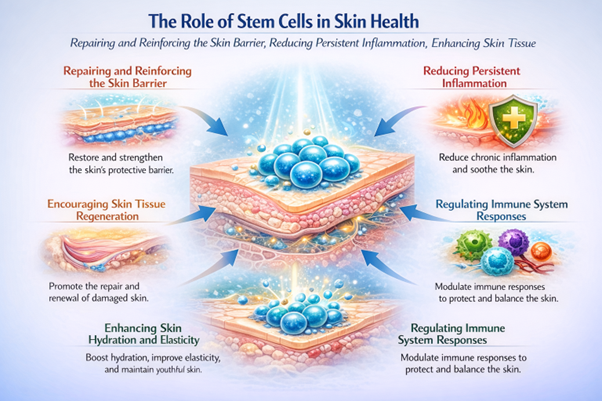
The Role of Stem Cells in Skin Health
In the treatment of eczema, stem cell therapy works through several biological mechanisms. These mechanisms include strengthening the skin barrier, reducing inflammation, stimulating tissue repair, improving hydration, and regulating immune activity.
Repairing and Reinforcing the Skin Barrier: One of the most significant problems in eczema is the breakdown of the skin’s protective barrier. Healthy skin acts as a shield that prevents irritants, allergens, and microorganisms from entering the body while also retaining moisture. In people with eczema, this barrier becomes weakened, allowing harmful substances to penetrate the skin and trigger inflammation.
Stem cell therapy may help restore the structure and function of this barrier. When stem cells are introduced into damaged areas, they can support the production of new skin cells that rebuild the outer layer of the skin, known as the epidermis. As new healthy cells develop, the skin barrier becomes stronger and more effective in protecting the body from environmental triggers.
Over time, improved barrier function can reduce the frequency of eczema flare-ups. With better protection against allergens and irritants, the skin may become less reactive and more resilient.
Reducing Persistent Inflammation: Stem cells have been shown to possess powerful anti-inflammatory properties. These cells release a variety of signaling molecules, including cytokines and growth factors, that help regulate immune activity. By calming the immune response, stem cells can reduce inflammation in affected skin areas.
Lower levels of inflammation not only relieve symptoms but also help prevent further damage to the skin. As the inflammatory cycle is interrupted, the skin has a better opportunity to recover and regenerate.
Encouraging Skin Tissue Regeneration: Stem cells have the ability to differentiate into various types of skin cells, including keratinocytes and fibroblasts. Keratinocytes are responsible for forming the outer protective layer of the skin, while fibroblasts produce connective tissue components such as collagen.
By stimulating the formation of these essential cells, stem cell therapy may support the regeneration of healthier skin tissue. This process can gradually improve the appearance and strength of the skin, making it smoother and more resistant to irritation.
Enhancing Skin Hydration and Elasticity: Stem cells may help address by encouraging the production of important structural proteins such as collagen and elastin. These proteins contribute to skin elasticity, strength, and the ability to retain moisture. As their production increases, the skin becomes better able to maintain hydration.
Improved hydration can significantly reduce symptoms associated with eczema. Well-moisturized skin is less likely to crack or become irritated, which helps prevent flare-ups and improves overall comfort.
Regulating Immune System Responses: Stem cells have the ability to influence immune cell behavior. They interact with immune cells such as T lymphocytes and dendritic cells, helping to regulate their activity. Instead of allowing the immune system to overreact, stem cells encourage a more balanced response.
Through this immune modulation, stem cell therapy may help reduce the severity and frequency of eczema flare-ups. By addressing the underlying immune dysfunction, the therapy targets one of the fundamental causes of the disease.
Long-Term Potential Compared with Conventional Treatments
Traditional eczema treatments are mainly designed to control symptoms. Moisturizers help maintain hydration, while medications reduce inflammation and itching. Although these therapies can be effective for short-term relief, they often do not address the deeper biological issues that contribute to eczema.
Stem cell therapy offers a different approach by targeting the underlying mechanisms of the condition. Instead of focusing solely on symptom management, regenerative therapy aims to repair damaged skin tissues, strengthen the protective barrier, and normalize immune function.
Because of these effects, stem cell therapy may provide longer-lasting improvements in skin health. Patients may experience fewer flare-ups and reduced reliance on daily medications or topical treatments.
Conclusion
Eczema can be a challenging condition that affects both physical comfort and emotional well-being. While conventional treatments can help manage symptoms, they may not always provide lasting relief for individuals with persistent or severe eczema.
UC-MSC stem cell therapy represents a promising regenerative approach that focuses on healing the skin at a deeper level. By strengthening the skin barrier, reducing inflammation, promoting tissue regeneration, improving hydration, and regulating immune responses, this therapy addresses many of the key factors involved in eczema.
Stem cell–based therapies may become an increasingly important option in dermatology. For individuals seeking innovative solutions for chronic eczema, regenerative medicine offers new hope for healthier skin and improved long-term disease control.