Our Services
Others
- DFPP
- Shockwave
- IV Drip

Chronic kidney disease (CKD) is a progressive disorder characterized by the decline of the kidneys’ ability to filter metabolic waste, regulate fluid and maintain overall homeostasis. As the disease progresses, patients can feel fatigued and experience swelling, high blood pressure and even require dialysis in severe cases.
Standard treatments are focused on slowing disease progression and controlling complications. But they do not directly restore damaged kidney tissue. This has been associated with increasing interest in regenerative strategies, including umbilical cord–derived mesenchymal stem cells (UC-MSCs), as a supportive intervention in kidney health.
Kidney disease is also challenging to treat because the kidneys have very low regenerative capacity after significant damage has been done.
These processes form a cycle of harm that becomes difficult, if not impossible to undo as time goes by.
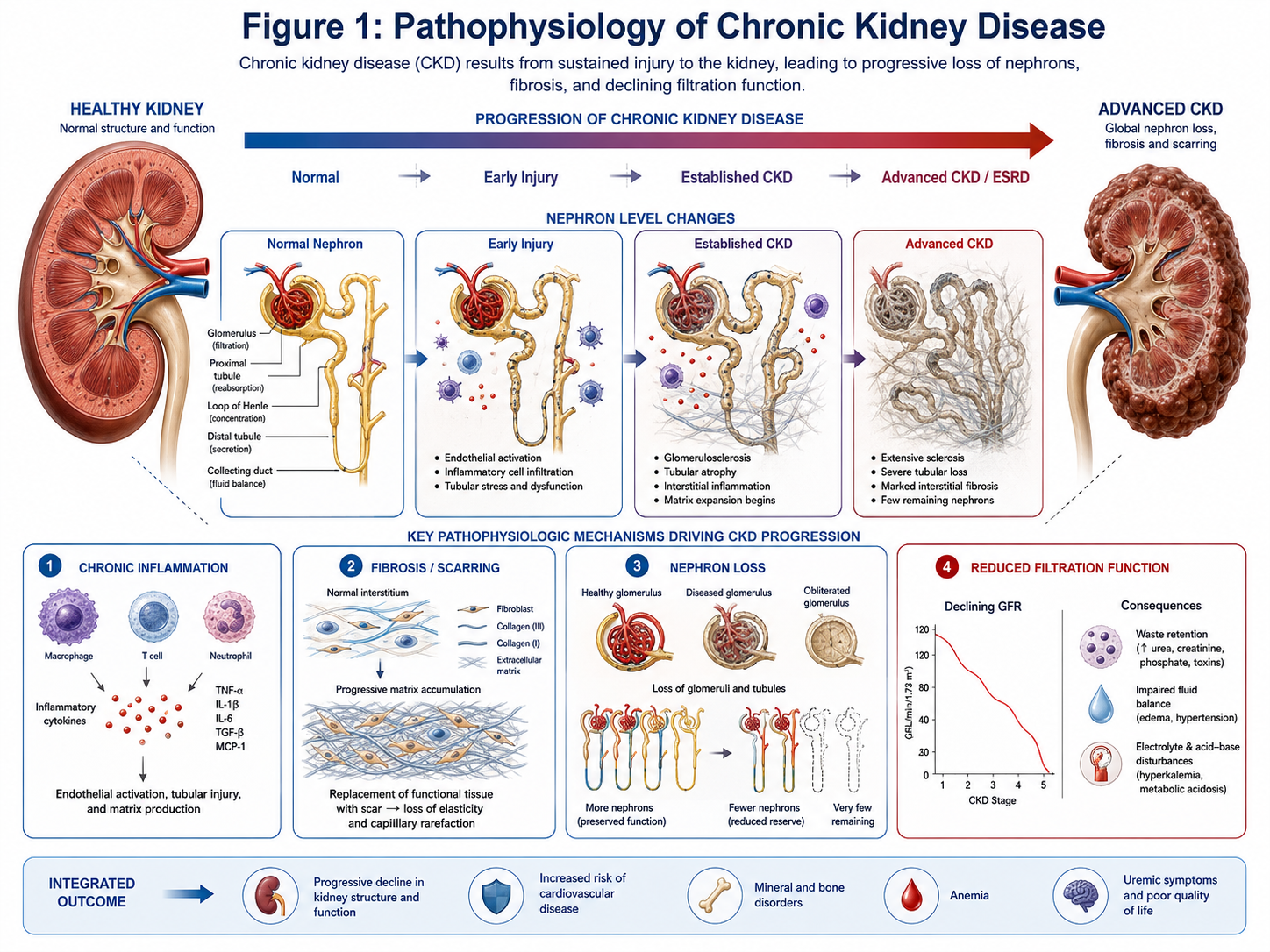
The current management strategies of CKD are aimed at symptom control and limiting progression.
This emphasizes the need of potentially biological mechanisms that could support kidney tissue.
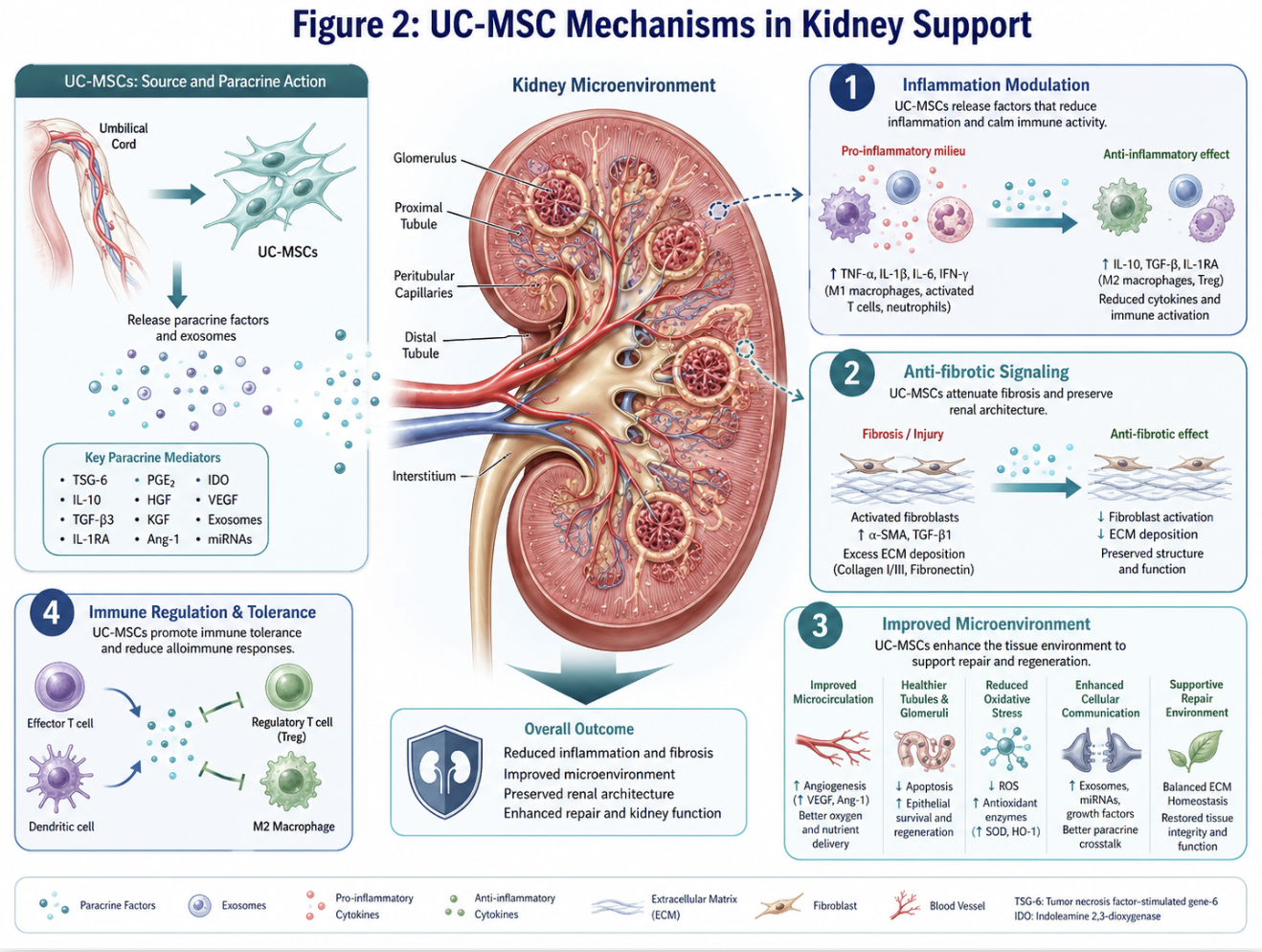
In addition, studies on human UC-MSCs in our laboratory focus more on their potential to secrete paracrine factors to help with tissue repair rather than directly replace kidney cells.
These cells secrete bioactive molecules like growth factors, cytokines and extracellular vesicles that could potentially modulate the kidney milieu.
These mechanisms can drive a more friendlier environment for persistence of the renal reserve.
Also, Set realistic expectations for this topic. The therapy is not a cure for kidney disease, but rather may serve as a supportive approach.
Stage of kidney disease
Underlying cause (e.g., diabetes, hypertension)
Overall health condition
Common pathological features of CKD include inflammation, fibrosis, and progressive loss of function. Conventional treatments, while necessary, do not cure a sick tissue.
UC-MSC stem cell therapy is an innovative regenerative approach to support the kidney environment with inflammation control, anti-fibrotic signaling and enhanced cellular communication.
Though still investigational, this strategy reflects a wider shift toward biologically informed approaches in chronic disease management. The goal for many patients is to preserve whatever kidney function remains, slow the progression of disease and improve quality of life.