Our Services
Others
- DFPP
- Shockwave
- IV Drip

Diabetes is a also a cause which gives rise to diabetic ulcers which in particular include diabetic foot ulcers. These injuries may present for very long term and they greatly affect a patient’s mobility, independence, and also their overall quality of health. In very serious cases they may cause infection, hospitalization or in the worst case amputation. Conventional treatments like wound care, antibiotics, and debridement are still the mainstay. But these do mostly what is required to manage symptoms instead of what it takes to restore the body’s natural healing processes. In that light there is a great deal of interest in stem cell therapy in Thailand for diabetic ulcers which in part is about which therapies support healing at a cellular level.
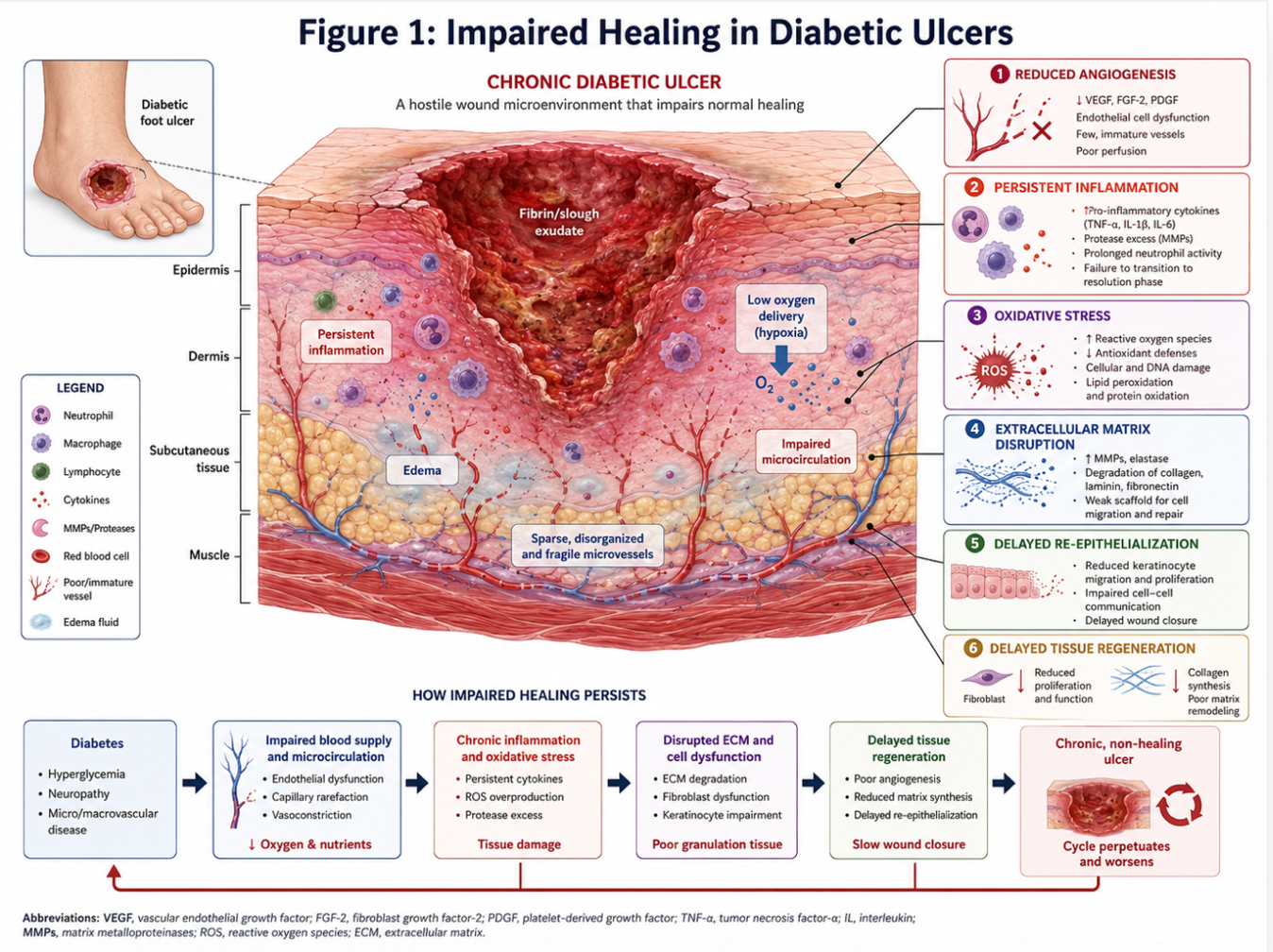
The most prominent issue in the treatment of diabetic ulcers is the stoppage of adequate wound healing. In healthy subjects, wounds usually proceed through stages including inflammation, tissue formation, and remodeling. In diabetic patients, though, this process is frequently dysfunctional.
There are a number of biological factors that lead to delayed healing:
These conditions create an environment within the body that simply does not heal wounds remain open and open a susceptible to damage indefinitely.
Alternatives to hard-and-fast management of diabetic ulcers emphasize wounding complications and hygiene.
Common strategies include:
In more complicated cases, surgical treatment may be needed, which introduces further risks and difficulties in recovery.
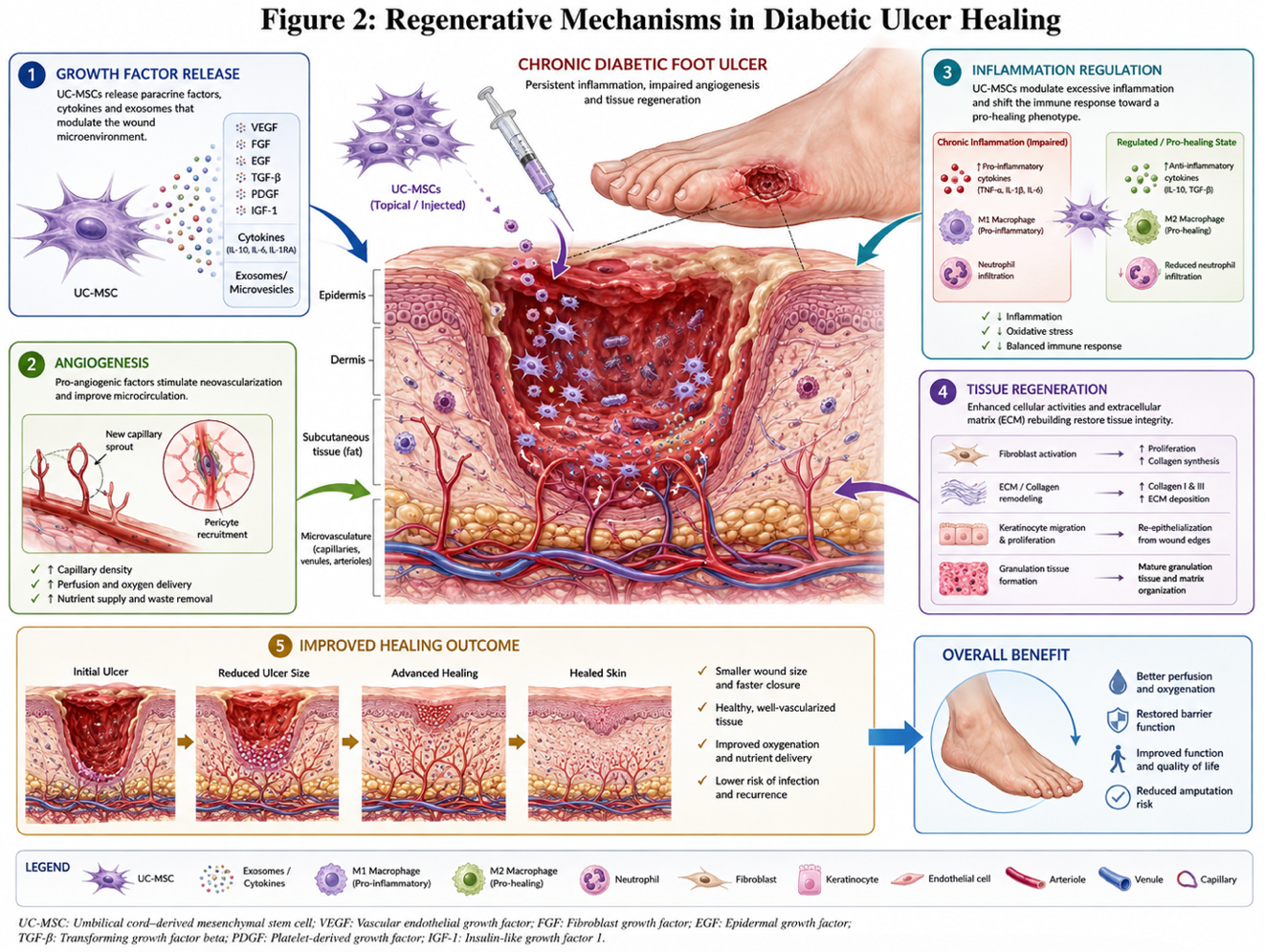
Regenerative medicine puts forth an alternate solution to those issues which is to use the body’s own cell level repair processes. In which is described extensive research in what are at present the main options the mesenchymal stem cells (MSCs) and also from umbilical cords. MSCs is thought that they act through a paracrine mechanism instead of going in and repairing damaged tissue; instead they produce bioactive substances which in turn modify the wound environment.
Potential mechanisms being investigated include:
These synergistic effects might aid in transitioning the wound from a state of chronic non-healing to one that is instead more conducive towards optimal healing.
Thailand is one of the world leaders in regenerative medicine, including treatment for diabetic ulcers. There are a few reasons for this trend:
Importantly, these therapies are usually used in conjunction with standard wound care to form a more holistic treatment plan.
In summary, diabetic ulcers are complex wounds characterized by delayed healing, persistent inflammation, and diminished regeneration. All of the conventional treatments remain necessary, but they may not sufficiently return biological dysfunction to normal. Thailand stem cell therapy for diabetic ulcer is a novel treatment which works to promote wound healing at the cellular level via inducing mechanisms including angiogenesis, inflammation control, and tissue repair signaling. While these therapies remain investigational and their efficacy may vary, they are part of a growing movement toward regenerative medicine–based approaches that may lead to improved healing outcomes and enhancements in the quality of life for our patients.