Our Services
Others
- DFPP
- Shockwave
- IV Drip

Families evaluating international regenerative medicine interventions for ASD require uncompromising clinical transparency not marketing promises. Knowing exactly how much is an autism diagnosis sets the baseline for the entire medical journey.
The gap between established behavioral interventions and experimental biological modulation creates significant logistical, financial, and emotional strain for parents. Without a rigid evaluative framework, navigating international clinics risks exposing patients to unverified procedures and hidden financial burdens. Clinical consensus indicates that desperate families often wire tens of thousands of dollars to offshore clinics based on poorly translated brochures, expecting miracles that biology simply cannot deliver.
This analysis dissects the exact costs, clinical mechanisms, and logistical protocols of accessing stem cell therapy in Bangkok, establishing a strict standard for safe medical tourism in 2026. We evaluate diagnostic cost baselines, the biological mechanisms of UC-MSCs, specific clinic
Determining how much is an autism diagnosis dictates the baseline for all subsequent clinical assessments, often ranging from $1,500 to $4,000 internationally depending on the specialist.
Establishing how much is an autism diagnosis is the critical first step before exploring the newest autism treatments. Standard comprehensive assessments globally require multidisciplinary clinical evaluations, typically incurring significant upfront costs (supported by 2026 healthcare economic data). These baselines dictate all subsequent therapeutic interventions, separating established protocols from investigational biological treatments.
The path to a formal Autism Spectrum Disorder (ASD) diagnosis isn’t a quick 15-minute pediatric visit. It is a grueling, heavily regulated assessment matrix. To determine exactly how to get an autism diagnosis, families must understand the gold standard clinical tools: the Autism Diagnostic Observation Schedule (ADOS-2) and the Autism Diagnostic Interview-Revised (ADI-R). These aren’t simple questionnaires. They require hours of structured behavioral observation by licensed child psychologists, developmental pediatricians, and speech-language pathologists.
The ADOS-2 utilizes specific modules based on the patient’s age and verbal fluency, assessing social affect and restricted, repetitive behaviors through highly structured play. Meanwhile, the ADI-R requires a comprehensive 93-item clinical interview with the parents to map the child’s entire developmental history.
So, how much is an autism diagnosis in real-world terms? The average cost of a comprehensive autism assessment ranges from $1,500 to $4,000, depending on the multidisciplinary team involved. This upfront financial hit is a harsh reality. And yet, establishing this clinical baseline is entirely non-negotiable.
You simply cannot seek out advanced, investigational therapies without first possessing a rigorous, formal paper trail. Recognizing early signs like delayed speech, lack of joint attention, or repetitive motor movements is only step one. Translating those observations into a coded medical diagnosis requires specialized expertise to rule out differential diagnoses such as global developmental delay or hearing deficits. Furthermore, comprehensive neurological workups frequently mandate updated EEGs and chromosomal microarray testing, adding another $1,000 to $2,500 to the diagnostic phase. Once clinical baselines are established via formal diagnosis, patients typically transition to global standards of behavioral management.
Therapy isn’t a single switch you flip. It’s an exhausting, multi-year grind. Before exploring cellular interventions, parents inevitably seek out the best treatment for autism in the world. But the reality? That “best” treatment is highly individualized. It almost always involves Applied Behavior Analysis (ABA), a standard behavioral intervention, paired with intensive speech and occupational therapy.
These represent the non-negotiable global standard of care. They are the therapies backed by decades of longitudinal outcome data. ABA utilizes principles of learning theory to improve socially significant behaviors, often employing techniques like Discrete Trial Training (DTT) and Natural Environment Training (NET).
Speech-language therapy targets not just verbal articulation, but pragmatic language and the utilization of Augmentative and Alternative Communication (AAC) devices—like dynamically
Recently, pharmacological management of co-occurring conditions has advanced. FDA-approved medications targeting severe self-injurious behaviors and aggression such as risperidone are utilized to stabilize a child enough so that they can actually participate in ABA sessions. But while behavioral and pharmacological interventions optimize daily function, they do not address the biological components that dictate long-term independence for severe cases.
Let’s address the hardest data point directly. Parents of severely impacted children constantly analyze metrics surrounding level 3 autism independent living. The clinical realities are sobering. Level 3 ASD requires very substantial support, often involving 24/7 care to manage severe deficits in verbal communication, dangerous elopement behaviors, and aggressive outbursts.
Furthermore, we must look at the physiological side. Longitudinal clinical outcome studies show that life expectancy and independence metrics in severe ASD are heavily impacted by co-occurring conditions. Up to 30% of autistic adults suffer from treatment-resistant epilepsy, while severe gastrointestinal dysbiosis is near-universal in level 3 cases. These aren’t just behavioral quirks. They are profound systemic medical issues that drastically reduce the quality of life.
When a patient suffers from chronic neuroinflammation or daily focal seizures, no amount of behavioral therapy will establish independent living skills. The physical brain is simply too inflamed to retain new neural pathways. The continuous activation of microglial cells creates a hostile environment for synaptic pruning. Identifying these specific physiological barriers—rather than just throwing more behavioral hours at the problem is what drives the search for deeper biological interventions. This drive has catalyzed international interest in investigational cellular therapies.
Evaluating the stem cell therapy success rate for autism requires distinguishing investigational biological data from commercial marketing. While some studies report temporary improvements in neuroinflammation, understanding stem cell therapy duration for autism is critical for realistic expectations (supported by peer-reviewed molecular data). These cellular interventions focus on targeted immune modulation, not permanent condition reversal.
If you want to understand how stem cell therapy for autism Bangkok operates, you have to strip away the science fiction. Umbilical Cord-Derived Mesenchymal Stem Cells (UC-MSCs), multipotent stromal cells, are currently the primary biological agents used in these protocols. But here is the critical distinction: these cells do not typically engraft.
They don’t travel to the brain, settle down, and magically transform into fresh, healthy neurons. That’s a fundamental misunderstanding of the biology. Instead, UC-MSCs operate via paracrine signaling. Think of them as microscopic paramedics. They circulate systemically and secrete “secretomes” a complex cocktail of cytokines, growth factors, and extracellular vesicles. These secreted factors, including Brain-Derived Neurotrophic Factor (BDNF) and Vascular Endothelial Growth Factor (VEGF), are the true therapeutic agents that can temporarily cross the blood-brain barrier.
This process triggers an immune modulating capacity regeneration that directly targets systemic inflammation. Peer-reviewed molecular studies mapping paracrine signaling pathways show that MSCs can initiate phenotypic macrophage reprogramming. Simply put, they tell the body’s immune cells to switch from a pro-inflammatory state (M1) to an anti-inflammatory state (M2). They also upregulate T-regulatory cells, suppressing autoimmune-like responses observed in severe ASD.
| 📌 If you’re interested in how UC-MSCs help calm neuroinflammation by reprogramming immune cells, we have an interesting article that discusses mesenchymal stem cell therapy for immune modulation, which you can read via the internal link. |
For an autistic child suffering from a cerebral cytokine storm, this biological plausibility is massive. Lowering oxidative stress can create a window of physiological calm. The brain, no longer on fire, can finally process environmental inputs. By reducing the continuous activation of microglial cells in the central nervous system, MSCs theoretically allow the brain to focus on
So, how long does stem cell therapy last for autism? The biological reality is that it’s temporary. Current clinical trials suggest that the immune-modulating effects of UC-MSCs may persist for 6 to 12 months post-administration, requiring rigorous ongoing monitoring.
Longitudinal clinical trial data tracking the duration of immune modulation reveals that the half-life of these anti-inflammatory benefits is usually measured in months. The secreted factors eventually degrade. The reprogrammed macrophages frequently revert to their pro-inflammatory baseline if the underlying environmental or genetic triggers aren’t addressed.
This means patients often require multiple infusions over several years to maintain the lowered inflammatory state. More importantly, it highlights the absolute necessity of combining stem cell therapy with rigorous ABA therapy and adjunct protocols like Hyperbaric Oxygen Therapy (HBOT). If the stem cells create a 6-month window where neuroinflammation is suppressed, the child is temporarily primed for accelerated learning and enhanced neuroplasticity. If you waste that window without intensive behavioral training, the biological advantage is entirely lost.
| 📌 If you’re wondering whether more than one dose can improve results, we have an interesting article that discusses why double-dose UC-MSC stem cell therapy may offer greater benefits than a single dose, which you can read via the internal link. |
Ongoing clinical monitoring via biomarker tracking is non-negotiable. Reputable medical teams require post-infusion blood work at 3, 6, and 12-month intervals to measure cytokine levels and adjust therapies accordingly. Despite the investigational nature of these treatments, robust medical infrastructure is required to administer them safely a factor driving international medical tourism.
Stem Cell Therapy Bangkok has emerged as a highly regulated epicenter for international patients seeking investigational regenerative care. For those exploring autism treatment with stem cells Thailand offers a unique convergence of Joint Commission International (JCI) accredited hospitals, rigorous laboratory standards, and specialized clinical infrastructure designed specifically for international medical tourism.
Thailand didn’t become a medical tourism powerhouse by accident. It aggressively pursued international hospital accreditations. When evaluating UC-MSC therapy Bangkok, the regulatory oversight of biological products is the main differentiator. The Thai Ministry of Public Health enforces strict controls over how human tissues are harvested, expanded, and administered.
| 📌 If you’re interested in how stem cell treatment is regulated and kept safe in Thailand, we have an interesting article that discusses whether stem cell therapy is safe in Thailand, which you can read via the internal link. |
The backbone of this safety net lies in Good Manufacturing Practice (GMP) certified laboratories. Top Thai clinics do not process cord tissue in backroom setups. They use ISO-7 certified clean rooms with stringent viral screening protocols that test extensively for HIV, Hepatitis B and C, Syphilis, and CMV. The cellular expansion process is heavily monitored for bacterial contamination, utilizing flow cytometry to guarantee cellular viability remains over 90% before it ever reaches the patient.
This is a massive contrast to unregulated offshore “stem cell pop-ups” in parts of the Caribbean or Eastern Europe, where cellular viability and sterility are often questionable. However, patients must remain objective. While regulations exist to ensure product safety and sterility, the therapy itself remains firmly investigational. Reputable clinics will never guarantee behavioral outcomes. They guarantee the biological quality of the cells. This strict regulatory environment allows specialized facilities to provide complex care to international patients safely.
| 📌 If you’re curious why the number of living, healthy cells matters so much, we have an interesting article that discusses the importance of cell viability in UC-MSC stem cell therapy, which you can read via the internal link. |
Market research consistently highlights specific facilities catering to international ASD patients, each employing distinctly different clinical philosophies. Vega Stem Cell Clinic, a prominent regenerative facility in Bangkok, operates with deep ties to major international research hospital networks. Their approach is highly clinical. They demand extensive medical records, recent EEGs, comprehensive metabolic panels, and neurologist clearances to rule out active seizure states before even offering a consultation. Vega operates with pediatric ICU access on standby, prioritizing medical safety above all else.
On the other end of the premium spectrum is Edna Wellness Bangkok, offering specialized holistic cellular packages. While Vega feels like an acute-care hospital, Edna Wellness integrates functional medicine. They focus heavily on the gut-brain axis, often mandating heavy metal
Both facilities utilize The Biological Modulation Baseline during initial consults to manage expectations. They don’t sell cures. They sell highly controlled biological modulation aimed at reducing systemic inflammation. Once accepted for treatment, international families must navigate a highly structured logistical timeline.
Flying a severely autistic child across the globe is a logistical nightmare. Bangkok clinics understand this and have engineered their packages to remove friction. They cater to international families by wrapping complex medical procedures in white-glove logistical support designed specifically for sensory-avoidant pediatric patients.
Standard autism stem cell packages in Bangkok require a 3-to-5-day clinical timeline to ensure safe cellular administration and immediate adverse-event monitoring.
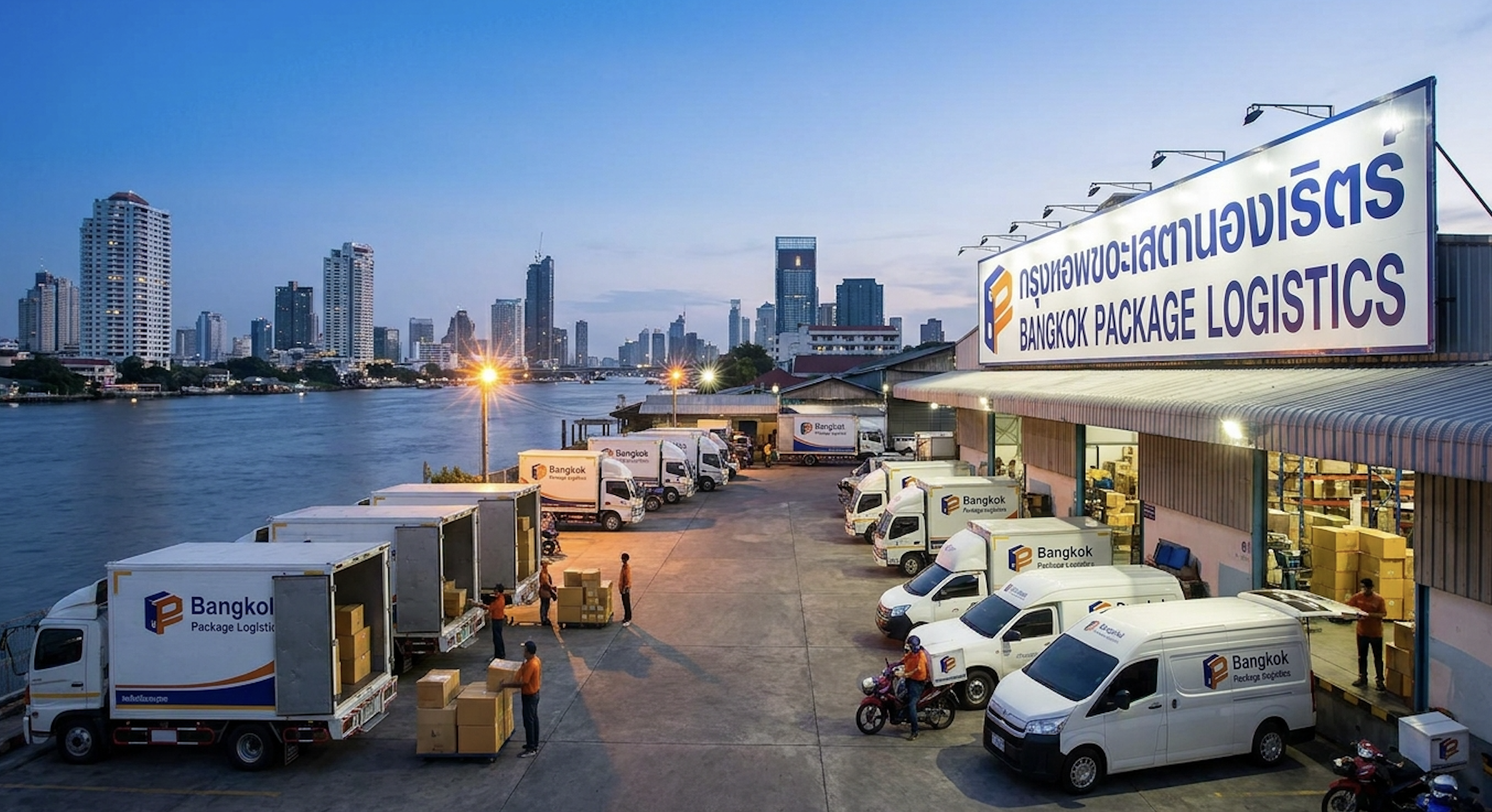
Figure 1: A standard 5-day clinical timeline for international pediatric patients receiving stem cell therapy in Bangkok.
Here is what a standard VIP protocol looks like:
While the logistics are highly organized, the primary barrier for most families remains navigating the international cost structures.
Analyzing the autism stem cell therapy cost requires evaluating the entire financial continuum, from initial clinical diagnostics to post-infusion care. The base cost of stem cell therapy in Thailand offers significant global financial advantages, but patients must account for travel, preliminary testing, and long-term behavioral support to ensure safe and comprehensive care.
| 📌 If you’re interested in a full breakdown of treatment pricing, we have an interesting article that discusses stem cell therapy costs in Thailand for 2025, which you can read via the internal link. |
Let’s return to the financial starting line. Exactly how much is an autism diagnosis? If you are relying on public healthcare in the UK or Canada, the out-of-pocket cost might be zero, but waitlists routinely stretch to 24 or even 36 months. For families racing a developmental clock to start early interventions, that wait is unacceptable.
Privately expediting a comprehensive diagnosis in Western systems typically runs $1,500 to $4,000. This breakdown includes specialist consultation fees ($300-$500/hr), psychometric testing ($800-$1,500), and formal report drafting. And this isn’t a one-time fee. Reputable Bangkok clinics require recent data. If your child’s last ADOS-2 or EEG was three years ago, Thai neurologists will mandate new panels before clearing them for cellular therapy.
Clinical consensus indicates patients frequently inquire, “Is it possible to be diagnosed with autism at 50 years old?” Yes, adult diagnostics exist, though finding a clinician trained in adult ASD presentation is difficult and often more expensive than pediatric panels.
Healthcare economic analysis regarding out-of-pocket costs for complex pediatric neurodevelopmental diagnostics confirms that families routinely spend upwards of $3,000 just gathering the required paperwork. Reputable clinics mandate these recent diagnostics to ensure treatment suitability. With diagnostic costs factored in, families can then evaluate the exact pricing of cellular interventions.
When you look at stem cell packages Bangkok offers, the transparency is refreshing compared to Western clinics that hide pricing behind lengthy consultation walls. Current market data places baseline treatments at a remarkably accessible entry point.
Comprehensive autism stem cell packages in Bangkok typically start at $4,300, whereas comparable treatments in Western nations or Turkey can range from $9,000 to over $25,000.
But what exactly are you buying?
(Disclaimer: All mentioned pricing is estimated, subject to market change, and heavily dependent on individual clinical assessment and required dosage).
Remember The Biological Modulation Baseline. You are paying $4,300+ for a highly controlled biological procedure to temporarily lower neuroinflammation. You are not buying a guaranteed behavioral outcome. To understand the true value of these packages, they must be benchmarked against competing hubs.
Families often weigh the stem cell therapy cost in Turkey vs Thailand. Both nations have positioned themselves as titans of medical tourism. Turkey leans heavily on proximity for European and Middle Eastern patients, while Thailand dominates the Asia-Pacific and North American markets.
| Medical Hub | Base Price Range | Regulatory Oversight | Standard Clinical Stay | Secondary Logistics |
| Bangkok, Thailand | $4,300 – $11,100+ | High (JCI, Thai MoPH) | 3 to 5 Days | High flight cost, low cost of living |
| Istanbul, Turkey | $7,000 – $15,000+ | Moderate to High | 2 to 4 Days | Moderate flight cost, moderate living |
| United States (Off-label) | $15,000 – $30,000+ | Very High (FDA restrictive) | Outpatient (Hours) | No flights needed, very high clinical cost |
| Panama | $18,000 – $25,000+ | Moderate | 4 to 6 Days | High flight cost, dedicated offshore clinics |
Here is a baseline comparison:
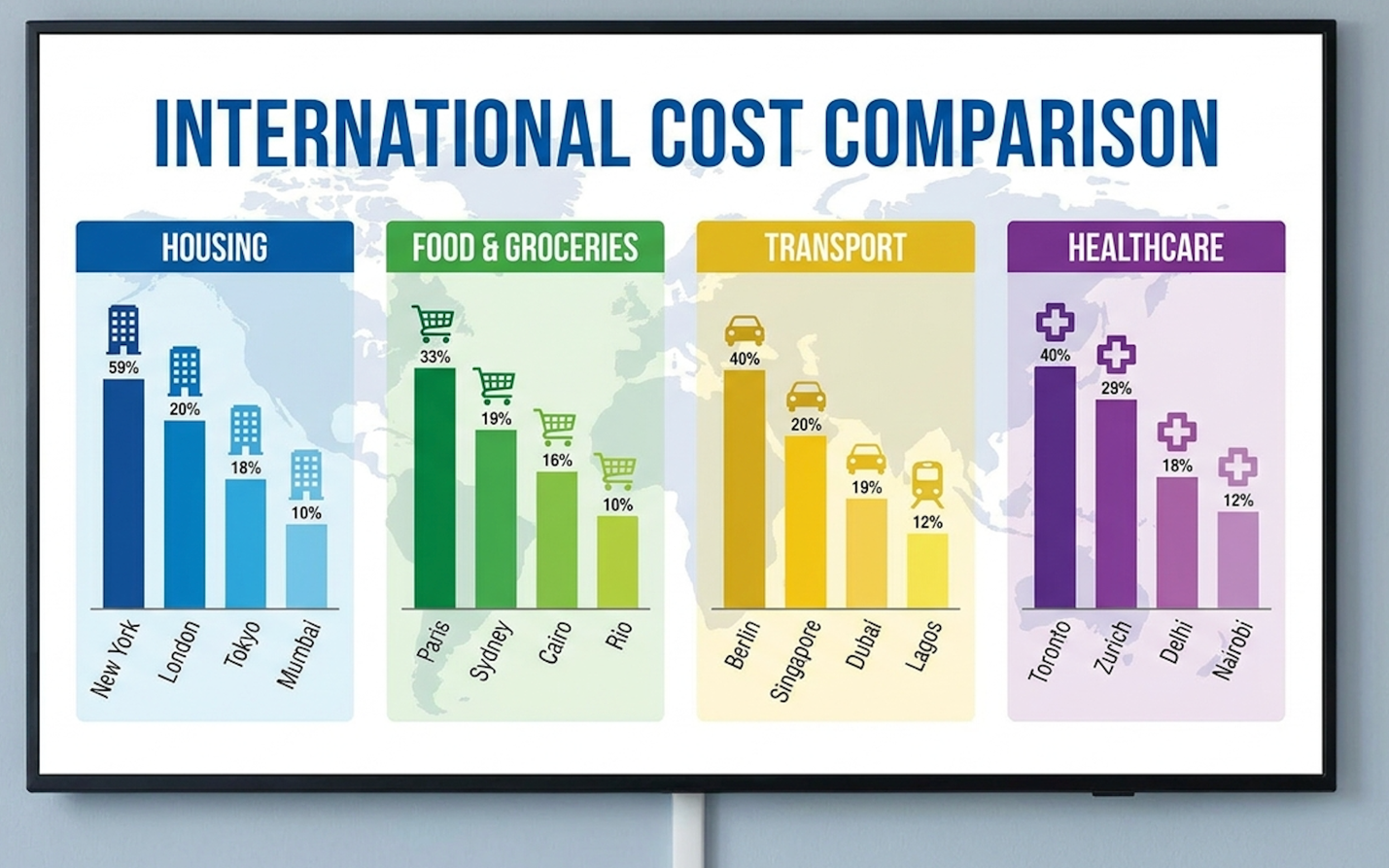
Figure 2: A global financial comparison showing Thailand’s competitive advantage in baseline cellular therapy costs.
When building a total-trip budget, you must factor in hidden logistical costs. The $4,300 base price is just the medical fee. Flying a severely autistic child across the globe often demands business class seating for sensory management, adding $5,000+ to the budget from Western nations. Two weeks of sensory-friendly hotel accommodations add another $1,500 to $2,000. Specialized dietary needs, visa fees, and secure ground transport must all be accounted for. Suddenly, a $4,300 medical package becomes a $12,000 endeavor. While affordability drives medical tourism, financial savings must never supersede stringent safety and clinical limitation assessments.
An autism diagnosis typically costs between $1,500 and $4,000 when conducted comprehensively by private specialists internationally. This assessment requires specialized
Stem cell therapy for autism demonstrates investigational success in modulating immune responses and reducing systemic neuroinflammation. Clinical data indicates these interventions focus on physiological improvements rather than serving as a behavioral cure. Studies observe that measurable reductions in inflammatory markers can persist for several months post-infusion. However, clinical success relies entirely on pairing these temporary biological windows with intensive, established behavioral therapies. Individual physiological responses vary significantly, and results are not guaranteed.
The physiological effects of stem cell therapy for autism generally last between 6 and 12 months, according to clinical duration studies. Because mesenchymal stem cells operate through temporary paracrine signaling rather than permanent cellular engraftment, their anti-inflammatory benefits are finite. Many international protocols recommend subsequent booster infusions to maintain these biological baselines. Sustaining functional improvements long-term requires continuous integration of standard occupational and behavioral therapies. Patients must consult specialists regarding their specific longitudinal care plan.
There is no medical cure for autism currently, nor is one anticipated in 2026. Autism Spectrum Disorder is a complex neurodevelopmental condition managed through established behavioral, occupational, and speech therapies. While investigational regenerative therapies aim to mitigate specific physiological symptoms like neuroinflammation, they do not reverse the condition. Claims of a permanent cure by commercial clinics are scientifically inaccurate and medically irresponsible. Treatment should always focus on maximizing independence and quality of life.
Thailand is widely regarded as a premier destination for stem cell treatment due to its robust medical tourism infrastructure and stringent hospital accreditations. Clinics in Bangkok combine Joint Commission International (JCI) hospital standards with advanced GMP-certified laboratories. Prices in Thailand typically begin around $4,300, offering competitive affordability compared to facilities in the US or Europe, based on global medical tourism data. Alternative hubs like Turkey and Panama also offer services, though regulatory environments differ. Patients must independently verify clinic credentials and lab certifications before traveling.
For families navigating international medical tourism, determining exactly how much is an autism diagnosis ($1,500 – $4,000) is the required first step before evaluating Bangkok’s stem cell packages, which begin at $4,300. Investigational therapies utilizing UC-MSCs focus on mitigating neuroinflammation rather than providing a behavioral cure. The safest approach combines rigorous initial domestic diagnostics with highly regulated, JCI-accredited clinical administration abroad.
Applying The Biological Modulation Baseline protects families from predatory marketing. By understanding that stem cells provide temporary, physiological immune modulation—not a permanent developmental reversal parents can set realistic clinical expectations and budget appropriately for necessary post-infusion behavioral therapies.
Before committing to any international medical package, compile comprehensive medical records, previous diagnostic assessments, and current behavioral therapy reports. Present these documents to your primary pediatric neurologist to verify if pursuing a specialized regenerative medicine consultation in Bangkok aligns with your child’s specific clinical trajectory.