Our Services
Others
- DFPP
- Shockwave
- IV Drip

This article is for educational purposes only and does not replace consultation with a qualified medical professional.
For patients suffering from refractory organic erectile dysfunction, conventional PDE5 inhibitors eventually fail as underlying tissue deterioration progresses. You hit a biological wall where Viagra and Cialis simply stop working. Why? Because as endothelial and cavernosal tissues degrade from age, chronic diabetes, or post-surgical nerve damage, the actual structural architecture required for an erection collapses. Pills manipulate blood flow, but they can’t force dead or heavily scarred tissue to function.
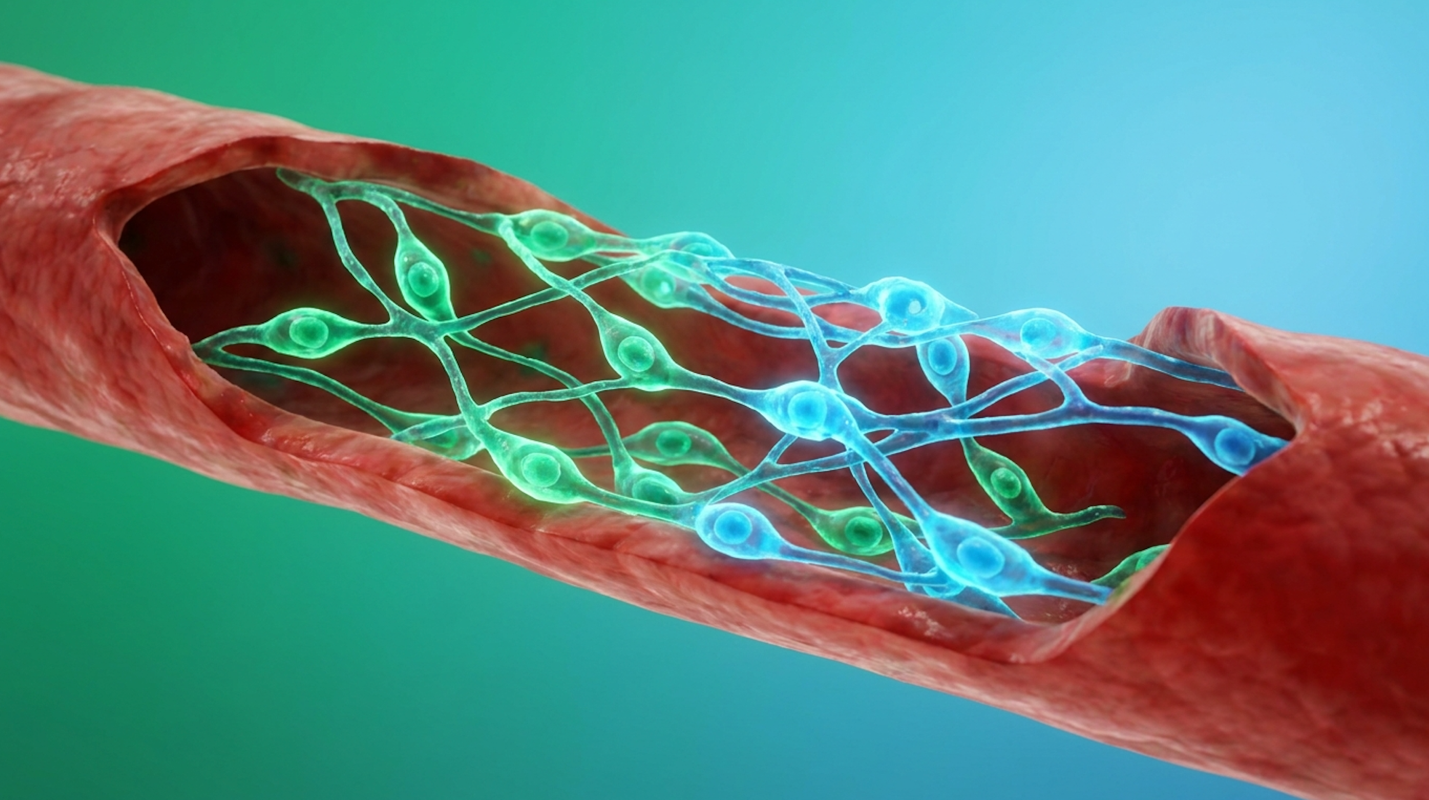
Patients dealing with this level of decline inevitably look past symptom management toward true structural repair. And that brings us to UC-MSC stem cell therapy for penile regeneration. We are moving beyond temporary vascular manipulation into the hard science of repairing damaged penile anatomy at the cellular level.
This analysis investigates the biological mechanisms, human trial data, and strict investigational realities of these treatments. We will examine the exact pathophysiology of organic ED, how these specific cells promote angiogenesis, and what the latest clinical efficacy metrics actually reveal for patients exploring advanced regenerative urology.
Unlike embryonic cells, UC-MSCs lack MHC-II expression and are ethically sourced from postpartum tissue, utilizing exceptional immunomodulatory properties to achieve near 0% host rejection rates (Nature, 2021). Look, not all stem cell lines behave the same way in clinical applications. We use Umbilical Cord Mesenchymal Stromal Cells (UC-MSCs), a multipotent progenitor cell line, precisely because of their biological vitality. Before looking at penile tissue regeneration specifically, you have to understand why this exact cell type dominates modern regenerative urology protocols. We evaluate patients based on The Structural Deficit Protocol a strict diagnostic framework I will detail later which dictates that profound tissue deficits require cells with massive, rapid proliferative capacity. That is exactly what UC-MSC stem cells therapy provides.
When patients ask exactly what are UC-MSCs, the answer lies in their unique cellular kinetics. We evaluate UC-MSC properties compared to older autologous options like bone marrow-derived cells (BM-MSCs) or adipose tissue extracts, and the differences in cellular kinetics are stark. UC-MSCs replicate at a massively higher rate. A Nature’s critical review of stem cell sources detailing the proliferative advantage of UC-MSCs (2021) proves that this explosive proliferation yields sufficient clinical doses without requiring prolonged laboratory expansion. Prolonged expansion induces senescence it ages the cells before they ever reach the patient.
Ethical sourcing also plays a critical role here. These cells are harvested specifically from Wharton’s jelly the gelatinous substance inside the umbilical cord immediately post-birth. This completely bypasses the ethical landmines associated with embryonic stem cells. You get a highly potent, ethically sound biological product. Their youth means they haven’t been subjected to decades of environmental toxins, oxidative stress, or systemic aging, unlike cells pulled from a 65-year-old patient’s own body fat. This inherent biological youth directly translates into how aggressively they can signal tissue repair in a damaged, highly inflamed host environment.
But raw proliferation isn’t enough to justify clinical use. The cells have to survive the host’s immune system without triggering an attack. UC-MSCs are uniquely “immune-privileged.” They lack Major Histocompatibility Complex (MHC) Class II molecules on their surface, meaning they don’t trigger a massive T-cell response when injected into a new, genetically distinct patient.
This biological quirk changes everything. It allows for allogeneic (donor-to-patient) treatments without requiring the patient to take harsh, system-suppressing immunosuppressive drugs. Contrast this with the invasive, painful surgical harvesting required for autologous adipose-derived stem cells, which carries its own distinct surgical and infection risks. By utilizing meticulously screened, off-the-shelf allogeneic UC-MSCs, clinicians bypass the surgical harvest phase entirely. The cells simply evade immune detection, settle directly into the cavernosal microenvironment, and begin doing the work of structural repair.
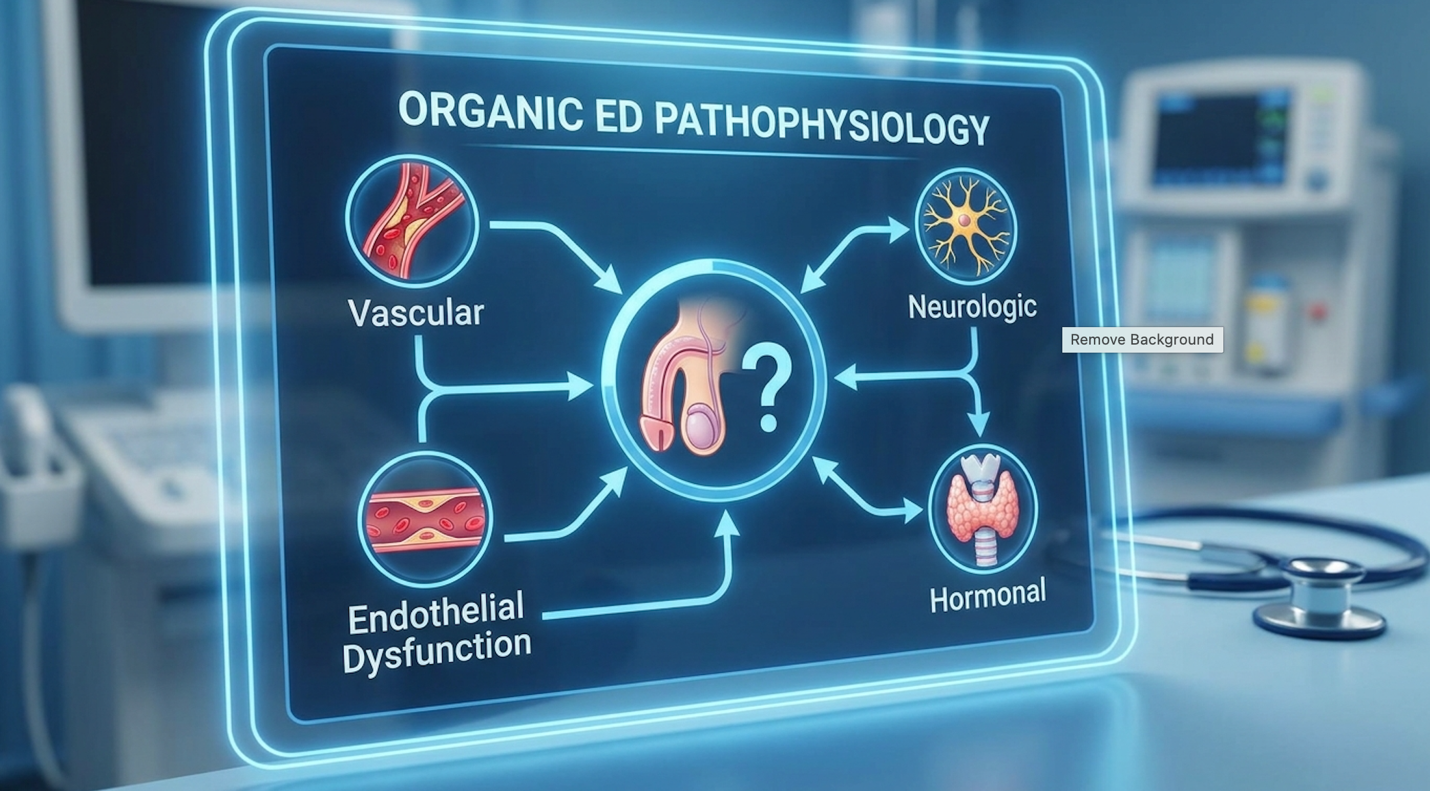
Figure 1: Organic erectile dysfunction is characterized by progressive endothelial breakdown and cavernosal smooth muscle fibrosis.
Organic ED involves permanent structural degradation of the vascular endothelium, explaining why conventional PDE5 inhibitors eventually fail in up to 30% of diabetic and post-surgical patients (NLM, 2023). Men asking “Can penile tissue regenerate?” usually do so because their current oral medications have stopped responding entirely. Psychogenic ED happens in your nervous system’s stress response; organic ED happens directly in the tissue. Let’s break down exactly what deteriorates.
The vascular breakdown of the penis always starts at the endothelial level. Endothelial dysfunction is fundamentally the inability of the penile blood vessels to produce sufficient nitric oxide (NO). Conditions like advanced Type 2 diabetes, chronic hypertension, and normal cellular senescence actively degrade the extracellular matrix lining the blood vessels. The vessels become rigid. They lose their critical ability to stretch and dilate under arterial pressure.
This structural reality explains the eventual, frustrating failure of PDE5 inhibitors. Drugs like sildenafil work by amplifying the downstream chemical pathways initiated by NO. But here is the biological catch if the endothelium is completely destroyed, there is virtually no NO left to amplify. A NLM meta-analysis reviewing underlying endothelial pathology in refractory erectile dysfunction (2023) confirms that pills demand an intact vascular foundation to function. You can’t chemically stimulate a dead blood vessel. This is exactly why researchers are pushing stem cell therapy for erectile dysfunction, and even testing stem cell therapy for Peyronie’s disease. The ultimate clinical goal is to rebuild the endothelium so that native blood flow, or at least a healthy responsiveness to medication, returns.
While systemic vascular disease causes a slow, agonizing deterioration over years, nerve damage causes rapid, acute collapse. Cavernosal nerve injury typically results from radical prostatectomy surgeries or severe pelvic trauma. When these microscopic nerves are severed or severely stretched, the direct communication line to the smooth muscle in the penis goes totally dark.
Without regular neural stimulation and the subsequent oxygenated blood flow from nocturnal erections, the smooth muscle within the corpus cavernosum undergoes rapid apoptosis programmed cell death. What happens next is catastrophic for erectile function: the dying, oxygen-starved smooth muscle is replaced by dense, fibrotic scar tissue. The penis literally loses its internal elasticity. This physical transformation from healthy, spongy muscle to rigid fibrosis is what necessitates a biological, regenerative intervention rather than a simple chemical one. You can’t fix nerve death and severe cavernosal fibrosis with a basic vasodilator. You have to change the cellular signaling of the tissue itself.
To understand how to increase blood flow to pennis permanently, you have to realize that managing the symptoms isn’t enough. The fibrotic infiltration directly blocks the veno-occlusive mechanism. Even if arterial blood manages to force its way in, the rigid, scarred corpus cavernosum cannot expand enough to compress the subtunical veins against the tunica albuginea. The blood just drains right back out into the body. This is classic venous leak, driven entirely by structural decay. Reversing this requires profound cellular intervention to dissolve the fibrosis and repopulate the smooth muscle cells.
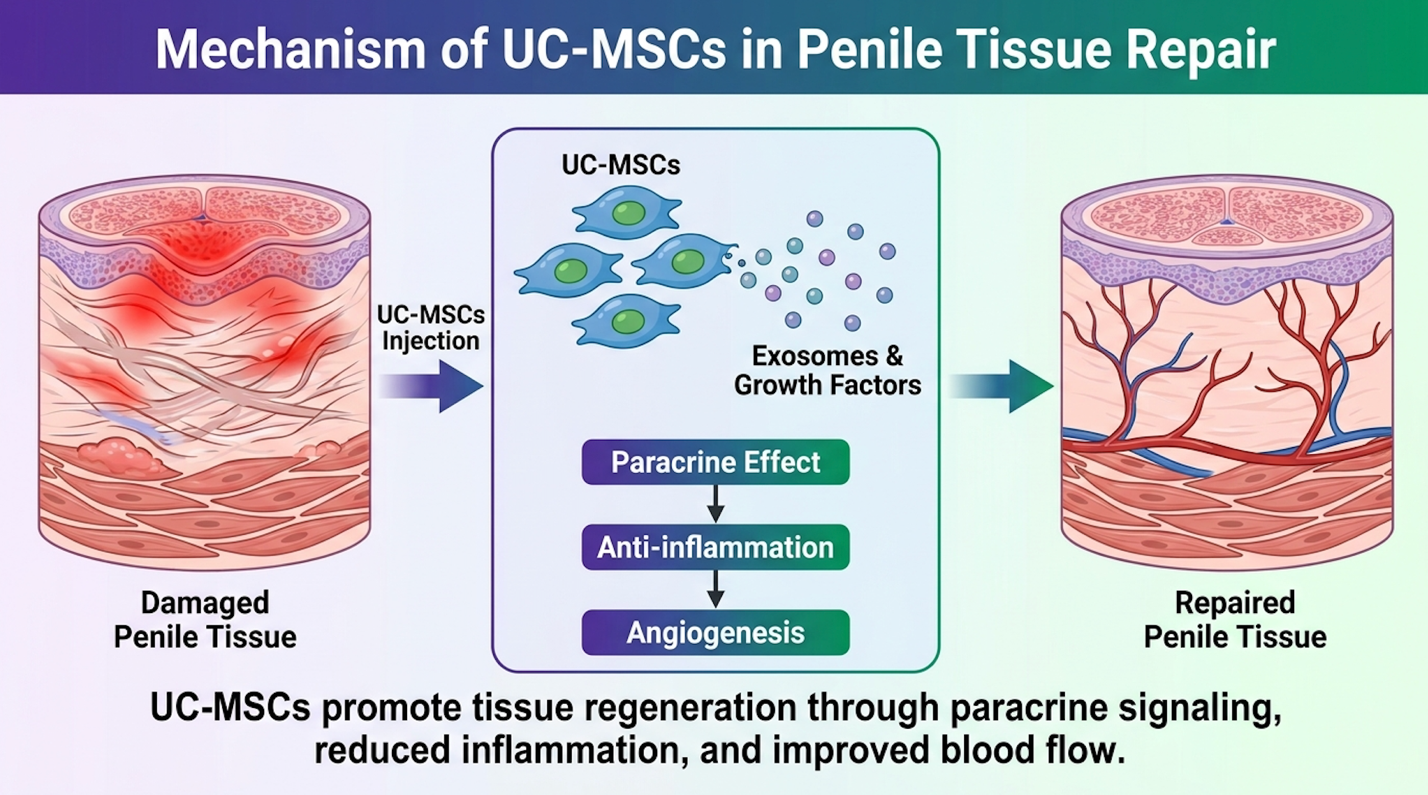
Figure 2: Paracrine signaling involves the targeted release of specific cytokines and growth factors to stimulate local tissue repair.
Regenerative urology relies on a fundamental biological fact: specific tissues can be stimulated to repair themselves if given the correct biochemical instructions. UC-MSCs restore function via paracrine signaling, secreting over 30 distinct growth factors like VEGF to stimulate local angiogenesis and reverse smooth muscle fibrosis (PubMed, 2018). The mechanism here is wildly different from what most people think. The injected stem cells don’t magically morph into new penile tissue. Instead, they act as biological directors, releasing powerful biochemical signals that instruct your native cells to heal.
This communication happens exclusively through the paracrine effect. When injected directly into the corpora cavernosa, UC-MSCs secrete a massive, highly complex “secretome” consisting of specific cytokines, growth factors, and exosomes. These bioactive molecules immediately flood the damaged cavernosal tissue.
Their primary job is to aggressively modulate the local immune microenvironment. In organic ED, the tissue is usually stuck in a state of chronic, low-grade inflammation a pro-inflammatory, tissue-destructive loop that accelerates aging. The secretome forces a biological pivot. It shifts the environment from pro-inflammatory to anti-inflammatory, halting tissue destruction and initiating active repair. Exosomes tiny lipid vesicles secreted by the stem cells are particularly crucial here. A PubMed research on exosomes demonstrating how UC-MSC-derived exosomes restore function in rat models via paracrine signaling (2018) highlights how these vesicles deliver specific microRNAs directly into senescent native cells. They essentially reprogram dying cells, turning their cellular machinery back on. It’s biochemical hacking at the absolute most local tissue level.
Chemical signaling is fascinating, but it must yield physical, architectural results to matter clinically. That brings us to angiogenesis the physiological process of growing entirely new blood vessels from pre-existing ones.
Within the stem cell secretome, Vascular Endothelial Growth Factor (VEGF) is the undisputed heavy hitter for penile tissue regeneration. VEGF specifically targets the local, surviving endothelial cells and kicks them into hyper-drive. They begin to actively proliferate, branch out, and form fresh, healthy capillary networks within the penile shaft. This direct vascular repair directly counters the endothelial dysfunction we discussed earlier. By rebuilding the capillary beds from scratch, the tissue regains the structural capacity to trap and hold high volumes of blood. Without aggressive angiogenesis, no amount of nerve repair or muscle regeneration will ever yield a rigid erection. You have to rebuild the underlying plumbing first. This is exactly how cutting-edge researchers aim to fix the root vascular deficits in severe, refractory ED cases.
Rebuilding the blood supply is only half the battle. The actual smooth muscle tissue must be rescued from the grip of fibrosis. As nerve damage and poor blood flow starve the penis of oxygen over months or years, dermal myofibroblasts become highly hyperactive, laying down thick, restrictive collagen scars throughout the tissue.
UC-MSCs aggressively mitigate this scarring process. Their chemical signaling halts the excessive activation of myofibroblasts, stopping the progression of cavernosal fibrosis dead in its tracks. Even more impressively, advanced preclinical models show that these cells help normalize the critical smooth muscle-to-collagen ratio. For an erection to occur, the tissue must expand massively. If it’s mostly collagen (scar tissue), it won’t stretch. Restoring that healthy ratio brings back critical elasticity.
We measure this recovery clinically by looking closely at the ICP/MAP (Intracavernous Pressure / Mean Arterial Pressure) ratio. When the smooth muscle architecture is structurally restored, the ICP/MAP ratio jumps significantly, meaning the penis can once again hold internal arterial pressure against systemic blood pressure. The physical architecture of the corpus cavernosum fundamentally transforms back toward a healthy, youthful state.
This dual-action mechanism building new vessels while simultaneously melting away scar tissue is why this therapy is fundamentally different from shockwave therapy or PRP (Platelet-Rich Plasma). PRP just dumps a brief, temporary wave of growth factors into the tissue, which dissipates in hours. UC-MSCs embed themselves, surviving for weeks or sometimes months, continuously pumping out these regenerative signals and responding dynamically to the inflammatory markers they encounter. But animal models are one thing. What happens when we put this science into human patients? Let’s look at the actual clinical data.
Whenever a clinician introduces foreign biological material into a human body, safety becomes the immediate, overriding concern. Is this safe? The short answer based on current Phase I and II trial data is yes, remarkably so.
A NLM safety review acting as a meta-analysis confirming the absence of serious adverse events in MSC therapies for ED (2023) reported zero major systemic complications in the tracked clinical cohorts. We saw no tumor formations, no massive immune rejections, and no systemic infections requiring hospitalization. The reported adverse events were incredibly minor and entirely transient mostly consisting of mild, localized pain or slight bruising right at the injection site that resolved natively in a couple of days.
This exceptional, proven safety record brings us right back to the low immunogenicity of UC-MSCs. Because they lack those specific immune-triggering surface proteins, the patient’s body simply doesn’t attack them. This drastically reduces the catastrophic risks heavily associated with other, older theoretical stem cell applications. However, just because the safety profile is incredibly strong doesn’t mean anyone with a weak erection should sign up for a costly injection. There are incredibly strict boundaries to who actually benefits from this science in the real world.
We have to honestly address the current reality of regenerative medicine. The underlying science is incredibly promising, but clinical application requires aggressive, data-driven gatekeeping. This isn’t a magic wand for every guy who has a bad night in the bedroom.
I evaluate candidates strictly using The Structural Deficit Protocol. This is a diagnostic framework for assessing treatment suitability based on confirmed tissue damage versus easily reversible lifestyle or psychological factors. Regenerative therapy is only biologically logical if a true structural deficit actually exists. If you have psychogenic ED, minor hormonal imbalances, or lifestyle-induced ED that responds perfectly well to a standard dose of Cialis, you are absolutely not a candidate for investigational stem cells.
Proper patient assessment under The Structural Deficit Protocol requires extensive medical records, penile Doppler ultrasound imaging to measure exact blood velocity, and a documented history of failing conventional clinical treatments. We must cleanly separate temporary symptomatic decline from true cavernosal tissue death. Injecting stem cells into healthy, functioning tissue is a waste of exceptional biological material.
Let me be extremely clear: UC-MSC therapy for ED is currently investigational. It is not currently FDA-approved as a standard of care for erectile dysfunction. Formal guidance from the American Urological Association advising that stem cell therapies for ED remain investigational (2019) firmly states that these advanced regenerative therapies remain highly experimental.
You will inevitably see massive internet advertisements for unregulated offshore clinics operating without rigorous medical oversight. Many desperate men spend hours researching the UC-MSC stem cell therapy cost thailand or Mexico, seeking fast, cheap access. Be intensely careful here. Medical tourism for unapproved stem cell procedures carries immense biological and financial risks. Often, what vulnerable patients assume is advanced regenerative care or even mistakenly conflate with what is the most popular Thai medication for erectile dysfunction is actually poorly handled, unregulated, dead biological material. The cold-chain logistics required to keep stem cells alive are brutal. Participation in registered clinical trials or highly regulated, institutional medical environments remains the only safe, data-driven avenue for pursuing this treatment today.
For men suffering from refractory organic erectile dysfunction, UC-MSC stem cell therapy represents a shift from symptom management to structural tissue regeneration. Phase I/II clinical trials have demonstrated an average IIEF-5 score improvement of 5.4 points (NLM, 2023). The biological approach utilizes paracrine signaling to promote angiogenesis and repair fibrotic cavernosal tissue. By actively reversing endothelial decay rather than just temporarily forcing vasodilation, this intervention addresses the absolute root cause of progressive vascular failure in male sexual health.
However, treatment suitability relies entirely on The Structural Deficit Protocol. This investigational therapy is designed specifically for documented tissue deterioration, not psychogenic or easily managed conditions, making rigorous clinical evaluation critical. Identifying profound cavernosal nerve injury or severe fibrotic infiltration through penile Doppler ultrasound ensures that cellular biologics are only deployed when structurally necessary.
Patients considering regenerative urology should consult a qualified medical specialist, review their complete medical imaging, and discuss the realities of investigational trial data before pursuing advanced therapies. Understanding the precise physiological boundaries of stem cell application remains the most vital step in navigating modern regenerative medicine safely and effectively.