Our Services
Others
- DFPP
- Shockwave
- IV Drip

This article is for educational purposes only and does not replace consultation with a qualified medical professional.
Patients preparing for regenerative medicine frequently encounter aggressive marketing for products claiming to instantly multiply progenitor cells, complicating the search for legitimate clinical support. It’s a predatory market. Relying on unverified “stem cell pills” not only wastes financial resources but risks altering the biological microenvironment unfavorably before complex clinical procedures.
By utilizing the Cellular Microenvironment Matrix, patients can objectively identify which nutritional interventions safely support baseline regeneration. This guide evaluates the biological mechanisms of natural enhancement, separates scientific evidence from commercial claims, and details the specific stem cell supplements utilized in clinical therapy preparation.
Selecting the right stem cell supplements requires distinguishing evidence-backed nutritional support from exaggerated marketing claims.
To increase stem cells naturally, clinical focus must shift toward optimizing the body’s existing biological matrix. Research indicates that modifying the systemic inflammatory baseline improves the survival and proliferation capacity of endogenous progenitor cells. Clinical data shows 16-hour fasting windows elevate AMPK activation significantly so senescent cells are cleared before they can poison the regenerative microenvironment. Intermittent fasting periods exceeding 16 hours initiate measurable increases in autophagy markers, optimizing the cellular microenvironment for stem cell function (Nature Cell Biology, 2023). This foundational optimization is the prerequisite for effective natural stem cell production and therapeutic outcomes.
You can’t out-supplement a highly toxic, inflamed biological baseline. Before we even discuss vitamins or advanced nutraceuticals, we have to address autophagy the body’s built-in recycling program. When you restrict caloric intake or engage in intense exercise, your body stops prioritizing new growth and starts cleaning house. This degradation of damaged cellular components creates a highly favorable, low-inflammation microenvironment for mesenchymal and hematopoietic stem cells to thrive.
Time-restricted eating directly impacts this process at the molecular level. Fasting windows of 16 to 24 hours heavily inhibit the mTORC1 (mechanistic target of rapamycin complex 1) pathway. This is crucial. When mTOR goes down, AMPK (AMP-activated protein kinase) goes up. This metabolic flip effectively activates the ULK1 enzyme complex, which triggers the formation of a phagophore. This phagophore engulfs damaged, reactive oxygen species (ROS)-generating mitochondria a process known as mitophagy telling your body to clear out senescent cells. These “zombie cells” secrete a highly toxic cocktail known as the Senescence-Associated Secretory Phenotype (SASP), which is loaded with pro-inflammatory cytokines that drag down your baseline regenerative capabilities. To boost stem cell activity, clearing this biological debris is non-negotiable.
Mechanical stress plays an equally vital role. Cardiovascular exercise (specifically 45-60 minutes in Zone 2) and heavy resistance exercise trigger mechanotransduction pathways inside your skeletal structure. When you load a bone or muscle heavily, the physical strain signals osteocytes to release compounds like prostaglandin E2 (PGE2). This directly signals resident tissue progenitor cells to wake up, migrate to the site of stress, and start repairing micro-tears.
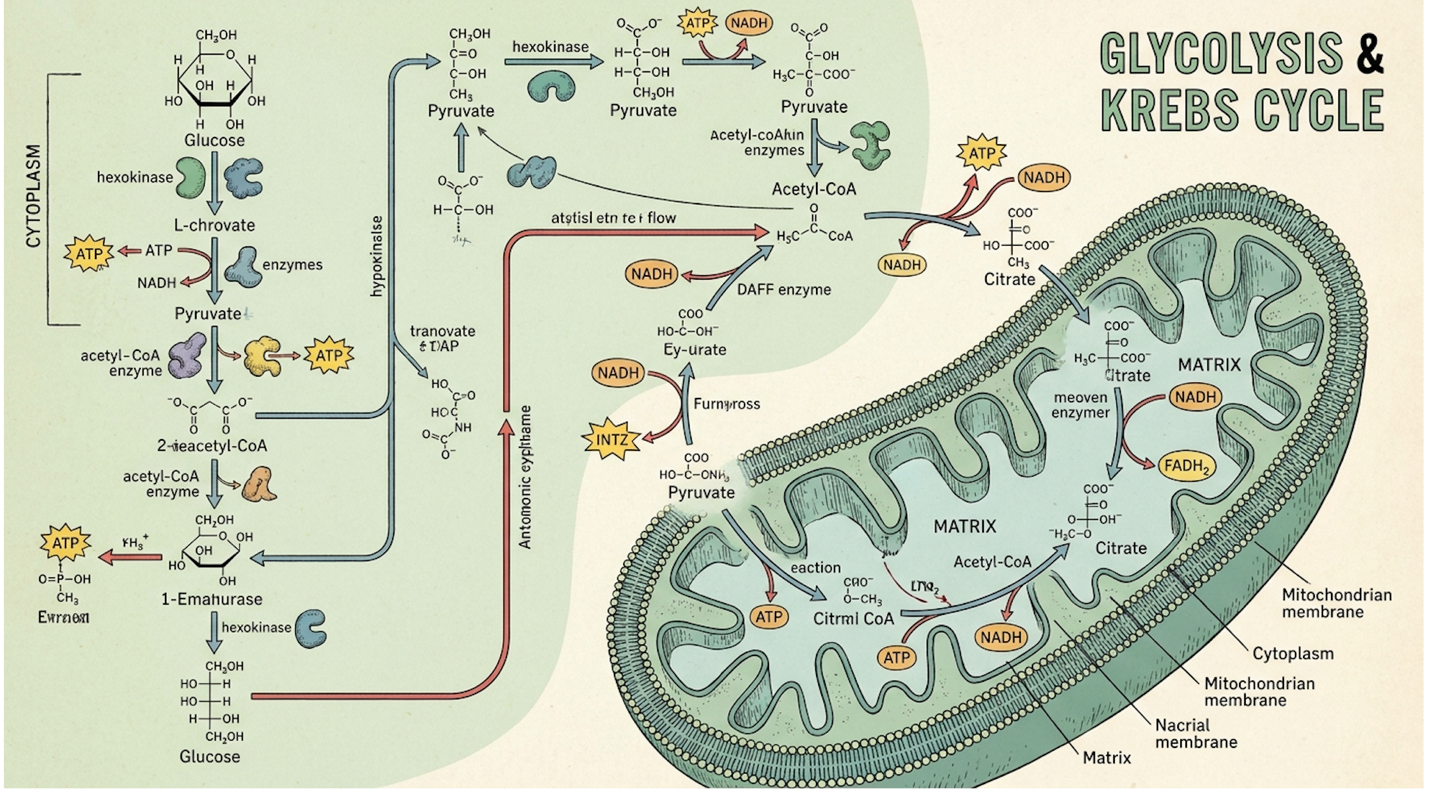
Figure 1: The metabolic switch from mTOR to AMPK activation is the primary physiological trigger for clearing senescent cells.
Clinical research on autophagy routinely measures specific biomarkers, like SIRT1 expression, LC3-II protein levels, and the degradation of p62, to quantify this cellular renewal. In clinical studies, a 30% reduction in p62 accumulation is often correlated with significantly improved cellular clearing. Without this mechanical and metabolic clearing, therapeutically administered stem cells enter a hostile, inflamed environment and die rapidly before they can ever engraft.
Sleep isn’t just passive rest. It is a highly active, biologically expensive repair cycle. The relationship between your circadian clock genes—specifically the BMAL1, CLOCK heterodimers, alongside PER and CRY proteins—and stem cell mobilization is absolute. Hematopoietic stem cells in your bone marrow rely entirely on these genetic oscillators to know exactly when to proliferate and when to enter systemic circulation. The sympathetic nervous system coordinates this by releasing noradrenaline into the bone marrow niche in rhythmic cycles, directly controlling stem cell release.
Fragmented sleep destroys this delicate biochemical rhythm. When you don’t achieve adequate N3 slow-wave (NREM) sleep, your autonomic nervous system remains in a high sympathetic tone. This chronically elevates systemic cortisol and pushes pro-inflammatory cytokines like IL-6 and TNF-alpha into your bloodstream. This inflammatory soup directly suppresses your regenerative capability. Circadian rhythm studies show that chronic sleep restriction downregulates the CXCR4/CXCL12 axis, which is the precise biochemical pathway responsible for progenitor cell homing and release from the bone marrow niche (Journal of Clinical Investigation, 2020).
Consider the massive difference in regenerative capacity between someone maintaining a strict 8-hour sleep schedule and someone chronically deprived. During deep N3 slow-wave sleep, the glymphatic system actively washes metabolic waste from the central nervous system, and the human body experiences its highest natural peaks of human growth hormone (HGH), usually within the first 90 minutes of sleep. This hormone facilitates direct tissue repair, accelerates amino acid uptake, and modulates the cellular microenvironment. Miss out on deep sleep, and you completely miss your body’s primary window for endogenous cell mobilization.
Nutrition dictates the chemical composition of your cellular neighborhood. An optimal diet for stem cells actively reduces advanced glycation end products (AGEs) and refined carbohydrates. High blood glucose leads to the glycation of proteins via the Maillard reaction. This literally crosslinks and stiffens the extracellular matrix (ECM). A stiffened, crosslinked ECM makes it incredibly difficult for stem cells to migrate to areas of injury. This localized stiffness also triggers systemic inflammation that exhausts local stem cell reservoirs over time.
To counteract this hostile matrix, clinical protocols lean heavily on dietary polyphenols and targeted phytonutrients. Found in dark berries, green tea, and medicinal fungi, these compounds neutralize ROS by upregulating the Nrf2 transcription factor. For example, sulforaphane derived from broccoli sprouts is a potent Nrf2 activator, while Epigallocatechin gallate (EGCG) from green tea actively suppresses the matrix metalloproteinases (MMPs) that degrade joint cartilage. Too much oxidative stress forces stem cells into premature senescence, rendering them biologically useless. Polyphenols act as a chemical shield, preserving the pluripotency and dividing capacity of these cells.
Patients frequently ask what drink increases stem cells. While no beverage magically generates new cells in your bone marrow, polyphenol-dense drinks like matcha or high-flavanol cocoa provide the biochemical substrates necessary to aggressively lower oxidative stress. Clinical protocols often target 400-500mg of EGCG to achieve measurable reductions in localized inflammation. They support the microenvironment without the marketing hype.
When patients ask how they can naturally increase their stem cells, the answer lies in modifying their daily biological inputs. You increase baseline progenitor cell activity by systematically clearing senescent cells and lowering systemic inflammation through rigorous lifestyle intervention. Time-restricted fasting protocols (16-24 hours) activate autophagy, clearing out the SASP biological debris that suppresses regenerative function.
High-intensity resistance training provides the mechanical stress necessary to mobilize tissue-resident cells for repair. Optimizing deep NREM sleep architecture ensures the proper release of growth hormone and coordinates circadian-driven cellular release. Nutritional supplements merely amplify these foundational biological processes; they cannot replace them. And let’s be honest, trying to out-supplement a terrible diet or chronic sleep deprivation is a losing battle.
When patients ask, “do stem cell supplements really work?”, the clinical answer requires differentiating biological support from commercial hyperbole. Scientifically, supplements cannot replace lost tissues or generate new progenitor cells on demand. Instead, the most efficacious compounds act upon the Cellular Microenvironment Matrix to optimize conditions for endogenous repair and modulate immune responses.
Let’s address the biological reality right now: no oral supplement contains live stem cells. It is biologically impossible. The human gastrointestinal tract is a highly destructive environment designed to break down biological matter. Stomach acid sits at a highly corrosive pH of 1.5 to 3.5. This acid, combined with proteolytic enzymes like pepsin and pancreatic proteases, denatures complex proteins and annihilates cellular membranes to extract basic nutrients. Any live cellular material swallowed in a capsule is instantly destroyed long before it ever reaches your hepatic portal vein or systemic bloodstream.
The FDA does not approve dietary supplements for the treatment or prevention of disease, meaning over-the-counter stem cell products legally cannot contain live cellular material or claim to repair tissues (FDA Enforcement Reports, 2023).
Despite this stark reality, direct-to-consumer brands use highly deceptive marketing. They slap labels like “cell proliferators” or “activators” on their bottles to exploit patient desperation. This terminology completely bypasses stringent biological definitions of cellular differentiation. They want you to conflate taking a pill with receiving a highly regulated, sterile clinical procedure.
Clinical therapies like true hematopoietic stem cell transplantation or image-guided autologous orthopedic injections require precise surgical extraction, sterile laboratory processing to isolate CD34+ or mesenchymal cells, and targeted administration that completely bypasses the digestive tract. You cannot replicate this complex biologic drug protocol with an over-the-counter bottle regulated under the Dietary Supplement Health and Education Act (DSHEA).
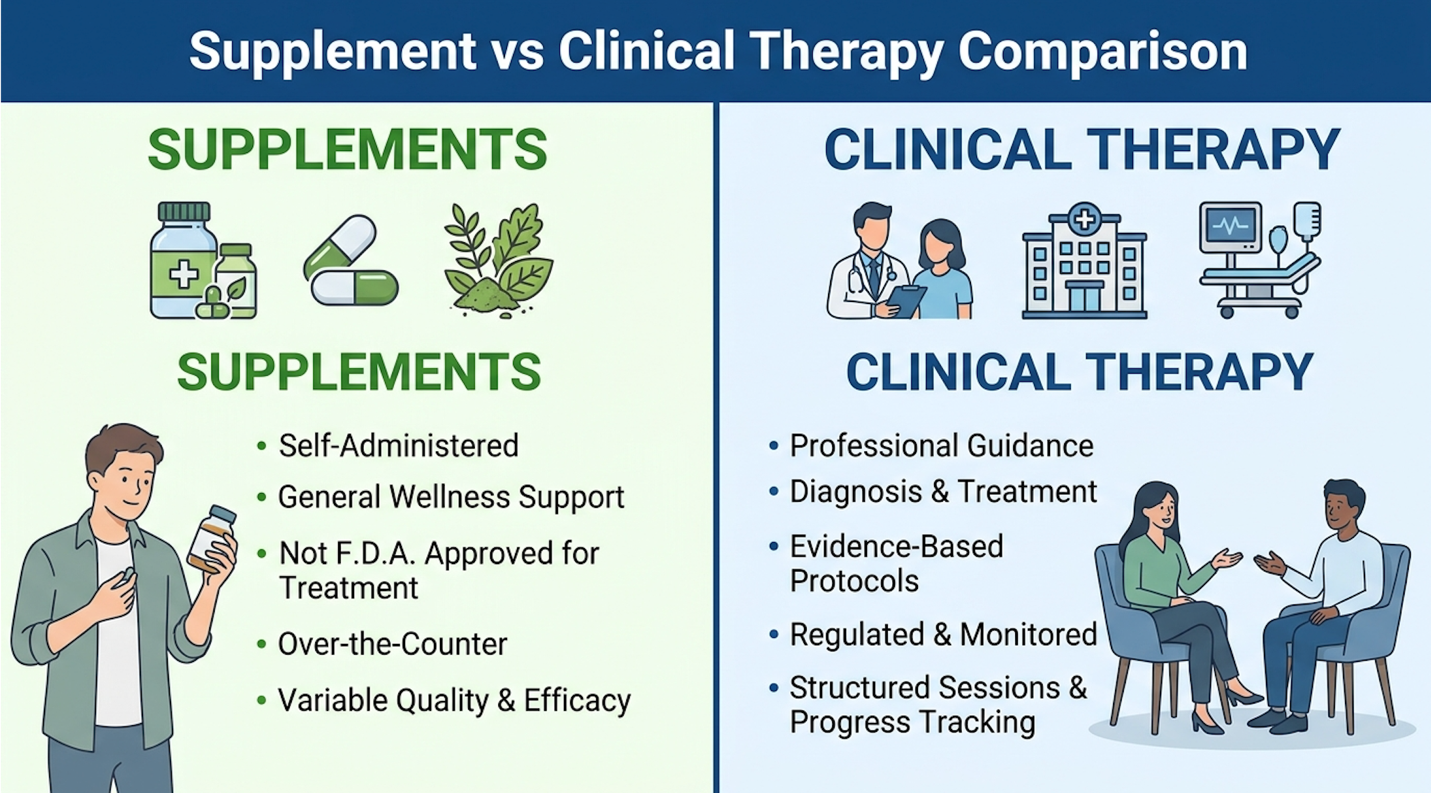
Figure 2: Legal and biological distinctions separate supportive nutrition from active cellular medicine.
When you deconstruct a generic “stem cell boosting” proprietary blend, the deception becomes completely obvious. You are usually looking at standard vitamins perhaps some Vitamin C, B12, and green tea extractrebranded at a massive 500% markup. Evaluating stem cell pills effectiveness means looking at the ingredient deck, not the marketing copy. Regulatory agency evaluations consistently warn consumers that claiming a dietary supplement can actively regenerate cartilage or cure neurological decline is both illegal and scientifically baseless (FTC Health Claims Guidelines, 2022).
| 📌 If you’re wondering what a legitimate, clinically appropriate supplement actually looks like, our article, Stem Cell Supplements Appropriate for Injection, breaks down the difference between marketing hype and real clinical use. |
If you want to navigate the current state of stem cell supplement research without being scammed, you have to understand how to read a clinical study. The supplement industry loves to cite in vitro studies experiments done in a 2D petri dish. But here’s the massive catch: pouring a highly concentrated chemical directly onto naked cells in a lab does not equal oral bioavailability in a human being.
When you swallow a capsule, it goes through first-pass metabolism in the liver. A compound that looked miraculous at suppressing inflammation in a petri dish is often converted into an inactive glucuronide by the liver. It often reaches the bloodstream in such minute quantities (low Cmax and poor Area Under the Curve) that it is biologically inert. Clinical research methodologies explicitly highlight this severe translational gap between isolated 2D laboratory models and actual in vivo human outcomes (Stem Cell Research & Therapy, 2021).
You also need to understand the profound difference between biomarkers and functional clinical endpoints. Let’s say a supplement increases a specific blood marker associated with cell mobilization. That is interesting data. But it does not automatically equate to your knee cartilage regenerating or your autoimmune symptoms resolving. Biological markers do not always translate to functional, quality-of-life improvements.
True clinical validation requires randomized, double-blind, placebo-controlled human trials. It requires adequate sample sizes, verified pharmacokinetic tracking, and long-term follow-up. When reviewing literature on PubMed or ClinicalTrials.gov, look for human data. Look for studies that measure functional outcomes like reduced joint pain verified by MRI, or improved metabolic clearance rather than just isolated blood proteins in a lab.
A common question is whether stem cell supplements really work for arthritis. Stem cell supplements do not regenerate lost cartilage or cure severe osteoarthritis, but they can significantly modulate the localized joint inflammation that drives pain and joint degradation. Compounds like high-absorption curcumin and Omega-3 fatty acids actively reduce the concentration of destructive matrix metalloproteinase (MMP) enzymes in the synovial fluid.
This biological down-regulation creates a much more hospitable environment for clinical orthobiologic injections. However, efficacy drops significantly if the joint is already bone-on-bone. Patients with severe structural damage require mechanical or clinical cellular interventions rather than relying solely on nutritional support. So, if someone tells you a pill will regrow your meniscus, they’re lying to you.
| 📌 If joint pain is your main concern, our article, Stem Cell Therapy for Knee Osteoarthritis, covers dosing, expected symptom relief, and what drives treatment success. |
Identifying the best stem cell supplements requires discarding proprietary blends in favor of single-molecule, clinically researched compounds. The top 5 stem cell supplements do not spontaneously generate tissue; rather, they act as potent stem cell enhancers by modulating the Cellular Microenvironment Matrix. These specific vitamins for stem cells optimize mitochondrial function, reduce systemic oxidative stress, and facilitate intercellular signaling.
We need to stop thinking of Vitamin D as just a bone vitamin. In the context of regenerative medicine, it is a potent immunomodulatory hormone. But form matters. Vitamin D2 (ergocalciferol) is vastly inferior to Vitamin D3 (cholecalciferol) when it comes to elevating and maintaining serum 25-hydroxyvitamin D levels.
The biological mechanism is straightforward but profound. The Vitamin D receptor (VDR) pairs with the Retinoid X Receptor (RXR) to form a heterodimer complex. This complex binds directly to DNA to influence the transcription of hundreds of genes related to cellular proliferation and differentiation. This is exceptionally critical within the bone marrow niche. When mesenchymal stem cells express VDR, they become far more resilient to oxidative stress. Endocrinology research demonstrates that optimal VDR signaling prevents these progenitor cells from entering premature senescence and losing their multipotent status (Journal of Endocrinology, 2021).
In clinical practice, we target serum levels between 40-60 ng/mL, often pairing D3 with Vitamin K2 to ensure calcium is directed into bones rather than arterial walls. Why this specific target? Because achieving this baseline modulates macrophages immune cells that clean up tissue damage—shifting them from a pro-inflammatory (M1) phenotype to an anti-inflammatory (M2) phenotype. If you inject stem cells into an M1-dominant, inflamed joint, they will die. Vitamin D3 flips that switch to M2, preparing the tissue bed for repair. We also see this clinically when evaluating patient recovery trajectories. Without adequate serum Vitamin D, the endothelial lining of blood vessels remains compromised, heavily restricting the delivery of circulating stem cells to target tissues.
| 📌 If you’d like the bigger picture of how stem cells regulate immune activity beyond this one pathway, our article, Mesenchymal Stem Cell Therapy for Immune Modulation, covers the broader mechanisms involved. |
As you age chronologically, your intracellular levels of Nicotinamide Adenine Dinucleotide (NAD+) plummet. This isn’t just a minor inconvenience; it is a primary driver of stem cell exhaustion. Without NAD+, your mitochondria cannot produce ATP efficiently, and cellular repair grinds to a complete halt.
Nicotinamide Riboside (NR), an NAD+ precursor, has been shown in human trials to restore senescent mitochondrial function, a critical requirement for maintaining stem cell pluripotency (Cell Metabolism, 2022).
The debate between Nicotinamide Riboside (NR) and Nicotinamide Mononucleotide (NMN) usually centers on cellular transport mechanisms, specifically the Slc12a8 transporter. Both are excellent precursors that feed directly into the NAD+ salvage pathway. Restoring these intracellular levels revitalizes mitochondrial function, heavily enhances sirtuin activity (as sirtuins are entirely NAD+ dependent), and preserves the self-renewal capacity of adult stem cells. Furthermore, NAD+ drives PARP enzymes, which are responsible for detecting and repairing DNA damage in aging cells. Clinical pharmacokinetic studies confirm that daily oral supplementation of NR (typically 300mg to 1000mg) safely elevates the human blood NAD+ metabolome without severe adverse effects (Nature Communications, 2021).
This mitochondrial decoupling is essential. It forces the cell to clear out dysfunctional mitochondria and replace them with highly efficient new ones a process called mitophagy. Beyond just energy, NMN and NR act as crucial signaling molecules that alert the cell to environmental stressors. When you elevate NAD+, you are effectively extending the operational lifespan of your existing progenitor cells, allowing them to perform sustained repair work.
Curcumin is perhaps the most documented natural anti-inflammatory compound in medical literature, but it is also the most misunderstood. Its primary regenerative mechanism is the potent epigenetic inhibition of the NF-κB inflammatory pathway, the suppression of Toll-like receptor signaling, and the downregulation of histone deacetylase (HDAC) activity. By downregulating these pathways, curcumin effectively prevents tissue fibrosis and pathological scarring.
But bioavailability is the massive hurdle here. Unformulated, raw turmeric or basic curcumin capsules are virtually useless. They suffer from rapid hepatic glucuronidation, meaning your liver clears them before they ever reach your systemic circulation. Molecular pharmacology reviews clearly state that to achieve therapeutic plasma levels, curcumin must utilize liposomal delivery, phytosome technology (like sunflower phospholipids in Meriva), or be paired with piperine to actively block liver clearance (Frontiers in Pharmacology, 2021).
When properly absorbed, curcumin creates a heavily anti-inflammatory microenvironment. This is paramount for the survival of therapeutically administered stem cells. If a physician injects orthobiologics into an osteoarthritic knee flooded with NF-κB cytokines, the treatment efficacy drops sharply. Curcumin protects these newly introduced cells from oxidative stress-induced apoptosis (programmed cell death), allowing them to actually engraft and function. We can’t overstate the importance of this immunomodulation. By cooling the inflammatory microenvironment, curcumin prevents the rapid degradation of newly synthesized extracellular matrix components, offering a prolonged window for biological healing.
Your cell membranes are not static walls; they are fluid, highly dynamic structures composed of a phospholipid bilayer packed with signaling receptors. The incorporation of Eicosapentaenoic acid (EPA) and Docosahexaenoic acid (DHA) into this bilayer is what dictates membrane fluidity and receptor function. Without adequate Omega-3s, cell membranes become rigid, disrupting how cells communicate via paracrine signaling.
More importantly, EPA and DHA are the biological precursors to specialized pro-resolving mediators (SPMs) specifically resolvins (RvE1, RvD1) and protectins. Lipid research journals emphasize that these SPMs do not just passively suppress inflammation; they actively turn it off, signaling the immune system that the acute healing phase is complete and stimulating macrophage efferocytosis (the clearing of dead cells) (Prostaglandins, Leukotrienes and Essential Fatty Acids, 2022).
Clinically, we don’t guess with fish oil. We check the Omega-3 Index via a simple blood test, targeting a score of 8% or higher. We also look for specific ratios of EPA to DHA depending on whether the primary goal is systemic inflammation reduction (higher EPA) or neurological tissue support (higher DHA). A robust, flexible lipid membrane is what protects progenitor cells during the intense physical shear stress of clinical harvesting (via centrifuge) and reinjection. Think of it this way: a cell membrane fortified with Omega-3s is a flexible, highly communicative barrier. This structural integrity directly enhances the cell’s ability to receive and interpret regenerative signals from neighboring tissues.
Resveratrol is a potent, naturally occurring polyphenol that acts as a direct allosteric activator of the SIRT1 pathway. SIRT1 is a longevity gene that plays an intricate role in DNA repair, cellular stress resistance, and the regulation of apoptosis. By upregulating SIRT1, resveratrol essentially forces the cell into a defensive, highly resilient posture.
This activation promotes the rapid clearance of reactive oxygen species (ROS), activates AMPK, and restores the structural integrity of mitochondrial membranes. Interestingly, the magic happens in synergy. SIRT1 is an NAD+-dependent enzyme. This means resveratrol works exponentially better when paired with NAD+ precursors like NR or NMN. You provide the fuel (NAD+) and step on the gas pedal (Resveratrol).
The clinical challenge with resveratrol is its notoriously rapid hepatic metabolism. Standard forms are broken down almost immediately via first-pass glucuronidation. To achieve legitimate sirtuin activation, patients must source micronized or trans-resveratrol formulations designed specifically to bypass immediate liver clearance, or opt for closely related analogs like pterostilbene. When you combine this sirtuin activation with adequate sleep and targeted fasting, the regenerative amplification is profound. You are essentially shifting the body out of a state of chronic decay and into a state of active, sustained renewal.
When looking for rapid results, many ask what supplement increases stem cells fastest. No single oral supplement rapidly multiplies stem cells; biological tissue modification is a slow, methodical process. NAD+ precursors (like NR and NMN) typically show the fastest measurable impact on cellular energy production, often improving mitochondrial metrics within a few weeks.
However, true microenvironment optimization requires compounding effects over months. Marketing claims promising instant cellular multiplication are scientifically fraudulent. True regenerative enhancement focuses on long-term reduction of oxidative stress rather than temporary, artificial stimulation. Remember, we’re rebuilding a biological foundation, not flipping a magic switch.
The primary role of supplements in stem cell therapy is not to replace the clinical procedure, but to prepare the biological tissue bed. To maximize stem cells before treatment, patients must strategically deploy nutritional interventions to lower systemic inflammation, thereby ensuring the Cellular Microenvironment Matrix is hospitable for cell engraftment and survival following administration. Studies indicate high-dose Omega-3s can increase bleeding times by over 25%—so clinical guidelines mandate a strict 14-day cessation before any cellular harvesting procedure.
You cannot optimize a severely degraded cellular microenvironment in a weekend. Modifying intracellular nutrient levels and reducing systemic inflammatory biomarkers like high-sensitivity C-reactive protein (hs-CRP) requires a minimum 30-day runway. This timeline is non-negotiable if you want to protect your financial and physical investment in regenerative medicine.
| 📌 If you’d like a fuller checklist for the lead-up to your procedure, our guide, How to Prepare Yourself Before and After a Stem Cell Injection, walks through what to do beforehand and how to recover afterward. |
The integration strategy operates in highly specific, phased biological modifications:
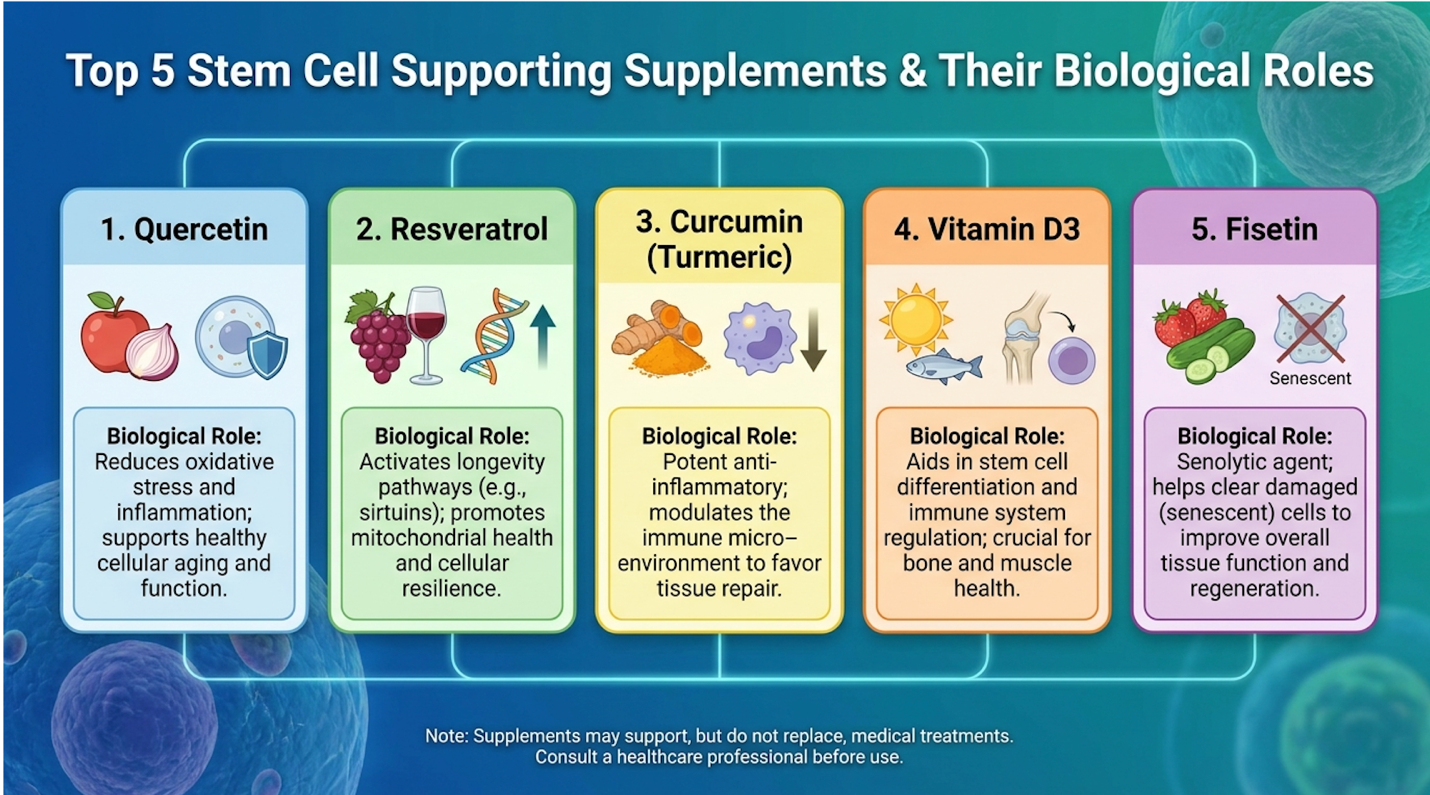
Figure 3: A structured 30-day phase-in ensures the tissue bed is biochemically primed for cell survival.
Modifying the Cellular Microenvironment Matrix reduces the immediate, hostile immune response that often destroys a massive percentage of therapeutically administered cells upon injection. If you prepare for stem cell therapy correctly, you aren’t just getting cells injected; you are ensuring they actually have a chance to engraft, survive, and thrive.
| 📌 If you’d like to understand what actually determines whether injected cells survive and take hold, our article, The Importance of Cell Viability in UC-MSC Stem Cell Therapy, covers why this quality marker matters so much. |
Optimizing for inflammation must never supersede perioperative safety. This is a vital rule. Regenerative medicine procedures whether bone marrow aspiration from the iliac crest, adipose tissue extraction via mini-liposuction, or deep intra-articular joint injections—involve large-bore needles, tissue trauma, and bleeding risks. Primary hemostasis (platelet plug formation) is critical to patient safety.
To minimize perioperative bleeding risks during cellular extractions, patients must typically cease high-dose Omega-3 and curcumin supplementation 7 to 14 days prior to stem cell procedures (Journal of Orthopaedic Surgery and Research, 2021).
Many patients assume that because a supplement is “natural,” it is harmless. This is a dangerous misconception. Several natural compounds profoundly inhibit platelet aggregation and directly interfere with the localized clotting cascades necessary to stop bleeding after tissue harvesting. If you develop a massive hematoma at the bone marrow aspiration site in your pelvis because your blood is too thin, your recovery will be deeply compromised.
Surgical safety guidelines strictly require the cessation of the following natural anticoagulants, due to their specific mechanistic interferences:
During the washout phase, clinical protocols systematically eliminate anything that could jeopardize the procedure. For example, stopping fish oil isn’t just a casual suggestion—it’s a critical safety mandate to prevent perioperative joint hematomas that can completely ruin an otherwise perfect orthobiologic injection. The goal isn’t just to flood the body with nutrients, but to carefully orchestrate a highly controlled biological state on the day of the procedure.
Clinical guidelines routinely mandate procedure cancellations if patients fail to disclose their high-dose fish oil regimen prior to entering the surgical suite. Enhancing stem cell therapy requires discipline. You will resume these supportive nutrients after the acute procedural healing phase is complete, strictly under the explicit guidance of your treating physician.
Modulating your biology has consequences. Acknowledging the specific scenarios where natural interventions carry risks is the foundation of evidence-informed medicine.
The most dangerous pitfall is assuming that over-the-counter vitamins can cure severe, end-stage degenerative conditions. They cannot. Nutrition supports the matrix; it does not reconstruct an obliterated joint or reverse advanced neurological decay.
Drug-nutrient interactions represent another massive blind spot. Taking highly bioavailable curcumin while on prescription blood thinners (like Warfarin or Eliquis) exponentially increases your risk of a catastrophic internal bleed.
Finally, there is a severe theoretical risk regarding oncological safety perspectives. If you have an undiagnosed malignancy, attempting to blindly stimulate cellular proliferation pathways could inadvertently feed tumor growth (Nature Reviews Cancer, 2022). Pushing the gas pedal on cellular renewal without first ensuring the engine is clear of cancer markers is clinically reckless.
Self-directed supplementation hits a hard ceiling when dealing with complex autoimmune conditions, advanced neurological decline, or severe osteoarthritis. At that point, guessing with dosages is insufficient.
You need a physician to interpret comprehensive blood panels, check tumor markers, and evaluate drug interactions. Supplementation must always be formally cleared by the physician performing your regenerative procedure. They are the ones managing your surgical risk and mapping your clinical outcomes.
Most single-ingredient stem cell supplements, such as Vitamin D3 and NAD+ precursors, are generally safe when taken at clinical dosages. However, safety profiles vary significantly based on individual metabolic health, current prescription medications, and underlying medical conditions. For example, high doses of anti-inflammatory supplements like curcumin can dangerously inhibit blood clotting if combined with prescription anticoagulants. Efficacy and safety are highly dependent on utilizing third-party tested, single-molecule formulations rather than proprietary “stem cell blends.” Always consult a qualified clinician prior to beginning any regenerative nutritional protocol.
Modulating the cellular microenvironment with stem cell supplements typically requires 30 to 90 days of consistent administration to register measurable biological changes (Journal of Translational Medicine, 2022). This timeframe is biologically necessary to alter systemic inflammatory biomarkers and restore intracellular nutrient deficiencies like depleted NAD+ levels. For instance, optimizing serum Vitamin D3 to therapeutic levels often requires at least four weeks of daily supplementation. You can’t rush this process. Individual timelines vary depending on baseline cellular health, adherence to circadian and dietary protocols, and the severity of existing systemic inflammation.
The most frequent side effects stem from poor formulation quality, gastrointestinal distress, and dangerous interactions with prescription medications. High-dose omega-3s and systemic enzymes often cause mild stomach upset or diarrhea during the initial loading phase. The most severe side effect involves unintended bleeding risks when patients mix natural anti-coagulants with prescription blood thinners.
There are absolutely no FDA-approved oral pills that contain live stem cells or are legally cleared to regenerate human tissue. The FDA strictly regulates cellular therapies as biological drugs, requiring extensive clinical trials, sterile processing, and physician administration. Over-the-counter products are classified merely as dietary supplements and are legally restricted from making disease-treatment claims. Any company marketing a capsule as an alternative to clinical cellular therapy is violating federal regulatory guidelines. Patients should immediately disregard products utilizing such deceptive medical terminology.
For patients investigating regenerative medicine, integrating stem cell supplements provides measurable optimization of the biological tissue bed. Clinical protocols utilizing Vitamin D3, NAD+ precursors, and omega-3 fatty acids require a minimum 30-day loading phase to effectively lower systemic inflammatory biomarkers (Journal of Translational Medicine, 2022). The most efficacious approach combines targeted single-molecule supplementation with stringent circadian and dietary regulation prior to any procedural intervention.
Utilizing the Cellular Microenvironment Matrix shifts the focus away from ineffective commercial marketing and toward rigorous biological optimization. By addressing systemic oxidative stress and metabolic inefficiency, patients can actively prime their physiology to support the survival and engraftment of cellular therapies.
Because nutritional interventions profoundly alter physiological pathways and carry contraindication risks, they must be integrated into a comprehensive medical strategy. Ready to explore evidence-based therapies? Book a consultation with a qualified specialist to undergo a formal suitability assessment and receive a personalized, evidence-informed protocol.