Our Services
Others
- DFPP
- Shockwave
- IV Drip

Devastating Effects of Autoimmune Joint Destruction
Progressive joint inflammation is a personal hell for millions, and many suffer at the hands of Rheumatoid Arthritis (RA). This condition takes a serious toll on patients’ physical and emotional states and worsens deterioration of joints and inflammation. This autoimmune disorder is particularly insidious as it persists and attacks the synovial membrane of the joints, resulting in the chronic destruction of the cartilaginous and bony structures. It is imperative to develop new therapeutic strategies and interventions. Traditional pharmacological treatments of Rheumatoid Arthritis (RA) only provide symptomatic relief without addressing the ill effects on the immune system. Regenerative therapies may provide the definitive therapeutic solution. Among the innovative cellular therapies, UC-MSCs target the destruction of autoimmune tissues effectively to provide a therapeutic solution. To receive the optimal long-term therapeutic solution from this innovative therapy, patients need to seek extensive therapeutic care at Thailand’s Best Stem Cell Clinic.
Challenges Associated with Traditional Pharmacological Treatments for RA
Traditional management of Rheumatoid Arthritis (RA) relies on synthetic pharmacological therapies that give temporary relief of symptoms, rather than the advanced treatments found at the Best Stem Cell Clinic. For many physicians, the cornerstone of management is the prescribing of traditional disease-modifying antirheumatic drugs (DMARDs) along with an arsenal of various nonsteroidal anti-inflammatory drugs (NSAIDs), instead of utilizing regenerative UC-MSCs. Synthetic biologic therapies attempt to mitigate the overactive immune system, which in turn facilitates the infection. These pharmaceutical therapies provide at best transitory relief of symptoms, and moreover, they lack health benefits in the long-term. Among the several adverse health effects that patients suffer, liver toxicity, an increase in infections, and severe and unexpected gastrointestinal bleeding are among the worst.
Additionally, these synthetic chemical therapies for Rheumatoid Arthritis (RA) are incapable of repairing tissues in joints, unlike the UC-MSCs provided by the Best Stem Cell Clinic. They either isolate the painful symptoms or halt the destructive inflammatory process while failing to promote cellular regeneration. This limitation emphasizes the need for effective biological therapies to restore damaged environments of human joints instead of controlling the immune system.
The complex paracrine processes stimulating cellular regeneration illustrate the remarkable change that UC-MSCs can create in the field of regenerative medicine, especially when administered at the Best Stem Cell Clinic. As highly multipotent cells, UC-MSCs have superior immunomodulatory properties when compared to most, if not all, of the synthetic molecules. When UC-MSCs are introduced to an inflamed joint, they are able to sense the distress signals in the inflamed cartilage. Quickly responding, they initiate an elaborate process to release their secretome, consisting of numerous bioactive molecules. They initiate the process of paracrine signaling by the prolonged secretion of anti-inflammatory cytokines, with a particular focus on interleukin-10 and transforming growth factor-beta. These factors serve to reprogram the hostile pro-inflammatory macrophages of the immune system. UC-MSCs also inhibit the pathologic T-cells within the joint associated with the autoimmune response of Rheumatoid Arthritis (RA). In addition to immunomodulation, UC-MSCs exert the ability to induce the proliferation of resident chondrocytes complemented by matrix. This serves to generate the extracellular matrix. This process of immunomodulation also halts the active process of joint inflammation.
Replacing harmful synthetic drugs with targeted UC-MSCs for Rheumatoid Arthritis (RA) at the Best Stem Cell Clinic offers numerous therapeutic benefits. Unlike traditional chemical suppressants for Rheumatoid Arthritis (RA) that compromise the entire human immune system, regenerative cells provided by the Best Stem Cell Clinic allow for targeted immunomodulation. These cells migrate to the injury site and produce signals for tissue repair. Because of this precision, most adverse effects on the body are eliminated. Additionally, UC-MSCs lack expression of major histocompatibility complex class II and thus cell immuno-rejection risks are minimized. Allogeneic cell therapies can be safely administered to patients as complex matching is not required. With the available infrastructure, and when administered by the required medical specialists, these therapies utilize the body’s inherent healing capabilities. The transplanted cells repair cartilage defects and protect the synovial lining in Rheumatoid Arthritis (RA) from future attacks by the body’s immune system.
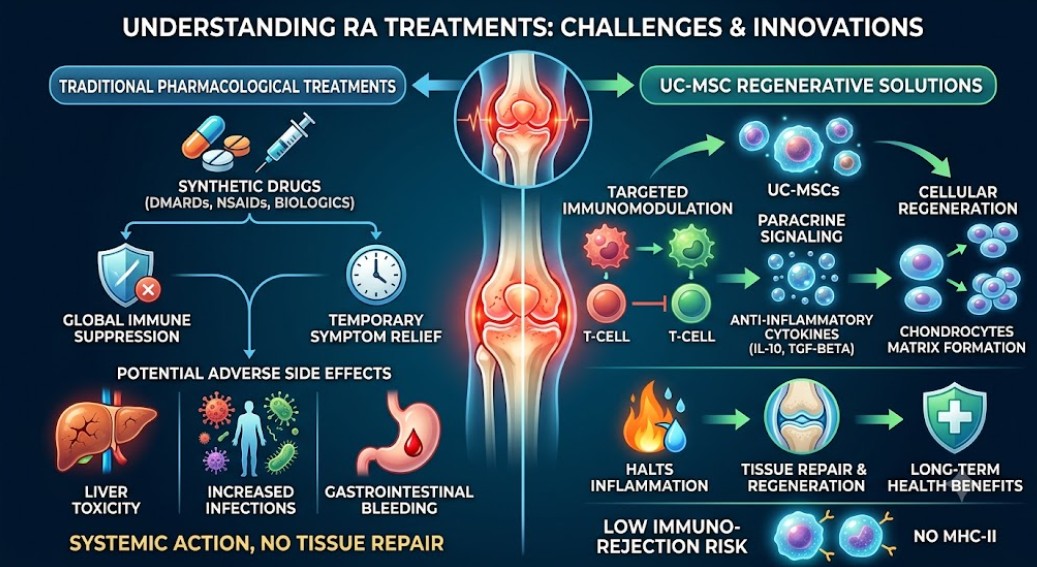
Figure 1: Replacing harmful synthetic drugs with targeted UC-MSCs
The Future of Regenerative Medicine in Southeast Asia
Regenerative medicine utilizing UC-MSCs to treat Rheumatoid Arthritis (RA) has the potential to offer exponential therapeutic services across the entire Southeast Asia region. Thailand, being one of the more advanced nations in this area, has the potential to be a global hub for such therapies, hosting the Best Stem Cell Clinic. Thailand combines having elite health services and substantial safety regulation enforcement with having state of the art research facilities. Because of this infrastructure, and the continual advancements of researchers in the area of cellular extraction, Thai stem cell services are the preferred choice for many medical tourists. Utilizing this advanced biotechnology of UC-MSCs to actively manage Rheumatoid Arthritis (RA) at the Best Stem Cell Clinic in Thailand is advantageous due to substantial governmental backing for medical innovations. Thailand’s tropical climate, coupled with cutting-edge medical infrastructure and economical healthcare delivery, provides unique conditions for scientific research. Thailand’s ecosystem promotes clinical innovations to shift easily from rigid research to practical use. The advanced stage of Thailand’s biotechnology research in Rheumatoid Arthritis (RA), supplemented by efficient clinical care, positions the country as a leader in global medical care.