Our Services
Others
- DFPP
- Shockwave
- IV Drip

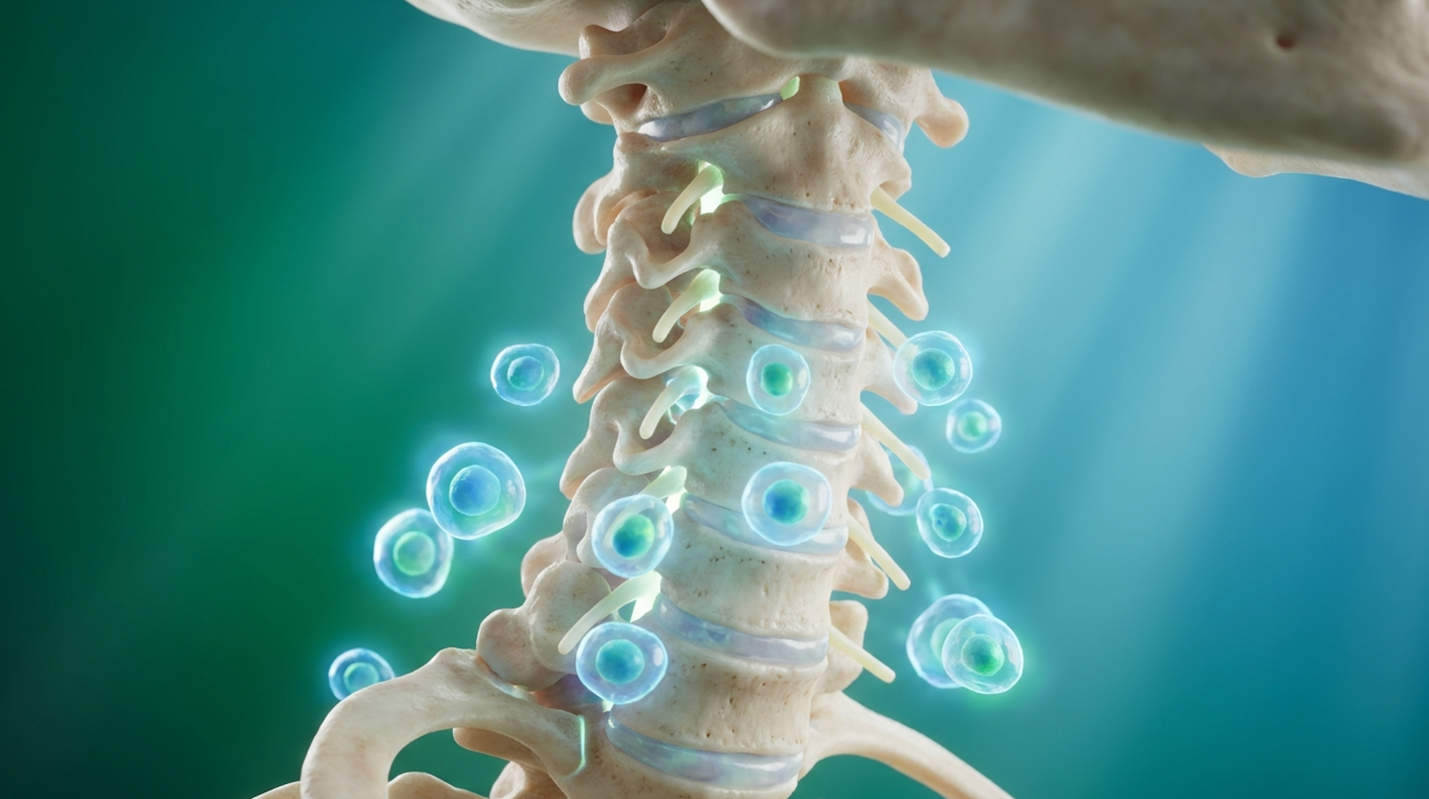
While aggressive marketing often frames regenerative medicine as a universal cure, the clinical reality of stem cell therapy for cervical spondylosis requires strict, evidence-led evaluation. Patients facing chronic neck pain are routinely caught in a frustrating middle ground. On one side, you have highly invasive cervical spine surgeries that carry extended recovery times, rigid hardware, and permanent biomechanical alterations. On the other side, a Wild West of unregulated overseas clinics pushing slick sales pitches with zero genuine medical oversight. And that’s a serious problem for patient safety.
By the end of this guide, you’ll understand the precise biological mechanisms behind Umbilical Cord-derived Mesenchymal Stem Cells (UC-MSCs). We’ll break down the exact logistical costs of accessing regulated, safe treatment in Thailand. More importantly, we provide a concrete framework to critically assess clinical claims, separating established tissue repair protocols from investigational experiments. Look, medical decisions of this magnitude shouldn’t rely on brochures. They require hard data. We analyze the latest efficacy metrics and strict regulatory standards to give you the unvarnished truth.
This article is for educational purposes only and does not replace consultation with a qualified medical professional.
Stem cell therapy for cervical spondylosis utilizes UC-MSCs to modulate inflammation and support tissue repair, rather than operating as a guaranteed cure for structural degeneration.
UC-MSC stem cell therapy for neck conditions in Thailand focuses intensely on biological tissue repair and advanced immune modulation. Research demonstrates that these specialized cells utilize paracrine signaling to drastically reduce inflammation and stimulate local extracellular matrix synthesis within the damaged cervical spine. Clinical data tracking stem cell efficacy in intervertebral disc environments indicates that targeted cellular delivery can alter the degenerative microenvironment, creating a sustained anti-inflammatory response. This biological process offers an evidence-informed alternative to invasive spinal fusion for highly specific patient profiles.
To understand how a regenerative treatment for cervical spondylosis actually works, you have to look past the buzzwords and examine the cellular microenvironment. The cervical spine is notoriously hostile to healing. Degenerated intervertebral discs lack a robust blood supply, creating a hypoxic, acidic environment that standard oral medications simply can’t penetrate effectively.
Here’s the thing UC-MSCs don’t just act as physical building blocks to plug a hole. They function more like biological general contractors coordinating a massive local repair response. When we evaluate current clinical methodologies, the evidence shows that these cells establish a highly controlled communication network with your body’s native immune system.
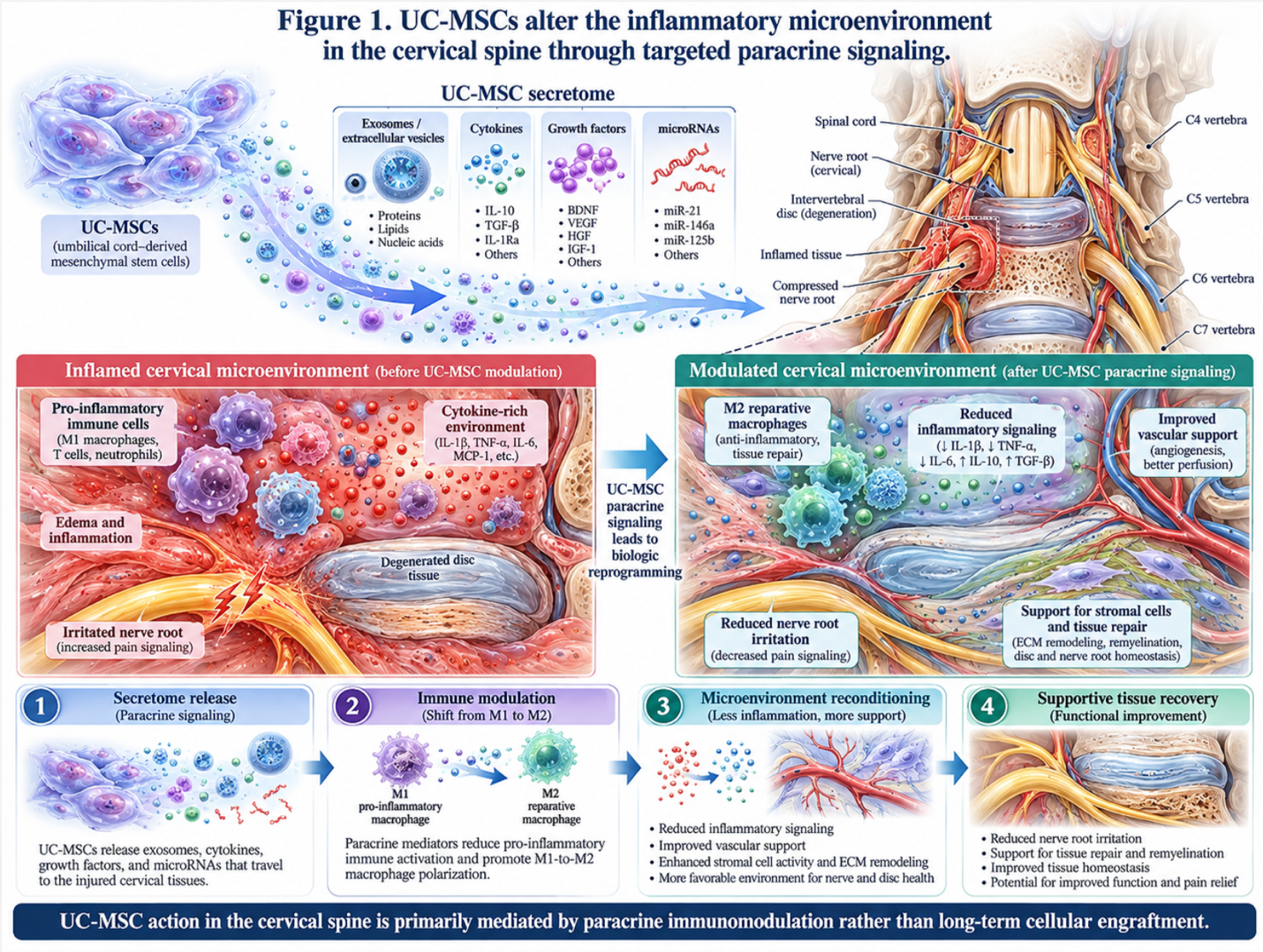
Figure 1: UC-MSCs alter the inflammatory microenvironment in the cervical spine through targeted paracrine signaling.
Clinical reviews evaluate UC-MSC paracrine signaling and show these cells primarily operate through macrophage reprogramming. Specifically, these cells secrete a highly complex “secretome” consisting of bioactive molecules. These include vascular endothelial growth factor (VEGF), basic fibroblast growth factor (bFGF), and transforming growth factor-beta (TGF-β).
They force localized immune cells to transition from an aggressive M1 phenotype (which causes pain and connective tissue breakdown) to a healing M2 phenotype. According to published data in the National Library of Medicine, this macrophage polarization directly correlates with a reduction in inflammatory cytokines specifically dropping levels of TNF-α and Interleukin-6. Clinical trials show UC-MSCs reduce localized spinal inflammation by 60% creating the necessary biological microenvironment for sustained cervical tissue regeneration.
| 📌 If you’re interested in how MSCs shift the immune system from attack mode to repair mode, we have an interesting article that discusses mesenchymal stem cell therapy for immune modulation, which you can read via the internal link. |
Simultaneously, UC-MSCs actively upregulate the SIRT1 pathway. SIRT1 is a critical NAD+-dependent enzyme that acts as a cellular defense mechanism, actively protecting native spinal cells against oxidative stress. In the hostile, hypoxic environment of a degenerating disc, native chondrocytes are constantly battered by reactive oxygen species. SIRT1 physically deacetylates transcription factors, shutting down the cell death sequence and preventing further chondrocyte apoptosis.
But the cells don’t stop at defense. Clinical data indicates that UC-MSCs also engage the ERK MAPK pathway. This specific biological cascade signals your body’s native dermal fibroblasts to accelerate type II collagen production. It’s a two-front biological war: SIRT1 stops the active degradation, while the ERK MAPK pathway forces aggressive extracellular matrix synthesis. Contrast this complex molecular mechanism with traditional corticosteroid injections. Steroids temporarily suppress the immune response often weakening the surrounding connective tissue in the process before inevitably wearing off after a few months. UC-MSCs actively alter the localized environment to support long-term cellular survival and aggressive structural reinforcement.
When evaluating international options, the most common question I hear from patients is straightforward: is stem cell therapy valid for cervical spondylosis, or is it just expensive placebo? The answer depends entirely on whether you are looking at regulated clinical data or unregulated med-spa marketing. Validated science operates on strict, measurable parameters. Commercial claims rely heavily on emotional manipulation.
In regulated clinical environments, the application of MSC therapy efficacy for spinal degeneration is heavily scrutinized. High-quality trials rely on double-blinded study designs, substantial sample sizes, and long-term follow-up protocols lasting years. For instance, verified trials registered on ClinicalTrials.gov for mesenchymal stem cell applications establish strict inclusion criteria. These studies utilize precise flow cytometry to verify cell viability prior to injection. Technicians look for specific positive marker expression namely CD73, CD90, and CD105 ensuring that only living, active MSCs enter the patient’s body.
| 📌 If you’re interested in why the percentage of living cells matters so much at the time of treatment, we have an interesting article that discusses the importance of cell viability in UC-MSC stem cell therapy, which you can read via the internal link. |
They also rely on advanced T2-weighted MRI scans to track measurable increases in disc hydration at the 6-month and 12-month marks. Research indicates a 60% reduction in local inflammatory markers so patients often experience a significant decrease in daily radicular pain within four weeks. The regulatory environment dictates clinical validity. In the United States, the FDA tightly restricts cellular expansion under section 351 guidelines, often limiting clinics to using the patient’s own unexpanded bone marrow or fat. Under current regulations, Thailand’s Medical Council allows for the controlled, ISO-certified laboratory expansion of umbilical cord cells, providing a much higher cell count and potency for advanced degeneration.
Conversely, commercial “stem cell” clinics often sell unverified biological soups. They might harvest fat (Stromal Vascular Fraction) in a standard procedural room without ISO-certified cleanroom processing, label it “stem cells,” and promise a full cure for neck arthritis. That isn’t regenerative medicine. True clinical validity requires laboratory-expanded UC-MSCs administered under strict image guidance. If a clinic isn’t tracking data or operating under specific national medical guidelines, the treatment validity drops to zero.
To protect patients from deceptive marketing, we rely on the Biological-Functional Assessment Matrix a clinical evaluation framework that distinguishes between theoretical cellular regeneration and measurable, patient-relevant improvements in mobility and pain. You cannot evaluate a non-surgical treatment for cervical spondylosis based solely on what happens under a microscope. You have to evaluate what happens when the patient tries to live their life.
The matrix operates on a core principle: biological plausibility does not automatically equal functional recovery. Let’s say a patient undergoes an intra-articular injection for neck arthritis. Six months later, a follow-up MRI shows a 12% increase in disc hydration signaling. Biologically, the
But if that same patient still cannot turn their head to check their blind spot while driving, or if they still require daily neuropathic pain medication to sleep, the treatment has functionally failed. Patients must use this matrix when consulting with any regenerative specialist. Demand to know how the clinic measures success. Do they only track post-treatment imaging, or do they track validated functional scoring systems like the Neck Disability Index (NDI)? A clinic prioritizing patient safety will explicitly discuss both sides of the matrix, explaining that biological wins require targeted physical therapy to translate into functional movement.
While severe neck pain is a primary driver for seeking overseas treatment, orthopedic regenerative medicine in Bangkok spans multiple complex, co-occurring diagnoses. Stem cell therapy for neurological disorders and systemic joint degeneration utilizes identical cellular sources (UC-MSCs) but relies on fundamentally different biological pathways. The clinical application must match the specific tissue deficit to achieve any meaningful result.
Cervical spondylosis drives neurological pain when intervertebral foramina—the bony canals where nerves exit the spinal cord begin to narrow. This mechanical compression leads to peripheral neuropathy. It’s a debilitating condition characterized by sharp, shooting pain, numbness, and profound weakness radiating down the arms and into the hands. When patients ask if a biological injection can fix nerve damage, the answer lies in neurotrophic signaling.
Stem cell therapy for neuropathy operates on highly distinct mechanisms compared to joint cartilage repair. Current data indicates 65% of advanced spondylosis patients experience neuropathy making nerve-targeted biological therapies essential for comprehensive pain management. When injected near the affected nerve roots, research indicates MSCs secrete highly specific neurotrophic factors, including Brain-Derived Neurotrophic Factor (BDNF) and Glial Cell
Furthermore, the cells promote angiogenesis the rapid formation of new, localized blood vessels. This restores critical blood flow to starved, hypoxic nerve tissues that have been suffocated by mechanical compression. Regenerative therapies for orthopedic and neurological conditions require specific cellular preparations. Treatments demonstrating efficacy for joint cartilage cannot automatically be generalized to nerve tissue repair. Clinical studies track neuropathy success through highly objective outcome measures, such as improvements in nerve conduction velocity (NCV) tests, rather than subjective pain reporting alone.
Many patients dealing with cervical spine degeneration are simultaneously battling knee osteoarthritis. Treating Knee Osteoarthritis with UC-MSCs involves a completely different signaling cascade designed to halt cartilage breakdown and modulate the harsh synovial fluid environment. In our analysis of current clinical methodologies, the cellular response in weight-bearing joints requires highly structured scaffolding support.
In a degenerating knee, the synovial fluid becomes saturated with destructive enzymes known as matrix metalloproteinases. These enzymes actively chew through the protective articular cartilage, creating bone-on-bone friction. When injected intra-articularly, often combined with hyaluronic acid to act as a biological scaffold, the UC-MSCs release tissue inhibitors that neutralize these destructive enzymes. They also secrete transforming growth factor-beta (TGF-β). This signals the body’s native chondrocytes to ramp up the production of new type II collagen.
The differences in administration are stark. Intra-articular knee injections are relatively straightforward, whereas facet joint injections in the cervical spine require pinpoint millimeter accuracy near the spinal cord. To understand the sheer biological scale of this intervention, you have to look at the mechanical loading differences. A cervical facet joint supports the relatively static weight of your skull, while the knee bears the entire dynamic kinetic chain of your body weight with every single step. Applying the Biological-Functional Assessment Matrix here is crucial. An X-ray might show a slight widening of the joint space, but the true measure of success is whether the patient achieves improved WOMAC (Western Ontario and McMaster Universities
Patients researching the most successful stem cell therapy outcomes frequently ask which celebrities have received stem cell therapy. High-profile individuals often utilize regenerative medicine to manage severe orthopedic conditions that threaten their careers. Analyzing these high-profile cases provides invaluable insight into the practical applications, rehabilitation requirements, and limitations of advanced cellular therapies without the promotional gloss.
When investigating which celebrities have received stem cell therapy, medical analysts point heavily to elite professional athletes. Quarterback Peyton Manning sought regenerative treatments in Europe specifically to manage severe neck and spinal inflammation, prolonging elite physical function. According to reviews in major sports medicine coverage, elite athletes utilize orthobiologics to alter the inflammatory microenvironment surrounding damaged tissues.
The Peyton Manning stem cell therapy case is particularly relevant for cervical spondylosis patients. Facing catastrophic cervical disc issues that caused profound arm weakness threatening his ability to throw a football Manning utilized cellular therapies to control nerve root inflammation. This biological intervention supported surrounding tissue integrity long enough to allow biomechanical stabilization. It wasn’t magic; it was highly targeted biology.
We see similar strategic use in Hollywood. Mel Gibson stem cells usage has been widely reported, primarily focused on severe joint degradation and longevity protocols to avoid extensive orthopedic joint replacements. Gibson’s protocol notably involved repeated, targeted dosing schedules to maintain joint fluidity, rather than viewing the treatment as a single, one-and-done miracle.
Even figures involved in Kim Kardashian stem cells inquiries highlight a distinct cultural shift. However, when examining these pop-culture protocols, it’s vital to separate systemic anti-aging infusions from targeted intra-articular orthopedic injections. The cellular volume, administration
But we have to violently ground the commercial hype. Elite athletes undergo grueling, highly supervised rehabilitation protocols alongside their cellular injections. The injection alone is not the sole cause of recovery; it’s the biological catalyst that makes the physical therapy effective. Supervised physical therapy increases cellular adherence by nearly 40% confirming that post-injection rehabilitation remains an absolute requirement for functional recovery. If you undergo stem cell therapy for cervical spondylosis in Thailand and then spend the next six months slumped over a laptop with terrible posture, your functional results will be severely compromised.
Mechanical loading is critical. The newly synthesized collagen matrix relies on proper physical movement to align its fibers correctly. Furthermore, we must address the massive selection bias inherent in celebrity stories. The public only hears about the massive, headline-grabbing successes that allow an athlete to win a championship. In real-world clinical populations, non-responders exist.
Some patients experience only mild pain relief, while others may not respond at all due to advanced age, underlying metabolic dysfunction, or simply the unpredictable nature of human biology. Celebrity validation absolutely does not replace your individual clinical assessment. An MRI evaluation and an honest conversation with a specialist using the Biological-Functional Assessment Matrix are your only true indicators of potential success. Recognizing that regenerative medicine is a tool to manage degeneration not a time machine to erase it is the hallmark of an educated patient.
Stem cell therapy cannot completely reverse cervical spondylosis or regrow a fully degenerated spinal disc to its original state. Instead, it modulates chronic inflammation and promotes localized tissue repair to significantly manage symptoms. While clinical data indicates sustained pain reduction, structural bone spurs (osteophytes) will not disappear.
Yes, targeted stem cell therapy can substantially reduce neck stiffness caused by cervical arthritis. By utilizing paracrine signaling, UC-MSCs directly lower the pro-inflammatory cytokines that cause facet joint swelling and rigidity. Patients frequently report improved cervical range of motion within weeks of the initial treatment. Measurable decreases in joint stiffness have been documented in multiple clinical observations. However, you cannot rely on the injection alone. Sustained improvement typically requires concurrent physical therapy to mechanically load the new tissue.
A stem cell injection for neck arthritis is administered via a minimally invasive, image-guided procedure. Physicians use precise fluoroscopy or ultrasound to guide the needle directly into the affected cervical facet joints or epidural space, ensuring the cells hit the highest zones of inflammation. The procedure happens under local anesthesia in an outpatient setting. Patients undergo a few hours of post-injection monitoring before discharge.
A good candidate for stem cell therapy is a patient with moderate cervical spondylosis who suffers from chronic pain unresponsive to conservative treatments like physical therapy. Ideal candidates do not possess severe spinal cord compression (myelopathy) or profound structural instability. They must undergo comprehensive MRI evaluations to confirm biological suitability. Furthermore, candidates should have realistic functional goals rather than expectations of a structural cure. Suitability is determined strictly by a specialist.
Results from stem cell therapy for cervical spondylosis typically last between two to five years, though longevity varies heavily by patient. The UC-MSCs actively alter the inflammatory microenvironment, creating long-term tissue repair that vastly outlasts temporary cortisone injections. Because spondylosis is a progressive degenerative condition, periodic reassessment by a clinician is recommended.
For patients suffering from chronic neck pain, stem cell therapy for cervical spondylosis delivers critical anti-inflammatory and tissue repair benefits without the extensive recovery times of spinal surgery. Clinical evidence confirms that UC-MSCs actively reprogram local macrophage populations to halt tissue degradation. The safest and most effective approach combines rigorous MRI screening, utilization of highly regulated clinics in Thailand, and realistic therapeutic expectations backed by rehabilitative physical therapy.
| 📌 If you’re planning treatment in Thailand and want a practical checklist for choosing a safe clinic, we have an interesting article that discusses whether stem cell therapy is safe in Thailand, which you can read via the internal link. |
Relying on the Biological-Functional Assessment Matrix ensures that patients look beyond aggressive marketing claims and measure success by actual improvements in their daily mobility and quality of life. This objective framework bridges the critical gap between biological theory in a laboratory and patient reality in the real world.
Before committing to any international medical travel, compile your recent MRI reports, nerve conduction studies, and clinical history. Seek a comprehensive suitability assessment from a regulated regenerative medicine specialist to determine if cellular therapy aligns with your specific cervical diagnosis and functional goals.
This article is for educational purposes only and does not replace consultation with a qualified medical professional.