Our Services
Others
- DFPP
- Shockwave
- IV Drip


Patients researching the treatment of kidney failure with stem cells often encounter a confusing mix of ongoing clinical trials and wildly unverified offshore claims. When a nephrologist tells you that dialysis or a transplant are your only conventional options, the internet is quick to offer an alternative. But let’s be absolutely clear right out of the gate. The internet lies.
The reality of regenerative nephrology for End-Stage Renal Disease (ESRD) isn’t about magical infusions that instantly rebuild necrotic tissue. It’s about highly complex, heavily regulated biology. Chasing unverified therapies in foreign jurisdictions carries massive emotional and financial burdens, often resulting in severe immune complications rather than healing.
By the end of this clinical analysis, you’ll understand the exact biological mechanisms currently under investigation, legitimate trial availability, and the stark financial realities required to make safe, evidence-informed decisions. We’ll examine mesenchymal stem cell efficacy, rigid patient suitability criteria, and the critical importance of managing your conventional treatment protocols in the interim.
Because navigating this requires a highly objective lens, we rely on The Evidence-Led Cellular Framework a strategic evaluation model for stem cell therapies requiring validation of clinical trial status, documented anti-inflammatory mechanisms, and meaningful functional outcomes before a patient ever considers participation.
Investigational treatment of kidney failure with stem cells focuses heavily on reducing inflammation rather than regenerating complete nephrons.
The investigational treatment of kidney failure with stem cells relies on modulating the immune response rather than growing new organs. Mesenchymal stem cells in preclinical models show efficacy by reducing inflammation, rather than regenerating whole nephrons (NIH). This evidence-informed reality sets realistic expectations for patient safety and functional outcomes, prioritizing measurable disease mitigation over unproven regenerative claims.
When we talk about cellular therapies in a nephrology context, we aren’t talking about a single, uniform product. Mesenchymal Stem Cells (MSCs) for kidney disease typically adult stem cells sourced from bone marrow, adipose (fat) tissue, or umbilical cord Wharton’s jelly are the primary focus of current U.S. clinical trials. Why? Because they possess a unique ability to secrete localized paracrine signals. They don’t just sit there and become kidney cells. They act like biological factory managers, releasing specific proteins and exosomes into the damaged renal microenvironment to alter how the local tissue behaves.
Amniotic Stem Cells, derived from amniotic fluid, represent an alternative cellular source. These cells sit somewhere between embryonic and adult stem cells in terms of pluripotency. While amniotic fluid stem cells for kidney repair show fascinating potential in laboratory settings due to their highly proliferative nature and lack of ethical sourcing dilemmas, they present distinct biological behaviors once introduced into a highly toxic, uremic environment.
Here’s the thing. Applying The Evidence-Led Cellular Framework means we have to look at what these cells actually do inside a failing organ. If you infuse MSCs into a kidney ravaged by diabetic nephropathy, the cells face an incredibly hostile environment. High glucose, localized hypoxia, and rampant oxidative stress immediately attack the infused cells.
To survive and exert any benefit, MSCs release an array of cytokines and growth factors. They essentially sacrifice themselves to change the local environment. Amniotic derivatives, on the other hand, often require intense ex-vivo expansion (growing them in a lab) before they hit therapeutic numbers, which can alter their native secretome. Ultimately, while the cellular origins dictate their theoretical potential, the actual mechanism inside a damaged human kidney centers entirely on inflammation control rather than rebuilding millions of complex microscopic filters from scratch.
Let’s dismantle a persistent and dangerous myth right now. Stem cell-based treatment of kidney diseases does not currently build new kidneys inside a living human. Anyone selling you a “new kidney in a syringe” is lying.
Instead, the true therapeutic value lies in immunomodulatory effects. When chronic kidney disease progresses, the kidneys undergo a relentless process of scarring known as tubulointerstitial fibrosis. Your immune system, trying to fix the initial damage, inadvertently sends macrophages that drive continuous inflammation, replacing functional filtration tissue with useless scar tissue.
MSCs interrupt this catastrophic loop. Upon entering the renal capillary network, they encounter these pro-inflammatory macrophages (the M1 phenotype). Through the secretion of factors like Prostaglandin E2 (PGE2) and Transforming Growth Factor-beta (TGF-β) modulators, MSCs actively reprogram these localized immune cells. They force them into an M2 tissue-repair phenotype.
This mechanism is about preserving whatever residual renal function remains. It’s about halting the fibrotic march. A National Institutes of Health review confirmed that mesenchymal stem cells primarily show efficacy in preclinical models by reducing inflammation, inhibiting fibrosis, and modulating the localized immune response (NIH).
For a patient staring down the barrel of lifelong hemodialysis, halting disease progression at a Glomerular Filtration Rate (GFR) of 18 mL/min is a massive functional outcome. It keeps you off the machine. It maintains a fragile quality of life. But it’s critical to maintain realistic expectations this anti-inflammatory stem cell therapy is mitigation, not a time machine. Because these mechanisms are still being proven in actual human subjects with complex comorbidities, regulatory bodies maintain incredibly strict oversight over their clinical deployment.
No stem cell therapy is currently FDA approved as a standard intervention for kidney disease. Period.
The only FDA-approved stem cell products on the market are specific blood-forming cells derived from umbilical cord blood, strictly authorized for specific hematological disorders like certain lymphomas or leukemias. Everything else in the nephrology space is investigational.
Patients seeking legitimate, evidence-informed treatments must navigate Phase 1 (safety) and Phase 2 (efficacy) clinical trials. You can’t just buy a verified treatment. You have to qualify for it. Patients seeking experimental treatments can review actively recruiting Phase 1 and Phase 2 clinical trials evaluating Kidney Regeneration Therapy directly through federal registries (ClinicalTrials.gov).
Participation requires submitting to exhaustive suitability assessments, signing massive informed consent documents, and committing to years of aggressive biological monitoring. It’s a grueling process.
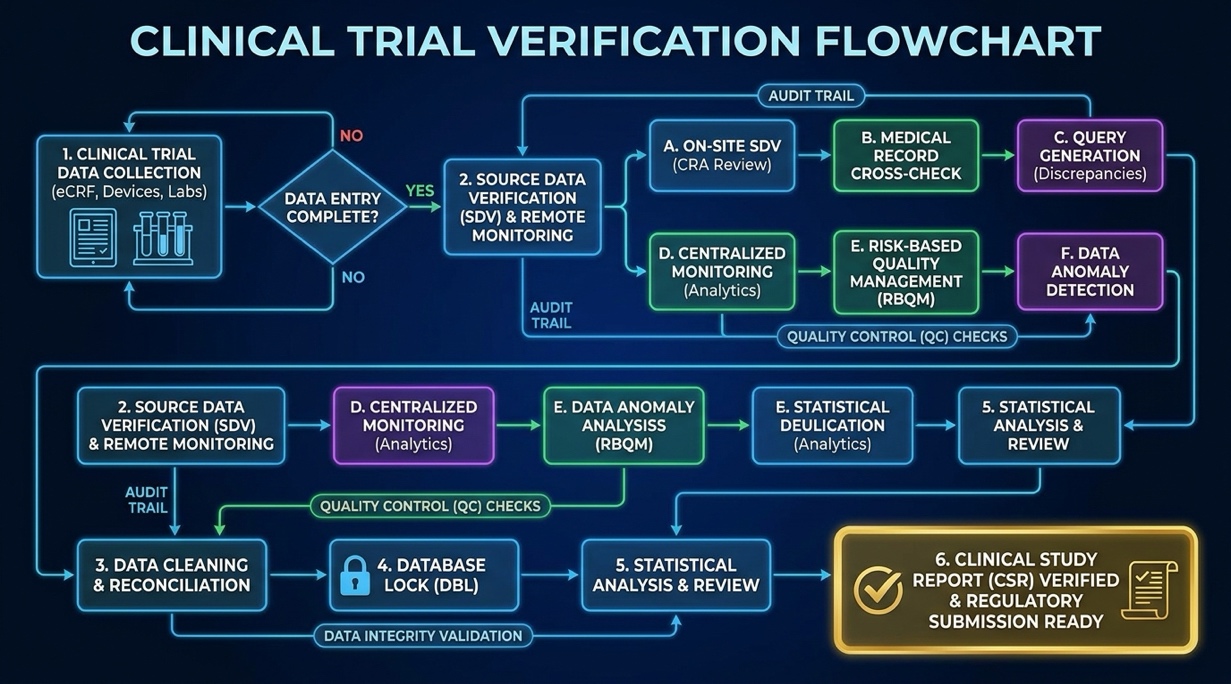
Understanding the experimental, highly regulated nature of these trials is absolutely critical. It acts as your primary defense mechanism when evaluating the massive financial burdens required to participate outside of standard, insured care.
The cost of stem cell therapy for kidney failure in the USA remains highly variable because these treatments are investigational and typically excluded by standard commercial insurance. Suitability assessments dictate that not every patient qualifies for clinical trials or compassionate use programs. Furthermore, the FDA warns that offshore clinics often falsely advertise stem cell therapies as safe and effective, lacking necessary regulatory oversight for patient safety (FDA).
When treatments lack FDA approval, standard health insurance carriers step out of the room. Medicare won’t touch it. Blue Cross won’t cover it. The financial toxicity of pursuing experimental cellular therapies falls entirely on the patient.
So, what is the actual out-of-pocket cost of stem cell therapy for kidney failure in the USA? It generally ranges from $5,000 to $25,000 per administration at independent, cash-pay investigational clinics operating under specific (and sometimes precarious) regulatory exceptions.
If you manage to secure a spot in a fully funded, university-backed Phase 2 clinical trial, the cost of the actual cellular agent and its direct administration is usually covered by the trial sponsor. But that’s only a fraction of the reality. Patients are routinely responsible for the massive ancillary costs: cross-country flights, extended hotel stays near the research center, specialized laboratory work billed to their primary insurance, and the inherent loss of income from missing weeks of work.
The U.S. Food and Drug Administration has aggressively stepped in, noting that they have not approved any stem cell-based products for use in kidney failure, warning that offshore and independent clinics often falsely advertise these therapies as safe and effective to justify exorbitant cash fees (FDA).
A harsh comparative reality exists here. Traditional Medicare covers 80% of standard dialysis and kidney transplant services. The system is designed to support conventional, albeit highly burdensome, protocols. Stepping outside that system for regenerative nephrology means stepping into a financial void. Because these out-of-pocket costs are astronomical, legitimate U.S. clinics must rigorously screen patients though independent and offshore entities often deliberately bypass this step entirely to maximize their cash flow.
Who gets access to legitimate stem cell therapy candidates for chronic kidney failure? Only a tightly controlled subset of the patient population. Clinical trials are designed to test a hypothesis, and researchers cannot afford to have complex comorbidities muddying their data.
Legitimate medical investigators demand rigorous monitoring and reassessment to establish baselines. If you are desperate for an intervention but carry high-risk physiological markers, you will be excluded. It’s a devastating conversation to have with a patient, but it’s the foundation of medical ethics.
A legitimate US-based nephrology board evaluates a patient file looking for reasons not to treat, prioritizing patient safety above all else. A cash-only clinic just looks for a clearing bank transfer. For patients who meet the clinical criteria but cannot access standard trials because of geographic or capacity limits, alternative regulatory pathways occasionally exist.
When clinical trials are full, the FDA offers a highly restricted pathway known as Expanded Access. Compassionate use program stem cells allow patients with immediately life-threatening conditions, who have exhausted all conventional therapies, to access unapproved treatments outside of a clinical trial environment.
This requires immense paperwork, the backing of a primary physician, an Institutional Review Board (IRB) approval, and the willingness of the pharmaceutical manufacturer to supply the unapproved cells. It is legally complex and incredibly rare.
Because of this intense friction, thousands of desperate patients turn toward stem cell therapy for kidney disease in Mexico, Panama, or other jurisdictions with relaxed regulatory frameworks. Offshore Medical Tourism clinics market aggressively. But the biological dangers are terrifying.
Receiving unverified, minimally manipulated cells in a foreign jurisdiction exposes patients to disastrous risks. We’ve seen documented cases of catastrophic immune rejection, severe bacterial sepsis from contaminated cellular batches, and even the growth of foreign tumors in patients who received poorly screened donor cells. When experimental pathways are closed off locally or financially impossible to navigate safely, patients must face the harsh realities of conventional disease progression rather than risking their lives in unregulated environments.
Understanding the prognosis of advanced kidney failure requires an objective assessment of residual renal function. If dialysis is stopped without a transplant or successful alternative intervention, most individuals survive from a few days to a few weeks, depending entirely on their remaining kidney function (National Kidney Foundation). Monitoring specific symptoms is critical for timely medical intervention and maintaining quality of life.
When a nephrologist states a patient is operating at 20% kidney function (roughly an eGFR of 20), they are describing Stage 4 Chronic Kidney Disease. At this exact threshold, the biological filtration system is heavily compromised, but the patient usually isn’t in immediate, acute, life-threatening danger that day. Toxin buildup is significant. Electrolytes are beginning to drift out of acceptable ranges. But the body compensates.
However, life expectancy with 20% kidney function without dialysis becomes a critical discussion as that number drops into Stage 5 (eGFR below 15). At this point, the compensation mechanisms fail.
If a patient refuses or ceases hemodialysis entirely, how long does it take for kidneys to shut down without dialysis? The timeline is brutal and precise. According to the National Kidney Foundation, if dialysis is stopped without a transplant or successful alternative intervention, most people survive from a few days to a few weeks, depending entirely on their remaining residual kidney function (NKF).
This timeline bifurcates depending on the patient’s urine output. An anuric patient (producing zero urine) will succumb to severe fluid overload and hyperkalemia (lethal potassium levels causing cardiac arrest) usually within 7 to 10 days. A patient who still produces urine, even if it’s mostly devoid of filtered toxins, might survive for several weeks under careful conservative kidney management or palliative care. This is exactly why The Evidence-Led Cellular Framework is so crucial; when facing these grim timelines, vulnerable patients frequently abandon logic in favor of predatory experimental clinics. As the biological filtration systems deteriorate completely, the physical manifestations of treatment failure become impossible to ignore.
Whether a patient is attempting conservative management or they are actively on dialysis that is no longer sufficiently clearing their blood, specific red-flag symptoms emerge. Knowing the symptoms of dialysis no longer working is critical for caregivers.
When a patient experiences these, their current ESRD Treatment is failing. It requires immediate, aggressive reassessment by a nephrologist. Adjustments to the dialysis prescription (longer time on the machine, different dialysate flow rates) are mandatory. Facing these dire timelines and devastating physical symptoms often forces patients to permanently leave the workforce, requiring immediate navigation of federal financial relief systems.
Securing benefits for kidney failure requires navigating strict federal guidelines and deeply entrenched bureaucratic systems. Under the Social Security Blue Book, chronic kidney disease requiring ongoing dialysis for at least 12 months automatically meets adult disability criteria (Social Security Administration). Additionally, non-profit organizations offer specific grants available for dialysis patients to offset the massive financial toxicity of chronic care.
A frequent, desperate question from newly diagnosed ESRD patients is simple: Do you automatically get disability if you are on dialysis?
Yes. But “automatic” in the federal government still involves massive paperwork and precise clinical documentation.
Under the Social Security Administration guidelines, specifically Section 6.03 of the Blue Book, chronic kidney disease that results in chronic hemodialysis or peritoneal dialysis requires documentation of ongoing dialysis for at least 12 months to automatically meet disability criteria (SSA). If you meet this clinical threshold, you bypass the traditional, often years-long SSDI medical review appeals process.
Simultaneously, patients navigate the Medicare ESRD entitlement program. You don’t have to be 65 to get Medicare if your kidneys have failed. Medicare ESRD coverage rules dictate that Original Medicare generally pays 80% of the Medicare-approved amount for standard dialysis and kidney transplant services (Medicare.gov).
However, Medicare strictly covers standard care. It categorically rejects billing codes associated with investigational stem cell therapies. If you pursue experimental immunomodulatory treatments, you are operating entirely outside the federal safety net.
For SSDI documentation, your nephrology clinic must submit Form CMS-2728 (End Stage Renal Disease Medical Evidence Report) establishing your exact date of regular dialysis initiation. There is a coordination of benefits period—typically 30 months where your employer-sponsored insurance pays first before Medicare becomes the primary payer. Navigating this transition is incredibly stressful. While federal programs cover baseline medical needs, non-profit entities frequently step in to cover remaining logistical and insurance premium gaps that threaten to bankrupt families.
Even with Medicare covering 80%, the remaining 20% coinsurance for weekly dialysis treatments is enough to devastate a working-class family. This is where specialized grants available for dialysis patients become a lifeline.
The most prominent resource is the American Kidney Fund (AKF). The American Kidney Fund provides dedicated financial grants specifically designed to help dialysis and transplant patients cover health insurance premiums, co-pays, and necessary transportation to and from the clinic (AKF).
Clinical observation shows how an AKF grant keeps a patient compliant with their treatment. If you can’t afford the gas to drive 40 miles to the clinic three times a week, you skip sessions. Skipping sessions leads to fluid overload, emergency room admissions, and massive cardiac stress.
It’s also worth noting that if your kidney failure is secondary to a malignancy, distinct financial assistance for renal cell carcinoma exists through oncology-specific non-profits like the Leukemia & Lymphoma Society or the Cancer Financial Assistance Coalition. Securing this financial stability allows patients to redirect their limited energy away from bill collectors and toward daily physical comfort and mitigating the aggressive physical symptoms of renal failure.
Managing chronic kidney disease requires precise lifestyle adaptations to maintain any semblance of a baseline quality of life. Proper management of advanced CKD symptoms requires strict adjustments to fluid intake and addressing severe sleep disruptions caused by toxin buildup (National Institute of Diabetes and Digestive and Kidney Diseases).
When your kidneys fail to excrete adequate fluid, gravity becomes your enemy. Throughout the day, plasma fluid leaks from your vascular system into your surrounding tissues, aggressively pooling in your lower extremities. By 8 PM, ankles are swollen tight.
So, what is the best sleeping position for kidney patients? Elevation is mandatory. Patients must sleep with their head and chest elevated (using a wedge pillow or adjustable bed) and their legs propped up slightly above heart level.
The National Institute of Diabetes and Digestive and Kidney Diseases notes that proper management of advanced CKD symptoms involves adjusting fluid intake and addressing severe sleep disruption related to this systemic edema (NIDDK). If a patient lies flat, that accumulated fluid shifts from their legs back into their central circulation, frequently backing up into the pulmonary system. This causes paroxysmal nocturnal dyspnea—waking up gasping for air because your lungs are literally filling with fluid. Recognizing these aggressive fluid dynamics is as critical as recognizing how urinary output fundamentally changes throughout the disease progression.
A deeply misunderstood aspect of kidney failure is the timeline of urine output. Patients often ask, what stage of kidney disease is frequent urination?
Typically, frequent urination (polyuria), particularly at night (nocturia), is a hallmark of Stage 3 and early Stage 4 CKD. As the microscopic tubules in the kidneys sustain initial damage, they lose their ability to concentrate urine. The body is essentially dumping water because it cannot correctly filter and reabsorb it.
Conversely, as the disease crosses into late-stage ESRD (Stage 5), the exact opposite occurs. The kidneys shut down filtration entirely. Patients transition from frequent urination to oliguria (very low output) and eventually anuria (producing virtually zero urine). Understanding this transition is vital. If a Stage 4 patient suddenly stops producing urine entirely over a 48-hour period, it’s not a stabilization of their early-stage symptoms it’s a critical emergency indicating acute shutdown.
Pursuing experimental therapies while managing advanced ESRD is fraught with severe physiological and financial risks. When desperation overrides objective data analysis, patients expose themselves to potentially catastrophic outcomes.
The most dangerous pitfall is assuming that independent or offshore clinics enforce the same cellular quality control as FDA-monitored university trials. They don’t. In regulated trials, MSCs undergo exhaustive flow cytometry to verify cellular markers and are screened relentlessly for bacterial endotoxins.
Offshore clinics frequently skip these expensive QA protocols. The result? Patients inject minimally manipulated, contaminated biological matter directly into their bloodstream. This leads to severe, immediate immune rejection, septic shock, or theoretical tumor growth from unverified cell lines.
Another profound pitfall is mistaking subjective, temporary symptom relief (feeling slightly more energetic due to the steroids frequently co-administered with the cells) for objective, verifiable improvement in glomerular filtration rate. If the laboratory data doesn’t move, the organ isn’t healing.
Internet research cannot substitute for board-certified clinical oversight. Any decision regarding investigational stem cell therapy must heavily involve your primary nephrologist.
If a patient decides to discontinue standard hemodialysis to pursue an unverified experimental cellular protocol without gaining explicit medical consensus, the outcome in true End-Stage Renal Disease is universally fatal. Consult an academic research hospital for a second opinion before signing away tens of thousands of dollars to an independent clinic promising functional outcomes they cannot scientifically prove.
Current clinical evidence indicates that stem cells can help mitigate kidney disease progression primarily by reducing localized inflammation and inhibiting tissue scarring. Mesenchymal stem cells secrete immunomodulatory factors that alter the renal microenvironment, actively interrupting fibrotic pathways. However, they do not currently regenerate whole nephrons or provide a definitive cure for end-stage renal disease (NIH). Results observed in preclinical trials require intense further validation in human subjects. Patients must undergo rigorous suitability assessments to evaluate potential functional outcomes before expecting systemic relief.
No stem cell therapy is currently FDA approved as a standard treatment for kidney disease or kidney failure. The only FDA-approved stem cell products are cord blood-derived hematopoietic progenitor cells, specifically authorized for treating certain blood disorders and cancers. All cellular therapies targeting renal function remain strictly investigational under federal law. Patients can only legally access legitimate treatments through highly regulated Phase 1 or Phase 2 clinical trials, which prioritize stringent patient safety and constant, aggressive biological monitoring.
The out-of-pocket cost for experimental stem cell therapy in the USA typically ranges from $5,000 to $25,000 or more per administration. Because these treatments strictly lack FDA approval for kidney disease, standard commercial health insurance and Medicare will definitively not cover the cellular products or administration fees. While participation in authorized federal clinical trials may cover the cost of the therapeutic agent itself, patients almost always remain fully responsible for associated travel, lodging, and ongoing biological laboratory monitoring.
Patients with active systemic infections, advanced malignancies, or severe cardiovascular instability are universally excluded as candidates for stem cell therapy. Additionally, individuals presenting with complete end-stage tissue necrosis or those physically incapable of withstanding associated immunosuppressive protocols are not deemed suitable for intervention. Legitimate clinical trials mandate comprehensive suitability assessments to ensure baseline patient safety. Proceeding with experimental cellular infusions without clearing these rigorous clinical exclusion criteria poses immediate, life-threatening biological risks.
Symptoms indicating that conventional dialysis is no longer working include severe, persistent nausea, uncontrollable fluid overload in the lungs, and extreme neurological confusion known as uremic encephalopathy. Patients may also experience violent refractory hypertension and an overwhelming, constant metallic taste in their mouth. These clinical markers strongly suggest that the mechanical filtration is failing to clear adequate uremic toxins from the bloodstream. When these advanced signs vividly appear, immediate reassessment by a clinical nephrologist is absolutely required to adjust treatment protocols.
For patients evaluating the treatment of kidney failure with stem cells, current science clearly targets immunomodulation over outright organ regeneration. The FDA has not approved any cellular product for ESRD, and no legitimate clinician claims otherwise. The safest, most medically sound approach demands participating strictly in actively monitored federal clinical trials rather than risking capital and life at unregulated, predatory offshore clinics. According to current NIH registry data, prioritizing validated trial data prevents catastrophic physiological complications (NIH). The best approach combines conventional symptom management, relentless advocacy, and strict adherence to evidence-based trial protocols.
Applying The Evidence-Led Cellular Framework is your greatest defense mechanism in an environment fraught with misinformation. By demanding objective proof of clinical trial status, investigating exact anti-inflammatory mechanisms, and requiring data on meaningful functional outcomes, patients protect themselves from profound financial and physical harm. It strips away the marketing hype and forces a conversation grounded entirely in physiological reality, connecting directly back to the ultimate goal: safely preserving your quality of life without chasing dangerous illusions.
Your immediate next step is to compile your last six months of GFR laboratory results, comprehensive metabolic panels, and renal ultrasounds. Take that specific data and schedule a formal suitability assessment with a board-certified nephrologist at an academic research hospital to objectively discuss legitimate trial eligibility.