Our Services
Others
- DFPP
- Shockwave
- IV Drip

There is a distinct, exhausting reality to living with chronic joint decline. Whether it is a deep, throbbing ache in a knee that surfaces every time you walk down a flight of stairs, a sharp stiffness in a hip that makes getting out of a car difficult, or a persistent inflammation in a shoulder that prevents a restful night’s sleep, joint issues slowly strip away daily independence.
For decades, the standard medical playbook for managing degenerative conditions like knee osteoarthritis or cartilage damage has been deeply reactive. Patients are typically funneled through a predictable cycle of escalating treatments: starting with over-the-counter pain relievers, moving to prescription anti-inflammatories, progressing to localized cortisone injections, and eventually waiting until the joint degrades enough to justify a total joint replacement surgery.
The core limitation of this traditional pathway is that it treats a joint like a mechanical car part that is simply wearing out, rather than a living, dynamic biological system. Traditional therapies focus almost entirely on masking the pain or freezing the local immune response temporarily. They do not fix the structural breakdown, they cannot grow back lost joint fluid, and they do not stop the continuous cellular death occurring inside the bone capsule.
Regenerative medicine introduces a proactive alternative to this cycle. By utilizing high-potency Umbilical Cord Mesenchymal Stem Cells (UC-MSCs), advanced orthopedic protocols target the root biological breakdowns driving joint degradation. Instead of waiting for a joint to fail completely, stem cell therapy functions as an intelligent biological mediator. It travels directly into the damaged joint space to cool down chronic, destructive tissue inflammation, shield surviving cartilage cells, and support the body’s natural mechanics for cellular repair.
The Biological Breakdown: Inside an Osteoarthritis Joint
To understand how cellular therapy can alter the path of joint degeneration, we have to look past the surface ache and examine the micro-environment within the joint capsule.
A healthy joint is an extraordinary engineering feat. The ends of your bones are capped with a ultra-smooth, rubbery connective tissue called articular cartilage. This cartilage, lubricated by a thick, shock-absorbing substance known as synovial fluid, allows bones to glide past one another with virtually zero friction. The main factories responsible for maintaining this cartilage matrix are specialized cells called chondrocytes.
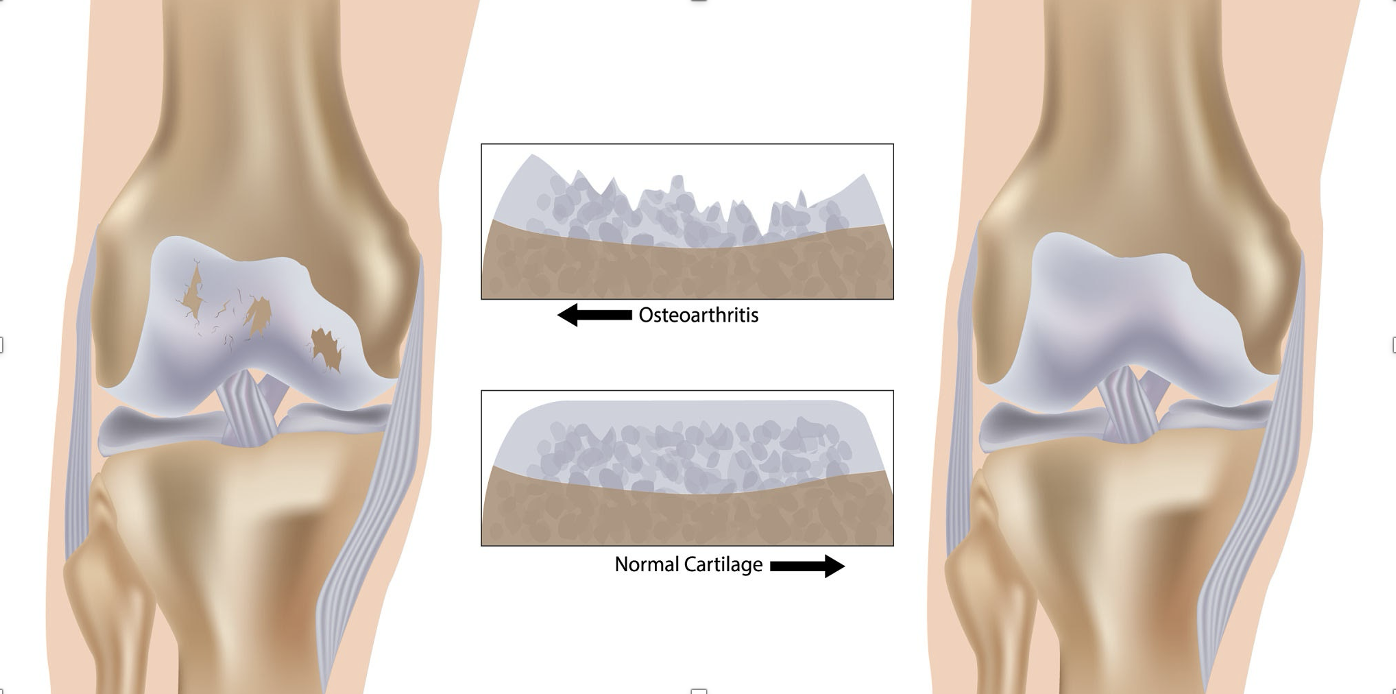
Figure 1: Structural comparison of healthy cartilage versus osteoarthritic degeneration.
When a joint experiences repetitive physical trauma, sports injuries, or the natural wear of aging, this delicate system fractures. As shown in the diagram above, osteoarthritis isn’t just a simple loss of padding; it is an active, chronic inflammatory disease.
When the surface cartilage suffers minor micro-tears, the surrounding joint tissues release chemical distress signals. The body responds by sending immune cells into the synovial fluid.
However, instead of fixing the problem, these immune cells become hyperactive, releasing toxic, pro-inflammatory proteins called cytokines. This creates a highly hostile fluid environment that actively poisons the remaining chondrocytes. The cartilage loses its smooth surface, becomes rough and brittle, and begins to peel away down to the bare bone, leading to the agonizing, bone-on-bone friction that characterizes advanced joint failure.
Shifting the Orthopedic Protocol: Conventional Treatments vs UC-MSC Stem Cell Therapy
When evaluating your options for managing chronic joint wear long-term, it helps to analyze how standard clinical practices compare with the targeted mechanics of modern regenerative medicine.
| Treatment Pathway | Primary Method of Action | Practical Limitations & Health Trade-offs |
| Corticosteroid Injections | Forcefully shuts down the local inflammatory response to provide rapid temporary pain relief. | While effective for immediate numbing, repeated steroid shots can actually accelerate cartilage breakdown and weaken local tendons over time. |
| Hyaluronic Acid (Gel) Injections | Injects a synthetic lubricant into the joint capsule to temporarily mimic natural joint fluid. | Provides mechanical cushioning for a few months, but does not alter the underlying inflammatory environment or repair tissue. |
| Total Joint Replacement Surgery | Amputates the ends of the living bones and replaces them with artificial metal and plastic components. | A highly invasive surgery requiring months of painful rehabilitation; artificial components carry a definitive lifespan of 15-20 years. |
| Targeted UC-MSC Infusions | Biological Reset: Suppresses destructive cytokines, protects native cells, and supports tissue matrix health. | Non-surgical and minimally invasive, targeting the root inflammatory driver while preserving your natural anatomy. |
Traditional orthopedic management treats a worn joint like a leaky roof, focusing entirely on putting buckets on the floor to catch the water. UC-MSC stem cell therapy focuses directly on repairing the roof itself.
The Science of UC-MSC stem cell therapy: The Orthopedic Mechanism
Umbilical Cord Mesenchymal Stem Cells offer a highly sophisticated alternative because they possess unique biological properties perfectly suited for targeting the complexities of joint degradation.
These cells are ethically harvested from the umbilical cord tissue (specifically Wharton’s Jelly) of healthy, full-term births through comprehensive donor screening programs. Because they are youthful “day-zero” cells, they display extraordinary proliferative capabilities, divide rapidly, and release a significantly higher volume of anti-inflammatory proteins and growth factors than a patient’s own adult stem cells extracted from bone marrow or body fat.
Furthermore, UC-MSC stem cell therapy are completely immunoprivileged, meaning they lack the markers that trigger tissue rejection, allowing them to be safely administered without any matching requirements.
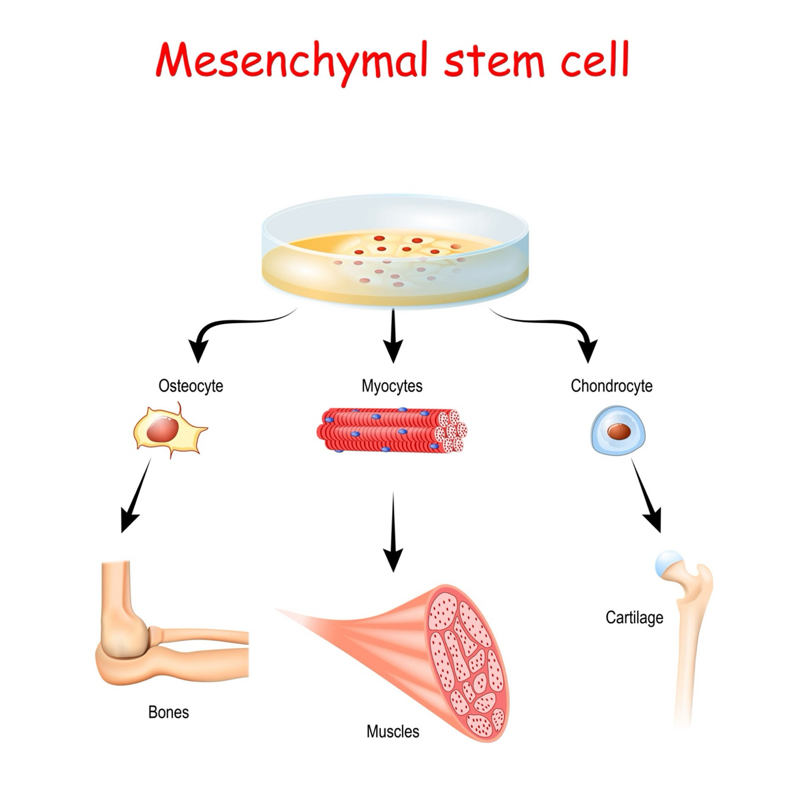
Figure 2: Mesenchymal stem cell differentiation into specialized structural tissues.
When integrated into advanced joint renewal protocols, UC-MSC stem cell therapy operate through three precise biological pathways to protect and stabilize the joint environment:
1. Extinguishing the Synovial Fire (Immunomodulation)
The primary action of UC-MSC stem cell therapy inside a degenerating joint is not instant differentiation, but rather master orchestration. When injected directly into an inflamed joint space, the stem cells identify high concentrations of destructive cytokines like Interleukin-1 beta (IL- and Tumor Necrosis Factor-alpha (TNF-).
The cells respond by releasing a powerful payload of anti-inflammatory signaling proteins. This localized release instructs hyperactive immune cells inside the joint fluid to stand down, transforming a hostile, catabolic environment into a calming, protective environment. By dampening this internal fire, the continuous, ongoing destruction of surviving cartilage tissue is halted.
2. Paracrine Signaling via Exosomes
Stem cells function as advanced mobile signaling centers. They release millions of microscopic bubbles called exosomes filled with targeted microRNA, structural proteins, and growth factors. These packages travel easily through the dense joint fluid and are absorbed directly by struggling, weak chondrocytes. This interaction helps restore internal mitochondrial energy production within the native joint cells, enabling them to clear out cellular waste and function more efficiently.
3. Supporting Chondrogenic Pathways
As illustrated on the right side of the lineage diagram, Mesenchymal Stem Cells carry the fundamental biological capability to differentiate into chondrocytes, the direct building blocks of cartilage tissue.
While they work to calm local inflammation, the growth factors secreted by UC-MSC stem cell therapy such as Transforming Growth Factor-beta 3 (TGF-3) and Bone Morphogenetic Protein-2 (BMP-2) provide the exact biological signals needed to stimulate resident progenitor cells inside the joint capsule. This process encourages a clean, organized deposition of new structural proteins, helping protect the existing joint space from further collapse.
Real-World Expectations: What Success Looks Like
When navigating advanced regenerative protocols for joint health, maintaining absolute honesty and transparency is essential. Stem cell therapy is not a magical overnight cure that will instantly regrow a pristine joint capsule in a case of extreme, bone-on-bone deformity. The primary, realistic goal of an advanced joint protocol is stabilization, significant reduction of pain, and preservation of natural physical function.
Patients responding well to targeted UC-MSC stem cell therapy joint protocols typically observe progressive functional improvements over a window of two to six months:
Measurable Pain Reduction: A significant drop in everyday throbbing aches and mechanical discomfort, allowing patients to dramatically reduce or entirely stop their daily intake of NSAID pain medications.
Restored Range of Motion: A noticeable easing of morning stiffness and improved joint flexibility, making everyday movements like walking, squatting, or lifting smoother and more comfortable.
Increased Walking Distance: Enhanced joint stamina, allowing individuals to return to active lifestyle hobbies like golf, hiking, or low-impact cycling without experiencing severe post-activity flare-ups.
Preservation of Joint Space: By calming the inflammatory enzymes that dissolve joint structures, tracking panels frequently show a stabilization of the remaining joint space, helping delay or completely eliminate the need for future joint replacement surgery.
Bangkok, Thailand – The global capital for advanced orthopedic rejuvenation
For many international families confronted with limited answers offered by healthcare systems in their home countries, access to novel allogeneic cell lines can be particularly challenging. However, as it stands the best cell to expand is likely to be low yield donor cells, and many clinics in western countries are restricted by local regulations meaning they avoid the expanding process by only appealing to the standard steroid, which most patients have heard of but now must trade their future in for (read: few choices).
Thailand has developed a forward-thinking, fully-monitored medical system, which includes Bangkok as one of the prestigious international destinations for patients seeking top class regenerative innovations.
Fresh, High-Density Cell Counting
Cell volume and cellular youth are major determinants of the clinical success of a joint protocol. The top laboratories in Bangkok have modern cleanrooms built to comply with stringent international Good Manufacturing Practices (GMP). Due to their local culture and testing in pristine conditions, patients access novel protocols with high-density cell doses, frequently 50 million-100+ active cells per joint capsule, frequencies clinically impossible or economically unfeasible in the West.
Advanced Target-Assisted Delivery
Thailand — Medical travel fuses incense of advanced science with equally specialized delivery techniques. No shady combo injections at well-appointed establishments in Bangkok. However, orthopedic specialists employ ultrasound guidance or fluoroscopy of high resolution to confirm that the targeted delivery of fresh UC-MSC stem cell therapy is injected into the focal location of maximal structural injury within the joint cavity. This precise placement allows for maximum cell integration and the best biological results.
Conclusion: Taking Control of Your Physical Independence
This degenerative joint degeneration may be progressive, but you do not have to stay in a reactive cycle of using large anti-inflammatories as a temporary band-aid, or waiting until your joint wears-down enough to warrant an invasive amputation surgical procedure. The symptom is being treated, but the cause a deep biological breakdown is left unattended as eyes are masked to get through.
When you opt for advanced UC-MSC stem cell therapy, what you’re doing is giving your joints the high tech, youth-derived tools with which to cease chronic synovial inflammation in their tracks and protect remaining cartilage cells while stabilizing your body’s architecture from the inside-out. Choosing to invest in Thailand’s most innovative area of regenerative medicine is a strong, positive commitment to keeping your body its own self-sufficient powerhouse of mobility for years to come.