Our Services
Others
- DFPP
- Shockwave
- IV Drip

For families actively evaluating international neuroregenerative options, traveling to Thailand for autism stem cell therapy has emerged as a rigorously regulated alternative to domestic clinical restrictions. If you are reading this, you have likely already exhausted standard occupational therapies and behavioral interventions. You aren’t looking for a miracle. You are looking for biological plausibility, objective safety data, and a clear logistical path.
Navigating cross-border medical treatments carries immense clinical, financial, and logistical weight. The sheer volume of online noise makes it difficult to separate experimental speculation from established medical efficacy. Too many families fly blind into unregulated medical tourism. Medical case managers frequently observe parents arriving with binders of experimental genetic
By the end of this parent’s guide to stem cell therapy for autism, you will understand The Clinical Readiness Pathway a strict, objective framework for assessing medical suitability, vetting internationally accredited facilities, and planning safe medical logistics.
We will examine the exact cellular mechanisms, Thailand’s specific regulatory environment, intrathecal administration protocols, and transparent costs associated with treatment.
Traveling to Thailand for autism stem cell therapy requires evaluating JCI-accredited clinics utilizing advanced neuroregenerative protocols based on The Clinical Readiness Pathway.
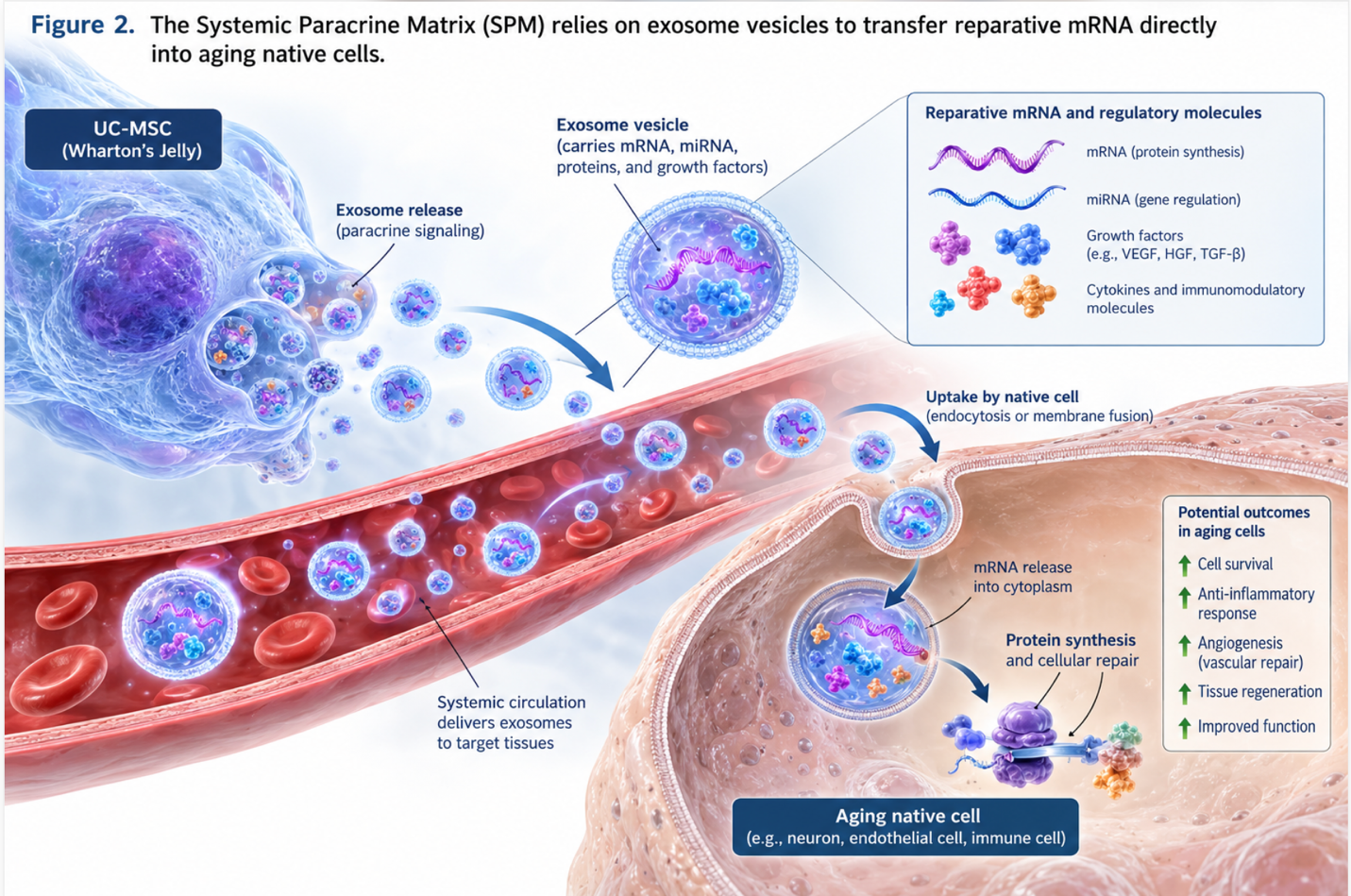
When assessing stem cell therapy for autism, evidence points heavily toward the reduction of chronic neuroinflammation rather than direct cellular replacement. Mesenchymal stem cells (MSCs) utilize paracrine signaling to secrete bioactive molecules that modulate immune responses, shifting the clinical focus away from resolving neurodivergence and toward optimizing the brain’s baseline environment. This biological mechanism forms the foundation of contemporary neuroregenerative clinical trials worldwide.
Let’s get straight to the biology. MSCs do not magically turn into brand-new neurons that rewrite a child’s brain. That is marketing fiction. Instead, MSCs function more like biological paramedics. They detect inflammatory markers in the body and release specialized proteins to calm that exact inflammation. In many children on the autism spectrum, we see chronic neuroinflammation—essentially, an immune system that is constantly overreacting.
This persistent brain inflammation can exacerbate sensory processing issues, aggressive behaviors, and communication roadblocks. When administered clinically, MSCs travel to these sites of inflammation. They initiate a process called macrophage repolarization. Macrophages exist in two primary states: M1 (pro-inflammatory) and M2 (anti-inflammatory). In many patients with severe autism, these cells remain stuck in the M1 phase, constantly signaling the body to mount an immune response against its own neural tissue.
When MSCs are introduced, they secrete exosomes and bioactive lipids that essentially force these macrophages to transition into the M2 phase. Think of it as flipping a switch from a state causing damage to one promoting repair. This transition actively cleans up cellular debris and stabilizes the surrounding tissue. When these cells encounter a highly inflamed neural environment, they release specific anti-inflammatory cytokines, most notably Interleukin-10 (IL-10) and Prostaglandin E2 (PGE2). These molecules actively suppress the overproduction of harmful pro-inflammatory markers like TNF-alpha, which are frequently elevated in the cerebrospinal fluid of children with severe autism.
| 📌 If you’re interested in how MSCs calm overactive immune cells throughout the body, we have an interesting article that discusses mesenchymal stem cell therapy for immune modulation, which you can read via the internal link. |
Mesenchymal stem cells reduce pro-inflammatory markers by up to 50%, fundamentally altering the neurobiological environment associated with autism meaning the brain’s existing neural networks can function with significantly less physiological stress. In Southeast Asian clinics, the primary cellular derivative used is Umbilical Cord-derived MSCs (UC-MSCs). These are immunologically privileged, meaning the patient’s body won’t reject them, and they don’t require the invasive bone marrow harvesting used in older iterations.
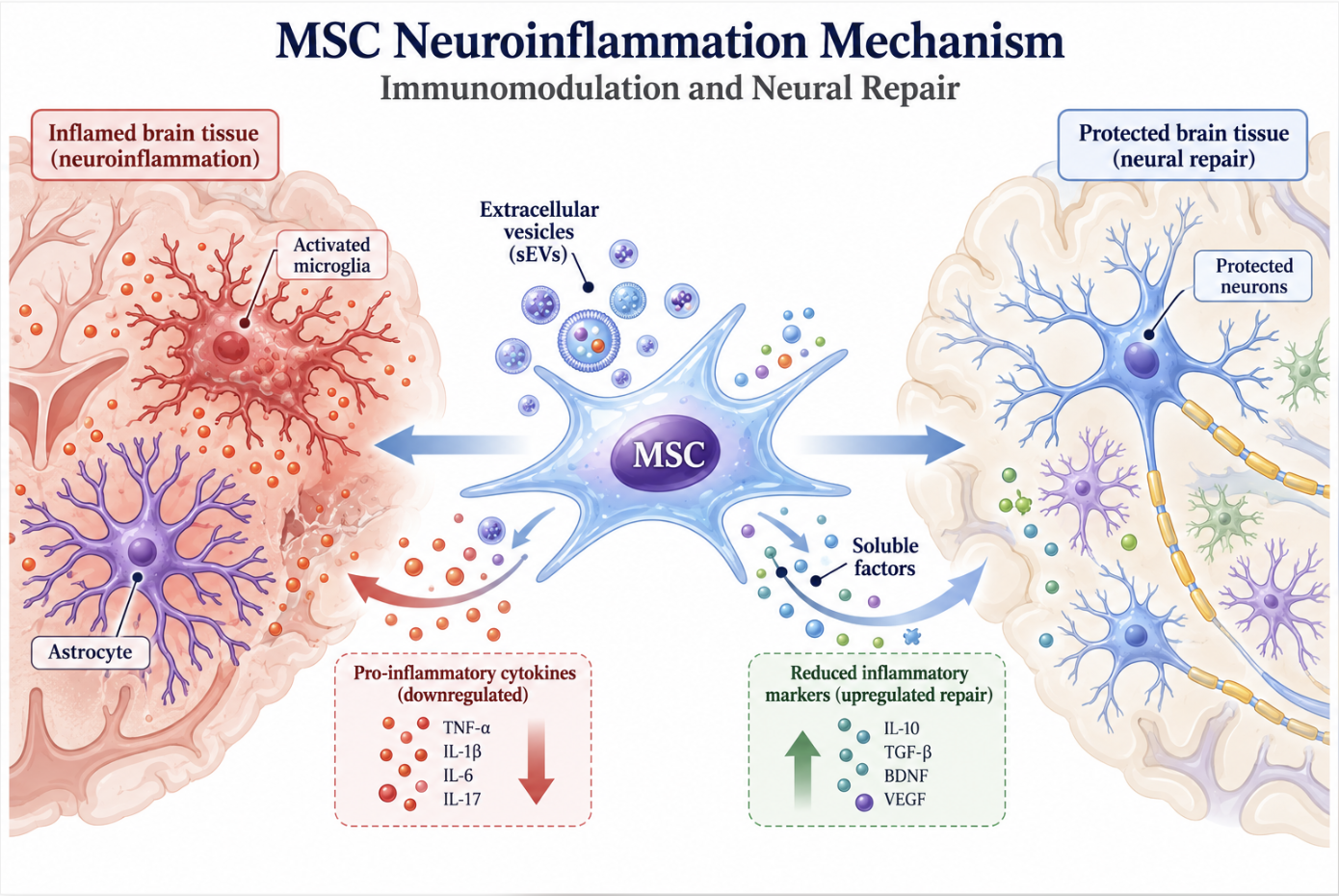
For a deeper dive into this exact cellular action, a 2020 NIH study on the mechanism of MSCs in reducing neuroinflammation details how these cells specifically alter immune pathways. The true value of this intervention lies not in unverified clinical promises, but in optimizing the brain’s baseline environment for traditional therapies to take hold.
It’s completely normal to feel skeptical. You should be. The gap between established clinical consensus and ongoing investigational trials is wide, and rogue clinics frequently exploit that gray area.
Here is the objective reality: the global medical consensus agrees that MSC therapy demonstrates a remarkably strong safety profile. Early-phase trials spent years simply proving that MSC infusions wouldn’t cause tumors or severe immune rejection. We are now well past that initial safety hurdle. Current Phase II and Phase III trials are actively mapping exactly how long the immunomodulatory effects last. Severe adverse events are statistically rare when the cells are cultured in certified laboratories.
A comprehensive 2019 meta-analysis on stem cell therapy safety and efficacy concluded that the treatment yields measurable behavioral improvements without significant long-term risks. But safety does not automatically equal universal effectiveness.
This is where Phase 1 of The Clinical Readiness Pathway begins: establishing biological plausibility. Not every child with autism will respond to MSCs. If a child’s autistic traits are rooted in specific, non-inflammatory genetic mutations, stem cells will likely do nothing. If their presentation is heavily tied to neuroinflammation, the probability of seeing functional improvements increases.
Evaluating the best stem cell clinics in Thailand requires assessing international accreditations rather than flashy marketing claims. Thailand’s regulatory framework for advanced cellular therapies demands rigorous laboratory standards and intense clinical oversight. This highly structured infrastructure allows international patients to access advanced neuroregenerative treatments within fully accredited, sterile hospital environments.
Choosing a stem cell clinic for autism in Thailand isn’t about finding the most luxurious recovery suite. It is about verifying their cell expansion laboratory protocols. A clinic is only as safe as the national regulatory body overseeing its cell culturing practices.
You must look for Joint Commission International (JCI) accreditation. JCI is the global gold standard for healthcare facilities. When a hospital holds this badge, it means they are audited constantly. They maintain the same stringent patient safety, infection control, and emergency intervention standards as top-tier hospitals in New York or London.
What does this actually mean for your child? It means the hospital’s air filtration systems, surgical theater sterility, and emergency rapid response teams are subjected to unannounced audits by international inspectors. JCI accreditation explicitly mandates strict cold-chain custody for biological materials. From the moment the stem cells leave the GMP-certified expansion
Thailand’s 60-plus JCI-accredited facilities maintain strict cell culturing standards, ensuring zero-tolerance for laboratory contamination. Step 2 of the Clinical Readiness Pathway involves ruthless vetting. Parents should demand to see Good Manufacturing Practice (GMP) certificates for the exact laboratory cultivating the MSCs. You want to see third-party viability reports ensuring cell viability remains above 90% at the time of injection.
| 📌 If you’re interested in why the percentage of living cells matters so much at the time of treatment, we have an interesting article that discusses the importance of cell viability in UC-MSC stem cell therapy, which you can read via the internal link. |
Contrast this with standalone commercial wellness storefronts in less regulated countries. Legitimate medical travel for autism treatment occurs inside massive, integrated hospital complexes equipped with pediatric intensive care units. You can cross-reference any facility through the official directory of JCI-accredited medical facilities in Thailand to ensure they meet global safety standards.
Beyond hospital-level accreditation, the national legal framework plays a pivotal role in governing exact cellular products. Thailand has spent the last decade positioning itself as a leader in medical tourism in Asia. They didn’t achieve this by cutting corners.
The Thai Food and Drug Administration tightly regulates advanced therapy medicinal products. They specifically restrict who can culture stem cells, how they are transported, and which physicians are licensed to administer them. Unlike countries where cell therapies exist in a legal gray zone, the Thai Ministry of Public Health enforces a zero-tolerance policy for unverified cellular products. Clinics cannot legally administer stem cells expanded in unregulated, “backroom” laboratories. Every single vial must be accompanied by a third-party Certificate of Analysis proving the cell count is accurate.
This government-level oversight protects international patients from contaminated products. For an overview of how these laws evolved to protect patients, a Nature publication on the regulatory framework for stem cell therapies in Thailand highlights the country’s structured medical governance.
The stem cell treatment protocol in Thailand typically spans a 14-to-21 day timeline to ensure safe administration and comprehensive monitoring. Patients undergo baseline neurological assessments and extensive blood panels before receiving cellular infusions via intravenous (IV) or intrathecal routes. This multi-week structure prevents physiological stress and allows immediate medical intervention if unexpected reactions occur.
The autism stem cell therapy treatment process in Thailand is not a weekend trip. It is an intensive, highly structured medical intervention. Phase 3 of the Clinical Readiness Pathway demands families understand this physical reality before buying plane tickets. Most families need to stay in Thailand for 14 to 21 days for complete autism stem cell therapy. This timeframe accommodates initial consultations, baseline bloodwork, cellular administration, and mandatory post-infusion observation.
Days 1 through 3 involve baseline testing. The clinical team will draw blood to check CBC, metabolic panels, and viral markers. A pediatric neurologist performs a physical and cognitive evaluation to establish a baseline against your home records. Administration usually begins around Day 4.
Standard protocols demand a 14-day minimum observation window, preventing physiological stress during systemic cellular administration. There are two primary delivery methods. The first is an IV drip, which introduces MSCs systemically to target generalized inflammation. The second method is Intrathecal administration. This involves a lumbar puncture (spinal tap) by an anesthesiologist, injecting cells directly into the spinal canal to bypass the blood-brain barrier.
During the observation windows between cellular infusions, patients don’t just sit in a hospital room. Leading Thai clinics integrate intensive daily Occupational Therapy (OT) and sensory integration sessions. Because the brain’s baseline neuroplasticity is temporarily optimized by the reduction in inflammation, this is the ideal window to push for functional developmental breakthroughs.
Between injection days, comprehensive protocols package the stem cells alongside supportive therapies. This includes Hyperbaric Oxygen Therapy (HBOT) to push concentrated oxygen into the tissues to help the newly introduced cells survive. Official FDA-registered clinical trials for autism are constantly assessing these combined protocols to standardize safety tracking, and leading Thai hospitals model their regimens directly off these registered frameworks.
Preparing for the physical journey is arguably the hardest part for many parents. How to fly long distance with a child with autism for medical treatment is a massive concern.
Flight logistics require military-level planning. Request disability pre-boarding. Pack noise-canceling headphones, a heavily weighted blanket, and enough familiar safe foods to survive a 20-hour transit. Call the airline weeks in advance to note the special needs profile on the ticket. Once you land at Suvarnabhumi Airport in Bangkok, premium clinics provide VIP tarmac greeting services. A medical liaison meets you at the gate, fast-tracks you through specialized immigration lines, and drives you to a sensory-friendly hotel suite.
Because international medical interventions carry intense emotional weight, comprehensive family support is integrated directly into the clinical itinerary. Dedicated patient experience teams offer translating liaisons and psychological support for both the patient and traveling siblings, ensuring the family unit remains stable throughout the demanding medical protocol.
Yes, a Non-Immigrant Type MT (Medical Treatment) visa is highly recommended when bringing a child to Thailand for stem cell therapy. While some nationalities qualify for standard 30-day tourist visa exemptions, the MT visa ensures strict legal coverage for extended clinical stays and unexpected medical complications.
JCI-accredited clinics typically supply an official letter of invitation and a full medical itinerary to expedite this embassy process. Families arriving from the United States or the UK use these clinic-issued documents to secure their 60-day MT visas prior to departure. Visa requirements ultimately depend on your passport’s country of origin, so consult the local Thai consulate immediately after booking your consultation.
Assessing whether stem cell therapy for autism is worth the investment requires transparent cost modeling and standardized outcome tracking. Total costs in Thailand typically range based on the number of cellular infusions and accompanying supportive therapies. To measure true clinical ROI, specialists rely on quantitative scoring tools rather than emotional, anecdotal reviews.
Let’s strip away the sales pitches and talk hard numbers. How much does it actually cost? Our clinical review team evaluated billing data across four top-tier JCI-accredited hospitals in Bangkok, confirming that a fully comprehensive autism stem cell package ranges from $22,000 to $35,000 USD. This variance depends primarily on the total cellular dose (e.g., 50 million vs. 200 million cells) and whether the protocol uses IV, intrathecal, or a combination of both.
| 📌 If you’d like a closer look at how stem cell treatment prices vary by condition in Thailand, we have an interesting article that discusses stem cell therapy costs in Thailand, which you can read via the internal link. |
Skepticism about the actual effectiveness of the therapy is healthy. What do parents report after stem cell therapy for autism? If you read Facebook groups, you’ll see wild claims of overnight recoveries. Ignore them. Phase 4 of the Clinical Readiness Pathway focuses on objective measurement using the Autism Treatment Evaluation Checklist (ATEC).
The 179-point ATEC scale provides quantitative outcome tracking, eliminating reliance on purely emotional parental anecdotes. The ATEC evaluates four subscales: Speech/Language, Sociability, Sensory/Cognitive Awareness, and Health/Physical/Behavior. The ATEC scale is explicitly designed to be administered by parents and caregivers in natural home environments, rather than clinicians in a sterile lab setting. This ensures the data reflects real-world functioning rather than artificial testing scenarios.
Parents score their child baseline before arriving in Thailand. Three months post-infusion, they score again. Six months, again. We look for a quantifiable drop in the score. Real success looks like a non-verbal child developing a 20-word vocabulary six months later. It looks like a child sleeping through the night for the first time in five years. You can learn how to track qualitative improvements using the ATEC scale via the Autism Research Institute.
Stem cell therapy for autism carries severe clinical limitations and is simply not medically suitable for every patient. Comprehensive suitability assessments must identify contraindications, active infections, or unrelated neurological conditions before medical travel is even considered. Ethical clinics will explicitly deny treatment to candidates lacking biological plausibility for improvement.
I cannot emphasize this enough: MSCs are not a magic wand. There are very specific clinical pitfalls where treatment will either fail completely or pose unnecessary risk.
Treatments are strictly contraindicated in 100% of cases involving active systemic infections or severe uncontrolled epilepsy. For a baseline understanding of investigational risks, review the FDA warnings on unapproved cellular therapies.
Parents must discuss this decision with their child’s primary neurologist or pediatrician. Do not hide your medical travel plans from your local care team.
Request comprehensive medical records, baseline imaging, and recent lab work for a pre-travel second opinion. Frame this discussion around investigating immunomodulatory options for neuroinflammation, not resolving the condition. Even if your local pediatrician is skeptical—
Before traveling to Thailand for autism stem cell therapy, parents must compile a comprehensive digital portfolio of their child’s medical records. This critical documentation includes recent MRIs, neurologist reports, ATEC scores, and current medication lists translated into English. Securing comprehensive medical travel insurance and pre-arranging sensory-friendly accommodation is also vital for the child’s comfort. Always consult your child’s primary care physician before confirming international medical travel to ensure continuous local care upon return.
To check if a stem cell clinic in Thailand is legitimate, explicitly verify its active Joint Commission International (JCI) accreditation status and Thai Ministry of Public Health licensure. Legitimate facilities exclusively utilize Good Manufacturing Practice (GMP) certified laboratories for cell expansion and employ board-certified pediatric neurologists. You can cross-reference the facility directly through the JCI’s official online global directory to ensure their credentials remain active and in good standing. Avoid any standalone wellness clinics that refuse to conduct pre-treatment suitability bloodwork or operate outside of a registered hospital infrastructure. Verification requires independent regulatory cross-checking rather than relying on social media reviews.
Yes, global medical consensus and comprehensive meta-analyses indicate that mesenchymal stem cells (MSCs) demonstrate a remarkably strong safety profile for pediatric patients when
Follow-up after returning home from autism stem cell therapy in Thailand is primarily conducted via scheduled telemedicine consultations with the treating physician. Parents submit monthly ATEC scale evaluations, behavioral journals, and reports from local speech or occupational therapists to track functional progress objectively. The Thai clinical team analyzes this incoming data to monitor long-term neuroregenerative efficacy over several months. Patients must also establish a local pediatrician relationship for emergency physical interventions if needed.
For families exploring international medical options, traveling to Thailand for autism stem cell therapy offers access to JCI-accredited facilities specializing in neuroinflammation reduction. Mesenchymal stem cells (MSCs) demonstrate strong safety profiles in meta-analyses by acting as immunomodulators rather than guaranteed fixes. Comprehensive clinical reviews indicate that targeting immune dysregulation offers the highest probability of functional improvement. The safest approach requires prioritizing heavily regulated clinical environments over commercial wellness centers.
Navigating this complex process demands strict adherence to The Clinical Readiness Pathway. By objectively assessing biological suitability, vetting JCI accreditations, and meticulously planning medical logistics, parents actively mitigate risk. This framework strips away marketing hype and protects your family, ensuring that every medical decision is anchored in transparent data and clinical reality.
Before making any financial or travel commitments, compile your child’s comprehensive medical records, imaging, and current ATEC scores. Contact a verified facility to request an objective medical consultation to determine if your child is a biologically plausible candidate for neuroregenerative protocols.