Our Services
Others
- DFPP
- Shockwave
- IV Drip

The physical breakdown of the knee joint matrix represents one of the most common yet complex structural failures in therapeutic orthopedics. Within a healthy diarthrodial joint, smooth movement relies on the ability of articular cartilage to glide effortlessly under heavy weight-bearing loads. When the internal balance of the joint cavity fractures, this low-friction protection system completely fails. Patients face a predictable decline characterized by sharp physical pain during mechanical loading, joint effusion, restricted flexion, and persistent morning stiffness that severely compromises daily movement.
For decades, the standard response to this knee decay has focused on masking the sensory symptoms. Conventional clinical models rely heavily on routine oral anti-inflammatory drugs to temporarily dull pain, external unloading braces to shift mechanical stress, and seasonal intra-articular injections of synthetic lubricants or corticosteroids.
While these routine methods provide brief windows of temporary comfort, they function strictly on the surface. They do not alter or reverse the deep cellular breakdowns driving the continuous tissue erosion.
Anti-inflammatory pills hide the underlying friction while cartilage wear advances, and repeated steroid blocks accelerate tissue decay by suppressing resident cell metabolism and driving healthy chondrocytes into premature cell death. Once the tissue loss leads to extensive bone-on-bone friction and joint deformity, orthopedic options are exhaustively limited to major surgical interventions like total knee arthroplasty.
Advanced biotechnology introduces an entirely different strategy by targeting the biological conditions of the joint space directly at the source. By introducing high-potency cellular formulations directly into the compromised synovial cavity, specialized protocols utilizing stem cell therapy bangkok thailand shift the focus toward direct microenvironmental modification.
Introduced as active signaling matrices, these advanced cell lines navigate directly toward injured cartilage zones, drop off highly concentrated paracrine packages, shut down chronic inflammatory pathways, and reactivate the body’s natural matrix-building systems to protect surviving structural networks from progressive decay. Choosing stem cell therapy bangkok thailand allows individuals to access an intervention that works from the inside out to support long-term joint health.
The Breakdown of Joint Friction Defense: Fluid Micro-Mechanics and PRG4 Depletion
To understand why standard intra-articular injections eventually fail to protect the joint and how advanced cell-based applications alter long-term knee survival, the biological lens must look past superficial cartilage thinning on X-rays and examine a critical failure along the articular surface: the destruction of the boundary lubrication layer.
Healthy knee function depends on a specialized population of cells residing in the uppermost layer of the cartilage, known as superficial zone chondrocytes. These cells are responsible for continuously manufacturing and secreting Lubricin, a high-molecular-weight glycoprotein encoded by the PRG4 gene. Lubricin molecules line the articular surface, forming a slippery protective shield that prevents direct contact between opposing cartilage faces during movement.
When a knee joint undergoes chronic mechanical overload or experiences localized fluid stagnation, this essential boundary layer fails completely. Stressed by ongoing inflammation, the superficial zone chondrocytes stop producing Lubricin.
Lacking this molecular shield, the cartilage surface experiences a massive surge in shear friction. Normal walking or bending forces begin to physically tear at the un-lubricated collagen fibers, releasing microscopic matrix fragments directly into the fluid space.
This ongoing mechanical tearing triggers rapid cell death, permanently compromising the joint’s natural capacity for self-repair, while generating the severe resistance to smooth movement that produces painful crepitus. By implementing stem cell therapy bangkok thailand, pioneering clinical protocols focus on delivering active biological factors directly into this friction-filled environment, providing the necessary paracrine inputs to protect vulnerable surface zones before permanent matrix death sets in.
Patients seeking options for severe knee degeneration frequently select stem cell therapy bangkok thailand to deliver highly potent, living secretome fractions capable of restarting independent matrix synthesis.
Hoffa’s Fat Pad Metamorphosis: Chronic Adipokine Exposure and Synovial Inflammation
This ongoing surface wear is further accelerated by an active auto-destructive chemical loop centered within the knee’s primary fat reservoir: the infrapatellar fat pad (Hoffa’s fat pad). Situated directly beneath the patella and behind the patellar tendon, this fat pad serves a mechanical purpose as a flexible space filler during knee flexion and extension.
The advanced stages of knee osteoarthritis involve systemic changes that spread through the entire joint complex, driven by an aggressive chemical crosstalk between the infrapatellar fat pad and the synovial membrane.
When exposed to chronic fluid inflammation, the fat pad undergoes fibrotic thickening and transforms into a toxic chemical factory. Its resident adipocytes and infiltrating white blood cells upregulate the production of destructive adipokines, specifically Leptin and Resistin, alongside pro-inflammatory interleukins.
This toxic adipokine pollution floods the synovial fluid, binding directly to specific receptors on remaining chondrocytes. This interaction triggers an internal genetic cascade that upregulates catabolic enzymes like MMP-13 and ADAMTS-5, which aggressively digest Type II collagen strands and strip away the protective proteoglycan framework.
Traditional anti-inflammatory injections cannot alter this fat-pad-driven chemical pollution; they merely place temporary volume over a collapsing matrix. Interrupting this decline requires a targeted biological intervention capable of stepping in to completely reset the cellular communication pathway.
By utilizing stem cell therapy bangkok thailand, pioneering medical platforms deliver high concentrations of live, signaling cells that home directly into this compromised environment to shut down the adipokine loop and restore internal balance. Choosing stem cell therapy bangkok thailand provides a sophisticated means to address the multi-tissue inflammation that drives progressive knee decay.
Paracrine Rescues of Chondrocyte Bioenergetics: Overriding Catabolic MMP-13 via Exosomal Delivery
Advanced applications of stem cell therapy bangkok thailand alter this progressive joint decay by utilizing an elite biological strategy: paracrine transduction. When high-potency cell formulations are introduced into the knee capsule, they utilize localized tracking signals to migrate directly toward the high concentrations of chemokines released by damaged cartilage and inflamed synovial walls.
Rather than operating as passive physical patches that manually turn into new cartilage cell-for-cell, their primary therapeutic mechanism is the continuous manufacture and targeted deployment of an active, anti-inflammatory and anabolic secretome payload.
Once settled within the porous knee niche, the cell lines deployed via stem cell therapy bangkok thailand execute a multi-layered molecular override to alter the chronic auto-inflammatory loop. The cell formulations delivered through stem cell therapy bangkok thailand release a powerful anti-inflammatory cloud rich in Interleukin-10 and Transforming Growth Factor-beta.
This localized release neutralizes circulating inflammatory signals, completely blocking the Leptin-induced transcription of destructive catabolic enzymes, and protecting newly forming tissue structures from ongoing breakdown.
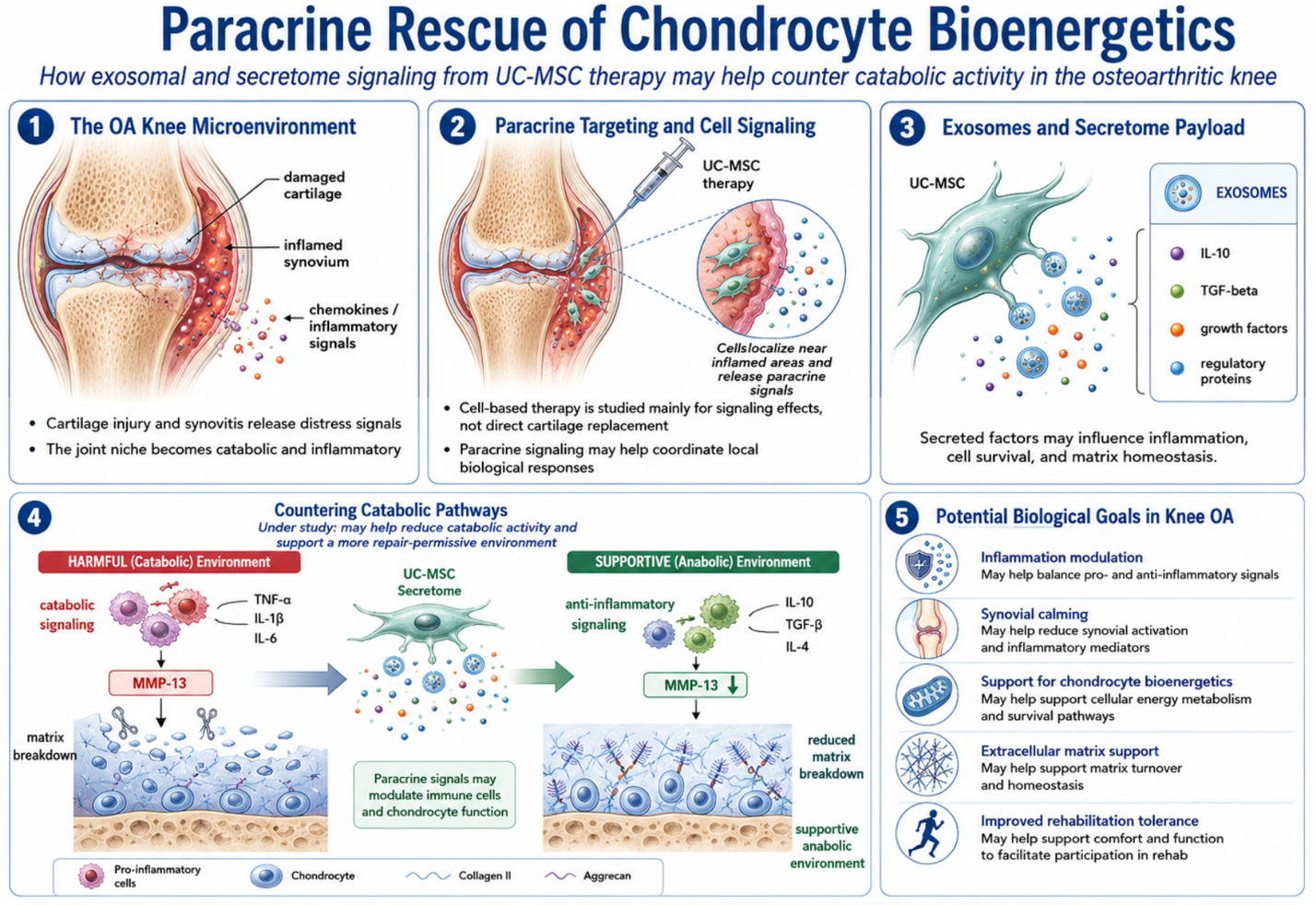
Figure 1: Supportive Biological Pathways of UC-MSC Therapy in the Osteoarthritic Joint Microenvironment
To stop unchecked cell death, the cell lines deployed in stem cell therapy bangkok thailand discharge millions of microscopic, membrane-bound extracellular vesicles called exosomes directly into the synovial space. These vesicles traverse dense matrix boundaries to fuse with host chondrocytes, dropping off highly concentrated payloads of regulatory microRNAs most notably miR-140 and miR-21, which restore healthy mitochondrial ATP energy production and protect surviving cells from premature apoptosis.
As the joint inflammation settles, anabolic factors seeded by stem cell therapy bangkok thailand primarily Transforming Growth Factor-beta 3 and Bone Morphogenetic Protein 2 command surviving host chondrocytes to restart the mass synthesis of Type II collagen and dense proteoglycans, rebuilding a resilient fibrocartilage-like protective layer across the damaged articular surface.
Local Point-of-Care Processing in Bangkok: Safeguarding Cellular Yield and Homing Integrity
As such, the clinical success of cutting-edge cellular interventions for complex knee conditions depends squarely on one narrow technical metric that is hardly mentioned in most popular discussions: cellular viability at the time that they are delivered to care. The human secretome is a very heterogeneous and highly active collection of signaling proteins (secretory proteins, exosomes, sEVs, lEWVs), growth factors and cytokines that only living fast cells having metabolic activity can make and release. Targeted chemotaxis and exosome manufacture cannot occur if the formulation contains high percentages of dead or dying cells, which will be swiftly eliminated by the immune system of the recipient as biological waste.
Most of the cellular goods outside of the country stay procured from original production units that are far away, needing them to be frozen deep and thawed there at the patients side. Chemical cryoprotectants used in this cryopreservation process also exert significant thermodynamic stress on fragile plasma membranes, often leading to cell lysis and damaging the essential surface receptors such as CXCR4 needed for specific tissue homing.
Some advanced biomedical centers providing stem cell therapy bangkok thailand have an established continuous closed-system grow system functioning regionally to avoid this gear bottleneck. Technicians grow youth-derived, allogeneic cell lines in modern lab environments proximal to the clinical suites via aseptic processing, eliminating deep freezing.
The formulated cell suspensions are kept in suspension within a well-defined temperature and nutrition-rich transportation matrix to the minute of clinical delivery. Verifys Feasibility Score Features confirm > 95% viability score by cytometry and fluorescence based live/dead assays. Logistical integration of this secretion with a secretome payload guarantees delivery of an unadulterated secretome, further enlivening paracrine signaling and optimizing structural tissue remodeling to achieve unprecedented efficiencies in heavy joint space compromise. Stem cell therapy bangkok thailand makes certain that the biological payload arrives along with its effective capacity entirely intact.
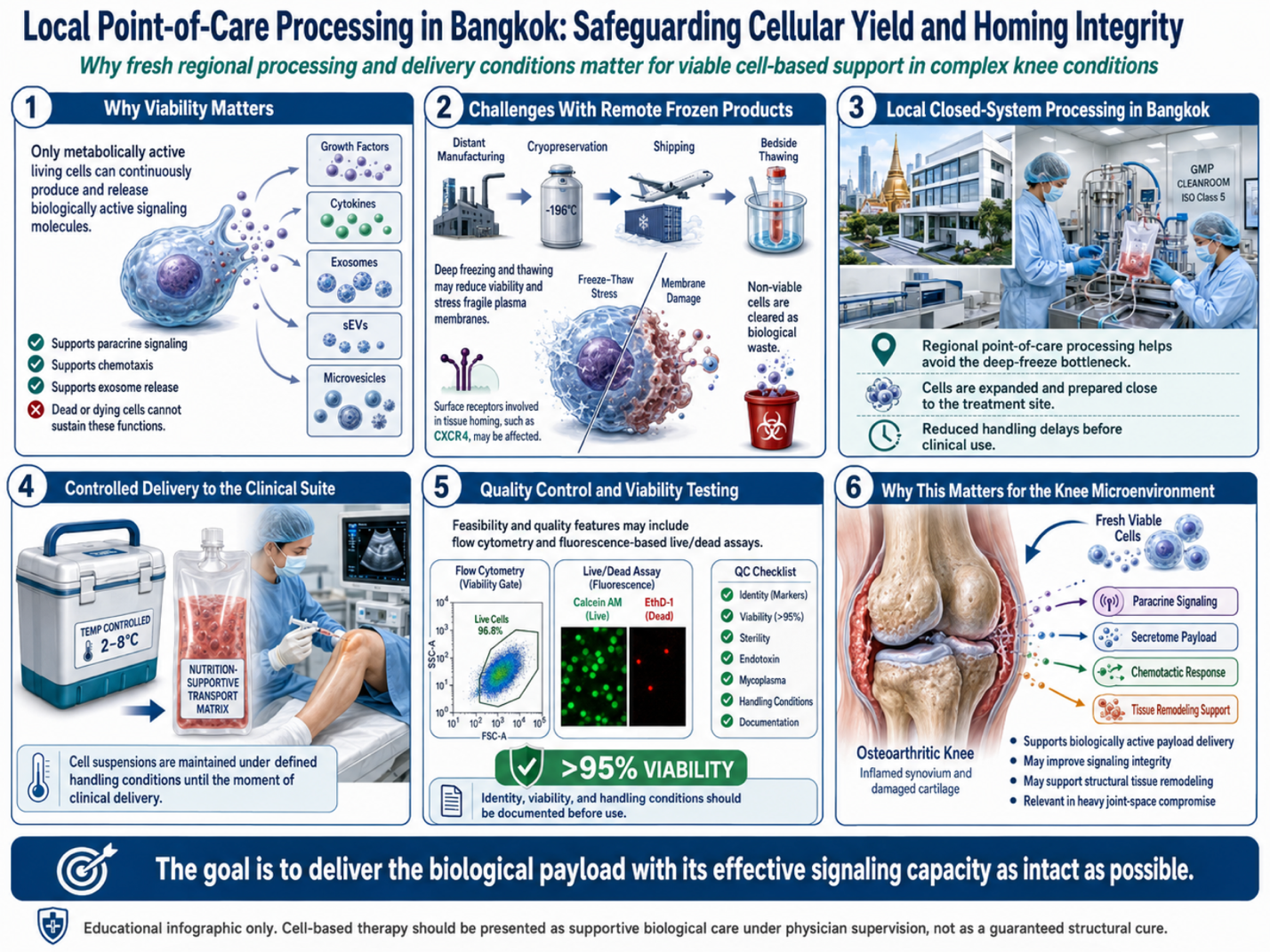
Figure 2: Safeguarding Cellular Yield, Viability, and Signaling Capacity Before Clinical Delivery
Objective Clinical Milestones: Measuring Matrix Remodeling and Functional Joint Recovery
Thus, when we hope for high-tech applications of cell-based therapies to treat knee osteoarthritis, level-headed honesty and transparency are openers. When it comes to the medical and scientific approach of stem cell therapy, this is NOT a giant magic bullet that is going to make bone spurs poof away overnight or completely eliminate chronic joint destruction all in one day. It is not, instead, a biological damping agent; rather it is an unusual and exceptionally powerful accelerant of healing from which the body works inward to slow the progressive decay of systems to stabilise areas where joint mobility was lost.
Patients responding well to advanced, fresh cell protocols typically observe gradual, steady knee improvements over a window of two to six months:
Mitigation of Weight-Bearing Pain: A measurable reduction in the frequency and intensity of deep architectural pain during walking or climbing stairs, driven by the down-regulation of inflammatory cytokines within the synovial cavity under the influence of stem cell therapy bangkok thailand.
Recovery of Functional Flexibility: A progressive return of pain-free knee flexion and extension, supporting daily activities and reducing morning stiffness.
Reversal of Joint Friction and Crepitus: A visible smoothing of joint mechanics, reducing painful catching, grating, or clicking sensations during daily movement tasks following the completion of stem cell therapy bangkok thailand.
Stabilized Cartilage Matrix Integrity: High-resolution follow-up MRIs or specialized T2 cartilage mapping panels frequently reveal a visible stabilization or progressive structural remodeling of the damaged joint capsule matrix.
Embracing Structural Preservation and Long-Term Mobility
Articular cartilage erosion, infrapatellar fat pad inflammation, and progressive Lubricin depletion involve complex, aggressive biological processes, but patients do not have to remain locked in a purely reactive cycle of managing joint pain with temporary chemical blocks while their underlying joint health undergoes permanent degradation. Treating a deep cellular and microenvironmental failure with simple surface-level symptom suppression masks the physical decline without addressing the true structural crisis.
By choosing advanced, fresh cellular protocols through stem cell therapy bangkok thailand, you give your body the highly potent, youth-derived resources it needs to cool chronic synovitis, shut down catabolic enzyme cascades, and rebuild a resilient parallel proteoglycan scaffold from the inside out. Embracing the cutting edge of regenerative medicine under strict quality control standards represents a powerful, proactive choice to avoid the constraints of progressive disease, protect your long-term mobility, and build a resilient foundation for your physical independence and structural wellness.