

Ovarian function is essential for maintaining reproductive health and hormonal stability throughout a woman’s life. Conditions such as premature ovarian insufficiency (POI), natural aging, and medical treatments like chemotherapy or radiation can damage ovarian tissue. As a result, women may experience irregular menstrual cycles, hormonal imbalances, or even infertility, significantly affecting quality of life.
In recent years, regenerative medicine has introduced stem cell therapy as a promising approach to address ovarian dysfunction. This innovative strategy focuses on repairing or regenerating damaged ovarian tissue rather than simply managing symptoms. Stem cells are particularly valuable because they can self-renew and develop into different specialized cell types. These characteristics make them suitable for restoring the structure and function of organs, including the ovaries. By applying stem cell-based therapies, researchers aim to revive hormonal activity and potentially improve fertility outcomes in women with compromised ovarian function.
Biological Mechanisms Behind Stem Cell Therapy
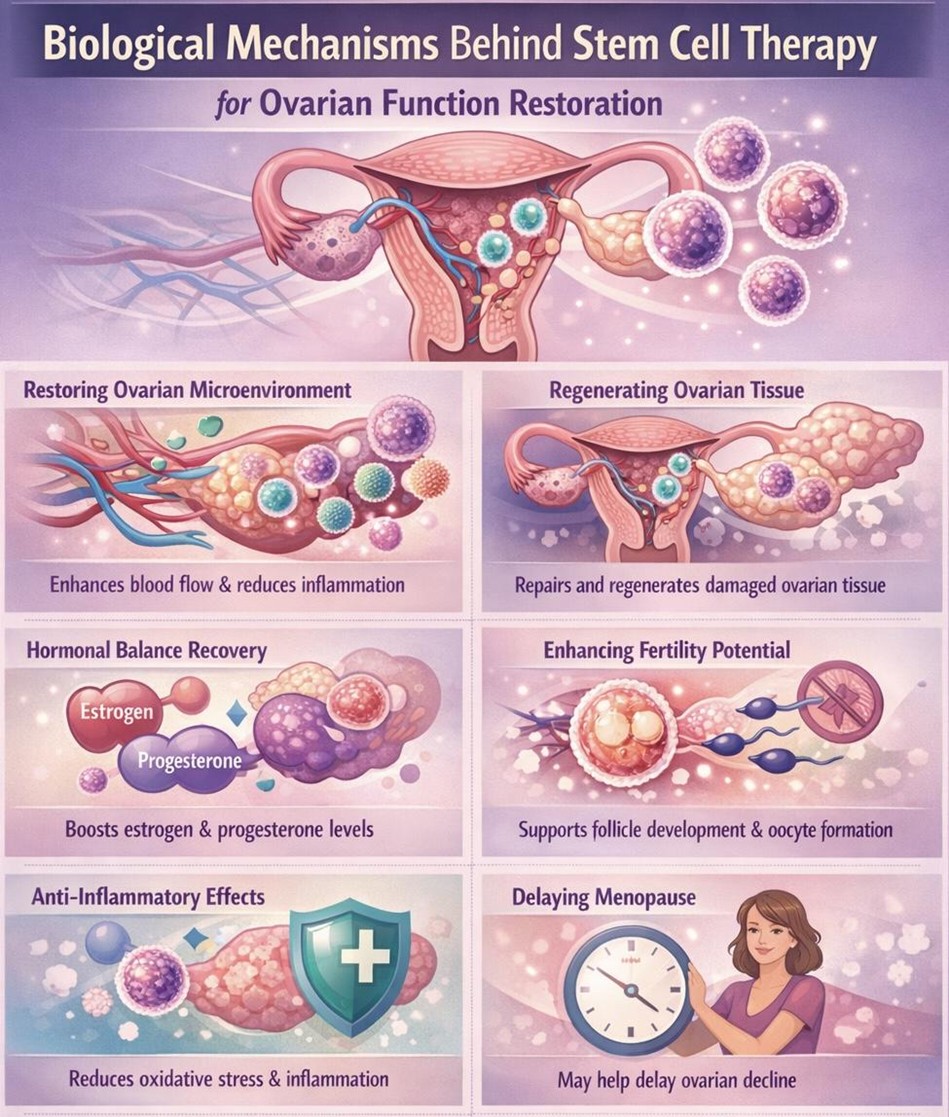
Restoration of the Ovarian Microenvironment: In addition to cellular transformation and signaling, stem cells contribute to improving the ovarian microenvironment, often referred to as the ovarian niche. This environment plays a critical role in supporting follicle development and maintaining ovarian function. Stem cells can enhance blood vessel formation, reduce inflammation, and regulate immune responses within the ovaries. These combined effects create a healthier environment that supports tissue repair and encourages the restoration of normal ovarian activity.
Regeneration of Damaged Ovarian Tissue: One of the most significant advantages of stem cell therapy is its potential to regenerate damaged ovarian tissue. Stem cells can either become ovarian-specific cells or activate existing cells to repair themselves. This regenerative capacity may lead to improved ovarian structure and function over time. For women with ovarian damage caused by disease, aging, or medical treatments, this approach offers a new possibility for restoring reproductive health at a fundamental level.
Recovery of Hormonal Balance: Another key benefit of stem cell therapy is its ability to support the restoration of hormonal activity. By improving the condition of ovarian tissue, stem cells can enhance the production of estrogen and progesterone. Balanced hormone levels are essential for regulating menstrual cycles and maintaining overall health. This improvement may also help alleviate common symptoms associated with hormonal imbalance, such as hot flashes, mood changes, and fatigue.
Enhancement of Fertility Potential: Stem cell therapy may also contribute to improving fertility in women with ovarian dysfunction. Some research suggests that stem cells can support the development of new follicles or assist in the formation of oocyte-like cells. These effects may increase the chances of natural conception or improve the success rates of assisted reproductive techniques. For women who have experienced reduced fertility due to ovarian damage, this approach provides a promising avenue for expanding reproductive options.
Anti-Inflammatory and Protective Effects: Many types of stem cells, particularly mesenchymal stem cells (MSCs), possess anti-inflammatory and protective properties. These cells can reduce inflammation and oxidative stress within the ovaries, both of which are factors that contribute to cellular damage and follicle loss. By creating a more stable and less harmful environment, stem cell therapy helps preserve existing ovarian follicles and supports long-term ovarian health.
Support for the Ovarian Niche and Follicular Development: The ovarian niche is essential for the growth and maturation of follicles, but it is often disrupted in cases of ovarian failure. Stem cells can help repair and restore this supportive environment, making it more conducive to normal ovarian function. By enhancing the conditions required for follicular development, stem cell therapy may encourage the resumption of regular ovarian activity and improve reproductive outcomes.
Potential to Delay Menopause and Reduce Symptoms: For women approaching menopause or experiencing it earlier than expected, stem cell therapy may offer the possibility of delaying ovarian decline. By supporting ongoing ovarian function, this treatment could help reduce the severity of menopause-related symptoms. Additionally, maintaining hormonal balance for a longer period may lower the risk of associated health conditions, such as osteoporosis and cardiovascular disease.
Minimally Invasive Nature of Treatment
Compared to conventional fertility treatments or long-term hormone replacement therapy, stem cell therapy is often less invasive. It can be administered through injections or minimally invasive procedures, making it a more convenient and potentially safer option for many patients. This approach reduces the physical burden of treatment while still offering therapeutic benefits.
Personalized and Targeted Therapeutic Approaches
Stem cell therapy also allows for a more personalized approach to treatment. In some cases, cells can be derived from the patient’s own body, reducing the risk of immune rejection and improving compatibility. Advances such as induced pluripotent stem cells (iPSCs) further enhance the ability to tailor therapies to individual needs. This level of customization increases the potential effectiveness and safety of treatment
Conclusion: Future Potential of Stem Cell Therapy in Ovarian Restoration
Stem cell therapy represents a rapidly advancing and potentially transformative approach to managing ovarian dysfunction. By leveraging the regenerative abilities of various stem cell types, including mesenchymal stem cells and other advanced cell sources, researchers aim to restore both hormonal function and fertility potential. Through mechanisms such as tissue regeneration, paracrine signaling, and immune modulation, stem cells offer multiple pathways for repairing damaged ovaries.
This innovative field holds significant promise for women affected by infertility, menopause, or ovarian damage resulting from medical treatments. Stem cell-based therapies may reshape the future of reproductive medicine. Ultimately, they offer renewed hope for restoring ovarian function, improving hormonal balance, and enhancing quality of life for many women.