

Regenerative Medicine Thailand for Ovarian Rejuvenation with Stem Cell Therapy
- Addressing the Global Challenge of Ovarian Insufficiency
The biological clock has long been considered an immutable countdown for female reproductive health, particularly as the modern era sees a significant shift toward delayed childbearing. Ovarian insufficiency, whether arising from natural aging or Premature Ovarian Failure (POF), presents a profound physiological and psychological burden, often leading to infertility, metabolic imbalances, and a diminished quality of life. As conventional interventions frequently fall short of restoring true endocrine function, the medical community has turned its focus toward the transformative potential of Regenerative Medicine Thailand. By utilizing advanced cellular protocols, specifically Stem Cell applications, researchers are now uncovering ways to repair damaged Ovarian niches. This paradigm shift is essential because traditional hormone replacement only masks symptoms without addressing the underlying follicular depletion. Finding a way to reactivate the internal machinery of the ovaries is no longer a futuristic concept but a clinical necessity for those facing the early onset of menopause or age-related subfertility.
- Molecular Pathophysiology and the Microenvironmental Decline
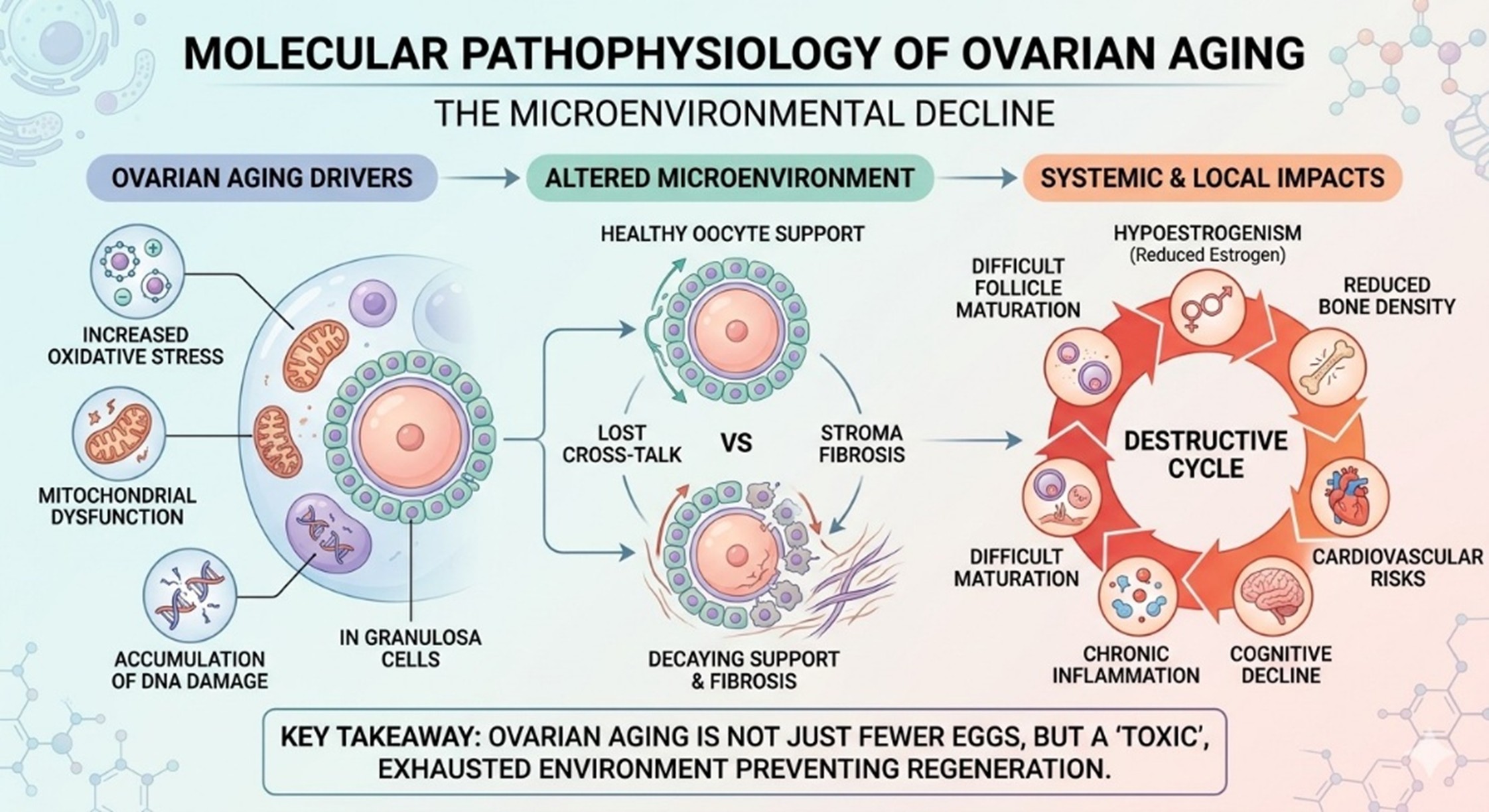
The pathophysiology of Ovarian aging is a complex, multi-layered process characterized by the progressive loss of the primordial follicle pool and a decline in oocyte quality. At the molecular level, this is driven by heightened oxidative stress, mitochondrial dysfunction, and the accumulation of DNA damage within the granulosa cells that support the developing egg. As these support cells fail, the delicate cross-talk between the oocyte and its microenvironment is severed, leading to apoptosis and stromal fibrosis. The systemic impact is far-reaching; the resulting hypoestrogenism affects bone density, cardiovascular health, and cognitive function. This creates a state of chronic inflammation within the pelvic environment, making it increasingly difficult for any remaining follicles to mature. Understanding this destructive cycle is crucial because it highlights that the problem is not just a lack of eggs, but a toxic or exhausted environment that prevents the body’s natural regenerative processes from taking place.
- Limitations of Conventional Endocrine and Reproductive Interventions
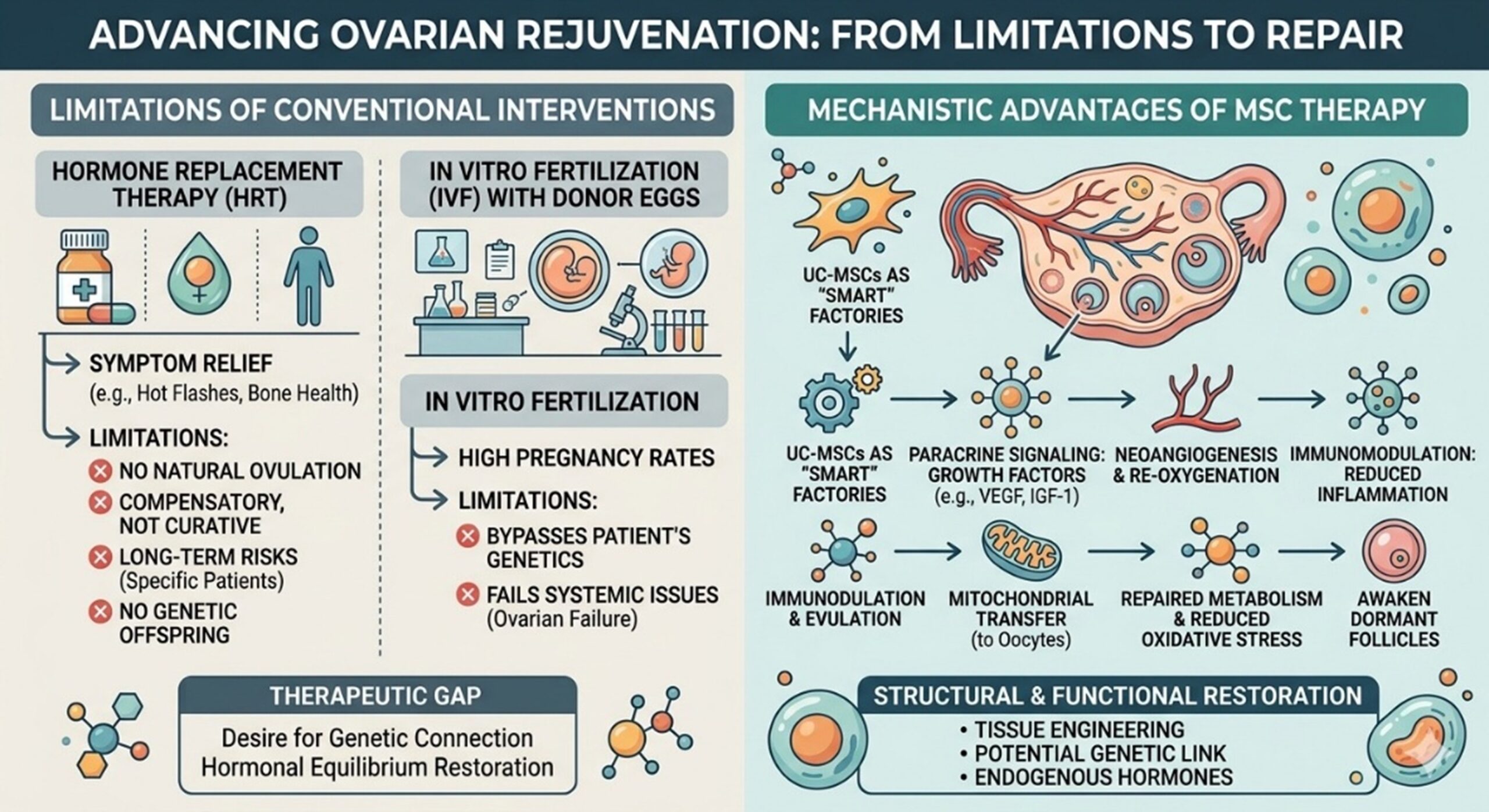
Historically, the management of Ovarian decline has relied almost exclusively on Hormone Replacement Therapy (HRT) or assisted reproductive technologies like Egg Donation. While HRT can mitigate vasomotor symptoms such as hot flashes and protect bone density, it is strictly a compensatory measure; it does not restore natural ovulation or the endogenous production of hormones. Furthermore, HRT carries long-term risks for certain patient profiles and does nothing to improve the chances of a biological pregnancy. On the other hand, In Vitro Fertilization (IVF) with donor eggs remains the gold standard for achieving pregnancy in cases of severe depletion, yet it bypasses the patient’s own genetic contribution and fails to address the systemic health issues associated with Ovarian failure. These limitations have left a significant therapeutic gap for women who desire a genetic link to their offspring or who wish to restore their natural hormonal equilibrium through biological repair rather than synthetic supplementation.
- Mechanistic Advantages of Mesenchymal Stem Cell Therapy
This is where the integration of Stem Cell Therapy, particularly the use of Umbilical Cord-derived Mesenchymal Stem Cells (UC-MSCs), offers a groundbreaking alternative. Unlike static treatments, these cells function as smart biological factories. Once introduced into the Ovarian stroma, they utilize a paracrine signaling mechanism to secrete a potent cocktail of growth factors, such as Vascular Endothelial Growth Factor (VEGF) and Insulin-like Growth Factor-1 (IGF-1). These factors stimulate neo-angiogenesis, which is the formation of new blood vessels, effectively re-oxygenating the suffocated Ovarian tissue. Furthermore, these cells possess remarkable immunomodulatory properties, suppressing the chronic inflammation and T-cell mediated damage that often characterizes premature Ovarian aging. Beyond simple secretion, recent studies suggest that these cells transfer healthy mitochondria to damaged oocytes via tunneling nanotubes, effectively repairing the metabolic engine of the egg itself. By reducing oxidative stress and inhibiting the apoptosis of existing granulosa cells, the therapy can potentially awaken dormant follicles that were previously unable to develop in a hostile environment. This level of tissue engineering goes beyond mere symptom management, aiming for a structural and functional restoration of the organ.
- Thailand’s Leadership in Global Regenerative Innovation
The trajectory of Ovarian Rejuvenation within the landscape of Regenerative Medicine Thailand is exceptionally promising, positioning the nation as a global hub for cellular innovation. Thailand has invested heavily in biotechnological infrastructure, ensuring that laboratory standards for cell cultivation meet stringent international benchmarks, such as ISO and cellular processing cleanroom standards. The reason many international patients seek care here is the unique combination of highly specialized medical expertise and a regulatory environment that encourages the clinical application of cutting-edge research while maintaining rigorous safety oversight. Furthermore, the collaborative nature of Thai medical institutions allows for a multidisciplinary approach, combining endocrinology, embryology, and advanced immunology into a single patient-centered protocol. In the coming years, we expect to see even more refined protocols involving secretome therapy and targeted delivery systems that ensure the therapeutic payload reaches the deep cortical layers of the ovary. The future of Thai medicine in this sector is not just about extending the window of fertility, but about enhancing the long-term endocrine health of women, providing a comprehensive biological shield against the complications of early menopause.
- Conclusion: A New Paradigm for Women’s Endocrine Health
In summary, the transition from traditional hormonal management to cell-based restoration represents a significant milestone in modern gynecology. By addressing the root molecular causes of follicular decay through Stem Cell intervention, Ovarian Rejuvenation provides a glimmer of hope for restoring both fertility and systemic vitality. The sophisticated integration of these therapies within the framework of Regenerative Medicine Thailand ensures that patients have access to protocols that are both scientifically rigorous and deeply transformative. As we move away from purely reactive treatments and toward proactive, regenerative solutions, the goal remains clear: to empower the body to heal itself from within, restoring a sense of biological autonomy and improving the overall trajectory of female health for years to come.