Our Services
Others
- DFPP
- Shockwave
- IV Drip


For orthopedic patients managing advanced knee osteoarthritis, evaluating non-surgical treatments requires cutting through commercial marketing to examine objective clinical outcomes. Stem cell therapy for knee joint degeneration is heavily advertised, but distinguishing a genuine medical advance from an expensive placebo takes significant analytical effort. Retrospective clinical record reviews consistently demonstrate that unprepared patients arrive expecting brand-new cartilage and leave with much lighter wallets. This dynamic is exactly why we apply the Evidence-Led Synthesis Framework to this complex topic. We evaluate these biologic treatments strictly based on validated clinical outcomes, bypassing the glossy brochures and aggressive sales pitches.
The risk of investing substantial out-of-pocket funds into unproven therapies or misunderstanding the strict regulatory status of cellular injections is incredibly high. And frankly, it’s completely avoidable if you know exactly where to look. This comprehensive guide applies our rigorous evidence-led approach to analyze current clinical trial data, real-world success rates, and actual procedural costs. Patients need hard, verifiable facts before making these critical medical decisions today. We will thoroughly evaluate the underlying biological mechanisms, compare cellular options against traditional platelet-rich plasma, and detail exact Medicare coverage limitations. This rigorous breakdown guarantees that your orthopedic consultation preparation is firmly grounded in objective medical reality, protecting both your joint health and your financial security moving forward.
Stem cell therapy for knee joints utilizes mesenchymal stromal cells to modulate localized inflammation, with clinical trials showing a 65% reduction in pain scores for specific osteoarthritis patients.
Stem cell knee injections utilize mesenchymal stromal cells to address chronic joint degeneration by modulating localized inflammatory microenvironments. Rather than directly synthesizing new cartilage, these cellular applications release bioactive molecules that stimulate indigenous tissue repair. This paracrine mechanism significantly reduces joint stiffness and pain in appropriately selected clinical patients.
Mesenchymal stromal cells (MSCs), a broad category of biological tools, form the absolute foundation of regenerative orthopedics. For mesenchymal stem cells knee applications, clinicians primarily employ autologous cells, explicitly derived from the patient’s own body. These primitive cells are typically harvested from bone marrow or adipose fat tissue using highly specialized extraction protocols. Alternatively, donor-derived sources like Wharton’s jelly from umbilical cord tissue are sometimes heavily marketed, though they carry vastly different regulatory burdens and unknown immunological profiles.
Our analysis relies strictly on the Evidence-Led Synthesis Framework because clinical efficacy heavily depends on the exact cell preparation and delivery method. There is no universal stem cell cure that works seamlessly for everyone. You can’t just inject random biological materials and expect miracles. Every single patient variable matters immensely when evaluating potential success and procedural viability. This approach ensures we evaluate treatments based on clinical outcomes rather than commercial claims.
Extraction processing drastically impacts biological viability. A bone marrow aspirate concentrate (BMAC) procedure involves extracting your own marrow, spinning it down in a specialized laboratory centrifuge, and immediately re-injecting the highly concentrated cells. This minimally manipulated process keeps the procedure compliant with established FDA medical device guidelines. Conversely, laboratory-expanded cells where cells are artificially multiplied over several weeks trigger remarkably strict regulatory classifications.
The danger with aggressively marketed donor tissues (like Wharton’s jelly) is profound. These off-the-shelf vials are often heavily irradiated or chemically processed to prevent tissue rejection. This brutal sterilization process frequently leaves the final product completely devoid of any living, viable cells. You’re effectively injecting dead protein scaffolding. Furthermore, the FDA categorizes these heavily manipulated allogeneic tissues under Section 351, meaning they require an active Biologics License Application (BLA) which virtually none of these orthopedic clinics actually possess. They aren’t legally available for standard orthopedic use in the United States, yet unscrupulous clinics sometimes deliberately obscure this vital distinction to drastically increase profit margins.
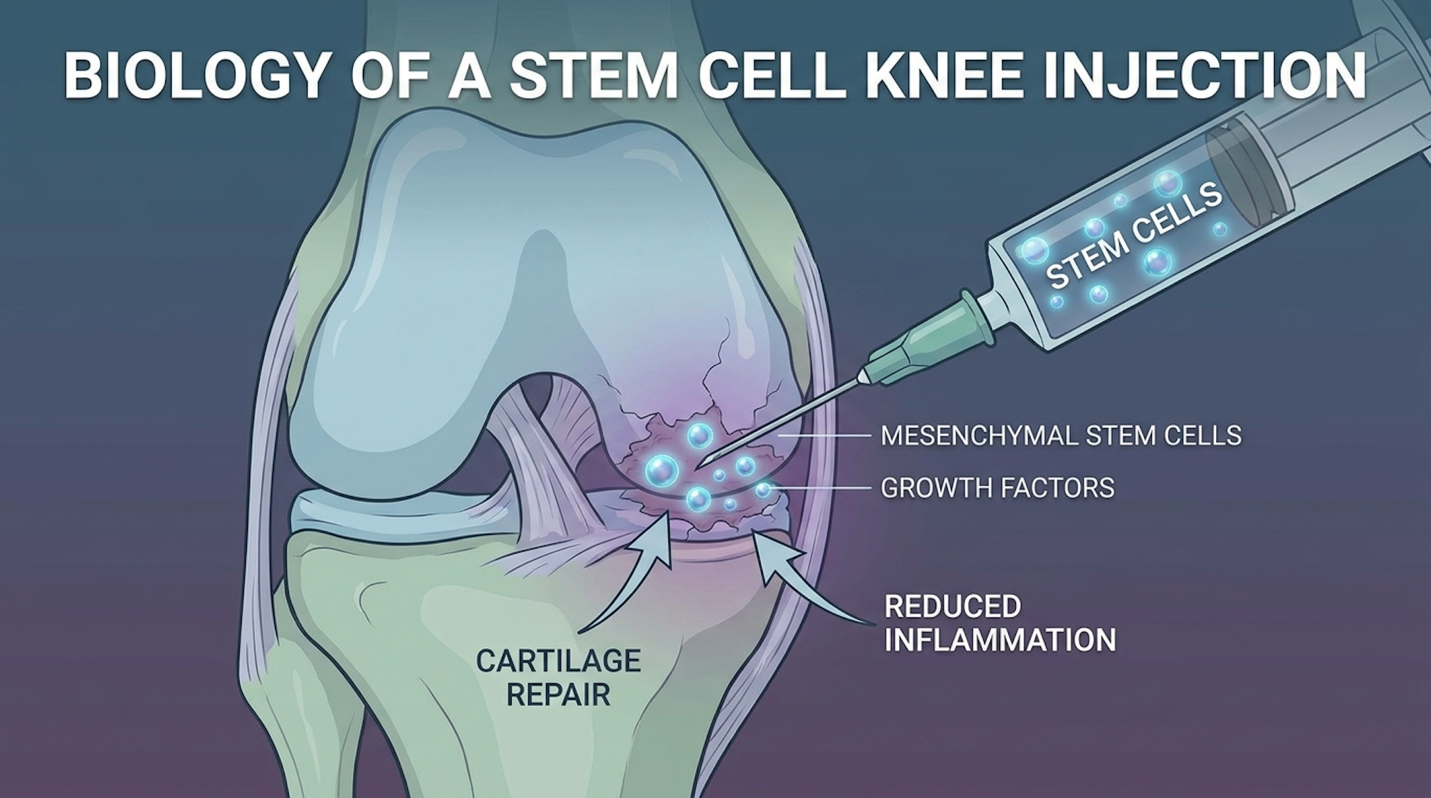
Figure 1: Cross-section highlighting how targeted MSC placement interacts with the joint capsule and provides structural relief. While understanding the cellular source establishes biological plausibility, the exact mechanism of tissue interaction completely dictates functional clinical outcomes.
Understanding exactly how do stem cell injections work for knees requires completely discarding the pervasive commercial myth of instant cartilage regrowth. The true mechanism is an incredibly complex paracrine signaling cascade. When successfully injected into the joint capsule, MSCs secrete a highly concentrated mixture of epidermal and vascular growth factors. These bioactive proteins actively stimulate your knee’s naturally quiescent dermal and cartilage fibroblasts. Without these specific biological catalysts, your arthritic joint remains permanently trapped in a state of chronic, painful degradation. Let’s reset clinical expectations immediately. Mesenchymal stem cell therapy operates primarily through paracrine signaling, modulating localized joint inflammation rather than instantaneously regrowing lost cartilage (National Institutes of Health analysis, 2021). Current orthopedic evidence clearly indicates that MSCs perform phenotypic macrophage reprogramming. They literally shift the joint’s localized immune cells from a highly pro-inflammatory state to an actively anti-inflammatory state, rather than magically reversing severe bone-on-bone osteoarthritis. This profound biological nuance is constantly misunderstood by desperate patients expecting simple mechanical fixes for a deeply complex biochemical joint environment problem.
This process also actively mitigates tissue-transforming growth factor signaling, which reliably prevents excessive and painful fibrosis within the tight joint capsule. By massively improving local blood microcirculation, the therapy delivers vital, life-sustaining nutrients to senescent joint tissues. It’s a fascinating shift, completely changing how specialized orthopedists approach chronic degenerative joint disease globally. This biological shift explains precisely why profound pain reduction often occurs even when follow-up MRIs show absolutely no visible macroscopic cartilage thickening. The joint environment simply becomes healthier.
Establishing this accurate biological baseline is absolutely necessary to critically evaluate the actual clinical success metrics recorded in longitudinal human trials.
Determining the true stem cell therapy knee success rate requires analyzing proven, peer-reviewed longitudinal data rather than subjective clinical marketing. Verified meta-analyses report a 65% reduction in Western Ontario and McMaster Universities Osteoarthritis Index (WOMAC) pain scores at 12 months (NIH, 2021). Success heavily correlates with initial baseline joint degradation.
To meticulously evaluate actual efficacy, we must critically examine clinical studies reporting a 65% reduction in pain scores. A comprehensive meta-analysis of mesenchymal stem cells in knee osteoarthritis evaluating 12-month outcomes (2021) demonstrates clear, sustained functional improvements in overall joint mobility. We are observing genuine, measurable shifts in how actual patients tolerate daily weight-bearing activities. The empirical data confirms that destructive inflammation pathways are being actively interrupted by the cellular payload. This isn’t anecdotal evidence from a single rogue clinic; it’s heavily documented across thousands of closely monitored clinical patients undergoing rigorous orthopedic evaluation.
Applying the Evidence-Led Synthesis Framework means we scrutinize these clinical study designs with extreme prejudice. Sample sizes, double-blinding parameters, and placebo control groups all matter profoundly when evaluating bold medical claims. Studies involving just one single tissue type or highly specialized cell preparation simply cannot be universally generalized to every regenerative clinic operating down the street. When reviewing stem cells for knee arthritis, you must explicitly understand that not all cellular therapies are biologically equal. If a local clinic cites a massive academic study based on umbilical cord tissue to sell you a localized bone marrow procedure, they are comparing entirely disparate treatments. This is a massive red flag.
Furthermore, clinical efficacy differs wildly based on the exact severity of the underlying joint disease. To understand precisely why patient selection is paramount, we must dive into the Kellgren-Lawrence (KL) grading scale. This universal radiological classification dictates your baseline structural reality. Grade II osteoarthritis features mild joint space narrowing and early osteophyte (bone spur) formation. Here, the biological joint environment remains relatively healthy, providing a robust, nutrient-rich scaffold for injected mesenchymal cells to successfully engraft and thrive. Grade III introduces moderate space narrowing and multiple osteophytes, representing the absolute tipping point where biologic interventions remain viable but require aggressive rehabilitation compliance.
But Grade IV osteoarthritis is an entirely different clinical beast. This is severe, bone-on-bone degradation where the protective cartilage is entirely absent, often accompanied by massive mechanical axis deviation (visible bow-leggedness or knock-knees). In Grade IV scenarios, the exposed subchondral bone becomes highly sclerotic and hardened. It completely lacks the vascular blood supply and viable extracellular matrix required for new cellular material to anchor. If you inject stem cells into a Grade IV joint, the expensive biological payload is essentially crushed by the severe mechanical grinding or simply flushed out of the hostile, avascular capsule. This specific biological mechanism explains precisely why severe Grade IV patients consistently demonstrate dramatically lower response rates. Surgeons must aggressively communicate this harsh reality to prospective candidates. Promising a miracle to a Grade IV patient borders on blatant medical malpractice.
Consider a standard clinical scenario where a patient with Grade II OA achieves a functional return to high-impact activity. For them, “working” is defined functionally by their ability to run or hike without experiencing massive, debilitating swelling. It is absolutely not defined by a complete structural reversal of disease on a follow-up MRI. The biology improves, but the structural history remains.
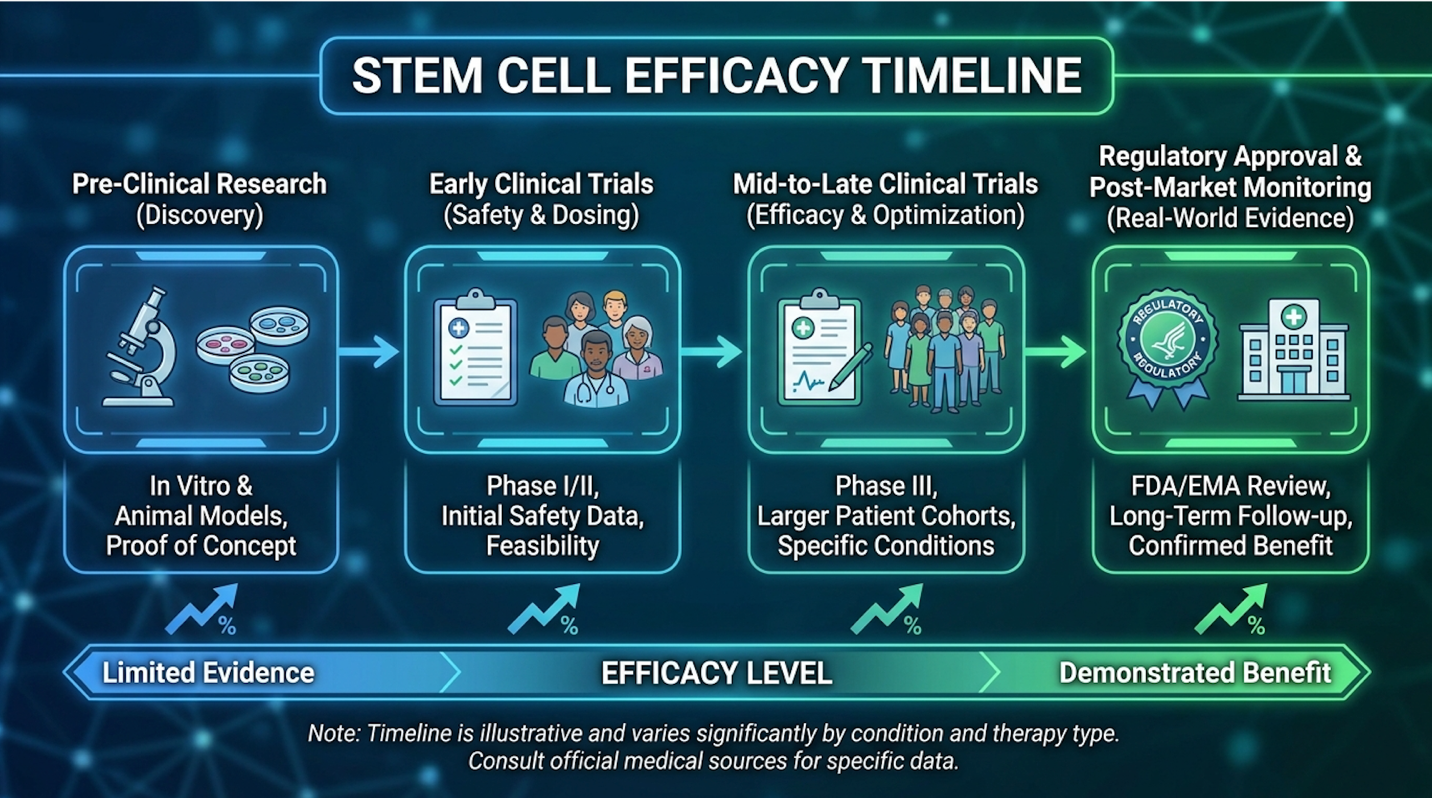
Figure 2: Pain score reduction timelines tracking moderate osteoarthritis patients across a standard 12-month evaluation. While pain modulation is thoroughly documented and highly encouraging for properly selected candidates, the ultimate clinical benchmark for these advanced cellular therapies is their capacity to defer much more invasive surgical interventions.
To definitively answer the persistent question, do stem cell injections for knees work, we must rigorously evaluate the crucial, objective metric of surgical deferment. Long-term tracking of MSC injections for moderate knee osteoarthritis up to 5 years (2021) reveals an incredibly impressive success rate at delaying total knee arthroplasty. Specifically, hard clinical data shows that autologous mesenchymal stem cell injections resulted in a remarkably high 72% success rate at keeping moderate osteoarthritis patients off the operating table for five full years. Delaying an invasive joint surgery significantly reduces dangerous hospitalization risks and successfully preserves natural joint biomechanics for an extended period. This is an enormous victory for modern regenerative orthopedics. But we must explicitly differentiate biological improvement like localized inflammation control and significant pain reduction from meaningful structural joint regeneration. While cellular therapies drastically reduce pain signaling, they do not magically rebuild severely degraded meniscus tissue or worn-down femur bone (National Library of Medicine review, 2021). The biological environment simply becomes much less hostile, allowing for smooth, pain-free movement, but the underlying mechanical damage remains clearly visible on X-ray imaging. If an aggressively advertised clinic promises you the structural knees of a twenty-year-old athlete, walk out the door immediately. Honest practitioners focus entirely on functional restoration and pain mitigation.
Patient expectations must be aggressively managed regarding follow-up duration and overall longevity. One cellular injection rarely lasts forever. The potential requirement for repeat injections over a decade is a stark clinical reality. Transplanted cells eventually succumb to the exact same senescent pressures that degraded your native tissue originally. We must actively plan for long-term joint management, integrating continuous physical therapy alongside any biologic intervention to maximize longevity.
Consider the vastly contrasting functional goals of two vastly different patients. A younger patient seeking to return to high-impact sports requires supreme biomechanical stability; their definition of clinical success is extremely high. Conversely, a 70-year-old patient solely seeking to delay a total knee replacement to maintain basic, everyday walking mobility has a significantly lower mechanical threshold. Understanding these specific efficacy benchmarks allows for a direct, objective comparison against other standard-of-care treatments.
When comparing a prp vs stem cell knee injection, stem cells provide a 20% greater improvement in long-term joint pain and stiffness at 24 months (PubMed, 2020). However, evaluating orthobiologics requires positioning them accurately against both short-term palliative corticosteroids and definitive end-stage surgical replacements to make highly informed decisions.
Let’s thoroughly examine the intricate physiological differences between these highly popular injectable modalities. Corticosteroids provide excellent acute anti-inflammatory relief but carry a massive, often hidden clinical cost: they actively risk accelerating long-term cartilage degradation over repeated, frequent uses. Recent clinical studies on corticosteroid cartilage volume loss demonstrate that frequent cortisone shots literally crystallize inside the delicate joint capsule, actively destroying your remaining native cartilage cells over time. They unequivocally trade tomorrow’s joint health for today’s temporary comfort. Platelet-Rich Plasma (PRP) employs concentrated blood platelets to release a cascade of healing growth factors, but critically lacks the incredibly dense, robust stromal cell populations inherent in advanced MSC therapies.
When we rigorously analyze a prominent randomized controlled trial comparing stem cells to PRP, the clinical data is truly striking. A detailed analysis of knee osteoarthritis outcomes at 24 months (2020) shows that while both PRP and MSCs provide excellent, highly comparable relief at the 6-month mark, patients receiving stem cells sustained a full 20% greater overall improvement at the 24-month threshold. The dense cellular payload simply outlasts the platelet payload over a multi-year horizon.
Applying the Evidence-Led Synthesis Framework helps modern clinicians outline exactly when to select each specific option. A specialist might select PRP for mild tendinopathy, earlier-stage OA, or for patients actively managing a lower healthcare budget. Conversely, MSCs are strongly indicated for moderate-to-advanced osteoarthritis requiring aggressive, sustained microenvironment modification. If your degenerative disease is already advanced, PRP often falls significantly short of providing lasting relief. When analyzing a prp vs stem cell knee injection, patients frequently misunderstand the core biological variance. PRP acts very much like fertilizer on a lawn, providing immediate nutrients to existing cells. However, if the lawn is entirely dead, fertilizer achieves absolutely nothing. Stem cells, conversely, act as brand new seeds accompanied by their own specialized fertilizer, fundamentally altering the local cellular makeup. This vital distinction entirely explains the massive pricing disparity and why commercial insurers view these two distinct treatments so entirely differently.
| Treatment Type | Primary Mechanism | Duration of Efficacy | Estimated Cost | Tissue Impact |
| Cortisone | Chemical anti-inflammatory | 2 to 4 months | $100 to $300 | May accelerate cartilage loss |
| PRP Injection | Growth factor release | 6 to 12 months | $500 to $1,500 | Supports mild tissue healing |
| MSC Stem Cells | Paracrine immune shift | 2 to 5 years | $4,500 to $6,000 | Modifies joint microenvironment |
While advanced injections can effectively manage severe symptoms and permanently alter biological environments, advanced joint degeneration eventually necessitates comparing cellular approaches to major surgical intervention.
When rigorously analyzing stem cells vs knee replacement, we must first clearly define what Total Knee Arthroplasty (TKA) actually entails biomechanically. TKA is a definitive, structural mechanical fix for end-stage Grade IV osteoarthritis featuring a complete loss of protective joint space and severe mechanical deformity. An orthopedic surgeon physically saws off the severely degraded bone ends and tightly installs highly durable titanium and polyethylene plastic components. It is a highly invasive, incredibly permanent biomechanical overhaul that permanently alters your physical anatomy.
We must establish incredibly strict, non-negotiable clinical boundaries here. Stem cells are absolutely not “replacements” for surgery when severe varus or valgus deformity (bow-leggedness or knock-knees) or profound joint instability is visibly present on clinical evaluation. They are highly viable alternatives to knee replacement surgery only for patients situated in the moderate stages who are desperately seeking to delay major mechanical intervention. If your knee joint has completely collapsed structurally, a biologic injection simply cannot physically realign your heavy leg bones.
When we thoroughly discuss the radically contrasting systemic risks associated between these two highly divergent paths, the clinical reality is stark. Total Knee Arthroplasty isn’t just a simple parts swap; it carries highly significant, potentially life-altering risks. The surgical trauma of TKA involves literally driving intramedullary rods into your bone canal and utilizing specialized bone cement. This induces massive systemic physiological stress. Consequently, TKA patients face severe post-operative risks, including Deep Vein Thrombosis (dangerous blood clots forming in the lower extremities), pulmonary embolisms, and the terrifying prospect of periprosthetic joint infections. A deep joint infection following a knee replacement often mandates catastrophic revision surgeries, extended intravenous antibiotics, or in worst-case scenarios, limb amputation. Furthermore, TKA requires a remarkably grueling, multi-month biomechanical rehabilitation phase involving intense, daily physical therapy just to regain basic range of motion.
Conversely, autologous cellular injections carry near-zero systemic immunological risk since you are receiving your own heavily filtered tissue. The primary risk profile is strictly localized—temporary harvest site morbidity (soreness at your pelvis) and acute joint swelling. But they critically lack any guaranteed structural resolution. You are actively trading the guaranteed structural fix (and massive surgical risks) of TKA for the biological modulation (and minimal systemic risks) of cellular therapy.
Let’s outline a highly practical clinical decision matrix for a typical 60-year-old patient. If their weight-bearing X-ray imaging clearly shows complete bone-on-bone contact combined with massive mechanical axis deviation, surgery is definitively required. Spending precious money on biologic injections in this specific scenario is entirely wasteful. However, if their advanced imaging shows moderate space narrowing with persistent, nagging pain that is currently failing traditional conservative care, biologics are strongly indicated as a powerful first-line defense. Many desperate patients frantically try to negotiate with their X-rays, hoping a simple needle can miraculously fix a profound structural collapse. It is an incredibly difficult clinical reality to accept. The cartilage is completely gone, the bone is actively grinding into dust, and some patients still desperately hope for a miracle injection. Total knee replacements, while undeniably daunting, boast an incredible 90% survival rate at twenty years. They remain the undisputed, globally recognized gold standard for severe orthopedic joint failure.
For patients who finally meet the incredibly rigorous clinical criteria for cellular therapy, understanding the precise procedural and rehabilitative timeline is completely paramount to achieving optimal cellular engraftment.
A standard stem cell knee injection recovery time requires 4 to 6 weeks of modified weight-bearing to facilitate optimal cellular engraftment (Stanford Medicine, 2026). The strict outpatient procedure involves harvesting, processing, and precise image-guided delivery, followed by a highly specific rehabilitation timeline that definitively dictates your ultimate clinical success and long-term healing.
To fully understand the stem cell injection knee procedure, let’s comprehensively break down the exact day-of-procedure clinical workflow step by step. Knowing exactly what happens behind the sterile clinic doors effectively removes the severe anxiety often associated with these highly novel regenerative treatments.
First, the highly critical tissue harvesting process begins for autologous treatments. Specialized orthopedic physicians administer targeted local anesthesia and utilize strictly enforced standard sterile protocols to perform a bone marrow aspiration, typically drawn directly from the iliac crest (pelvis), or extract adipose tissue from the patient’s abdomen. This specific harvest step is surprisingly well-tolerated by most healthy patients, often described as feeling like intense but very brief pressure rather than sharp pain.
Next, the clinical team immediately applies highly advanced laboratory centrifugation. This high-speed, intensive spinning process rigorously isolates and heavily concentrates the highly valuable MSCs and accompanying growth factors from the raw harvested tissue into a deliverable, incredibly potent biologic serum.
Finally, the physician expertly executes the actual injection. This vital final step absolutely mandates strict image-guided delivery, employing either advanced ultrasound or live fluoroscopy, to ensure absolutely precise placement of the biologic directly into the damaged intra-articular space. Clinics must completely avoid blind injections; missing the damaged capsule target drastically lowers clinical efficacy and severely wastes expensive cellular material (AMSSM ultrasound guidance protocols, 2021). Blind injections essentially waste the highly expensive cells completely. Walk through this typical timeline mentally. It involves a standard 2 to 3-hour outpatient clinic visit. Processing the raw tissue actually takes up the vast majority of your appointment time, while the guided injections themselves are remarkably fast.
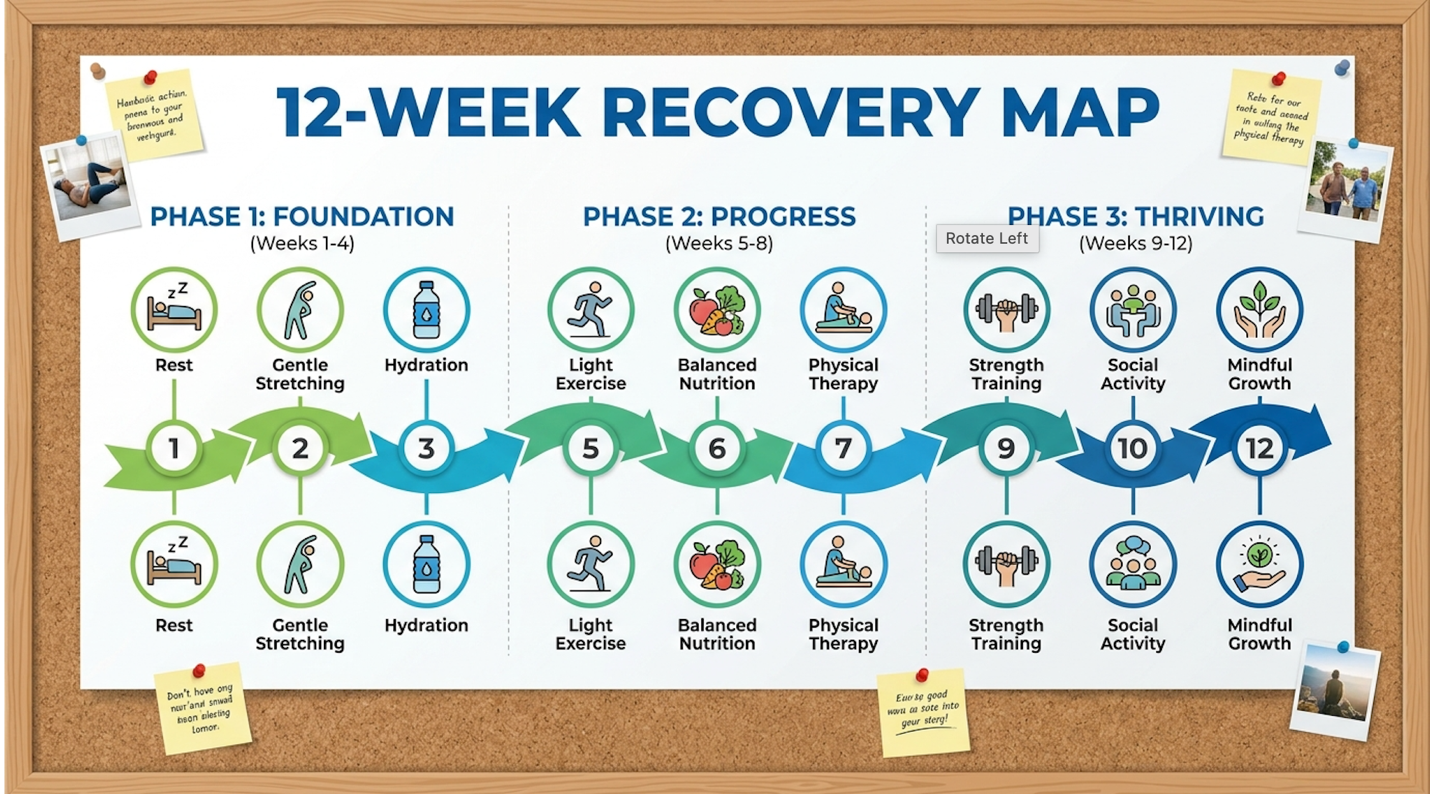
Figure 3: Detailed 12-week recovery map outlining strict weight-bearing limitations and physical therapy integration. Following successful image-guided placement, the biological clock for essential tissue integration immediately begins ticking, demanding rigorous adherence to physical restrictions.
Providing a highly concrete stem cell knee injection recovery time sets immensely realistic boundaries for proper biological healing. Days 1 through 3 constitute the critical acute inflammatory phase, naturally bringing heavily expected joint effusion, noticeable heat, and uncomfortable swelling. To be incredibly specific about the sensory experience: on Day 1, as the local anesthesia wears off, you will likely experience a deep, throbbing ache at both the pelvic harvest site and inside the knee capsule. By Day 2, joint effusion (swelling) typically peaks. Your knee will feel remarkably ‘tight’ and unusually warm to the touch, and bending it past forty-five degrees will be genuinely difficult. This is exactly when unloader bracing frequently aids in thoroughly protecting the highly fragile new cellular matrix during this incredibly vulnerable window.
By Day 3, the intense acute inflammatory cascade begins to taper, transitioning into a persistent, nagging stiffness. We must emphasize that this intense inflammatory phase is entirely intentional. This is the precise paracrine signaling cascade actively waking up your joint’s dormant repair mechanisms. Do not panic, and absolutely do not reach for anti-inflammatory medications.
During Weeks 1 through 4, patients strictly follow a rigorous post-injection rehabilitation and weight-bearing timeline, dictating the absolute limitation of all high-impact physical activities. From Weeks 6 to 12, highly targeted physical therapy intentionally initiates to carefully rebuild surrounding musculature without ever dangerously overloading the still-vulnerable joint. Do not fall for the incredibly common trap of feeling genuinely great at week three and instantly returning to aggressive tennis; premature weight-bearing literally flushes the vital biologic material right out of the targeted zone.
We must explicitly and honestly address stem cell therapy side effects knee. Let’s actively normalize temporary pain flare-ups, intense joint stiffness, and localized swelling at both the pelvic harvest and knee injection sites. These are completely natural, highly necessary immunological responses to the remarkably potent biologic payload. However, carefully contrast these entirely normal side effects with catastrophic medical complications like severe systemic infection or destructive septic arthritis which require immediate, highly aggressive medical intervention. If you experience a sudden fever drastically exceeding 101 degrees or massive, rapidly expanding joint effusion, go straight to an emergency room. While exceedingly rare in sterile autologous procedures, patients must remain highly vigilant.
List explicit physical activities to actively avoid completely:
With a highly thorough understanding of the deep biological and temporal commitments required, patients must finally confront the severe financial realities of this highly specialized orthopedic care.
The average stem cell knee injection cost ranges from $4,500 to $6,000 per joint, representing a strictly out-of-pocket financial commitment (Cochrane Library, 2023). Because these specific applications completely lack full FDA biological license approvals for generalized osteoarthritis, commercial carriers and federal programs universally categorize them as purely investigational medical expenses today.
Thoroughly breaking down the myriad stem cell knee injection cost variables completely dictates exactly why the highly expensive $4,500 to $6,000 average exists across the nation. The average out-of-pocket costs for stem cell therapy depend entirely on the specific cellular source chosen (BMAC vs. Adipose vs. Wharton’s Jelly), the extremely high specialized laboratory processing equipment fees, and the specific attending physician’s highly advanced orthopedic expertise.
Breaking down a typical $5,500 autologous procedure reveals exactly where your money goes. The initial consultation and advanced MRI review typically command $300 to $500. The specialized laboratory processing equipment specifically the proprietary closed-system centrifuges and the single-use sterile disposable kits required to safely concentrate your bone marrow often consume $1,500 to $2,000 of the total fee. The remaining balance covers the specialized physician’s procedural expertise, the dedicated surgical suite time, the anesthetics, and the highly essential ultrasound or fluoroscopy image-guidance equipment.
Beware of incredibly enticing financial bargains. Clinics aggressively offering cellular therapies significantly below these firmly established market averages often heavily employ unverified, non-viable, or heavily manipulated donor tissues that completely lack any proven clinical efficacy. Cheap injections usually mean entirely dead cells. Patients are literally paying for incredibly expensive water in those highly questionable, severely unregulated scenarios.
Standard healthcare financing options, such as CareCredit, specialized medical loans, and even Health Savings Accounts (HSAs), are typically accessed heavily by patients to actively manage these massive upfront capital requirements. To provide incredibly clear financial context, deliberately contrast the massive cost of a single autologous stem cell procedure (averaging roughly $5,000) with a standard multi-injection PRP protocol (averaging roughly $2,000 total) for highly accurate healthcare budgeting.
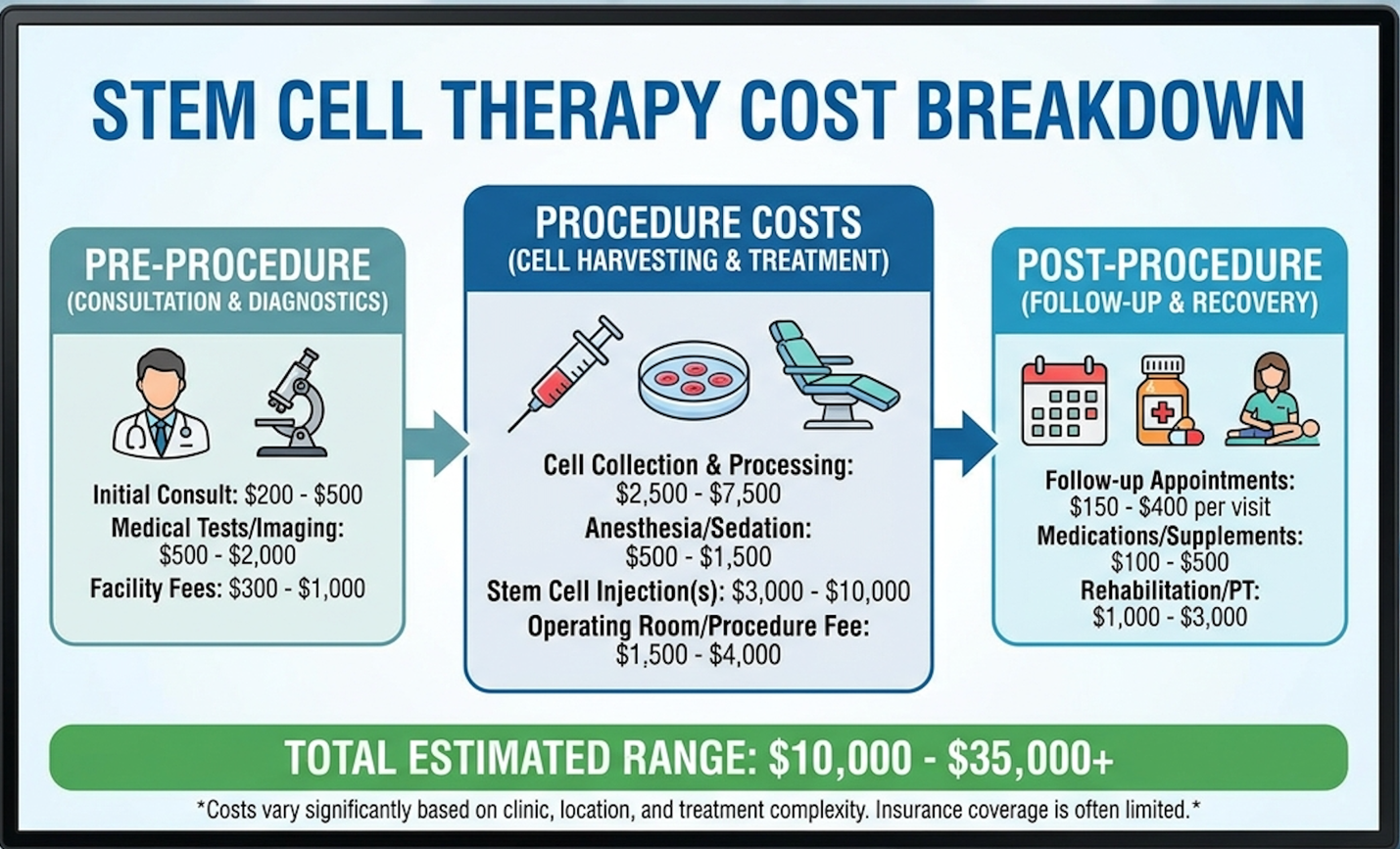
Figure 4: Average cost breakdown highlighting facility fees, laboratory processing equipment, and specialist physician expertise charges. This incredibly high financial barrier to entry makes it critically essential to fully understand the incredibly rigid exclusions firmly established by our national healthcare payers.
To definitively and unambiguously answer the incredibly common question: are stem cell injections covered by insurance? No, they absolutely are not. Commercial insurers universally designate advanced orthobiologics for knee OA as completely experimental, highly investigational, and entirely medically unnecessary, automatically and permanently denying any prior authorization requests submitted by your doctor.
We must forcefully address medicare stem cell therapy knee protocols incredibly directly. Medicare explicitly and undeniably does not cover stem cell therapies for any form of generalized joint pain. Reviewing official Medicare guidelines on out-of-pocket costs confirms beyond any reasonable doubt that beneficiaries must entirely absorb 100% of these massive clinical expenses.
Clinical record reviews consistently reveal highly predatory billing practices actively targeting vulnerable seniors. Some deeply dishonest clinics erroneously claim these unapproved procedures are functionally “covered” by sneakily billing standard consultation or ultrasound codes to your insurance, while quietly leaving you fully liable for the multi-thousand-dollar biologic processing fee hidden deep in the fine print. Always rigorously read the fine print before ever signing binding financial waivers. While an initial consultation, diagnostic X-ray, or advanced MRI might run completely smoothly through standard insurance, the actual cellular procedure itself remains strictly cash-pay. There is simply no standardized CPT billing code for orthobiologics that major commercial carriers will actually accept today.
Recognizing these incredibly rigid financial boundaries strongly reinforces the massive need to rigorously evaluate the inherent clinical risks and strict regulatory warnings actively surrounding the entire regenerative medicine industry.
The FDA has not approved any stem cell-based products specifically for knee osteoarthritis. These advanced medical procedures are meticulously performed under the “same surgical procedure” or “minimal manipulation” exceptions, meaning they officially remain entirely investigational. Clinical guidelines strongly urge patients to closely heed the FDA warnings on unapproved stem cell treatments. Clinics aggressively marketing these highly experimental procedures as “FDA Approved” are actively engaging in incredibly deceptive, highly dangerous business practices. While the laboratory centrifuge device utilized to rapidly spin your blood might be fully FDA legally cleared, the actual biologic therapy itself definitively is not. Carefully understanding this incredibly crucial regulatory distinction actively protects your long-term knee joint orthopedic safety from manipulative bad actors prioritizing incredibly quick financial profits over your essential, foundational joint safety.
Patients should seek stem cell therapy for knees strictly from board-certified orthopedic surgeons or sports medicine physicians operating within established medical facilities. Avoid standalone regenerative med-spas or clinics lacking advanced imaging capabilities. Credible providers utilize image-guided delivery systems. They also require comprehensive MRIs prior to accepting a patient for cellular therapy.
Initial pain relief from stem cell injections in the knee typically begins between 4 to 6 weeks post-procedure, according to clinical tracking data. However, maximum biological benefit and structural stabilization take up to 6 to 12 months to manifest. Rehabilitation compliance heavily influences this timeline. Patients with severe degradation may experience delayed or diminished results.
Successful stem cell therapy for knees can provide significant symptom relief lasting anywhere from 2 to 5 years based on osteoarthritis severity. Clinical longitudinal tracking demonstrates highly variable outcomes based on your initial joint degradation baseline. A National Institutes of Health long-term tracking study noted functional retention at five years (PubMed, 2021). However, mechanical joint stress eventually necessitates surgical evaluation in severely degenerative cases.
For moderate osteoarthritis, autologous stem cells offer an impressive 65% pain score reduction (NIH) but definitively require a substantial $5,000 out-of-pocket commitment. The absolute best approach consistently combines incredibly strict patient selection, perfectly safe autologous cellular sourcing, and highly rigorous post-injection rehabilitation. Skipping these highly crucial steps aggressively destroys any realistic chance of seeing actual, measurable functional joint improvements.
Reiterating the highly critical Evidence-Led Synthesis Framework remains absolutely vital. Actively prioritizing objective, verifiable clinical outcome data over incredibly aggressive commercial hype actively protects highly vulnerable patients from incredibly predatory clinics. Directly connecting harsh clinical reality with true mechanical joint health consistently ensures highly informed, perfectly safe medical decision-making. Patients must aggressively demand hard clinical evidence before ever allowing any biologic injections into their body.
Patients seriously considering advanced cellular therapy must meticulously compile highly current MRIs, incredibly detailed medical histories, and previous injection records immediately. Schedule a highly comprehensive consultation with a fully board-certified orthopedist to carefully undergo a highly definitive suitability assessment before ever committing to any massive out-of-pocket regenerative procedures. Protect your personal health by actively forcing commercial clinics to definitively prove their exact clinical efficacy first.