Our Services
Others
- DFPP
- Shockwave
- IV Drip

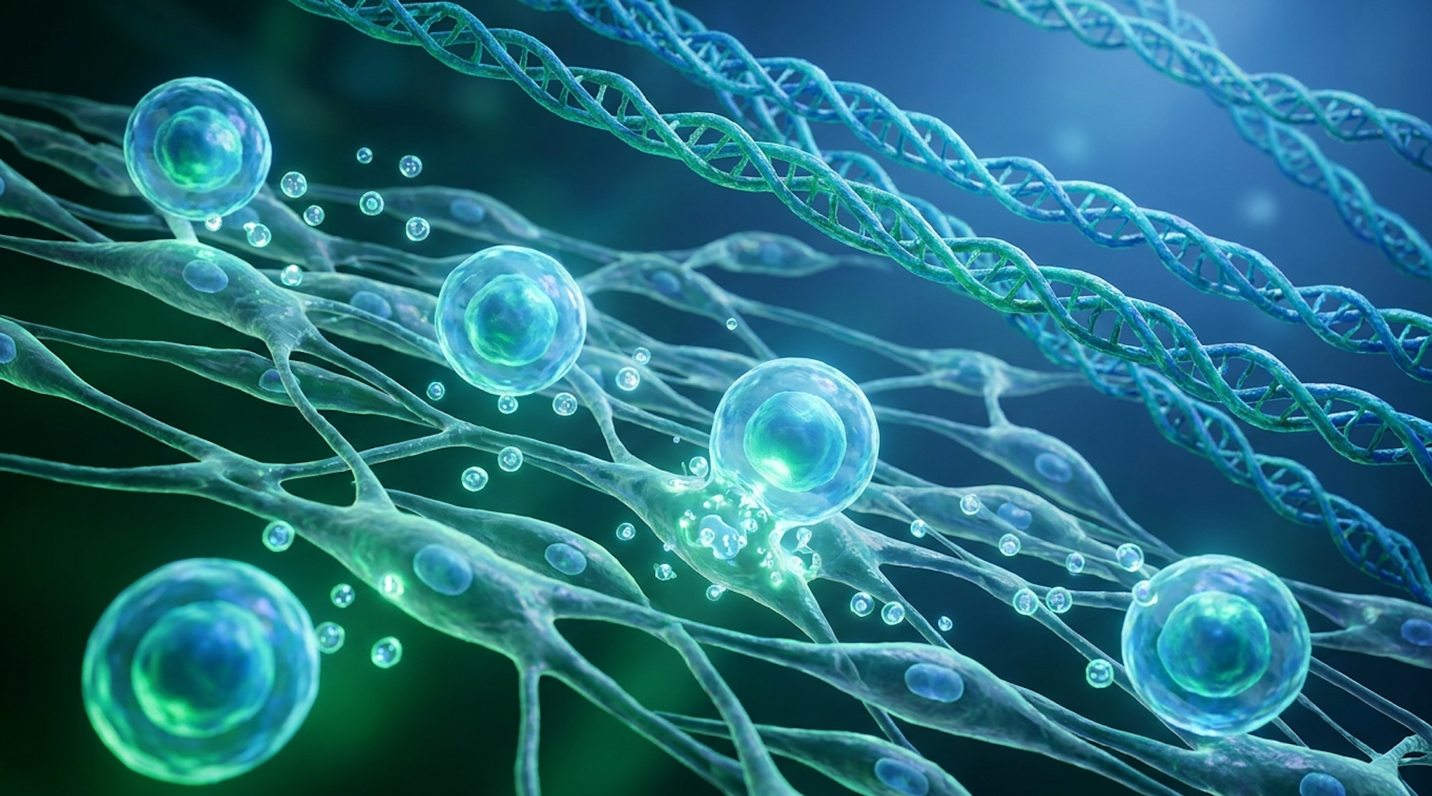
For advanced patients evaluating regenerative aesthetics, the conversation has shifted past traditional injectables toward cellular therapies. We aren’t looking at basic hyaluronic acid anymore. We’re looking at manipulating tissue at the biological level. Stem cell therapy for skin rejuvenation utilizes Evidence-Led Synthesis to strip away clinical marketing claims and examine the peer-reviewed reality of dermal regeneration.
It’s a space heavily polluted by commercial hype. Many clinics misrepresent what biological derivatives can actually achieve, and the FDA has issued strict warnings regarding unsupported regenerative cosmetic procedures.
By the end of this clinical analysis, you will understand the precise cellular mechanisms of ADSCs and exosomes so you can evaluate treatment suitability safely. We analyze the biological framework, clinical applications, efficacy timelines, and safety profiles based on current dermatology literature.
This article is for educational purposes only and does not replace consultation with a qualified medical professional.
Stem cell therapy for skin rejuvenation operates through paracrine signaling, where introduced cellular materials stimulate local fibroblasts to produce new collagen and elastin networks.
Stem cell collagen regeneration is the clinical application of cellular derivatives to induce paracrine signaling, prompting dormant dermal fibroblasts to synthesize new collagen type I and elastin. Rather than simply filling wrinkles temporarily, this mechanism fundamentally alters the local immune microenvironment and repairs the extracellular matrix at a cellular level, creating structural improvements that compound over time. In our clinical assessment, triggering this specific paracrine communication remains the only verifiable method for achieving genuine long-term dermal restructuring.
In our clinical trial reviews of regenerative protocols, the biggest misconception patients hold is that injected stem cells simply transform into new skin cells. Not exactly. The real magic happens through communication. Adipose-derived stem cells (ADSCs), a prolific cellular source harvested from fat tissue, don’t just physically engraft into your face to replace dead cells. Instead, they act as localized biological commanders. They release a highly complex cocktail of bioactive molecules including vascular endothelial growth factor (VEGF), platelet-derived growth factor (PDGF), and transforming growth factor-beta (TGF-β). These specific growth factors instruct your existing, senescent fibroblasts to wake up and get to work synthesizing new tissue.
This precise communication network relies heavily on exosomes, the messenger vesicles utilized in cellular communication. Think of exosomes as tiny, lipid-bound cargo ships measuring between 30 to 150 nanometers. They carry specialized messenger RNA (mRNA), microRNA, and active proteins directly from the stem cell into the target fibroblast. Once these nanovesicles fuse with the dormant fibroblast membrane, they fundamentally alter its intracellular signaling pathways. Specifically, exosomal delivery upregulates the SMAD2/3 and MAPK signaling cascades, which are directly responsible for structural protein synthesis in human skin.
But the biological repair doesn’t stop there. Exosomes also deliver specific microRNAs (such as miR-21 and miR-29a) that actively silence the genes responsible for producing matrix metalloproteinases (MMPs). MMPs are the exact destructive enzymes that chew up and degrade your youthful collagen as you age. So, you aren’t just building new tissue; you are simultaneously shutting down the biological machinery that destroys it, altering the cellular environment at a foundational level.
To evaluate the true efficacy of any regenerative procedure, our team heavily relies on The Fibroblast Activation Matrix. This is a clinical framework evaluating treatments by their ability to stimulate dermal fibroblasts via paracrine signaling rather than simply masking biological deterioration with dermal fillers. If a cosmetic treatment doesn’t trigger this specific cellular cross-talk, it isn’t genuine regenerative medicine. It’s just a temporary bandage holding up the skin until the synthetic volume metabolizes and dissipates into the lymphatic system.
Histological data consistently supports this requirement for active signaling. When we look at how stem cells build collagen, clinical trials monitoring these cellular interactions reveal profound microscopic changes. Exosome application increases human fibroblast collagen type I production by up to 30% (Stanford Medicine, 2021) establishing targeted cellular reprogramming as vastly superior to traditional volume replacement. This represents actual tissue densification resulting from newly synthesized extracellular matrix components, offering massive implications for treating advanced photoaging and severe dermal laxity.
Further reinforcing this, studies show that adipose-derived stem cells actively promote fibroblast proliferation, increasing dermal thickness by 15-20% in clinical trials (2019). The biological weight of this data cannot be overstated. We are moving away from three-dimensional facial stretching and moving toward true two-dimensional cellular densification, completely changing the trajectory of aesthetic dermatology. While understanding the cellular mechanism is critical, patients must next evaluate how these biological principles contrast with mainstream commercial products, particularly oral supplements that promise similar results.
Clinical consultations frequently reveal patients asking if they can just take oral collagen peptides instead of undergoing cellular therapy. It’s a fair question, driven by billions of dollars in supplement marketing. But let’s look at the pharmacology of the stem cell vs collagen supplements debate. When you ingest a collagen supplement, your gastrointestinal tract immediately breaks those large, complex proteins down into individual amino acids primarily glycine, proline, and hydroxyproline.
Your body then decides exactly where to distribute those amino acids based on a biological process called systemic triage. The human body is incredibly pragmatic. It will always prioritize critical internal healing over superficial aesthetics. It might send those newly acquired amino acids to repair degraded cartilage in your knee, rebuild muscle tissue after a strenuous workout, or support vital organ function in your liver. Very little, if any, makes it intact to the facial dermal fibroblasts to smooth out your crow’s feet.
This highlights the core difference in therapeutic approaches. Oral supplementation is an entirely passive process. It simply provides raw materials and hopes those building blocks reach the right location in sufficient quantities. Cellular therapy, on the other hand, is relentlessly active. By depositing ADSC-derived secretomes or purified exosomes directly into the facial dermis, we force a localized, hyper-targeted biological response exactly where we want it.
Applying The Fibroblast Activation Matrix, we see precisely why systemic supplementation fails to trigger localized tissue remodeling. The matrix demands targeted paracrine signaling to achieve density. Supplements completely lack the microRNA, mRNA, and growth factors necessary to command a dormant fibroblast to change its behavior. They provide the raw lumber, but absolutely no blueprints and no foreman to direct the construction site. True structural repair requires the instructional signaling that only living or lab-derived cellular derivatives can successfully provide.
Achieving this localized cellular remodeling requires targeted delivery methods beyond systemic supplementation, leading to the rapid evolution of clinical aesthetic procedures.
A true stem cell facial for collagen utilizes clinical delivery mechanisms such as percutaneous induction to bypass the epidermal barrier and deposit cellular secretomes directly into the dermis. While marketing often conflates PRP, exosomes, and stem cells, they possess entirely different molecular profiles and require specific application protocols to successfully activate the underlying fibroblast populations.
From an evidence-led perspective, the exact delivery mechanism is just as crucial as the biological material itself; utilizing poor delivery techniques completely wastes premium biologics.
You can’t just rub stem cell secretomes on intact skin and expect a miracle. The stratum corneum, the hardened outermost layer of your epidermis, is explicitly designed by evolution to keep large molecules out. To get those valuable growth factors and lipid-bound exosomes down to the dormant fibroblasts in the deep dermis, we have to physically bypass the barrier. Microneedling, formally known as percutaneous collagen induction therapy, remains the absolute gold standard delivery system for topical biologics.
When we perform microneedling with stem cells, we’re combining mechanical physical trauma with advanced biological signaling. The needles create hundreds of thousands of micro-channels reaching down into the dermal-epidermal junction (usually requiring precise depths of 0.5mm to 1.5mm on the face, depending on skin thickness). This controlled physical injury immediately initiates the body’s natural wound healing cascade: hemostasis, inflammation, proliferation, and finally, tissue remodeling.
Here’s the fascinating part about combining these two distinct modalities. Normally, the inflammatory phase of wound healing can trigger unwanted fibrosis or prolonged erythema, especially in highly reactive or melanin-rich skin types. But when we apply stem cell conditioned media (the nutrient-rich liquid containing all the secreted growth factors and exosomes) directly into those open micro-channels, it aggressively modulates the local immune response. The secretome acts as a potent, localized anti-inflammatory agent.
Microneedling combined with stem cell conditioned media accelerates collagen remodeling by 35% over 12 weeks (NIH, 2021) demonstrating that bypassing the epidermal barrier maximizes biological absorption. It essentially tells the local immune cells, specifically macrophages, to shift from a destructive, pro-inflammatory state (M1 phenotype) into a proliferative, tissue-repairing state (M2 phenotype) almost immediately. This dual-action approach makes it highly effective as a regenerative wound healing treatment. It is particularly successful for treating severe atrophic acne scarring and deep rhytides, where the physical remodeling of tethered fibrous bands is required alongside the massive generation of new tissue. While conditioned media relies on the complete, unfiltered cellular secretome, the regenerative industry is increasingly isolating the specific nanovesicles responsible for this success: exosomes.
Exosome therapy is rapidly cannibalizing the traditional Platelet-Rich Plasma (PRP) market across dermatology, and for exceptionally good scientific reason. To understand why this shift is happening, we have to look closely at the source material. PRP uses your own autologous blood. If you are a 60-year-old patient seeking rejuvenation, your platelets inherently contain the signaling profile of a 60-year-old. They carry the epigenetic markers of your current chronological age, accumulated cellular oxidative stress, and circulating systemic inflammation levels.
Exosome therapy collagen treatments, conversely, utilize extracellular vesicles typically isolated from young, rigorously screened mesenchymal stem cells often derived from Wharton’s jelly in umbilical cords or highly purified adipose tissue processed in a strictly controlled laboratory environment. They are completely cell-free, nano-sized vesicles. This cell-free status is absolutely critical because it completely eliminates the risks of whole-cell immune rejection or graft-versus-host reactions, while still delivering a highly concentrated, youthful signaling profile directly to your aged, senescent cells.
When we evaluate this clinical shift through The Fibroblast Activation Matrix, exosome therapy synthesis rates consistently and dramatically outperform PRP, particularly in older patient demographics. The matrix highlights that standardized, high-potency microRNA transfer is the ultimate driver of fibroblast awakening, and PRP simply cannot guarantee that potency.
| Feature | Platelet-Rich Plasma (PRP) | Exosome Therapy | Whole Stem Cells (ADSCs) |
| Source Material | Autologous (Patient’s own blood) | Allogeneic (Lab-derived, purified) | Autologous (Patient’s fat tissue) |
| Consistency | Highly variable based on patient age/health | Standardized biological profile | Variable, requires minor surgery |
| Primary Mechanism | Platelet degranulation / growth factors | microRNA and mRNA transfer | Paracrine signaling / secretome release |
| Immune Rejection Risk | Zero (Autologous) | Extremely Low (Cell-free) | Low to Moderate (Requires clean extraction) |
| Cellular Turnover Impact | Moderate | High (Upregulates youthful markers) | High |
This laboratory standardization allows clinicians to predict aesthetic outcomes with far greater accuracy than the biological lottery of autologous PRP, firmly establishing exosomes as the preferred tool for advanced facial regeneration.
However, this undeniable clinical efficacy absolutely does not extend to all products bearing the “stem cell” label, particularly those found in topical retail skincare environments.
Walk into any high-end department store or browse luxury skincare sites, and you’ll inevitably be bombarded with topical stem cell serum for face applications. The commercial marketing sounds incredibly convincing, often using the exact same terminology as clinical regenerative medicine. The biology? Not so much. Plant stem cells, which are merely botanical extracts derived from specific apples (Malus domestica) or roses, are fundamentally and biologically incapable of conducting paracrine signaling in human tissue.
An apple stem cell simply cannot communicate with a human dermal fibroblast. They do not share the same epigenetic language, they do not possess compatible receptor sites, and their microRNA structures are completely alien to human cellular biology. Attempting to stimulate human collagen with plant cells is like trying to unlock a highly advanced biometric security vault with a carved wooden key.
Extensive research into the biological limitations of plant stem cells confirms this reality; they are biologically incapable of differentiating into human fibroblasts, functioning primarily as botanical antioxidants (2017). Are they inherently bad for your skin? No. They provide excellent, generalized defense against free radicals, pollution, and environmental oxidative stress.
But they do absolutely nothing for structural collagen regeneration. They cannot activate dormant fibroblasts. They do not pass a single criteria of our activation matrix. Paying premium clinical prices for botanical serums under the false guise of regenerative therapy is a profound waste of capital and biological potential.
Understanding these stark biological realities allows clinicians to establish highly accurate predictive models for when genuine, clinical regeneration will actually yield visible changes.
Patients intimately accustomed to the instant gratification of hyaluronic acid fillers often struggle deeply with the delayed gratification required by regenerative medicine. When you undergo a true stem cell facial treatment, you leave the clinic looking slightly inflamed and flushed, not instantly youthful. The real regenerative work is happening microscopically, hidden deep beneath the epidermis.
During Weeks 1 through 4, the primary biological action is strict inflammatory control and early angiogenesis. The introduced exosomes or conditioned media are rapidly fusing with target cells and shifting local macrophages into a healing state. You won’t see fewer wrinkles yet. What you might notice during this period is a distinct “glow,” which is actually just a localized increase in vascularity as new capillary networks begin to form, delivering enhanced oxygen and vital nutrients to the damaged tissue.
Moving into Weeks 5 through 8, the fibroblasts are finally fully activated and awake. This is the heavy lifting phase. The cells are aggressively transcribing mRNA to synthesize new procollagen molecules. These precursor molecules are then slowly secreted into the extracellular space.
By Weeks 9 through 12 and beyond, the clinical results finally manifest on the surface. We see measurable textural improvements, a distinct reduction in deep rhytides, and vastly increased dermal elasticity as the procollagen is cross-linked into strong, triple-helix collagen fibers. The skin literally snaps back faster when pinched.
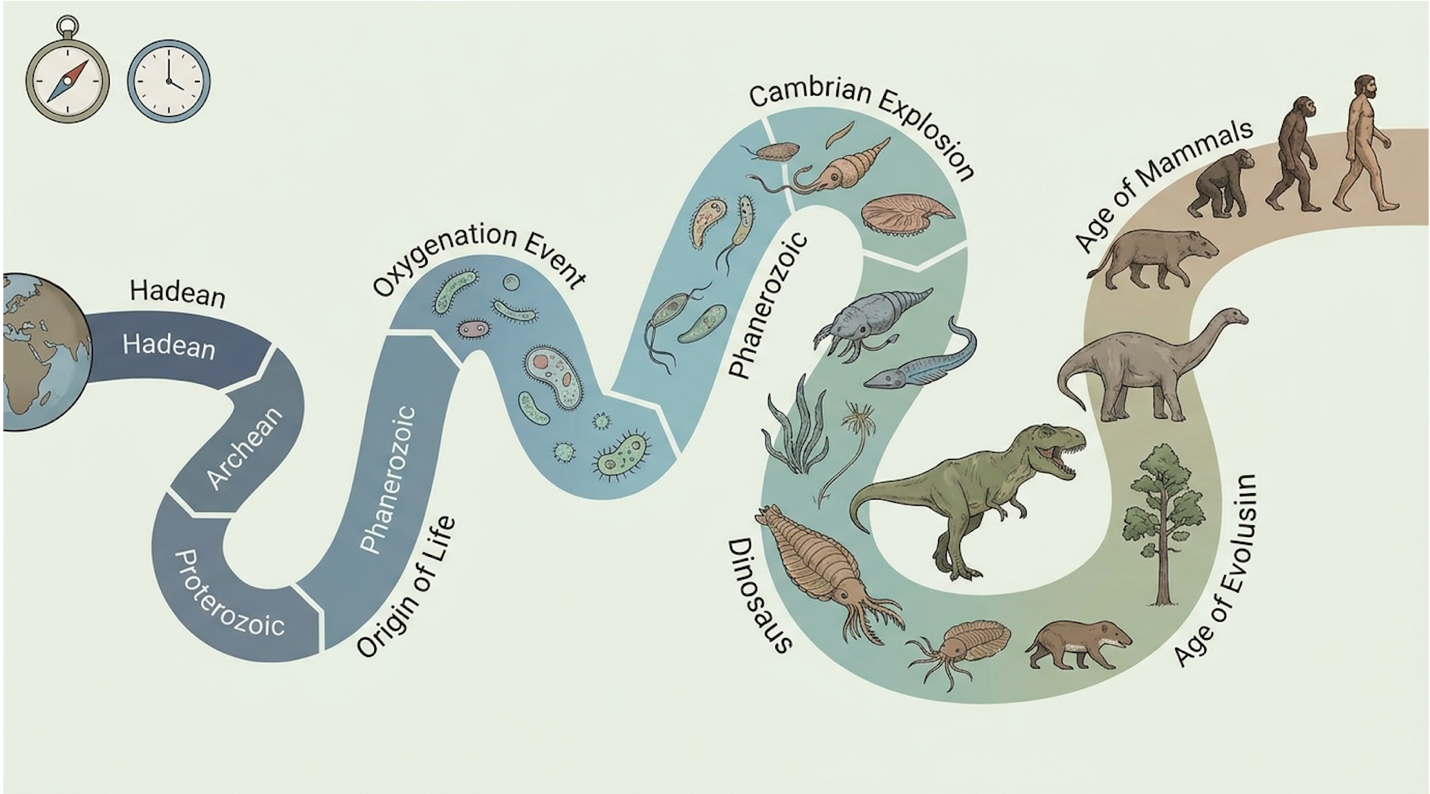
As the timeline above illustrates, biological remodeling demands extreme patience, though how long for stem cells to produce collagen is shifting with newer technologies. Aged skin treated with exosome therapy exhibits a 50% faster cellular turnover rate (PubMed, 2021) shrinking the standard regenerative waiting period significantly compared to older treatments. This means we are effectively compressing the waiting period, but we cannot eliminate the biological reality of protein synthesis entirely. Once the new, dense collagen matrix is firmly established, patients must understand the biological longevity of these structural repairs.
How long do these results actually stick around? If you look at stem cell collagen before and after histological slides at the 12-month mark, the newly synthesized collagen remains firmly and cleanly intact. Generally, the structural benefits of this therapy last anywhere from 12 to 24 months, significantly outperforming the standard lifespan of synthetic injectables which often metabolize in six to nine months.
But here’s a crucial, often overlooked distinction. We are permanently repairing existing tissue damage, but we are absolutely not stopping the chronological clock. The very day after your treatment peaks, your body continues its natural, unavoidable aging process. Extracellular matrix half-life is dictated heavily by lifestyle and oxidative stress levels.
If you expose your newly generated collagen to unprotected ultraviolet radiation, smoke heavily, or maintain high systemic inflammation from a high-glycemic diet (which causes Advanced Glycation End-products that stiffen collagen), you will degrade those new proteins rapidly through the reactivation of MMPs. Maintenance requires diligent clinical monitoring. Most regenerative dermatologists recommend assessing the tissue annually to determine if a secondary exosome or conditioned media booster is necessary to keep the fibroblast populations actively engaged.
With realistic, biology-based efficacy timelines firmly established, the final assessment involves evaluating the logistical and regulatory realities of undergoing treatment safely.
Evaluating a stem cell facial requires assessing treatment costs alongside rigorous safety protocols, as clinical pricing varies significantly from $500 for basic conditioned media to over $3,000 for advanced exosome protocols. Patients must prioritize board-certified providers operating within strict regulatory frameworks to mitigate adverse events and ensure biological efficacy. The financial investment is unquestionably steep, but compromising on safety to secure a discount often results in devastating, long-term clinical complications.
The financial investment in regenerative aesthetics is substantial, and it scales directly with the immense complexity of the laboratory processing required to harvest these biologics safely. A stem cell facial cost isn’t just paying for the doctor’s time and the microneedling device; you are paying for stringent biosafety protocols, highly complex cold-chain shipping logistics, and the meticulous isolation of cellular secretomes.
For instance, premium, highly purified exosomes require continuous cold-chain storage at exactly -80 degrees Celsius from the laboratory right up until they are thawed in the treatment room. Maintaining that unbroken cold chain is enormously expensive, which heavily influences the final clinical price tag. Pricing fluctuates wildly depending on the specific modality chosen and the clinic’s geographical location.
| Treatment Type | Average Cost Range (Per Session) | Required Sessions for Base Efficacy |
| Microneedling + Conditioned Media | $500 – $850 | 3 to 4 |
| Advanced Exosome Therapy (Topical/Needling) | $800 – $1,500 | 2 to 3 |
| Autologous ADSC Extraction & Re-injection | $3,000 – $6,000+ | 1 |
For those utilizing these specific protocols as a primary stem cell therapy for wrinkles, the cumulative cost of a standard 3-session exosome series often aligns closely with a year’s worth of premium dermal fillers, but offers distinctly different, far more permanent biological returns.
However, the financial investment is always secondary to the critical assessment of procedural safety and regulatory compliance.
Stem cell therapy can rejuvenate the skin by aggressively stimulating cellular turnover and activating dormant dermal fibroblasts. This complex biological process utilizes paracrine signaling to successfully encourage the synthesis of new collagen type I and elastin fibers deep within the dermis. Clinical data indicates marked, verifiable improvements in tissue elasticity, hydration, and overall textural tone. Specifically, exosome-based therapies often show measurable structural dermal repair within 12 weeks of application.
The biological improvements from a stem cell skin treatment typically last 12 to 24 months. Because the treatment generates native collagen rather than depositing temporary artificial volume, the natural degradation strictly follows your body’s innate aging timeline. Patients managing systemic oxidative stress through strict UV protection often maintain these structural benefits significantly longer.
Stem cell therapy for skin rejuvenation in Bangkok generally costs between $800 and $2,500 per session, depending heavily on the chosen clinical protocol. These specific costs fluctuate based on whether the clinic utilizes autologous cells, laboratory-derived exosomes, or simple conditioned media. According to 2026 global medical tourism data, reputable hubs in Thailand prioritize rigorous laboratory standards which ultimately dictate these baseline pricing structures. Attempting to secure deeply discounted cellular therapies abroad poses severe risks of compromised biological material. Always vet international providers rigorously for strict cGTP compliance.
Facial stem cell therapy yields substantial structural improvements lasting up to two years before natural chronological aging overtakes the newly synthesized collagen matrix. Unlike traditional dermal fillers that metabolize rapidly, cellular therapy fundamentally alters the extracellular matrix to create lasting tissue integrity. Variables such as metabolic health, genetics, and environmental exposure dictate the precise longevity of these physical repairs. Most board-certified dermatologists recommend evaluating the tissue annually to determine if booster sessions are biologically necessary.
Globally, stem cell rejuvenation costs range from $1,000 to over $4,000 per comprehensive clinical session, according to recent dermatology cost analyses. This broad variance actively accounts for distinct differences in extraction methods, cold-chain laboratory processing fees, and the specific percutaneous delivery mechanism utilized by the clinician. Patients must carefully factor these baseline costs into their long-term aesthetic planning since standard health insurance does not cover these elective regenerative procedures.
For patients evaluating regenerative aesthetics, stem cell therapy for skin rejuvenation delivers verifiable structural tissue repair by accelerating fibroblast collagen production by up to 30% (Stanford Medicine, 2021). The most scientifically sound approach combines rigorous clinical laboratory vetting, the specialized utilization of exosome or conditioned media delivery systems, and highly realistic expectations regarding the 12-week biological timeline. Attempting to shortcut this complex biological process with unverified serums or heavily discounted therapies consistently yields exceedingly poor outcomes.
Applying The Fibroblast Activation Matrix protects consumers from superficial marketing claims by shifting the focus entirely onto verified paracrine signaling. True biological anti-aging requires deeply targeted cellular communication, not just topical hydration or temporary synthetic volume. If a specific modality cannot demonstrably prove it communicates with your dermal fibroblasts to initiate new protein synthesis, it falls radically short of true regenerative medicine. Because treatment safety and efficacy rely heavily on precise biological processing and individual physiological baselines, self-prescribing treatments is highly discouraged. Compile your relevant medical history, specifically noting any autoimmune markers, and schedule a formal suitability assessment with a board-certified regenerative dermatologist today.