Our Services
Others
- DFPP
- Shockwave
- IV Drip

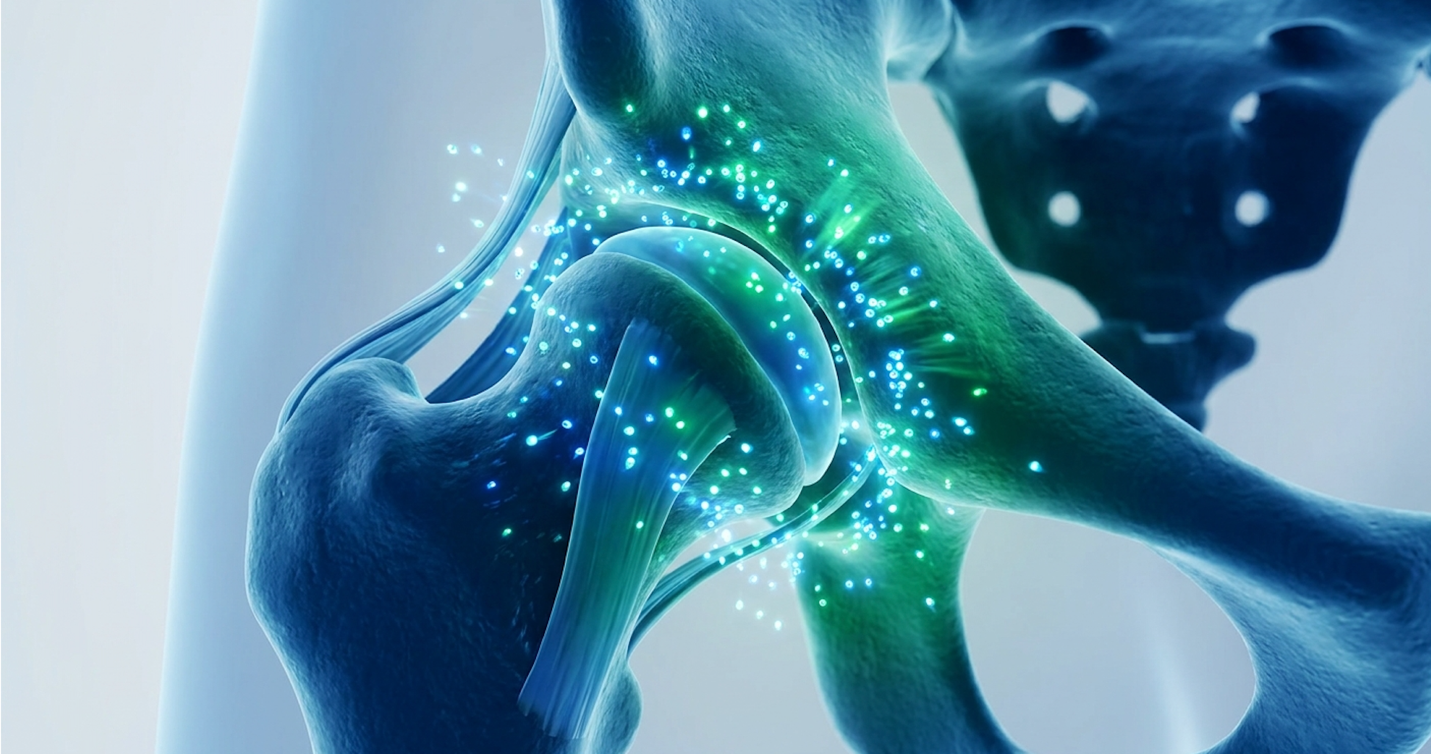
Patients navigating severe degenerative hip pain frequently reach a frustrating crossroads. They either endure daily mobility restrictions, watching their quality of life slowly evaporate, or commit to an invasive total hip replacement. While surgery carries irreversible joint alterations and prolonged rehabilitation timelines, continuing without intervention simply accelerates cartilage loss and heightens chronic inflammation.
In our continuous clinical review of emerging orthobiologics, we recognize that patients need objective data. By the end of this guide, you will understand the biological mechanisms, realistic success rates, and strict clinical limitations of UC-MSC stem cell therapy for hip pain so you can determine if a regenerative-medicine consultation is medically appropriate for your exact diagnosis. We’re cutting through the marketing noise to look exclusively at what the clinical data proves.
This analysis examines the current peer-reviewed evidence, evaluates competing orthobiologic treatments, and details practical lifestyle modifications for immediate symptom management. Can ? Yes, But they are not magic. They require precise biological staging and expert administration.
UC-MSC stem cell therapy for hip pain utilizes umbilical cord-derived mesenchymal stem cells to modulate inflammation and support joint tissue repair.
UC-MSC stem cell therapy for hip pain utilizes young, robust mesenchymal stromal cells derived from umbilical cord tissue to modulate joint inflammation. Rather than merely masking pain, these orthobiologics secrete bioactive molecules that prompt the body’s existing cells to repair damaged tissue. This mechanism actively addresses the underlying biological baseline of degenerative hip disease rather than just muting nerve signals.
To evaluate whether this fits your specific hip degeneration treatment plan, you have to understand exactly what these cells do once injected. They don’t just magically turn into new cartilage. They operate as biological foremen. They enter a highly toxic, inflamed joint space and immediately begin orchestrating a massive repair protocol.
UC-MSCs stimulate local fibroblasts to promote the synthesis of collagen and elastin, actively modulating the joint’s inflammatory microenvironment (NIH, 2023) this cellular communication fundamentally alters the trajectory of joint decay. While the biological mechanics demonstrate significant regenerative potential, translating these actions into functional patient outcomes requires an objective review. Let’s examine the actual biology.
How do umbilical cord stem cells repair a degenerative hip? It all comes down to paracrine signaling. The primary mechanism of action for Umbilical Cord Mesenchymal Stromal Cells (UC-MSCs) is not cellular differentiation. They don’t simply transform into fresh cartilage cells and stick to your bones. Instead, they secrete a powerful mix of epidermal, vascular, and fibroblast growth factors directly into the synovial fluid.
These signaling proteins do the heavy lifting. They stimulate quiescent dermal fibroblasts and promote the synthesis of collagen type I, fibronectin, and elastin within the Extracellular Matrix (the structural network providing support to surrounding cells). Additionally, the anti-inflammatory effects of stem cells are triggered when UC-MSCs inhibit Toll-like receptors, physically switching the joint’s microenvironment from a hostile, pro-inflammatory state to an anti-inflammatory, healing state.
For a patient with a degenerating hip, this process alters the biological baseline. A detailed clinical data review involving the analysis of paracrine signaling in joint repair indicates that these cells effectively reprogram local macrophages. Understanding this cellular communication leads directly to the question of whether these processes translate into visible bone and cartilage regrowth on clinical imaging.
| 📌 If you’re interested in how MSCs shift the immune system from attack mode to repair mode, we have an interesting article that discusses mesenchymal stem cell therapy for immune modulation, which you can read via the internal link. |
Can stem cells regrow hip bone? We need to be scientifically honest here. While the regenerative potential of stem cells for cartilage repair shows strong clinical evidence in mild to moderate cases, complete bone regrowth in advanced avascular necrosis or severe osteoarthritis is highly complex and absolutely not guaranteed.
UC-MSCs have proven remarkably effective at improving joint space narrowing on MRIs for early-stage pathology. They preserve existing cartilage and stimulate local chondrocytes to repair superficial defects. However, expecting a single injection to rebuild an entirely flattened femoral head is unrealistic. We have to separate established medical capabilities like reversing inflammation and preserving tissue from experimental investigational claims.
Recent clinical application data analyzing industry perspectives on expanded MSCs confirms that biological repair is highly visible on MRIs for appropriate candidates. But stem cell therapy for hip osteonecrosis relies heavily on the stage of the disease at the time of injection. The clinical evidence confirms that biological repair is possible, but the extent of this repair dictates the statistical success rates patients can realistically expect.
Determining what the success rate of stem cell therapy for hips is requires categorizing patients by their exact diagnosis and disease severity. Applying The Regenerative Evidence Index a systematic framework for evaluating regenerative therapies based on cellular source, clinical processing, exact diagnosis fit, and documented longevity outcomes current clinical data indicates that outcomes vary drastically based on the initial biological baseline of the joint space.
If a clinic offers you a flat “95% success rate” without looking at your MRI, walk away. Efficacy is stratified. Your specific Kellgren-Lawrence (KL) grade the radiological classification of osteoarthritis severity dictates your probable outcome. Chronic hip pain treatment without surgery relies entirely on having enough surviving cellular architecture for the stem cells to actually communicate with.
Clinical data indicates that 60-90% of patients with mild to moderate hip osteoarthritis experience clinically significant pain reduction following UC-MSC therapy (OrthoRepair, 2023) proving that appropriate staging is everything. But you have to contextualize that number. Success and longevity are intrinsically tied to early intervention and your strict adherence to post-treatment rehabilitation.
For patients exploring stem cell treatment for early stage hip osteoarthritis (KL Grades 1 and 2), the 60-90% success metric holds strong. In these cases, “success” is defined by functional outcomes meaning a drastic reduction in daily pain, elimination of night pain, and a restored range of motion not just minor aesthetic changes on an MRI.
However, for severe, “bone-on-bone” osteoarthritis (KL Grade 4), success rates drop significantly. UC-MSCs are highly potent, but they are less likely to reverse advanced mechanical degradation where the subchondral bone is completely exposed. A thorough suitability assessment by a qualified clinician is absolutely required to predict individual success. As the chart above illustrates, success rates correlate closely with the stage of joint degeneration. While initial success rates are critical, patients must also consider the timeline of the healing process and how long functional improvements are maintained.
How long does UC-MSC therapy relieve hip pain? And exactly how soon after stem cell injection does hip pain improve? Look, biological repair takes time. It is not a cortisone shot that numbs the joint in twenty minutes. Initial inflammation reduction usually occurs within 3 to 6 weeks, but actual structural remodeling and tissue stabilization can take 4 to 6 months.
Evidence from a clinical timeline data review of tissue remodeling timeframes post-injection suggests relief can last 2 to 5+ years. Can stem cells slow hip joint degeneration permanently? The longevity depends heavily on your biomechanical factors, weight management, and post-procedural physical therapy. If you return to high-impact running on asphalt at 250 pounds, you will burn through the repair quickly. To contextualize these timelines, UC-MSC therapy must be weighed against the broader landscape of orthopedic interventions.
Determining what the best treatment for severe hip osteoarthritis is requires evaluating the clinical trade-offs of available modalities. Using The Regenerative Evidence Index, patients can systematically compare the biological advantages of advanced orthobiologics against the mechanical certainty of total joint replacement.
You basically have two distinct pathways: mechanical replacement (surgery) or biological restoration (stem cells and blood derivatives). Surgery physically removes the diseased tissue and replaces it with titanium and plastic. Orthobiologics aim to alter the joint’s hostile environment, prompting your own body to heal the tissue.
While total hip replacement involves a 3-6 month rehabilitation period and mechanical risks, UC-MSC therapy is an outpatient procedure with minimal downtime that actively modulates joint inflammation (StemCellThailand, 2023) preserving your native joint structures. While orthobiologics offer a pathway to delay surgery, treatment selection must be dictated by specific joint pathology.
Total hip arthroplasty (THA) is an intense mechanical reality. It involves amputating the femoral head, reaming out the acetabulum, and inserting a prosthetic joint. It carries inherent surgical risks, an elongated recovery timeline, and potential adverse immune reactions to metal or plastic components.
Stem cell therapy vs hip replacement for degenerative hip disease presents a stark contrast. UC-MSC therapy is a same-day outpatient procedure. It preserves your native biological structures and involves virtually no surgical trauma. But let’s be clear for end-stage, bone-on-bone osteoarthritis with severe structural deformity and massive bone spurs, surgery often remains the medically indicated necessity.
If you are researching chronic hip pain treatment without surgery, you will encounter a confusing alphabet soup of therapies. Platelet-Rich Plasma (PRP) relies on spinning down the patient’s own blood to concentrate growth factors. UC-MSC vs PRP for hip pain is a common debate. PRP is excellent for mild tendon pain, but it lacks the robust regenerative signaling of stem cells required for cartilage repair.
Bone Marrow Aspirate Concentrate (BMAC) requires an invasive harvest procedure drilling into your pelvis to extract marrow. The problem? Your bone marrow’s cellular vitality drastically decreases as you age. Stem cell therapy for hip pain in older adults using their own BMAC often yields poor cellular counts.
UC-MSCs offer an abundant, highly concentrated source of youthful progenitor cells without the need for an invasive patient harvest, yielding a far more potent secretome. A thorough surgical alternative analysis comparing these modalities confirms umbilical cord derivatives provide superior cellular vitality. The decision between these modalities ultimately involves weighing their respective clinical efficacies against procedural costs and safety profiles.
| 📌 If you’re interested in why umbilical cord cells are often preferred over bone marrow or fat-derived cells, we have an interesting article that discusses why UC-MSCs are superior to other stem cell sources, which you can read via the internal link. |
Determining how much stem cell treatment for hip pain costs requires factoring in the cellular source, processing standards, and geographic location of the clinic. Because these treatments operate outside standard insurance paradigms in many regions, patients must critically evaluate the financial investment alongside clinical safety profiles.
Clinical studies on UC-MSC for hip osteoarthritis show excellent biological tolerance, but the financial toll is real. Prices scale based on the exact dosage of cells required for your joint volume. If a clinic offers cut-rate pricing, they are likely injecting dead cells or severely under-dosing the joint.
| 📌 If you’re interested in why the percentage of living cells matters so much at the time of treatment, we have an interesting article that discusses the importance of cell viability in UC-MSC stem cell therapy, which you can read via the internal link. |
UC-MSC therapies present a robust safety profile; extensive clinical reviews demonstrate improvements in cutaneous and joint healing in the absence of significant adverse immunity-related events (NIH, 2023) making them incredibly stealthy in the human body. The primary risk of UC-MSC therapy is financial (lack of clinical efficacy in poor candidates) rather than systemic medical danger, provided stringent laboratory protocols are utilized.
What is a realistic UC-MSC hip injection cost? In the United States, high-quality UC-MSC injections typically range from $5,000 to $15,000 per joint, depending on whether you need 30 million or 100 million viable cells. Medicare and most private insurance companies consider these procedures investigational and do not provide coverage. You are paying cash.
Because of this, medical tourism has surged. Many patients pursue treatment abroad to access advanced biological therapies at highly regulated international hospitals for a fraction of US prices. If you travel, you must rigorously vet the stem cell therapy in Thailand by demanding third-party cell viability reports. Contrast this upfront out-of-pocket cost with the long-term hidden costs of surgery, including lost wages and home care modifications.
Are umbilical cord stem cells safe for hip treatment? The data is highly reassuring. Because UC-MSCs naturally lack major histocompatibility complex (MHC) class II antigens, they carry a highly reduced risk of immune rejection compared to other allogeneic (donor) tissues.
What are the actual downsides? Common side effects are exceedingly mild: temporary injection site pain, joint stiffness, or localized swelling lasting 24 to 48 hours. An immunological safety review analyzing UC-MSC immune-evasion properties confirms systemic adverse events are exceptionally rare. The main “risk” isn’t biological it’s financial. It’s the risk of experiencing a lack of efficacy because the patient was not properly screened for suitability. Mitigating physical stress on the joint through lifestyle adjustments is critical.
Determining how to fight osteoarthritis hip pain that is becoming unbearable requires targeting systemic inflammation through both physical and nutritional pathways. Optimizing the joint’s microenvironment through lifestyle modifications is essential to manage daily agony and create a hospitable biological baseline for future orthobiologic treatments.
You cannot inject premium stem cells into a highly toxic, sugar-inflamed joint and expect optimal results. You have to pull the biological weeds before you plant the seeds. Systemic inflammation accelerates the rate at which your chondrocytes die off.
Systemic dietary inflammation accelerates the breakdown of the extracellular matrix in osteoarthritic joints, directly counteracting the body’s natural regenerative capabilities (NIH, 2023) so stabilizing the biological baseline of the hip is mandatory. Eliminating inflammatory foods and optimizing joint loading through sleep and movement significantly reduces acute pain flare-ups.
If you are trying to calm an angry hip joint, these five nutritional landmines trigger the release of pro-inflammatory cytokines that rapidly accelerate cellular senescence (aging and death) in the joint capsule.
By eliminating these foods, you are literally “preparing the joint environment” for maximal success with UC-MSC therapy.
Moderate, low-impact walking does not make hip osteoarthritis worse; in fact, it helps nourish the joint capsule. Movement stimulates the production of synovial fluid, which lubricates the joint space and provides essential nutrients to the surviving cartilage.
However, power walking on hard concrete or hiking uneven terrain during an acute inflammatory flare-up can exacerbate micro-trauma. You should avoid high-impact running and deep squats. If walking becomes excessively painful, transition to water therapy or elliptical training to maintain cardiovascular health without punishing the joint.
Night pain is often the most agonizing part of joint degeneration. You should sleep on your unaffected side with a firm, thick pillow wedged between your knees. This specific alignment prevents the upper leg from dropping into adduction and crossing the midline of the body, which reduces aggressive strain on the hip capsule and gluteal tendons.
Sleeping directly on the inflamed joint restricts local microcirculation and exacerbates morning stiffness. Patients who prefer back sleeping should place a rolled towel beneath their knees to slightly flex the hips.
Applying The Regenerative Evidence Index requires brutal honesty about when these therapies fail. Evidence-informed medicine demands that we look at the boundaries of cellular biology. UC-MSCs are powerful, but they cannot perform mechanical miracles on structurally destroyed joints.
The regenerative medicine space is unfortunately rife with over-promising. A detailed clinical limitations analysis reviewing experimental versus established stem cell applications highlights several severe pitfalls patients must avoid.
First, never accept treatment without proper, recent diagnostic imaging (an MRI within the last 6 months). Injecting blindly based on pain alone is malpractice. Second, beware of marketing claims guaranteeing “cures.” Stem cells modulate inflammation and facilitate repair; they do not give you the hip joint of a twenty-year-old. Third, assuming all stem cell sources yield identical results is a massive error. Adipose (fat) tissue, older bone marrow, and umbilical cord tissue have vastly different cellular potencies. Demand rigorous clinical suitability assessments and complete laboratory transparency regarding cell count and viability before agreeing to any procedure.
There are specific clinical scenarios where the regenerative approach is entirely insufficient. If your MRI shows a complete collapse of the joint space, severe bone spurs (osteophytes) causing physical mechanical locking of the hip, or avascular necrosis that has progressed beyond Stage II, stem cells are not the appropriate primary intervention.
In these advanced scenarios, Total Hip Arthroplasty (surgery) remains the medically indicated choice. When the structural integrity of the femoral head has caved in, no biological fluid can rebuild the necessary mechanical scaffolding. Surgery in these specific end-stage cases provides the absolute highest probability of restoring a functional, pain-free quality of life.
Fighting unbearable osteoarthritis hip pain requires a combination of rapid inflammation reduction and mechanical offloading. Patients should immediately eliminate highly inflammatory foods like refined sugars and processed meats from their diet. Using targeted sleep postures, such as placing a supportive pillow between the knees, prevents nocturnal joint strain. While over-the-counter anti-inflammatories provide acute relief, severe cases often require advanced orthobiologic injections. Always consult a qualified orthopedic specialist before beginning any new pain management protocol.
Patients managing hip osteoarthritis should strictly avoid high-impact activities, repetitive deep squatting, and carrying asymmetrical heavy loads. You should not ignore acute flare-ups, as pushing through severe pain accelerates the degradation of the articular cartilage. Avoid remaining entirely sedentary; complete inactivity restricts synovial fluid circulation, causing the joint to stiffen further. Additionally, do not rely solely on pain masking without addressing the underlying joint degeneration.
Clinical evidence supports the regenerative potential of stem cells for cartilage repair in mild to moderate osteoarthritis cases. UC-MSCs have proven remarkably effective at improving joint space narrowing on MRIs for early-stage pathology by stimulating local chondrocytes to repair superficial defects. However, they cannot regrow cartilage in severe, bone-on-bone joints where the biological scaffolding has completely collapsed.
For patients navigating severe joint degeneration, UC-MSC stem cell therapy for hip pain delivers a scientifically grounded mechanism to modulate inflammation and preserve existing cartilage without surgery. Clinical data indicates that 60-90% of patients with mild to moderate hip osteoarthritis experience clinically significant pain reduction following UC-MSC therapy (OrthoRepair, 2023). The most effective approach combines thorough clinical screening, the use of highly viable umbilical cord-derived cells, and strict post-procedural rehabilitation.
Utilizing The Regenerative Evidence Index protects you from predatory marketing. It demands absolute transparency regarding cellular sources and realistic success metrics. Because not every patient is a candidate, you must leverage this index to navigate your treatment options safely and effectively.
Your next step is to gather your current MRI imaging (no older than six months) and complete medical history. Schedule a formal suitability assessment with a board-certified regenerative medicine specialist today to determine if your specific pathology qualifies for biological repair, or if surgical intervention remains your safest path forward.
This article is for educational purposes only and does not replace consultation with a qualified medical professional.