Our Services
Others
- DFPP
- Shockwave
- IV Drip

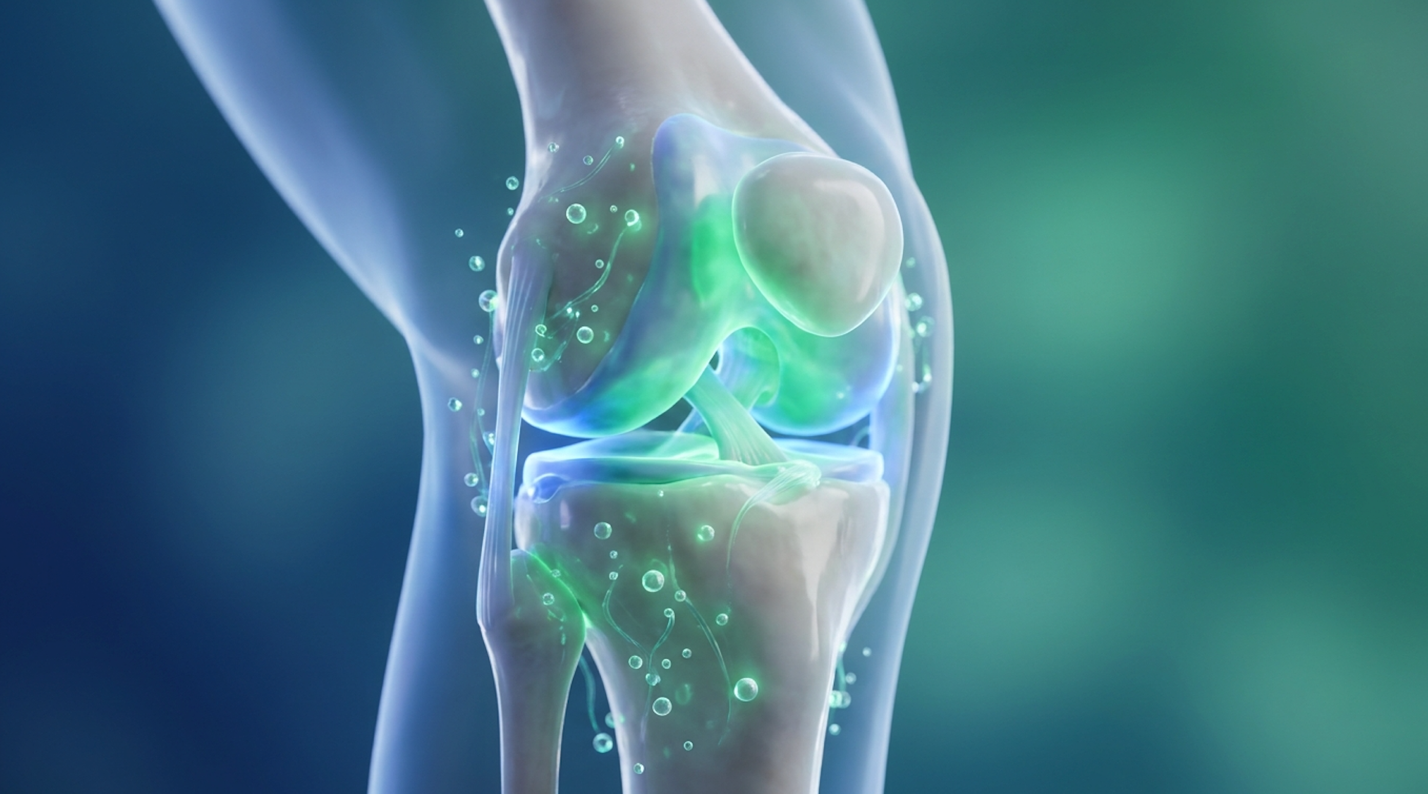
For orthopedic patients facing chronic joint pain, stem cell therapy offers a potential pathway to biological integration but understanding the precise stem cell injection recovery time is critical before planning a procedure. Look, the internet is flooded with marketing hype promising overnight fixes. The clinical reality is far more grounded. Daily activities typically resume in two to three days, structured exercise starts after about four weeks, and cellular improvement continues gradually over three to six months. Results vary, and the timeline demands patience.
The biggest risk you face isn’t necessarily the injection itself. It’s the risk of ruining the treatment by rushing your recovery or failing to understand the difference between temporary symptom masking and deep cellular repair. Pushing a joint too hard, too soon, will physically tear the delicate biological scaffolding your body is trying to build.
By the end of this guide, you’ll understand the exact week-by-week recovery protocols, strict activity restrictions, and realistic return-to-sport timelines. This comprehensive review covers joint-specific recovery phases, direct comparisons to invasive surgery, and essential logistics for international patients pursuing regenerative treatment in Thailand.
The orthopedic stem cell injection recovery time averages 3 to 6 months for complete biological integration, with daily activities resuming in 2 to 3 days.
The overall recovery time for orthopedic stem cell treatment spans roughly six months, but you aren’t bedridden for that duration. Unlike a steroid injection that simply masks pain receptors within hours, regenerative treatments require significant time to structurally alter the joint’s microenvironment. You are essentially demanding your body to rebuild degraded tissue a process that operates on a strict biological clock that cannot be negotiated with or rushed.
In our clinical view, deeply understanding this biological clock is the absolute best way to prevent post-procedure panic. When you know exactly what is happening beneath the skin, the temporary stiffness stops being a source of anxiety and starts becoming a benchmark of progress.
The early cellular proliferation phase occurs primarily on a microscopic level meaning your joint is actively healing even when it feels incredibly stiff.
The 3-Phase Biological Integration Framework dictates the exact timeline of your recovery, acting as a structured map moving from acute inflammation to cellular proliferation and tissue remodeling.
Phase 1 is Acute Inflammation (Days 1 to 3). This is the mandatory signaling phase. The injected cells release specialized cytokines that intentionally trigger localized swelling, sending out a biochemical beacon to recruit your body’s natural healing macrophages. These macrophages arrive to clear out toxic joint debris.
Phase 2 is Cellular Proliferation (Weeks 1 to 4). During this window, the stem cells begin anchoring to the damaged cartilage or tendon, forming a fragile, sticky fibrin matrix. The joint feels incredibly stiff, and the new cellular scaffolding is highly vulnerable to sheer mechanical forces.
Phase 3 brings Tissue Remodeling (Months 2 to 6+). Here, the immature cells differentiate into specific orthopedic tissues, aligning with the mechanical loads you place on them during targeted physical therapy. Clinical studies indicate that significant pain relief and functional joint improvement are sustained for an average of 2 to 5 years after a single intra-articular stem cell injection, according to the National Institutes of Health (NIH).
| Timeframe | Biological Phase | Patient Experience | Mobility Level |
| Days 1–3 | Acute Inflammation | Increased pain, swelling, stiffness | Rest, minimal weight-bearing |
| Weeks 1–2 | Early Proliferation | Dull ache subsiding, joint feels “full” | Short walks, passive stretching |
| Weeks 3–6 | Late Proliferation | Noticeable pain reduction, better mornings | Light isometric exercises |
| Months 2–6 | Tissue Remodeling | Sustained relief, increased stamina | Progressive loading, return to sport |
Weeks three through six are often when patients functionally “turn the corner,” noticing a distinct drop in daily pain. But while this long-term timeline dictates the final clinical outcome, the sheer survival of the injected cells heavily relies on how you manage the critical first 72 hours. If that initial window is compromised, the downstream healing cascade fails before it ever truly begins.
When outlining exactly what to expect after stem cell injection, the first 24 to 48 hours post-procedure are characterized by a localized flare-up, demanding strict rest and highly specific pain management protocols. Patients often panic when they wake up the day after the procedure feeling objectively worse than before they went in. This isn’t a medical complication or a sign of failure. It is the exact biological mechanism you paid for.
In our experience, the most dangerous day for potential treatment failure is day two. This is when uninformed patients panic and swallow an unauthorized anti-inflammatory pill just to stop the throbbing.
Initial joint swelling peaks at roughly 48 hours post-procedure creating the essential biological scaffolding required for long-term cartilage repair.
The central paradox of regenerative medicine is that it intentionally induces a temporary, highly controlled inflammatory response to trigger long-term healing. You simply cannot bypass this phase. A transient inflammatory pain phase is expected for 24 to 48 hours post-injection.
During this window, the joint will likely feel swollen, heavy, and notably stiff. The physical sensation is distinct. Patients rarely describe it as a sharp, surgical pain; instead, it feels like a profound, heavy pressure deep within the joint capsule. This “joint fullness” occurs because fluid rushes into the synovial capsule to deliver necessary proteins and growth factors, physically expanding the space.
It is crucial to clarify the difference between this normal post-procedural soreness and abnormal pain. A dull, throbbing ache that peaks around day two and makes the joint feel “tight” is entirely standard. Conversely, blindingly sharp pain accompanied by a high fever, extreme heat radiating from the skin, or aggressive red streaking is abnormal and requires immediate medical evaluation to rule out a rare joint infection.
Can I walk after a stem cell injection? Yes, usually enough to get to your car or walk around your house to use the restroom. But weight-bearing restrictions vary heavily depending on the joint treated. A spinal injection might allow careful, flat-footed walking, whereas a severe knee treatment might require two crutches using a “three-point gait” for three days to completely off-load the cartilage and prevent crushing the newly injected cells.
You must strictly follow a modified RICE protocol (Rest, Ice, Compression, Elevation). Elevation is particularly vital. If you fail to elevate the treated joint above your heart, gravity pulls that inflammatory fluid downward, leading to intensely uncomfortable throbbing. Apply ice for no more than 15-minute intervals. Leaving ice on too long blunts the localized blood flow, causing extreme vasoconstriction that effectively starves the very cells you just had injected of vital oxygen.
More importantly, there is a strict, non-negotiable ban on NSAIDs (Ibuprofen, Naproxen, Aspirin). A transient inflammatory pain phase is expected for 24 to 48 hours post-injection, during which patients must strictly avoid NSAIDs to allow the regenerative cellular response, as noted in research from PubMed. Once the acute inflammatory phase finally subsides after those first few days, patients inevitably begin looking for signs that the cellular integration is yielding long-term results.
Most orthopedic patients require 4 to 12 weeks to experience the initial stages of clinical relief from a stem cell injection. We have to violently separate the idea of “feeling better” from actual “cellular integration.” Cortisone shots make you feel better in 48 hours because they act as chemical fire extinguishers, aggressively shutting down all inflammation. Stem cells take weeks because they are attempting to alter the actual biological microenvironment of the joint itself.
Around week four, a crucial biological shift occurs. The initial macrophages that cleared out joint debris transition from an inflammatory phenotype (M1) to a reparative phenotype (M2). The sticky fibrin matrix holding the stem cells begins to solidify, and the cells start sending paracrine signals to your native cartilage cells (chondrocytes), instructing them to ramp up production of healthy joint fluid and structural proteins.
| 📌 If you’re interested in how MSCs shift the immune system from attack mode to repair mode, we have an interesting article that discusses mesenchymal stem cell therapy for immune modulation, which you can read via the internal link. |
We strongly advise patients to track their progress in monthly intervals rather than daily observations, as this cellular healing process is notoriously non-linear and prone to minor fluctuations based on daily activity levels.
Maximum cellular maturation requires roughly 6 to 12 months rewarding disciplined patients with years of sustained joint relief.
The signs of successful integration rarely arrive as a sudden “lightbulb” moment of zero pain. Instead, they manifest as subtle, tangible benchmarks of physiological improvement that build over weeks.
The first indicator usually appears around weeks three to four: a distinct reduction in morning stiffness. If you previously spent 20 minutes hobbling out of bed before your knee or back loosened up, that window often shrinks to five minutes. This indicates that the viscosity of your synovial fluid is improving, acting as a better biological lubricant. Another massive indicator is a decreased reliance on daily pain medications to get through a standard workday.
By week six or eight, patients generally notice an increased range of motion and a higher tolerance for specific mechanical loads. You might notice you can descend a flight of stairs without that familiar stabbing catch in your knee, or you can stand up from a low car seat without using your arms for leverage. The joint simply feels more “stable” and less prone to giving out unexpectedly.
Maximum clinical benefit from cellular therapy is typically evaluated between 6 and 12 months post-procedure. The cartilage matrix continues to dense up and mature long after the initial injection pain fades. The cells are constantly working in the background to modulate destructive enzymes that previously chewed through your joint lining.
How many years does stem cell therapy last? Current clinical evidence points to a 2 to 5-year average for sustained pain modulation. However, the longevity of this relief depends heavily on biomechanical factors: the initial severity of your joint degradation, your baseline BMI, and your strict adherence to post-procedure physical therapy. Achieving these long-term results is biologically impossible without strictly adhering to physical limitations in the immediate weeks following the procedure.
Protecting the injected joint during the first four weeks is the single most critical variable within your control. You aren’t just resting; you are actively preventing the mechanical destruction of the delicate fibrin matrix that holds the stem cells in place.
We consider strict mechanical unloading during Phase 2 to be the ultimate determining factor separating a successful outcome from a costly medical failure.
Excessive mechanical shear can rapidly destroy the fragile new biological scaffolding making strict initial rest your most powerful tool for treatment success.
During the critical window of weeks one through four, you must protect the cellular integration matrix at all costs. Under The 3-Phase Biological Integration Framework, the newly forming cellular bonds are highly vulnerable to sheer forces. Think of the new cells like wet cement—they need time to cure before you drive a truck over them. If you twist a knee aggressively on day ten, you can physically shear those cells right off the bone.
Can I take ibuprofen after stem cell injection? No. Taking NSAIDs feels like the obvious move when your joint is throbbing on day two, but it is chemical sabotage of the highest order.
NSAIDs work by aggressively blocking COX-1 and COX-2 enzymes. These are the exact enzymes responsible for the prostaglandin release that stem cells absolutely rely on to anchor to the joint lining and begin proliferation. By swallowing an ibuprofen, you chemically halt the biological integration process, essentially telling your body to stop repairing the joint. You can use acetaminophen (Tylenol) for pain, as it operates via central nervous system pathways rather than peripheral anti-inflammatory pathways. Once the initial restriction period passes, guided movement becomes the catalyst for final tissue remodeling.
Physical therapy following regenerative medicine completely differs from standard post-surgical rehabilitation. After a joint replacement, PT focuses aggressively on breaking up dense scar tissue and forcing range of motion through pain. After a stem cell injection, PT focuses on highly specific joint loading to stimulate cellular differentiation without causing trauma.
In our professional estimation, returning to a “standard” physical therapist who doesn’t understand regenerative timelines is a massive risk. You need a specialist who understands mechanotransduction the process by which cells convert mechanical stimulus into chemical activity.
Strategic, phased joint loading fundamentally dictates cellular differentiation proving that controlled movement physically acts as essential biological medicine.
The primary goal of Phase 1 (Weeks 1-2) is strict joint protection and the re-establishment of basic mobility without applying sheer stress. A physical therapist will guide you through Passive Range of Motion (PROM) movements, where the therapist’s hands or a specialized CPM machine move the joint for you.
During this phase, your own muscles are not actively contracting to move the joint space. This gentle gliding physically pumps synovial fluid around the joint capsule, bathing the new cells in vital nutrients without crushing them under heavy muscular torque. Pushing past passive movement too early triggers an inflammatory rebound.
By week three, the cellular matrix is sticky and stable enough to handle light, controlled force. Your therapist will introduce isometric exercises firing the muscle without actively changing the joint angle. Think of a static quad contraction where the leg doesn’t bend.
This phase also incorporates very light closed-chain exercises. For a knee patient, this might mean gentle weight shifts or highly controlled mini-squats holding onto a barre, never exceeding a 45-degree angle. The objective is to wake up the stabilizing muscles that severely atrophied during your chronic pain years, establishing a muscular corset around the healing joint to absorb shock.
Phase 3 (Weeks 6-12) introduces progressive mechanical loading and proprioception (balance) training. This is where the actual tissue remodeling kicks into high gear. Therapists often utilize BOSU balls or balance boards to retrain the neuromuscular pathways.
The mechanical loading physically stimulates the remodeling tissue to align its microscopic fibers along the lines of physical stress, resulting in stronger, more resilient cartilage or tendon architecture. Reiterate that this timeline must be overseen by a physical therapist intensely familiar with regenerative medicine. Pushing too hard, too early, can entirely derail the biological integration. While this phased approach provides a general blueprint, the exact speed of progression varies significantly depending on which specific joint was injected.
Anatomical differences heavily dictate the pacing and nature of your rehabilitation. Weight-bearing joints like the knee and hip require entirely different unloading strategies compared to highly mobile, complex joints like the shoulder or the cervical spine. You simply cannot apply a universal recovery timeline to completely different biomechanical structures.
It is our firm editorial stance that generic recovery timelines are dangerous; a shoulder labrum and a lumbar disc demand vastly different respect regarding rotational forces.
Hip joints require almost twice the initial off-loading discipline of knees demanding strict postural awareness to avoid pinching the new biological matrix.
The knee is the most commonly treated joint in regenerative orthopedics, primarily due to osteoarthritis. Because it absorbs several times your body weight with every single step, it requires strict initial off-loading. Patients may require crutches for two to three days to protect the delicate intra-articular space.
Recovery heavily relies on isolating and strengthening the VMO (vastus medialis oblique) and general quadriceps to dynamically stabilize the joint space over an 8-to-12-week period. Without strong quads acting as shock absorbers, every step sends concussive force directly back into the healing cartilage.
The hip presents an entirely different biomechanical challenge. Because of its deep ball-and-socket anatomy, post-injection stiffness can feel incredibly profound, often radiating deep into the groin or wrapping around the glute.
Patients must consciously avoid deep hip flexion such as squatting past 90 degrees, picking things up off the floor, or sitting in incredibly low chairs for several weeks. This strict postural awareness prevents the head of the femur from mechanically pinching, grinding, and disrupting the healing tissue deep within the acetabular socket.
The shoulder (specifically treating the rotator cuff and labrum) demands an extended immobilization protocol. Physicians often require patients to wear a supportive sling for the first few days to a week.
The shoulder is highly unstable by design, granting us massive range of motion at the heavy cost of structural security. The joint is exceptionally vulnerable to overhead reaching and rotational sheer forces during the first four weeks. Do not try to lift a heavy pan from a high shelf on week two, and strictly avoid external rotation exercises until cleared by your therapist, as this puts immense strain on the anterior labrum.
Spinal injections (targeting facet joints or lumbar discs) require strict, non-negotiable core bracing. You must absolutely avoid the “BLT” movements Bending, Lifting, and Twisting during the entire acute inflammatory phase.
Recovery focuses purely on deep core stabilization (specifically activating the transverse abdominis) starting around week three. By locking down the muscular corset of the spine, you prevent constant micro-motion between the vertebrae, allowing the highly sensitive facet joints to heal in an undisturbed environment. For the average adult, recovering daily mobility is the primary goal; however, for athletes, the timeline extends into complex biomechanical retraining.
Navigating stem cell therapy for sports injuries recovery presents a unique psychological hurdle for competitors: the crushing inability to grind. In competitive sports, you are taught that working harder yields faster results. In cellular biology, working harder physically destroys the repair process. Physiological cellular repair cannot be rushed by doing twice the physical therapy or aggressively pushing through the pain threshold.
We consistently find that athletes are their own worst enemies during month two. They mistake the absence of pain for the presence of fully healed structural integrity. The joint feels amazing. The athlete feels ready. But the underlying fibrin matrix is still highly vulnerable to dynamic impact.
Athletes rushing recovery protocols risk severe mechanical disruption of the new matrix emphasizing that biological tissue readiness vastly outpaces subjective pain relief.
When can I return to sport after stem cell therapy? The timeline requires calculated patience. Light athletic drilling such as ladder footwork or straight-line jogging generally begins around weeks 8 to 12. A return to full, unrestricted, explosive sports involving sudden cutting, sprinting, and heavy jumping is rarely recommended before 12 to 16 weeks.
Pain-free daily living is not the same as tissue readiness for peak athletic load. Your knee might feel phenomenal while walking down the stairs at week six. That does not mean the fragile fibrin matrix can handle the 800 pounds of sheer torsional force generated when you rapidly change direction on a tennis court or abruptly plant your foot on a basketball floor. Can I exercise after stem cell injection? Yes, in a strictly controlled, linear fashion but dynamic, reactive athletic loading is an entirely different beast.
Tendon and ligament repairs like treating partial rotator cuff tears, sprained ACLs, or severe Achilles tendinopathy typically heal significantly slower than generalized intra-articular joint inflammation. Tendons possess notoriously poor vascularity (blood flow), meaning the cellular proliferation phase drags out much longer because the body struggles to deliver necessary nutrients to the site.
Athletes must pass highly specific functional strength symmetry tests evaluated by a sports physical therapist before being cleared for contact sports. This involves isokinetic dynamometer readings, single-leg hop tests, and force plate analysis to ensure your treated limb can absorb dynamic shock identically to your healthy limb. They will test you rigorously, regardless of how “good” the joint feels subjectively. Your treated leg must generate at least 90% of the force and dynamic stability of your healthy leg. This extended athletic timeline often prompts patients to ask a fundamental question: if it takes months to fully recover from an injection, how does this compare to traditional surgical downtime?
The primary appeal of regenerative medicine is native joint preservation. When evaluating stem cell therapy vs surgery recovery time, we are essentially comparing the outpatient modulation of your own native joint against the total traumatic amputation and synthetic replacement of that joint.
In our assessment, patients drastically underestimate the brutal realities of post-surgical physical therapy, focusing only on the “fixed” end-result rather than the grueling months required to get there.
Total joint replacements demand three months of traumatic rehabilitation while cellular therapies require only three days of acute rest and non-surgical mobility.
Is stem cell better than hip replacement? It depends entirely on the degree of joint degradation, but the recovery burdens are leagues apart. Traditional arthroplasty (a total joint replacement surgery) requires inpatient hospitalization, significant soft tissue trauma, aggressive bone resection (sawing off the end of your femur and tibia), the insertion of titanium plates with bone cement, and three to six months of highly painful rehabilitation. You literally have to learn to walk again while forcing mobility through dense surgical scar tissue.
Stem cell therapy is an outpatient procedure done under local anesthesia or light sedation. While the biological integration takes months to reach peak efficacy, the true physical downtime is merely 24 to 72 hours. You avoid the massive systemic risks of general anesthesia, drastically lower your risk of deep joint infection, and entirely bypass the irreversible trauma of bone amputation. Patients who underwent stem cell therapy experienced lower immediate postoperative pain and shorter initial recovery times compared to those receiving total knee replacement, a finding supported by the National Institutes of Health (NIH).
We need to honestly address what the therapy can and cannot biologically achieve. Does stem cell really work on knees? The medical consensus is clear: it successfully alters the toxic inflammatory microenvironment and can significantly improve cartilage quality. However, it does not magically regrow an entirely new knee joint in severe bone-on-bone cases where the geometry of the leg has physically altered.
For nerve repair, such as peripheral neuropathy, the evidence remains investigational, focusing heavily on immunomodulation and reducing nerve inflammation rather than guaranteed rapid nerve regeneration. MRI evaluations demonstrated improved cartilage volume and quality at 12 and 24 months post-injection in specific clinical cohorts, according to imaging studies published by the National Institutes of Health (NIH).
Ultimately, outcomes vary. Severe degenerative disease with massive structural deformity may still ultimately require the titanium and cement of surgery. For patients determining that a regenerative biological approach is superior to surgery for their specific lifestyle, logistical planning becomes the next major hurdle especially for international patients traveling for care.
Thailand has firmly established itself as a premier hub for regenerative medicine, offering elite laboratory standards, extensive stem cell expansion capabilities, and highly experienced clinicians. But medical tourism requires precise logistical planning. You cannot treat an intra-articular injection like a standard beach vacation where you zip to the airport hours after leaving the clinic.
| 📌 If you’re planning treatment in Thailand and want a practical checklist for choosing a safe clinic, we have an interesting article that discusses whether stem cell therapy is safe in Thailand, which you can read via the internal link. |
We strongly advise international patients to treat their flight logistics with the same strict medical seriousness as they treat their physical therapy protocol.
Flying within 72 hours of treatment severely spikes DVT risk making a localized Bangkok recovery window a non-negotiable patient safety measure.
How long to stay in Thailand after stem cell injection? Medical tourists should plan to arrive one to two full days before their scheduled procedure. This necessary buffer allows for required in-person clinical evaluations, comprehensive blood work, and advanced MRI imaging without the immense physiological stress of acute jet lag.
Post-procedure, top-tier clinics strongly advise remaining in Thailand for a minimum of 3 to 5 days. This localized resting window ensures the acute inflammatory phase is medically monitored in real-time, and any highly unlikely immediate complications are handled locally by the treating physician.
When can I fly after stem cell joint injection? Flying carries highly specific vascular risks. Long-haul flights (10+ hours) should ideally be delayed until you are explicitly cleared by your attending physician. The lower cabin pressure at cruising altitude can severely exacerbate joint swelling, and sitting immobile for 14 hours drastically increases the risk of Deep Vein Thrombosis (DVT) blood clots following any medical procedure. Patients are routinely advised to wear medical-grade compression socks and perform seated ankle pumps during their flight home.
Elite clinics in Bangkok do not simply inject you, collect your money, and vanish. They provide structured, long-term remote follow-up schedules typically conducted via telemedicine at the 1, 3, and 6-month marks to track your progress through the Biological Integration Framework.
Before leaving Thailand, you will be handed a highly specific, phase-by-phase rehabilitation protocol. It is your absolute responsibility to coordinate with a local physical therapist in your home country and hand them this exact protocol. Do not let a local therapist guess what to do or default to a standard post-surgical routine. During these remote follow-ups, a common question arises regarding the necessity of repeat procedures.
A frequent and dangerous misconception is that stem cell therapy is a lifelong, permanent cure. It isn’t. Osteoarthritis is a progressive, degenerative disease. While regenerative therapy can powerfully turn back the clock on the joint environment and delay surgery, the biological clock inevitably keeps ticking.
Because gravity never stops pulling on your body, the mechanical wear and tear on your joints never truly ceases. We view cellular therapy not as a one-time miracle, but as a sophisticated biological management tool for long-term joint preservation.
A single intervention provides multi-year relief for the vast majority of moderate osteoarthritis cases acting as a profound biological reset rather than a permanent cure.
Most orthopedic stem cell protocols are designed as single-intervention treatments aimed at providing a multi-year baseline reset for the joint. How many stem cell treatments do I need? For a standard moderate injury or Grade 2 osteoarthritis, usually just one major stem cell deployment is required.
However, for severe, multi-compartment osteoarthritis, highly aggressive athletic wear-and-tear, or patients with demanding physical jobs, physicians may proactively recommend a targeted “booster” injection at the 6-to-12-month mark. This booster is often Platelet-Rich Plasma (PRP) rather than another highly invasive full stem cell draw.
| 📌 If you’re interested in whether a second dose can extend the benefits of the first, we have an interesting article that discusses why double-dose UC-MSC therapy may offer greater benefits than a single dose, which you can read via the internal link. |
Think of PRP as a biological fertilizer. Platelet-rich plasma contains concentrated alpha granules packed with natural growth factors. When injected into a joint that previously received stem cells, the PRP effectively “wakes up” the cellular matrix, re-stimulating the repair process and amplifying the structural work the stem cells are already doing, entirely without requiring another bone marrow or adipose tissue extraction.
Discussing the need for future treatments isn’t an admission of treatment “failure.” It is a highly realistic, mature medical strategy. If a single biological injection can provide 2 to 5 years of significant pain relief, preserve your native anatomy, and successfully delay a total knee replacement, it has absolutely done its job.
As the joint continues to biologically age, you might notice signs that the initial efficacy is wearing off, such as the slow return of morning stiffness or intermittent aching after a long walk. When this occurs, the intervention may eventually need to be repeated. Understanding these exact limitations is critical for true patient safety and properly informed financial consent before traveling overseas.
Any clinic that tells you stem cell therapy carries zero risk, has no downtime, and works 100% of the time is aggressively lying to you. Cellular therapy is an advanced, evidence-informed medical procedure, and like all profound medical procedures, it comes with strict limitations and specific failure points.
We firmly believe that patients must actively confront these limitations before spending thousands of dollars, ensuring their specific pathology actually aligns with what the science can deliver.
Severe structural deformities reject cellular therapy completely making an honest MRI assessment the absolute cornerstone of ethical regenerative medicine.
The most common pitfall is expecting a structural “cure.” Stem cells modulate the toxic environment of an arthritic joint and vastly improve surrounding tissue quality. They absolutely cannot replace a completely destroyed joint or regrow an entire meniscus from nothing.
Furthermore, active cancer or active systemic bacterial infections are absolute contraindications for cellular therapy. Injecting highly potent, growth-promoting cells into a patient with an active malignancy is incredibly dangerous.
Another massive pitfall is ignoring physical therapy. As established, the newly injected cells require calculated mechanical loading to differentiate properly. Skipping your PT sessions or stubbornly refusing to do the isometric homework often results in outright treatment failure. The cells need directions. PT provides the map.
There is a definitive anatomical line where regenerative medicine stops being effective. End-stage osteoarthritis specifically classified as Kellgren-Lawrence Grade 4 characterized by severe mechanical deformity (such as visible bow-leggedness or massive bone spurs) typically requires surgical intervention.
Biological therapies cannot correct severe structural bone misalignment. If your tibia and femur have ground against each other to the point of permanently altering the angle of your leg, stem cells cannot fix the physical geometry. We strongly advise all readers to undergo a comprehensive suitability assessment involving a fresh MRI and a board-certified orthopedic review before financially committing to cellular therapy overseas.
Most orthopedic stem cell treatments take 4 to 12 weeks (Source) to show noticeable clinical improvements in pain and mobility, according to clinical averages. The biological process begins with an acute inflammatory phase lasting 2 to 3 days, followed by a month of cellular proliferation. Substantial tissue remodeling occurs actively between months 2 and 6. Individual results will naturally vary depending on the severity of the joint degeneration and your strict adherence to physical therapy protocols.
Yes, you can typically walk immediately after a knee stem cell injection, but you must strictly limit weight-bearing and distance. Physicians generally recommend resting the joint for the first 48 hours and may prescribe a brace or crutches to minimize compressive forces that could crush the cells. Light, non-impact walking can safely resume after the acute inflammatory phase subsides, provided it does not provoke sharp, stabbing pain.
You must absolutely avoid taking NSAIDs (like Ibuprofen or Naproxen) for at least two to four weeks post-injection, as they chemically block the healing process. Additionally, you cannot engage in high-impact activities, heavy lifting, or deep stretching for the first month. Submerging the injection site in pools, hot tubs, or baths must also be avoided for the first 72 hours to prevent deep joint infection and dangerous vasodilation.
Yes, stem cell injections frequently cause a temporary, deliberate increase in joint pain and swelling lasting 24 to 48 hours (Source), based on observed clinical averages. This acute inflammatory response is a normal, necessary physiological reaction that triggers the body’s natural healing cascade and signals cellular repair. This temporary discomfort should be managed strictly with ice, elevation, and physician-approved analgesics like acetaminophen, never anti-inflammatory medications.
Light, passive range-of-motion exercises typically begin within the first 1 to 2 weeks, guided carefully by a physical therapist based on standard clinical protocols. Closed-chain strengthening exercises usually commence safely around weeks 3 to 6 as the matrix stabilizes. A return to unrestricted, high-impact exercise or heavy athletic training is rarely cleared before 12 weeks, as the delicate cellular matrix requires extensive time to properly integrate and withstand mechanical sheer force.
International patients should plan to remain in Thailand for a minimum of 3 to 5 days (Source) following an orthopedic stem cell injection, based on clinical averages. This specific resting window allows the clinical team to closely monitor the acute inflammatory phase and explicitly clear the patient for safe air travel. Long-haul flying too soon after a joint procedure significantly increases the risk of deep vein thrombosis and severe, altitude-induced joint swelling.
Because standard health insurance does not cover regenerative procedures, the average out-of-pocket cost for orthopedic stem cell injections ranges from $3,000 to $7,000 per joint according to recent medical economic evaluations. Pricing varies significantly based on the specific cell source utilized, the complexity of the laboratory processing, the clinical facility’s regulatory standards, and the geographic location of the chosen treatment center.
For patients seeking relief from chronic joint pain, the orthopedic stem cell injection recovery time averages 3 to 6 months for complete tissue modulation. Clinical studies indicate that significant pain relief and functional joint improvement are sustained for an average of 2 to 5 years after a single intra-articular injection. The most successful recoveries combine strict initial rest with phased, professionally guided physical therapy tailored to the specific joint treated.
Adhering to The 3-Phase Biological Integration Framework ensures that patients do not disrupt the delicate cellular repair process during the highly vulnerable early weeks. By respecting the acute inflammatory phase and progressively loading the joint during the remodeling phase, patients maximize their biological potential to delay or entirely prevent invasive joint replacement surgery.
Determining if you are a candidate for regenerative medicine requires a comprehensive review of your specific joint pathology and baseline health. Contact us today to send your recent X-ray or MRI imaging via WhatsApp or our secure consultation form to receive a personalized treatment assessment and a customized Thailand recovery plan from our clinical team.