

Stem cell therapy is reshaping the landscape of neurological care by introducing innovative approaches that go beyond symptom management. For individuals living with chronic and progressive disorders of the brain and spinal cord, this field offers a renewed sense of hope. As a cornerstone of regenerative medicine, stem cell therapy focuses on repairing damaged neural tissues, restoring lost function, and potentially reversing conditions once thought to be permanent.
Thailand has emerged as a prominent destination for advanced medical treatments, particularly in the field of regenerative medicine. With increasing global interest in stem cell applications, the country is gaining recognition for its role in neurological therapies. From neurodegenerative diseases such as Parkinson’s and Alzheimer’s to complex conditions like spinal cord injuries and multiple sclerosis, stem cell therapy is opening new possibilities for patients seeking effective solutions.
The Need for Regenerative Solutions in Neurology
Neurological disorders often arise from damage, degeneration, or dysfunction of neurons and supporting cells within the central nervous system. Unlike many other tissues in the body, the nervous system has a very limited ability to repair itself. As a result, most conventional treatments are designed to alleviate symptoms rather than restore function.
Patients with neurological conditions frequently face significant challenges that affect their daily lives. These may include impaired movement, declining cognitive abilities, memory loss, and sensory disruptions. While medications and rehabilitation therapies can help manage these symptoms, they rarely address the root cause of the condition.
Stem cell therapy offers a different approach by targeting the underlying cellular damage. Through regenerative mechanisms, stem cells may help replace lost neurons, encourage the development of new neural connections, and regulate immune responses that contribute to disease progression. This focus on healing at a fundamental level is what makes stem cell therapy a promising option in neurology.
Common Neurological Conditions Treated with Stem Cells
Parkinson’s Disease: This progressive neurological disorder is caused by the gradual loss of dopamine-producing neurons in the brain. Symptoms such as tremors, rigidity, and slowed movement can significantly impact quality of life. Stem cell therapy aims to restore dopamine production by regenerating or supporting these specialized neurons, potentially improving motor function.
Alzheimer’s Disease: As the most common form of dementia, Alzheimer’s disease leads to memory loss, confusion, and cognitive decline. It is associated with the degeneration of brain cells and the accumulation of harmful protein plaques. Stem cell-based therapies may help reduce inflammation, promote neural repair, and support overall brain health.
Multiple Sclerosis (MS): Multiple sclerosis is an autoimmune disorder in which the immune system attacks the protective covering of nerve fibers, known as myelin. This interferes with the signals exchanged between the brain and the rest of the body. Stem cells may assist in repairing damaged myelin and modulating immune system activity, offering potential improvements in neurological function.
Spinal Cord Injuries: Damage to the spinal cord can lead to partial or complete loss of movement and sensation below the injury site. Traditional treatments have limited effectiveness in restoring function. Stem cell therapy shows promise in promoting nerve regeneration, supporting axonal growth, and improving mobility and sensory responses.
Clinical Advancements and Early Outcomes
In Parkinson’s disease, stem cell-derived neurons have demonstrated the ability to integrate into the brain and improve motor control. Some patients have experienced reduced tremors and better overall mobility following treatment.
For multiple sclerosis, mesenchymal stem cells (MSCs) have shown strong immunomodulatory effects. Clinical findings suggest a reduction in disease activity, fewer relapses, and improvements in both motor and sensory functions.
In cases of spinal cord injury, trials involving neural stem cells (NSCs) and mesenchymal stem cells (MSCs) have reported signs of nerve regeneration. Patients have shown improvements in movement, as well as enhanced control over bladder and bowel functions.They highlight the growing potential of stem cell therapy as a transformative tool in neurological care.
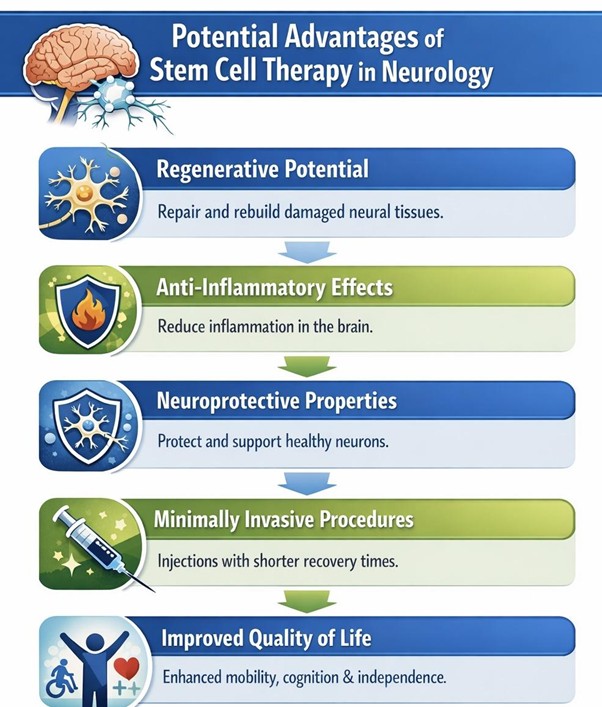
Potential Advantages of Stem Cell Therapy in Neurology
- Regenerative Potential: Instead of only managing symptoms, stem cells aim to repair and rebuild damaged neural tissues.
- Anti-Inflammatory Effects: Stem cells help reduce inflammation that contributes to neurological
- Neuroprotective Properties: Stem cells release factors that support and protect existing healthy neurons.
- Minimally Invasive Procedures: Many treatments involve injections rather than major surgery, resulting in shorter recovery times.
- Improved Quality of Life: Patients may experience enhanced mobility, clearer cognition, and greater independence following therapy.
Why Thailand is a Growing Center for Neurological Stem Cell Treatment
Thailand is becoming a leading destination for stem cell therapy, especially in the field of neurology. The country offers a combination of advanced medical infrastructure, experienced healthcare professionals, and cost-effective treatment options.
Patients seeking care in Thailand benefit from:
- Access to internationally accredited hospitals and clinics
- Modern diagnostic tools and advanced treatment technologies
- Customized therapy plans tailored to individual conditions
- Comprehensive care that includes rehabilitation and wellness support
In addition, Thailand’s strong reputation in medical tourism ensures a comfortable and well-supported experience for international patients. The integration of healthcare services with hospitality makes it an appealing choice for those seeking both treatment and recovery in a welcoming environment.
The Future of Neurology: Moving Toward Regeneration
The field of neurology is undergoing a significant transformation as regenerative medicine continues to advance. Stem cell therapy represents a shift away from purely symptom-focused care toward treatments that promote healing and restoration at the cellular level.
Ongoing research is expected to refine these therapies, improve their effectiveness, and expand their applications across a wider range of neurological conditions. As scientific understanding deepens, stem cell therapy may become a standard component of neurological treatment strategies.
For individuals who have found limited success with conventional approaches, stem cell therapy offers a promising alternative. In Thailand, this innovative treatment is not just a medical option—it represents a new chapter in the pursuit of recovery, function, and improved quality of life.