

Chronic liver diseases—including cirrhosis, fatty liver disease, and liver failure—represent a major global health burden. These conditions often progress silently until significant damage has already occurred, leaving patients with limited treatment options. Conventional approaches typically focus on controlling symptoms, slowing disease progression, or preventing complications. However, they rarely provide a true cure or restore full liver function. In this context, stem cell therapy has emerged as a groundbreaking development, offering a regenerative approach that aims to repair damaged liver tissue and improve organ performance.
In Thailand, advancements in regenerative medicine have made stem cell therapy increasingly accessible. With modern medical infrastructure and expertise in innovative treatments, the country is becoming a key destination for patients seeking alternative solutions for liver disease. Among the various stem cell types, umbilical cord-derived mesenchymal stem cells (UC-MSCs) are gaining particular attention due to their strong regenerative and anti-inflammatory properties.
Exploring Stem Cell Therapy in Liver Disorders
Stem cell therapy is based on the principle of harnessing the body’s natural healing ability. In the case of liver disease, these cells may differentiate into hepatocyte-like cells—the primary functional units of the liver—or stimulate existing liver cells to regenerate.
The liver is one of the few organs in the body with an inherent capacity for self-repair. However, in chronic conditions where damage is ongoing—such as persistent inflammation, fibrosis, or toxin exposure—this regenerative ability becomes compromised. Stem cell therapy aims to reactivate or enhance this process by introducing cells that can support tissue repair and restore normal function.
In addition to direct regeneration, stem cells release bioactive molecules that promote healing. These include growth factors and cytokines that reduce inflammation, support cell survival, and encourage the formation of new blood vessels. This combination of effects makes stem cell therapy a promising option for addressing complex liver conditions.
Potential Benefits of Stem Cell Therapy for Liver Disease
- Regeneration of Liver Tissue: One of the most important advantages of stem cell therapy is its ability to repair and regenerate damaged liver tissue. Stem cells can either transform into hepatocyte-like cells or stimulate existing liver cells to multiply. This process helps replace damaged or dead cells, leading to improved liver structure and function over time.
- Reduction of Inflammation and Fibrosis: Chronic liver diseases are often associated with persistent inflammation and the accumulation of fibrotic scar tissue. Mesenchymal stem cells, particularly UC-MSC stem cells, have strong anti-inflammatory properties that can help reduce ongoing liver inflammation. In addition, they may contribute to the breakdown of fibrotic tissue, limiting further scarring and improving the liver’s ability to function.
- Improvement in Liver Function: By restoring healthy liver cells and reducing damage, stem cell therapy can enhance the liver’s essential functions. These include detoxification of harmful substances, production of important proteins, regulation of metabolism, and bile secretion. Improved liver function can lead to better overall health and quality of life for patients.
- Support for Vascular and Cellular Repair: Stem cells can promote the formation of new blood vessels (angiogenesis), improving blood flow within the liver. This enhanced circulation supports tissue repair and ensures that regenerating cells receive adequate oxygen and nutrients.
- Personalized Treatment Potential: Advances in stem cell technology, including induced pluripotent stem cells (iPSCs), are paving the way for personalized therapies. These cells can be generated from a patient’s own tissues, reducing the risk of immune rejection and allowing treatments to be tailored to individual needs. Personalized approaches may improve both safety and effectiveness in the future.
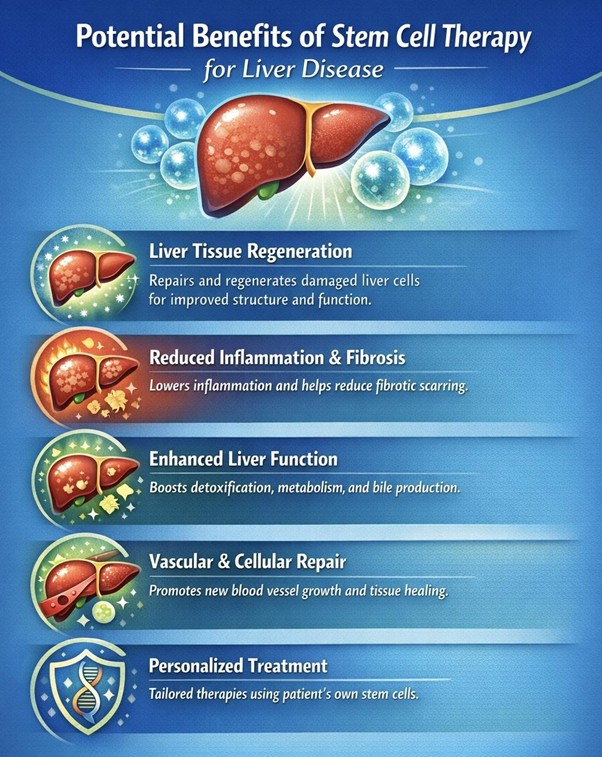
The Function of Stem Cells in Restoring And Rebuilding Liver Tissue
Umbilical cord-derived mesenchymal stem cells are particularly well-suited for liver therapy. They are easily obtained, have a high capacity for proliferation, and exhibit strong immunomodulatory effects. Unlike some other cell types, stem cells are less likely to trigger immune reactions, making them a safer option for many patients.
These cells not only contribute to tissue repair but also create a supportive environment for healing by releasing beneficial signaling molecules. Their ability to reduce inflammation and fibrosis while promoting regeneration makes them a key component of modern regenerative medicine strategies for liver disease.
Thailand as a Center for Regenerative Liver Therapy
Thailand is increasingly recognized as a hub for advanced medical treatments, including stem cell therapy. The country offers a combination of highly trained medical professionals, state-of-the-art facilities, and competitive pricing compared to many Western nations.
Patients seeking stem cell therapy in Thailand benefit from comprehensive care programs that often include detailed diagnostic evaluations, personalized treatment plans, and ongoing monitoring. The integration of modern medicine with supportive care services enhances the overall treatment experience.
Additionally, Thailand’s reputation for medical tourism provides patients with a comfortable and accessible environment for undergoing advanced therapies. This has contributed to the growing popularity of the country as a destination for regenerative treatments.
Conclusion
Stem cell therapy represents a significant advancement in the treatment of chronic liver diseases. By leveraging the regenerative potential of stem cells, this approach offers a new pathway for repairing damaged liver tissue, reducing inflammation, and restoring organ function. Unlike traditional treatments that primarily manage symptoms, stem cell therapy addresses the root causes of liver disease, providing a more comprehensive solution.
The use of stem cells, along with other stem cell types such as hematopoietic stem cells (HSCs) and induced pluripotent stem cells (iPSCs), highlights the versatility and potential of this therapeutic approach. With ongoing research and technological advancements, stem cell therapy is poised to become a cornerstone of liver disease management.
In Thailand, the availability of advanced regenerative treatments combined with high-quality medical care makes stem cell therapy an increasingly attractive option. As the field continues to evolve, it offers hope for patients seeking not just symptom relief, but true recovery and improved quality of life.