

Eczema, medically known as atopic dermatitis, is a persistent inflammatory skin condition marked by dryness, severe itching, redness, and recurring flare-ups. It arises from a complex interaction of genetic predisposition, environmental triggers, and immune system dysfunction.
Conventional treatments for eczema are primarily designed to control symptoms rather than address the underlying causes. In recent years, stem cell therapy has emerged as an innovative and regenerative alternative, offering a more comprehensive strategy aimed at repairing damaged skin, restoring function, and rebalancing the immune system. In Thailand, this advanced therapeutic approach is gaining increasing attention in both research and clinical settings.
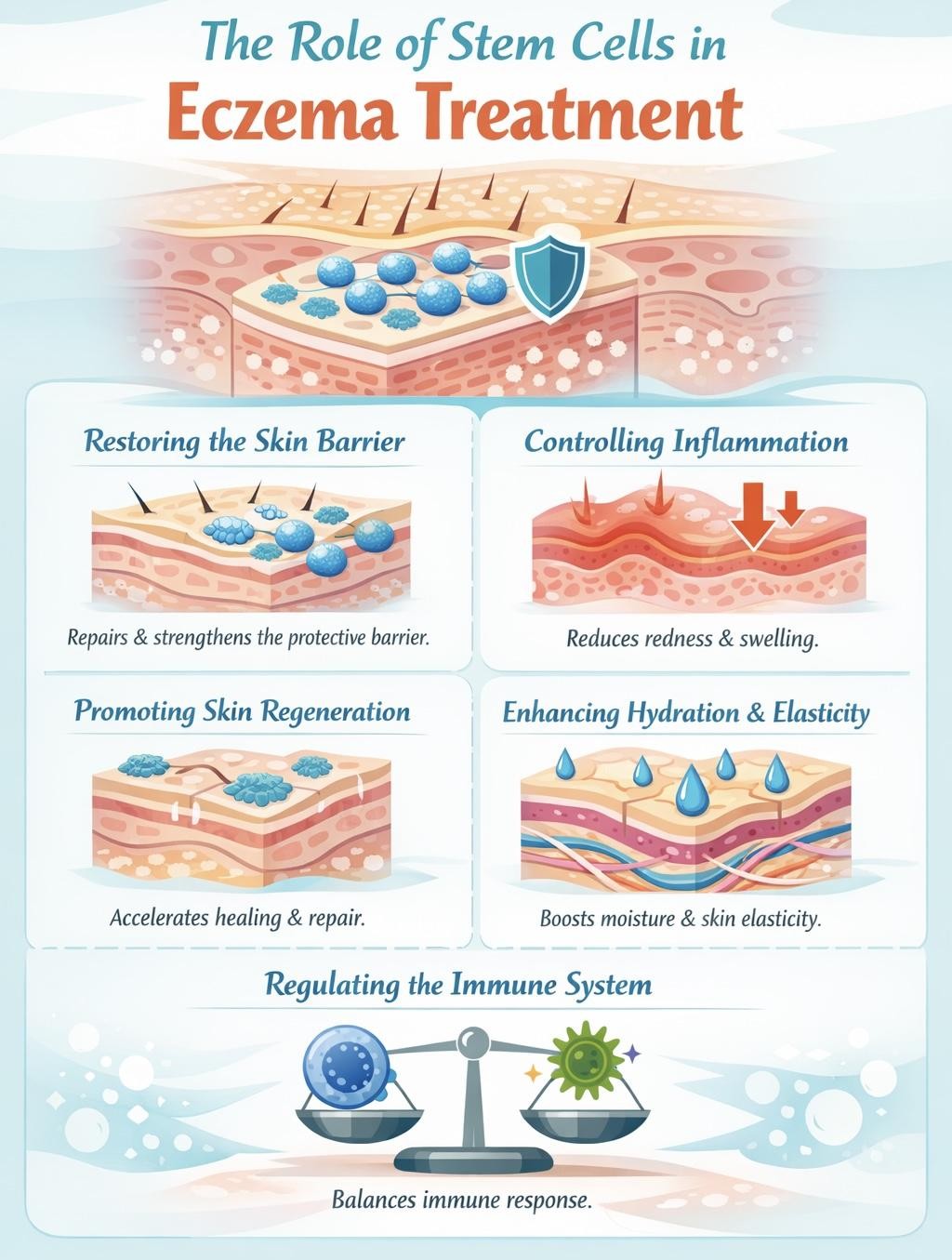
The Role of Stem Cells in Eczema Treatment
Restoring the Skin Barrier: One of the defining characteristics of eczema is a compromised skin barrier. When this protective layer is weakened, it allows irritants, allergens, and microbes to penetrate more easily, leading to inflammation and itching. Additionally, the skin loses moisture more rapidly, resulting in dryness and increased sensitivity.
Stem cell therapy supports the repair and strengthening of this barrier by stimulating the production of new skin cells. These cells contribute to rebuilding the epidermis, the outermost layer of the skin, which acts as the body’s first defense against external aggressors. As the skin barrier becomes more intact and resilient, it becomes less susceptible to environmental triggers, reducing the frequency and severity of flare-ups over time.
Controlling Inflammation: Chronic inflammation is at the core of eczema symptoms. The redness, swelling, and persistent itching are all linked to an overactive immune response. Stem cells possess strong anti-inflammatory capabilities, largely due to their secretion of signaling molecules such as cytokines and growth factors.
These bioactive substances help regulate immune activity by suppressing excessive inflammatory responses. When stem cells are introduced into affected areas—either through injection or topical application—they can significantly reduce inflammation. This not only alleviates discomfort but also helps prevent long-term skin damage caused by repeated flare-ups.
Promoting Skin Regeneration: Over time, eczema can cause visible and structural damage to the skin, including thickened patches (lichenification), uneven pigmentation, and scarring. Stem cells play a crucial role in tissue repair by differentiating into essential skin cell types such as keratinocytes and fibroblasts.
Keratinocytes are responsible for forming the protective outer layer of the skin, while fibroblasts produce structural proteins that maintain skin strength and elasticity. By enhancing the regeneration of these cells, stem cell therapy can improve the overall appearance and health of the skin. Patients may notice smoother texture, improved tone, and increased resilience as damaged areas begin to heal.
Enhancing Hydration and Elasticity: Dry, flaky skin is a hallmark of eczema, often resulting from both moisture loss and reduced production of natural oils. Stem cell therapy can help address this issue by stimulating the synthesis of important proteins such as collagen and elastin.
Collagen provides structural support, while elastin allows the skin to maintain flexibility and bounce. Together, these proteins play a vital role in preserving skin hydration and preventing cracks or irritation. By boosting their production, stem cells help the skin retain moisture more effectively, leading to improved comfort and a healthier appearance.
Regulating the Immune System: At its core, eczema is driven by an imbalance in the immune system. The body mistakenly reacts to harmless substances—such as dust, pollen, or pet dander—as if they were threats. This results in excessive immune activation and inflammation.
Stem cells have the ability to modulate immune function by influencing various immune cells, including T cells and dendritic cells. They can suppress harmful immune reactions while maintaining the body’s ability to defend against real threats. This immune-balancing effect may help reduce the frequency and intensity of eczema flare-ups, offering a more stable and controlled condition over time.
Long-Term Benefits Compared to Conventional Treatments
Traditional therapies for eczema are often focused on managing symptoms rather than resolving the root causes. While they can be effective in the short term, prolonged use—especially of corticosteroids—may lead to side effects such as thinning of the skin, increased sensitivity, and dependency.
In contrast, stem cell therapy aims to address the underlying mechanisms of eczema. By repairing the skin barrier, reducing inflammation, regenerating damaged tissue, and regulating immune responses, this approach offers the potential for longer-lasting results. Patients may experience extended periods without flare-ups and a reduced need for continuous medication.
Advancements and Research in Thailand
Thailand has become a growing center for regenerative medicine, supported by modern healthcare infrastructure and ongoing investment in biotechnology. Research into stem cell applications for dermatological conditions, including eczema, is actively progressing.
Clinical studies are exploring various aspects of stem cell therapy, such as identifying the most effective cell types, refining delivery techniques, and evaluating long-term safety. Methods of administration may include direct injection into affected areas, topical application, or advanced techniques like microneedling-assisted delivery to enhance absorption.
Another emerging area of interest is exosome therapy. Exosomes are small vesicles released by stem cells that contain beneficial proteins, growth factors, and signaling molecules. By using these components instead of whole cells, researchers aim to develop safer, more targeted treatments that still deliver many of the regenerative benefits associated with stem cells.
Conclusion
Eczema is a complex and often frustrating condition that can significantly affect quality of life. While traditional treatments provide temporary symptom control, they do not always address the underlying causes. Stem cell therapy offers a promising alternative by targeting the root mechanisms of the disease.
Through its ability to repair the skin barrier, reduce inflammation, regenerate tissue, and regulate immune function, this innovative approach provides a comprehensive strategy for managing eczema. As scientific research and clinical experience continue to grow in Thailand, stem cell therapy has the potential to become an important option for individuals seeking more effective, long-term relief and healthier skin.