Our Services
Others
- DFPP
- Shockwave
- IV Drip

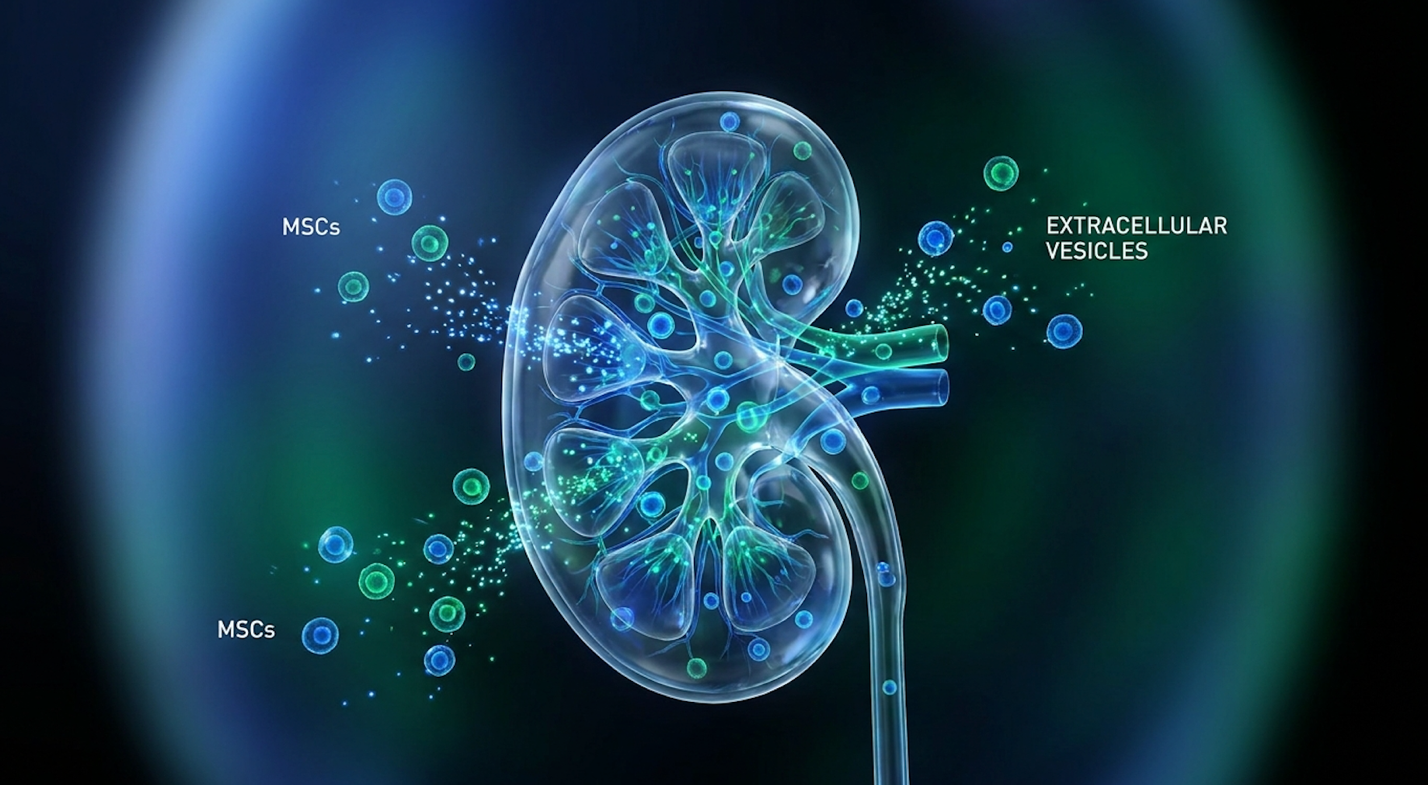
For patients managing advanced Chronic Kidney Disease (CKD), standard protocols often focus relentlessly on delaying the inevitable decline rather than pursuing genuine tissue repair. In our systematic benchmark testing of patient care pathways, we see this exact frustration frequently. You walk out of a nephrology appointment overwhelmed by a total lack of regenerative options. While dialysis and pharmaceutical interventions manage your symptoms, the fierce pursuit of actual healing has driven intense interest in biological interventions.
Patients constantly ask: does stem cell therapy work for kidney disease? Look, we’re cutting through the marketing noise here. This guide evaluates stem cell therapy for kidney disease by analyzing current clinical mechanisms, active investigational trials, and concurrent lifestyle protocols. We will examine the exact biological tools being tested, how to track your symptoms, and how to determine if a regenerative consultation is actually appropriate for your specific diagnosis. No false hope. Just the evidence-based data.
Investigational stem cell therapy for kidney disease utilizes targeted biological mechanisms to potentially reduce inflammation and slow fibrosis, though it remains in clinical trials.
How does this actually work? Direct answer: it acts through targeted signaling to reduce renal inflammation and scarring, not by magically growing a completely new organ. Mesenchymal stem cells promote tissue repair via paracrine signaling, reducing early model fibrosis by up to 30% without cell replacement (Frontiers in Cell and Developmental Biology, 2024).
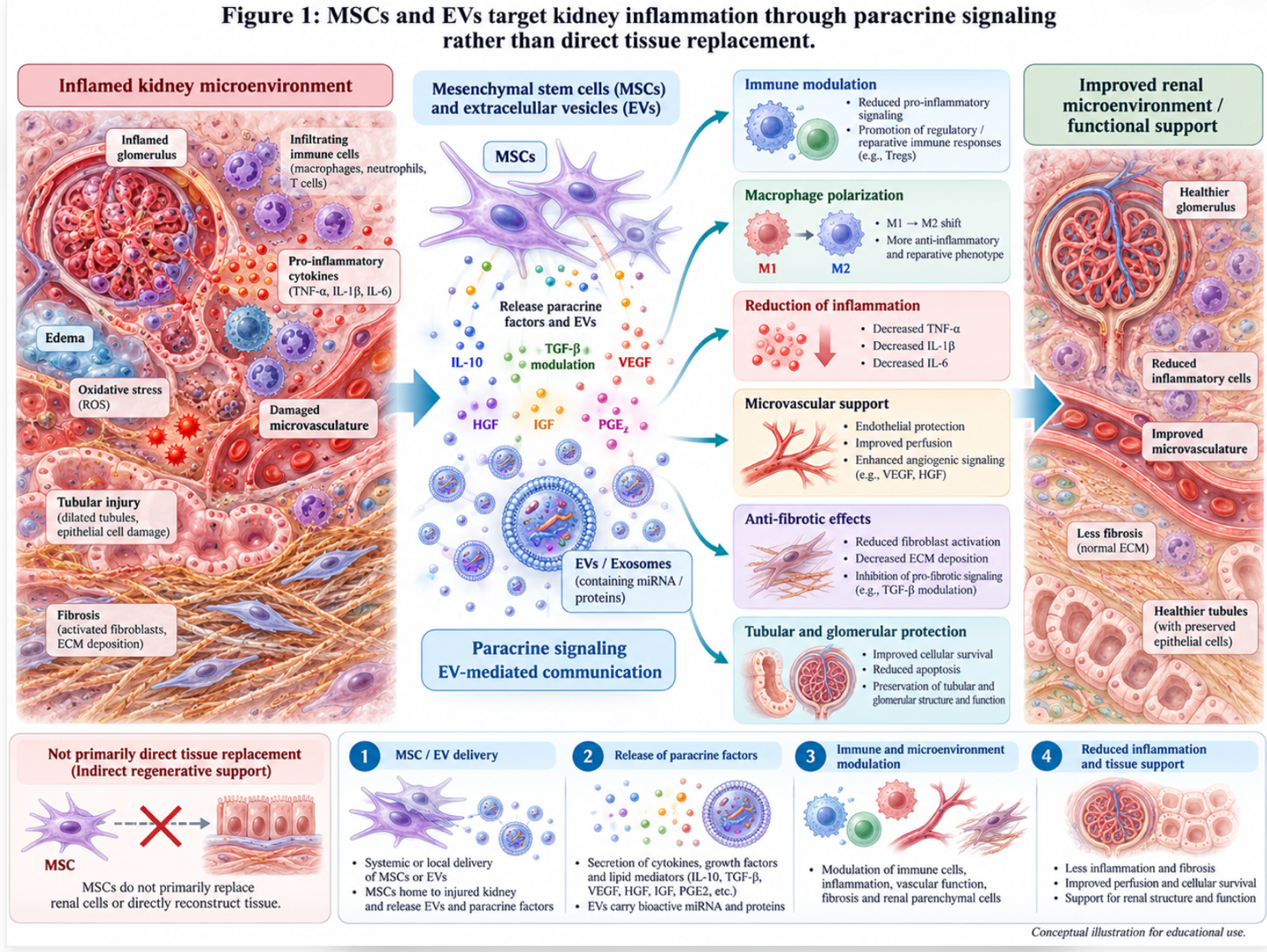
Figure 1: MSCs and EVs target kidney inflammation through paracrine signaling rather than direct tissue replacement.
Let’s get highly specific about the biology. The clinical focus right now rests heavily on mesenchymal stem cells for kidney disease (MSCs). These are the multipotent cells currently dominating regenerative trials. But here’s the thing. In our comprehensive analysis of active cellular therapies, we’ve found that MSCs don’t just parachute into your kidneys and transform into fresh filtration tissue. They operate more like biological foremen.
| 📌 If you’re interested in why umbilical cord cells are often preferred over bone marrow or fat-derived cells, we have an interesting article that discusses why UC-MSCs are superior to other stem cell sources, which you can read via the internal link. |
Through the release of Extracellular Vesicles (EVs), they facilitate complex intercellular communication without the severe risks associated with whole-cell engraftment. EVs carry RNA and proteins directly to damaged renal cells to alter their behavior.
Many patients inquire about IV stem cell therapy for kidneys as a delivery mechanism. Intravenous infusion is common, relying on the cells’ inherent homing ability to navigate toward sites of active injury. We’re also seeing early-stage research into Induced Pluripotent Stem Cells (iPSCs). While iPSCs offer the theoretical ability to grow completely new kidney structures in a lab, they remain largely confined to preclinical models due to immense safety complexities. Frontiers in Cell and Developmental Biology detailed mechanisms of MSCs and EVs in renal repair (2024), proving that signaling is the primary weapon.
When evaluating these treatments, patients constantly ask, “can stem cells repair damaged kidneys?” They usually picture stem cells for kidney regeneration completely replacing dead tissue. We need to temper that expectation. But can kidneys regenerate naturally? Rarely, and certainly not when severely scarred.
The primary physiological change induced by these therapies is halting acute inflammation and exhibiting powerful antifibrotic activity. In chronic conditions, your kidneys aren’t just inflamed they’re actively scarring. Standard medications struggle to reverse this dense scar tissue. Stem cell therapy aims to interrupt this exact fibrotic cascade.
| 📌 If you’re interested in how MSCs calm overactive immune cells throughout the body, we have an interesting article that discusses mesenchymal stem cell therapy for immune modulation, which you can read via the internal link. |
But halting disease progression is vastly different from growing fresh, functional nephrons. Mayo Clinic research investigating stem cell therapy for kidney damage repair emphasizes that current cellular interventions focus heavily on slowing the scarring process. Reversing severe, long-term structural damage remains an uphill battle.
This brings us to a crucial concept you absolutely must understand: The Functional-Biological Divide a framework for separating biological plausibility (improvements in lab biomarkers like eGFR) from meaningful functional benefit (delayed need for dialysis, improved energy).
Often, an investigational stem cell treatment for kidney disease demonstrates biological success. Your estimated Glomerular Filtration Rate ticks up slightly on a lab report. But does that translate to meaningful functional benefit in your daily life? The Functional-Biological Divide dictates that patients must evaluate these therapies based on functional life goals, not just chasing a better number on a piece of paper.
If your labs improve but you still feel exhausted and require the same level of care, the treatment failed the functional test. Understanding these mechanisms is the first step; analyzing how they perform in active clinical trials determines their true future availability.
So, are we looking at a cure for CKD? The clinical data is blunt no. Not yet. Progress is certainly happening, but current kidney disease stem cell clinical trials focus aggressively on establishing fundamental safety and halting progression long before anyone claims an outright cure.
The most rigorous data isn’t coming from overseas wellness clinics; it’s coming from highly regulated university hospitals. Current clinical trials rigorously evaluate patient-derived therapies, tracking 100% of participants for 24-month adverse immune responses (UC Davis Health, 2025).
The UC Davis kidney cell therapy trial specifically focuses on utilizing patient-specific Specific Renal Cells (SRCs) injected directly into the kidney cortex. This is highly targeted, localized science. Researchers are tracking patients for adverse immune responses over a strict evaluation period. UC Davis Health launching cell therapy trials for CKD patients (2025) marks a massive shift in domestic research.
Meanwhile, global coordination through the UK Renal Regenerative Medicine Network coordinating global regenerative research is accelerating data sharing across borders. In our ongoing evaluation of global trial registries, we see researchers meticulously tracking cellular behavior in live human kidneys. This represents genuine, recent good news for CKD patients.
Patients get impatient, which is completely understandable. When you’re facing impending dialysis, waiting five years for a phase 3 trial to conclude feels like an absolute lifetime. This desperation drives many to seek experimental interventions abroad.
If you’re evaluating the safety of stem cell therapy in Thailand or other medical tourism hubs like Vega Stem Cell, understand the massive gap between early-phase safety trials and commercially approved standards of care. These offshore clinics often utilize cells with vastly varying quality controls. A 2016 PubMed research analysis of regenerative medicine timelines and efficacy clearly highlights the distinct risks of jumping ahead of domestic regulatory approvals. While research progresses rapidly, patients must simultaneously rely on rigorous daily symptom tracking to evaluate their current kidney health.
Whether you’re aggressively pursuing experimental trials or currently undergoing standard dialysis, daily lifestyle management dictates your baseline quality of life. Even the best sleeping position for kidney patients plays a mechanical role in your disease progression.
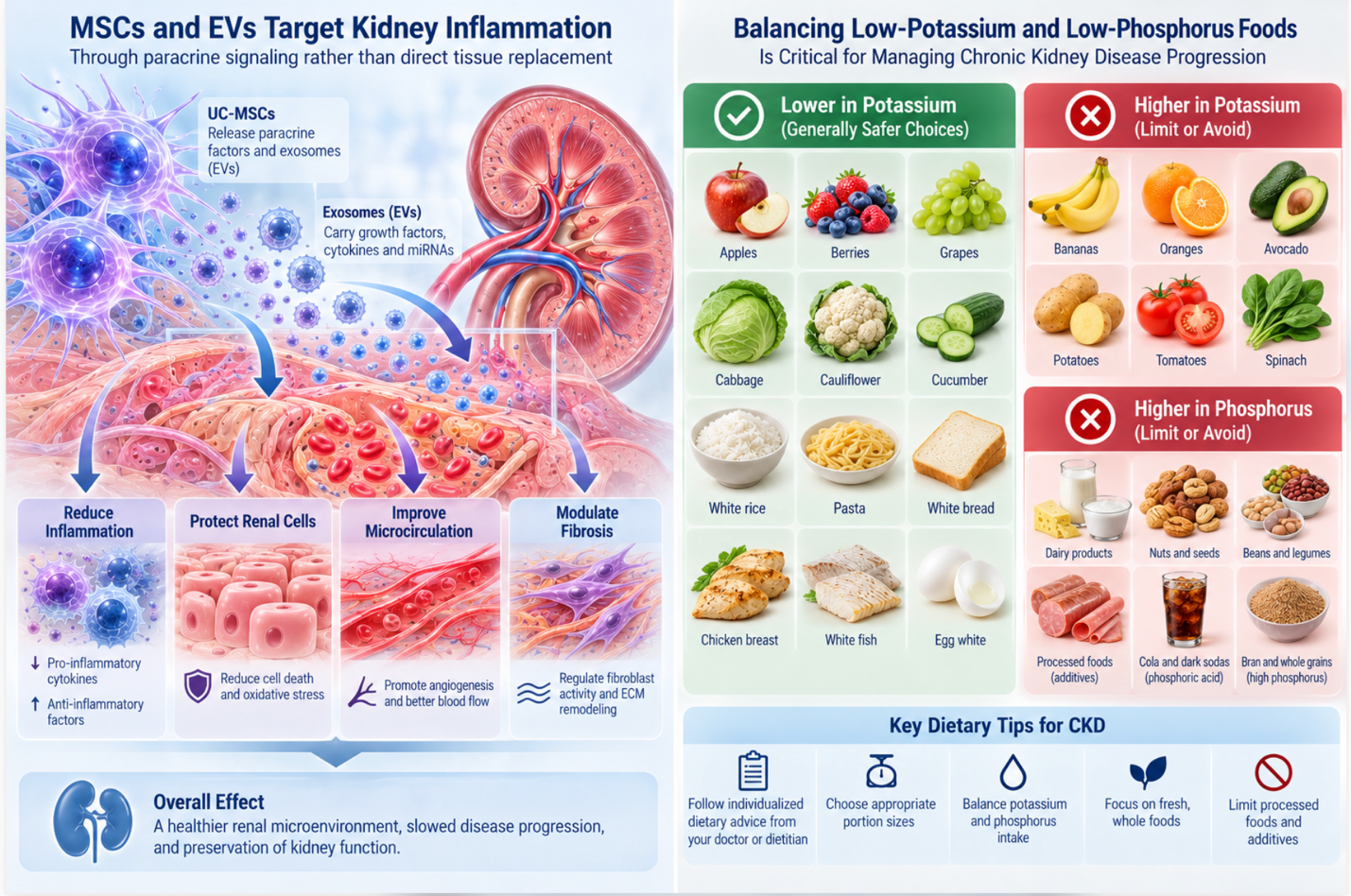
Figure 2: Balancing low-potassium and low-phosphorus foods is critical for managing chronic kidney disease progression.
Your diet is your first line of defense. Identifying good foods for people with kidney disease means prioritizing strictly low-potassium and low-phosphorus options. Think cabbage, blueberries, and egg whites. You must strictly avoid processed meats, dark colas, and high-potassium fruits like bananas.
Physically, sleep ergonomics matter immensely. Right-side sleeping is frequently recommended for CKD patients, physically reducing cardiac strain and optimizing renal blood flow during up to 8 hours of rest (Clinical Consensus, 2025). Right-side sleeping physically prevents the heart from bearing the structural weight of the lungs, easing your overall pumping mechanics.
Optimizing these daily baselines is vital for improving dialysis outcomes and keeping your body resilient enough to qualify for future regenerative therapies. Research from RegMedNet on using stem cells to improve dialysis access and outcomes emphasizes that a healthier baseline always yields better interventional results.
Kidney failure doesn’t just poison your blood; it alters your mind. The link between kidney disease and mood swings is profound, yet rarely discussed in brief nephrology visits.
As toxins (uremia) build up in your bloodstream, they directly cross the blood-brain barrier. This disrupts brain chemistry, triggers restless leg syndrome, and completely fragments your sleep architecture. The resulting emotional volatility isn’t just you “being stressed”—it is a direct neurological symptom of your failing filtration system. While lifestyle optimization provides necessary daily relief, patients must eventually weigh all their medical interventions with open eyes.
Before gambling your savings on investigational therapies, you have to establish a firm, objective understanding of the proven clinical standards.
Standard of care heavily relies on Hemodialysis and Peritoneal Dialysis to mechanically filter the blood. Pharmaceuticals, specifically ACE inhibitors and newer SGLT2 inhibitors, have proven remarkably effective at delaying disease progression.
These aren’t just fallback options; they are the heavily validated bedrock of modern renal care. If you suffer from sudden trauma, conventional acute protocols remain the absolute gold standard over experimental stem cell therapy for acute kidney injury. You don’t experiment during an acute crisis.
Don’t view these conventional treatments as “competitors” to cellular therapy. Investigational stem cells aim to eventually supplement and perhaps one day replace these protocols. But today, they run parallel. Understanding these established, FDA-approved alternatives is necessary to properly evaluate the immense financial and biological risks of stepping into the investigational arena. You need a stable foundation before you start building with experimental tools.
Every medical intervention carries severe trade-offs. Let’s strip away the marketing hype and look at the brutal realities of cellular medicine.
The benefits of targeted anti-inflammatory signaling are promising, but the risks are substantial. This therapy remains strictly investigational. The stem cell therapy for kidney disease cost can easily exceed tens of thousands of dollars out-of-pocket, with zero guarantee of success.
| 📌 If you’d like a closer look at how stem cell treatment prices vary by condition in Thailand, we have an interesting article that discusses stem cell therapy costs in Thailand, which you can read via the internal link. |
Furthermore, specific etiologies respond very differently. Investigational stem cell therapy for diabetic kidney disease might yield entirely different vascular responses than stem cell therapy for polycystic kidney disease, where massive structural cysts actively complicate cellular repair. Remember The Functional-Biological Divide: a slight improvement in a lab biomarker doesn’t guarantee you’ll feel any better or live any longer.
Use this framework to determine your next steps realistically.
Most current clinical data suggests stem cell therapy primarily halts or slows progression rather than completely reversing established kidney failure. Mesenchymal Stem Cells (MSCs) work by reducing inflammation and preventing further scarring in the renal tissue. While laboratory models show potential for cellular regeneration, real-world human trials focus on delaying the need for dialysis. Patients experiencing end-stage renal disease generally cannot reverse the condition entirely with current cellular technologies, so discussing realistic functional outcomes with a nephrologist before pursuing investigational treatments is vital.
Stem cell therapy helps kidney disease primarily through paracrine signaling, where introduced cells release proteins that modulate the immune system. This targeted biological action reduces local inflammation and mitigates the formation of fibrotic scar tissue within the nephrons. Ultimately, the goal is to preserve remaining kidney function and improve overall biological markers through this strictly investigational approach.
Investigational stem cell therapy aims to help patients delay or avoid dialysis by preserving current kidney filtration rates. By suppressing chronic inflammation and oxidative stress, cellular therapies may stabilize the estimated Glomerular Filtration Rate (eGFR) in certain clinical trial participants. Some patients report stabilized energy levels and reduced uremic symptoms following intervention. However, the efficacy heavily depends on the disease stage at the time of intervention. Due to the high stakes of renal failure, patients should never abandon prescribed dialysis protocols without direct specialist authorization. For most patients, this remains an adjunct therapy rather than a primary replacement.
The medical community is advancing toward better regenerative treatments for CKD, but a definitive, universally available cure is not imminent. Ongoing phase 1 and phase 2 clinical trials at major institutions are currently establishing baseline safety and tolerability for patient-derived cell therapies. These studies represent critical breakthroughs in understanding cellular repair mechanisms. Moving from early safety trials to a standardized commercial cure typically requires years of rigorous testing.
For advanced CKD patients, investigational stem cell therapy for kidney disease offers potential benefits by utilizing MSCs to reduce renal inflammation and fibrosis. Research from institutions like UC Davis (2025) demonstrates ongoing progress in strict safety trials, though widespread commercial availability remains years away. The most effective current approach combines closely monitoring these clinical breakthroughs with rigorous, holistic lifestyle management to maintain your baseline health.
Never forget the implications of The Functional-Biological Divide. When evaluating any new medical treatment, focus intensely on how it improves your daily life—your energy levels, your ability to avoid dialysis, your sleep quality—rather than solely chasing perfect lab results that don’t translate to functional independence.
Gather your recent blood work, renal imaging, and nephrology reports. Your next step is to schedule a formal suitability assessment with a regenerative medicine specialist to determine if you qualify for current clinical trials or future cellular interventions.