

Chronic wounds present a serious medical challenge, often persisting for months or even years without proper healing. In many cases, conventional treatments such as dressings, antibiotics, and debridement are insufficient. This has led to growing interest in regenerative medicine, particularly the use of umbilical cord-derived mesenchymal stem cells (UC-MSCs), as an innovative solution in Thailand.
Stem cell therapy offers a regenerative approach by targeting the underlying causes of impaired healing rather than only addressing symptoms. Stem cells possess two important characteristics: the ability to self-renew and the capacity to differentiate into various specialized cell types. These properties make them highly effective for repairing damaged tissues and supporting the body’s natural healing processes. In chronic wound care, UC-MSC stem cells are especially valuable due to their strong regenerative potential, anti-inflammatory effects, and low risk of immune rejection.
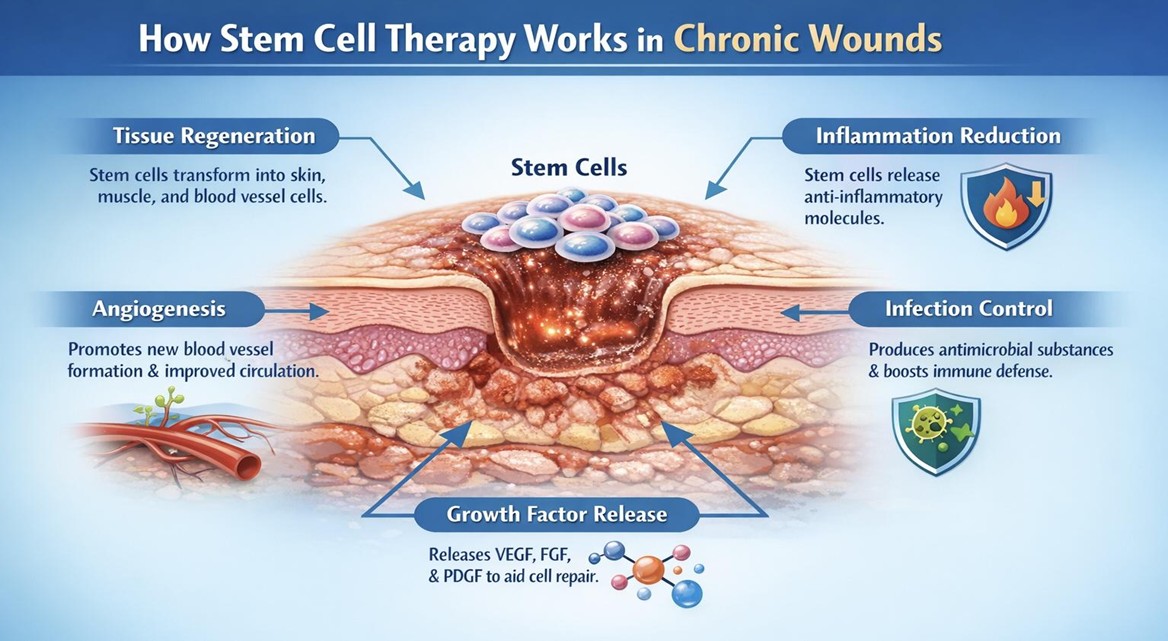
How Stem Cell Therapy Works in Chronic Wounds
When stem cells are introduced into a chronic wound environment, they initiate a series of biological responses that promote healing. One of the primary mechanisms is tissue regeneration. Stem cells can develop into essential cell types such as skin cells, muscle cells, and endothelial cells, which form the lining of blood vessels. By replacing damaged or non-functional cells, they contribute directly to rebuilding the wound site.
Another critical function of stem cells is their ability to regulate inflammation. Chronic wounds are often characterized by excessive and prolonged inflammation, which prevents normal healing progression. Stem cells release anti-inflammatory molecules that help balance the immune response, allowing the wound to move from the inflammatory phase into the proliferative phase, where tissue repair begins.
Angiogenesis, or the formation of new blood vessels, is another key component of stem cell therapy. Adequate blood supply is essential for delivering oxygen and nutrients to the wound. Stem cells secrete growth factors that stimulate the development of new capillaries, improving circulation in the affected area. Enhanced blood flow not only accelerates healing but also supports the survival of newly formed tissues.
Infection control is also an important aspect of this therapy. Chronic wounds are highly susceptible to bacterial colonization, which further delays healing. Stem cells have immunomodulatory properties and can produce antimicrobial substances that help reduce bacterial load. Additionally, they enhance the body’s immune defenses, making it easier to fight off infections.
Stem cells also play a vital role in releasing growth factors that drive tissue repair. These signaling molecules stimulate cell proliferation, collagen production, and wound contraction, all of which are necessary for effective healing.
Advantages of Stem Cell Therapy in Treating Chronic Wounds
The use of stem cells offers several significant advantages over traditional wound care methods. One of the most notable benefits is accelerated healing. By actively promoting tissue regeneration and improving blood flow, stem cell therapy can significantly reduce the time required for wound closure.
A further key advantage is the enhancement of tissue quality. Unlike conventional treatments that may result in scar formation, stem cell therapy supports the development of healthier, more functional tissue. This leads to better cosmetic outcomes and reduced risk of wound recurrence.
Pain reduction is also commonly reported. As inflammation decreases and healing progresses, patients often experience less discomfort. This can greatly improve quality of life, especially for individuals with long-standing wounds.
Perhaps one of the most critical advantages is the reduced risk of amputation. In severe cases, such as advanced diabetic foot ulcers, chronic wounds can lead to tissue death and the need for limb removal. By promoting healing and controlling infection, stem cell therapy may help preserve the affected limb and prevent such drastic outcomes.
Thailand as a Destination for Treatment
Thailand has become a leading center for regenerative medicine, offering advanced stem cell therapies in well-equipped medical facilities. The country is known for its experienced healthcare professionals, modern technology, and commitment to patient care. Clinics specializing in stem cell therapy follow strict protocols, including thorough patient evaluation, personalized treatment planning, and ongoing monitoring to ensure safety and effectiveness.
Patients seeking treatment in Thailand typically undergo a comprehensive assessment, including medical history review, wound evaluation, and diagnostic testing. Based on these findings, a tailored treatment plan is developed. Follow-up care is an essential part of the process, allowing clinicians to track healing progress and adjust treatment as needed.
Future Perspectives
The field of stem cell therapy for chronic wounds continues to evolve rapidly. Ongoing research aims to enhance the effectiveness of stem cell treatments by improving cell preparation techniques, optimizing delivery methods, and combining stem cells with other advanced therapies.
Innovations such as bioengineered scaffolds, gene-modified stem cells, and cell-free therapies using exosomes are being explored to further improve outcomes. These advancements may lead to more standardized, accessible, and cost-effective treatments in the future.
As scientific understanding deepens, stem cell therapy is expected to become an integral part of chronic wound management. Its ability to address the root causes of non-healing wounds offers a transformative approach that goes beyond traditional care.
Conclusion
Stem cell therapy marks a major breakthrough in managing chronic wounds. By promoting tissue regeneration, reducing inflammation, enhancing blood flow, and controlling infection, this approach provides a comprehensive solution for wounds that fail to heal with conventional methods.
For patients in Thailand and beyond, this innovative therapy offers renewed hope for recovery, improved quality of life, and reduced risk of severe complications. As research and technology continue to advance, stem cell therapy is poised to redefine the future of wound care, offering more effective and lasting healing solutions.