

Type 2 diabetes mellitus (T2DM) is a long-term metabolic condition impacting millions of individuals across the globe. Conventional treatment strategies are effective in controlling glucose levels, but they do not repair the underlying damage to pancreatic function or halt disease progression.
Regenerative medicine has introduced a new and promising strategy for addressing T2DM at its core is umbilical cord–derived mesenchymal stem cell (UC-MSC) therapy. This innovative approach is gaining attention in Thailand for its potential to improve metabolic health by restoring biological function rather than simply managing symptoms.
Understanding the Mechanisms of Stem Cell Therapy in T2DM
In the context of type 2 diabetes, stem cell therapy is designed to repair or rejuvenate pancreatic tissue, particularly the beta cells responsible for insulin production. By targeting these cells, the therapy aims to improve the body’s natural ability to regulate blood sugar levels.
One of the primary mechanisms involved is beta cell regeneration. Over time, individuals with T2DM experience a reduction in both the number and efficiency of insulin-producing beta cells. Stem cells have the potential to differentiate into these specialized cells, thereby helping to replenish lost or damaged tissue. Restoring beta cell mass may allow the pancreas to resume more normal insulin production.
In addition to generating new cells, stem cell therapy can enhance the function of existing pancreatic islets. Even when some beta cells remain, their performance is often compromised. Stem cells release growth factors and signaling molecules that support cellular repair and improve the efficiency of these remaining cells. As a result, insulin secretion may become more consistent and effective.
Another important aspect of T2DM is chronic low-grade inflammation, which contributes to insulin resistance. Stem cells can reduce inflammation by releasing anti-inflammatory cytokines and regulating immune system activity. By calming this persistent inflammatory state, stem cell therapy may help improve the body’s responsiveness to insulin.
Improving insulin sensitivity is a key therapeutic goal in T2DM, and stem cells may play a role in achieving this. By influencing metabolic pathways and reducing inflammation, stem cell therapy can enhance the ability of tissues—such as muscle and fat—to respond to insulin more effectively. This reduces the overall demand for insulin, whether produced by the body or administered externally.
Evidence from Clinical Research of Stem Cell Therapy in Managing Type 2 Diabetes
One comprehensive meta-analysis reviewed over a thousand scientific publications and identified several clinical trials focused on stem cell treatment for T2DM. Across these studies, patients demonstrated significant improvements in key indicators of blood sugar control. One of the most important markers, hemoglobin A1c (HbA1c), which reflects average blood glucose levels over several months, showed noticeable reductions following treatment. Lower HbA1c levels are associated with better long-term disease management and reduced risk of complications.
In addition to improved glycemic control, many patients required less external insulin after receiving stem cell therapy. This reduction in insulin dependency suggests that the body’s own insulin production and utilization were enhanced. For individuals who rely heavily on insulin injections, this represents a meaningful improvement in quality of life.
Studies specifically examining umbilical cord–derived mesenchymal stem cells have also shown promising results. Patients treated with these cells experienced sustained improvements in blood glucose levels over extended periods, often lasting up to a year or more. Increases in fasting C-peptide levels—a marker of natural insulin production—have also been observed, indicating improved pancreatic function.
Long-term follow-up studies provide additional insight into the durability of these effects. In one pilot study involving patients treated with human umbilical cord–derived stem cells, significant reductions in HbA1c and insulin use were maintained over a two-year period. Notably, a portion of participants achieved complete independence from insulin therapy during this time. These findings highlight the potential for long-lasting benefits.
Advantages of Stem Cell Therapy for Type 2 Diabetes Patients
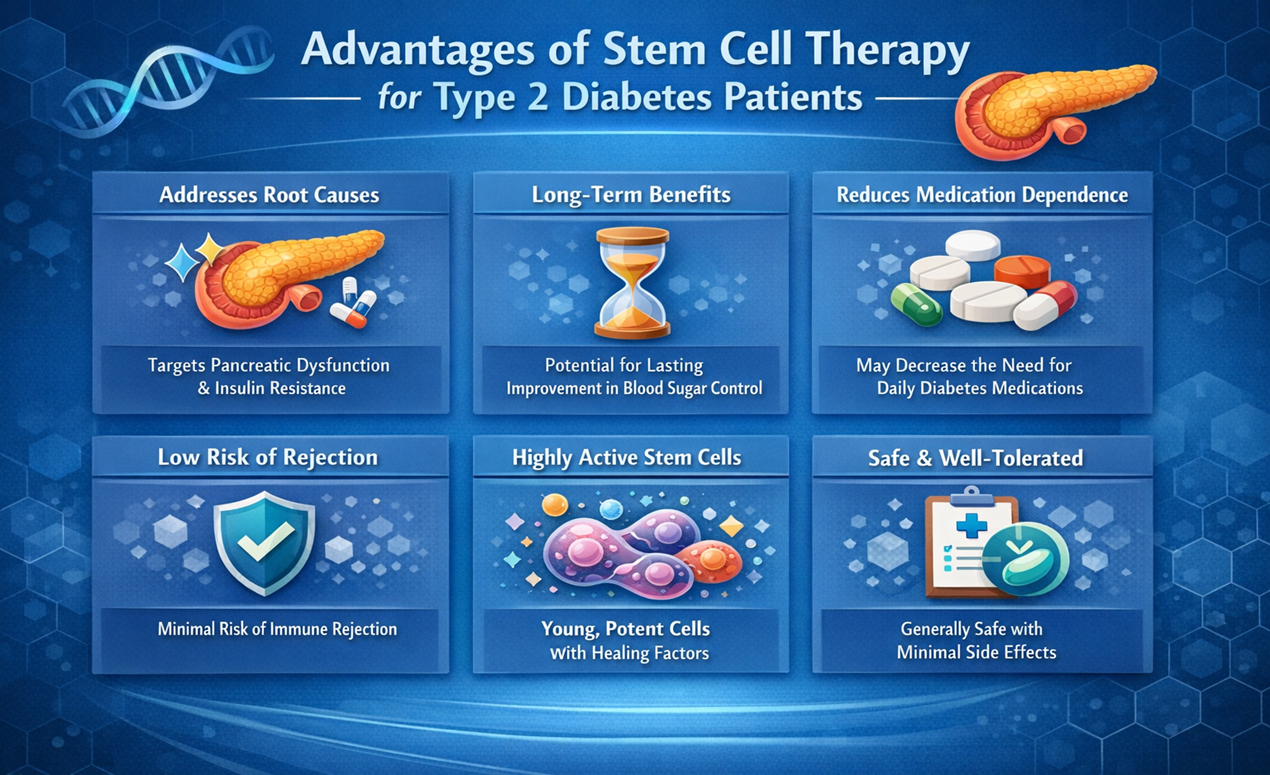
Stem cell therapy offers several advantages compared to traditional approaches to diabetes management. One of the most significant benefits is its ability to address the root causes of the disease rather than simply controlling symptoms. By targeting pancreatic dysfunction and insulin resistance, the therapy aims to restore metabolic balance at a fundamental level.
Another advantage is the potential for long-term improvement. Unlike medications that must be taken continuously, stem cell therapy may provide lasting effects by repairing damaged tissues and enhancing cellular function. This could reduce the need for ongoing medication and lower the risk of diabetes-related complications.
Stem cells are also considered a favorable source of stem cells due to their biological properties. They are young, highly active, and capable of producing a wide range of beneficial signaling molecules. Additionally, they are associated with a relatively low risk of immune rejection, making them suitable for therapeutic use.
Clinical studies to date suggest that stem cell therapy is generally well tolerated, with minimal adverse effects when administered under proper medical supervision.
Conclusion
Stem cell therapy represents a significant advancement in the treatment of type 2 diabetes mellitus. By focusing on the underlying mechanisms of the disease—such as beta cell dysfunction, insulin resistance, and chronic inflammation—this approach offers the potential to move beyond traditional symptom management.
Through its ability to regenerate pancreatic tissue, improve insulin production, and enhance metabolic function, stem cell therapy may provide meaningful and lasting benefits for individuals living with T2DM. Clinical studies have demonstrated improvements in blood sugar control, reductions in insulin requirements, and, in some cases, the possibility of insulin independence.
The progress achieved so far is promising. In Thailand, where regenerative medicine continues to advance, stem cell therapy is emerging as a forward-looking option for diabetes care. It represents a shift toward more comprehensive and restorative treatment strategies—offering hope for improved health and quality of life in the future.