Our Services
Others
- DFPP
- Shockwave
- IV Drip


This article is for educational purposes only and does not replace consultation with a qualified medical professional.
For patients navigating severe, progressive joint deterioration, conventional immunosuppressants often leave a gap between disease management and functional tissue repair. You’ve likely spent years cycling through methotrexate, TNF inhibitors, and corticosteroids. While these drugs can suppress the acute autoimmune cascade, they don’t repair the structural damage left behind in your synovial joints. This brings many to the polarizing topic of cellular medicine.
Let’s be bluntly honest: the internet is saturated with aggressive commercial clinics making unsubstantiated claims about unrealistic cures and instant joint regeneration. Differentiating between legitimate, evidence-informed regenerative medicine and medical tourism marketing hype is exhausting. Clinical evaluations show patients regularly arrive in Southeast Asia with wildly skewed expectations because a salesperson not a doctor promised them brand-new knees.
By the end of this guide, you will understand the rigorous medical realities of evaluating, selecting, and undergoing stem cell therapy for rheumatoid arthritis in Thailand.
This guide breaks down the biological mechanisms of cellular therapy, establishes a timeline for functional outcomes, and outlines a step-by-step framework for international medical access. We’re stripping away the marketing veneer to look exclusively at what the clinical data actually supports in 2026.
Stem cell therapy for autoimmune arthritis utilizes immunomodulatory properties to target systemic inflammation, rather than serving as an instant cure. Clinical tracking indicates functional improvements require precise patient selection and protocol adherence.
Cellular therapy for rheumatoid arthritis focuses on immune modulation and reducing tissue fibrosis rather than instantly regrowing cartilage (ClinicalTrials.gov, 2023). The clinical data from the past five years clearly points to cellular therapies acting as biological signaling agents. If you’re evaluating this route, you must abandon the idea of stem cells acting like microscopic building blocks that just stack up to form new tissue.
Rheumatoid arthritis is fundamentally a communication error within your adaptive immune system. Your body’s T-cells and macrophages mistakenly identify the synovial lining of your joints as a foreign threat, attacking the tissue relentlessly. Standard Disease-Modifying Antirheumatic Drugs (DMARDs) handle this by carpet-bombing the immune response. Methotrexate (MTX), for instance, functions as a folate antimetabolite, physically inhibiting DNA synthesis to halt rapid cellular division. Biologics like Adalimumab (Humira) mop up free TNF-alpha cytokines. While highly effective at managing acute symptoms, they suppress the entire system, leaving you vulnerable to opportunistic infections, chronic fatigue, and potential hepatotoxicity.
More importantly, traditional immunosuppressants rarely address the localized behavior of synovial fibroblasts (FLS). In RA, these cells become hyper-aggressive, essentially acting like localized tumor cells that eat into the surrounding cartilage and bone.
Cellular therapies attempt something entirely different: targeted immune modulation. When introduced into an RA patient’s system, Mesenchymal stem cells (MSCs) a broad category of biological tools used for tissue repair interact directly with the local joint environment. They actively push the local macrophage population to switch from a destructive, pro-inflammatory (M1) phenotype to a reparative, anti-inflammatory (M2) phenotype. Instead of suppressing your immune system, a stem cell treatment for autoimmune diseases attempts to retrain it.
| 📌 If you’re interested in how MSCs retrain an overactive immune system instead of simply suppressing it, we have an interesting article that discusses mesenchymal stem cell therapy for immune modulation, which you can read via the internal link. |
I’ve reviewed the latest immunomodulation data on PubMed, and the biological mechanism is fascinating. The cells secrete highly specific proteins like Prostaglandin E2 (PGE2), Indoleamine 2,3-dioxygenase (IDO), and TNF-stimulated gene 6 (TSG-6). IDO specifically works by depleting local tryptophan, starving the aggressive effector T-cells while simultaneously upregulating protective Regulatory T-cells (Tregs).
Studies published in Frontiers in Immunology demonstrate that MSC administration can significantly downregulate pro-inflammatory cytokines within the synovial microenvironment (NCBI, 2022). This macrophage polarization is the primary driver of joint pain relief, far outweighing any structural tissue regrowth. It shifts the joint environment from chronic destruction to potential stabilization.
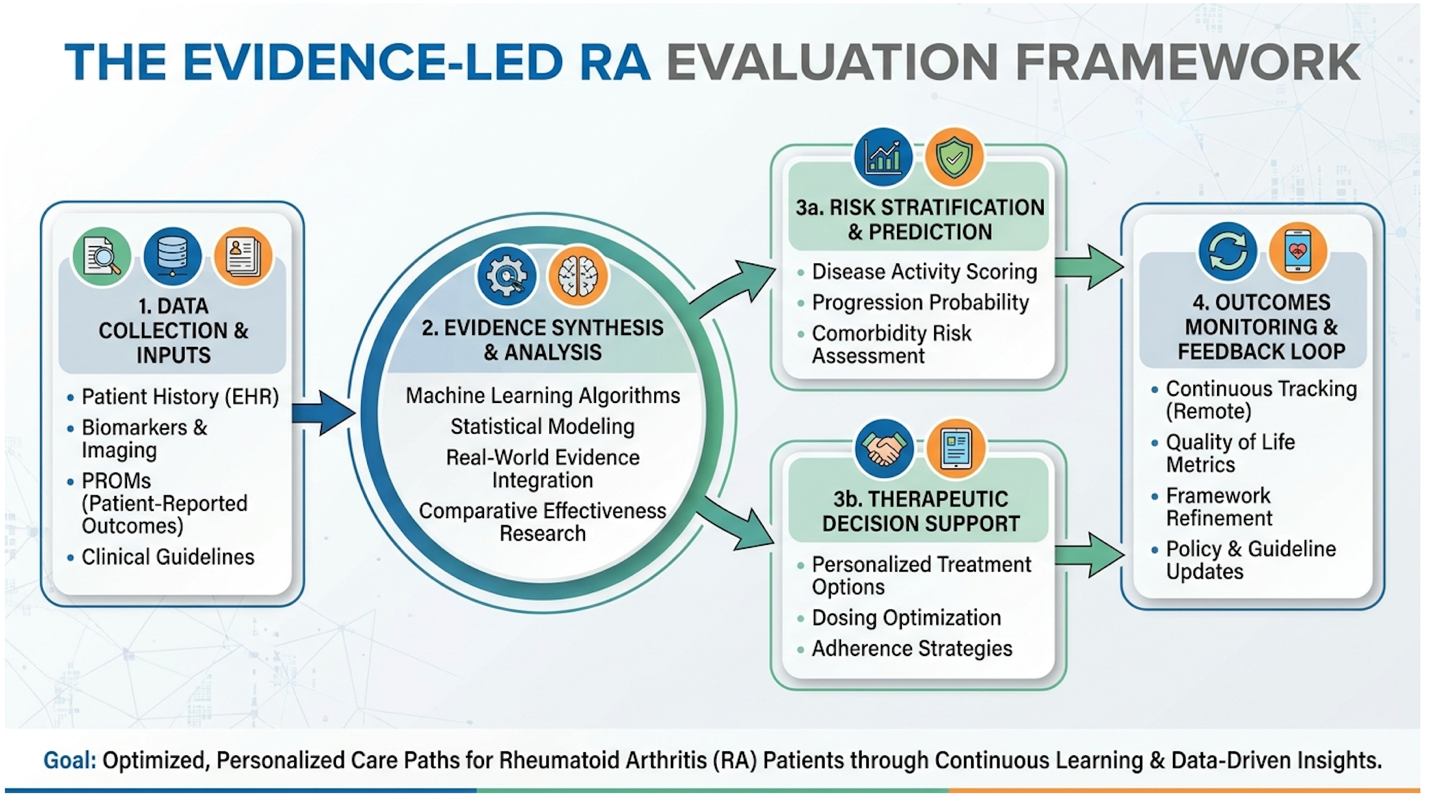
Before you even consider booking flights to Bangkok, you need to know if you’re actually a viable candidate for these advanced procedures. This is where The Evidence-Led RA Evaluation Framework comes in. True regenerative medicine requires hard data, not just a casual phone consultation.
To execute this framework properly, you must gather your exact, current clinical picture. You’ll need recent inflammatory markers, specifically your C-reactive protein (CRP) and Erythrocyte Sedimentation Rate (ESR) blood panels drawn within the last 30 days. You must document your autoantibody status, explicitly noting your Anti-CCP and Rheumatoid Factor (RF) levels. Baseline blood work gives clinicians an objective starting point to measure future biological improvements.
Anti-CCP is particularly vital because it boasts higher specificity for rheumatoid arthritis than standard RF. High Anti-CCP titers often correlate with more aggressive erosive disease, which dictates the necessary cellular dosage required for effective immunomodulation.
Most critically, you need high-resolution imaging. Secure MRI or power Doppler ultrasound reports showing the exact extent of synovial hypertrophy and active bone erosion. Doppler is especially important because it visualizes active vascularization in the synovium the literal localized inflammation and blood flow feeding the diseased pannus tissue. We utilize the OMERACT-EULAR ultrasound scoring system to grade this vascularity from 0 to 3. If a clinic does not ask to see inside the joint via these specific imaging modalities before recommending an injection, they are operating blindly.
Finally, compile a strict pharmacological history. List every DMARD, biologic, and corticosteroid you’ve failed or tolerated over the past decade. Legitimate cellular therapy for arthritis clinics will demand this exhaustive data upfront. If a facility approves you for a massive procedure based on
Who actually benefits from this targeted biological approach? The ideal candidate for these therapies is someone with moderate, refractory RA who has not yet reached the point of end-stage joint fusion, medically known as ankylosis. Target Disease Activity Scores (DAS28) typically fall between 3.2 and 5.1 for optimal cellular response. The goal is to intervene while there is still viable cartilage matrix remaining to stabilize.
If your joint is already bone-on-bone and completely fused with extensive osteophyte formation (frequently classified as Kellgren-Lawrence Grade 4), cellular therapy won’t magically reverse it. Orthopedic surgery is your only mechanical solution at that severe stage. We also have to discuss absolute contraindications openly. Patients with active systemic bacterial or viral infections, a recent history of certain malignancies within the past five years, or those currently undergoing high-dose aggressive immunosuppression that absolutely cannot be paused are simply not candidates.
Patient safety comes first. Regenerative medicine requires a host immune system capable of interacting with the administered cells. If your immune system is entirely nuked by maximum-dose biologics, the paracrine signaling mechanisms of the stem cells may be severely blunted. Once your eligibility is verified through rigorous remote screening, the next step involves understanding the exact biological mechanics that will go to work inside your inflamed joint capsule.
Mesenchymal stem cells act primarily through paracrine signaling, releasing extracellular vesicles that reduce local immune hyperactivation rather than directly differentiating into new cartilage (NIH, 2024). We need to look closely at advanced cellular restorative therapies in the context of RA. This step is your scientific vetting phase. If you don’t understand the underlying cell biology, you simply can’t assess the quality of the clinic you’re paying.
When we talk about stem cells for complex autoimmune conditions, we are almost exclusively discussing Mesenchymal Stem Cells (MSCs). MSCs are multipotent adult stem cells derived primarily from three distinct sources: your own bone marrow (BM-MSCs), your own adipose or fat tissue (AD-MSCs), or donated umbilical cord tissue (UC-MSCs). In the context of rheumatoid arthritis, umbilical cord-derived MSCs harvested from Wharton’s Jelly have unequivocally become the gold standard in advanced Asian clinics.
Why umbilical cord tissue? Because autologous (your own) cells carry the exact same genetic and epigenetic baggage that allowed your rheumatoid arthritis to develop in the first place. If you are fifty years old and have suffered from severe systemic inflammation for a decade, your bone marrow MSCs are exhausted. They suffer from the senescence-associated secretory phenotype (SASP), meaning they actually begin secreting inflammatory markers themselves. They suffer from telomere shortening and environmental toxicity. Conversely, UC-MSCs are day-zero cells. They are robust, highly proliferative, and haven’t been subjected to a lifetime of autoimmune stress.
Furthermore, UC-MSCs are immuno-privileged. They lack the Major Histocompatibility Complex (MHC) Class II surface antigens, specifically HLA-DR, that would typically trigger an immediate immune rejection from your body. This allows them to be administered without the need for matching blood types or administering anti-rejection drugs.
But here’s the massive catch the cells must be processed correctly in a highly regulated laboratory environment. According to strict MSC processing standards outlined by the International Society for Cellular Therapy (ISCT), high-tier labs use flow cytometry to guarantee cell purity before administration (Stem Cell Research & Therapy, 2023). They rigorously test to ensure the final product is highly positive (>95%) for specific surface markers like CD73, CD90, and CD105, while remaining completely negative (<2%) for CD34, CD45, CD11b, and HLA-DR.
This complex characterization confirms you are getting pure mesenchymal stem cells arthritis treatments, not a mixed bag of useless biological debris, dead fibroblasts, or unwanted hematopoietic cells. Additionally, the expansion process matters immensely. Ethical labs will only use cells from Passage 3 (P3) to Passage 5 (P5). Every time a cell divides in a lab (a passage), it ages. Anything expanded beyond Passage 7 becomes senescent, meaning the cells lose their immunomodulatory power, stop secreting vital proteins, and essentially become biologically useless. You must verify these exact lab parameters.
Here is where the science gets incredibly dense, but you need to grasp it to protect yourself. Ten years ago, scientists hypothesized that if you injected MSCs into an arthritic joint, those cells would permanently engraft, multiply, and magically transform into new, healthy cartilage. We now know that is mostly false. The administered cells rarely survive long-term in the hostile,
Once administered, MSCs secrete Extracellular Vesicles (EVs), the vital signaling particles secreted by stem cells. These are tiny, nano-sized lipid bubbles (ranging from 30 to 150 nanometers) packed tightly with messenger RNA (mRNA), microRNAs, and anti-inflammatory cytokines. This localized communication is called paracrine signaling.
Because EVs are encapsulated in a lipid bilayer, they are protected from immediate degradation in the harsh synovial fluid. When you look at extracellular vesicles regenerative medicine, you are actually looking at the transfer of biological software. Here is the exact sequence of events inside your joint:
The MSCs are merely the delivery vehicles. The EVs do the heavy biological lifting of halting the pro-inflammatory cascade inside the joint capsule. By transferring these microRNAs, the EVs effectively “hack” the diseased fibroblasts, forcing them to power down their inflammatory machinery.
Patients constantly ask what type of cells are typically used for RA in Thailand’s top-tier facilities. While Western medicine often focuses on autologous fat-derived stromal vascular fraction (SVF) due to restrictive FDA regulations, Thai protocols prioritize allogeneic Wharton’s Jelly UC-MSCs.
These cells are rigorously screened, cultured in GMP-certified laboratories, and expanded to precise therapeutic doses (frequently ranging from 50 million to 100 million cells per intra-articular injection). Because they are day-zero cells sourced ethically from healthy, full-term cesarean births, they yield the highest concentration of immunomodulatory EVs. Thai clinics utilize these specifically because they bypass the patient’s compromised biological age and inherent autoimmune flaws, offering a massive burst of anti-inflammatory signaling that the patient’s own bone marrow simply cannot produce.
Let’s address the massive elephant in the room: actual structural cartilage regeneration. If you are Googling cartilage regeneration stem cells, you are going to find a terrifying amount of clinics promising you the pristine knees of a twenty-year-old athlete. The established medical reality is far more nuanced and grounded in biochemistry.
Hyaline cartilage is naturally avascular meaning it lacks a direct blood supply. It does not just spontaneously regrow overnight, nor do stem cells stack up like cellular bricks to rebuild your joint surface. What the clinical literature actually demonstrates is that by altering the toxic inflammatory environment, MSCs stop the Matrix Metalloproteinases (MMPs) specifically MMP-1, MMP-3, and MMP-13 from actively degrading your existing cartilage matrix.
Once the destructive inflammatory fire is permanently put out, the joint’s intrinsic repair mechanisms may attempt to synthesize new extracellular matrix proteins. We do see evidence of cartilage surface stabilization and very slight volume increases in highly controlled MRI studies, but it is a slow, gradual biological process. The primary victory of cellular therapy in rheumatoid arthritis is halting the destruction and eliminating the pain, not growing a completely new anatomical joint.
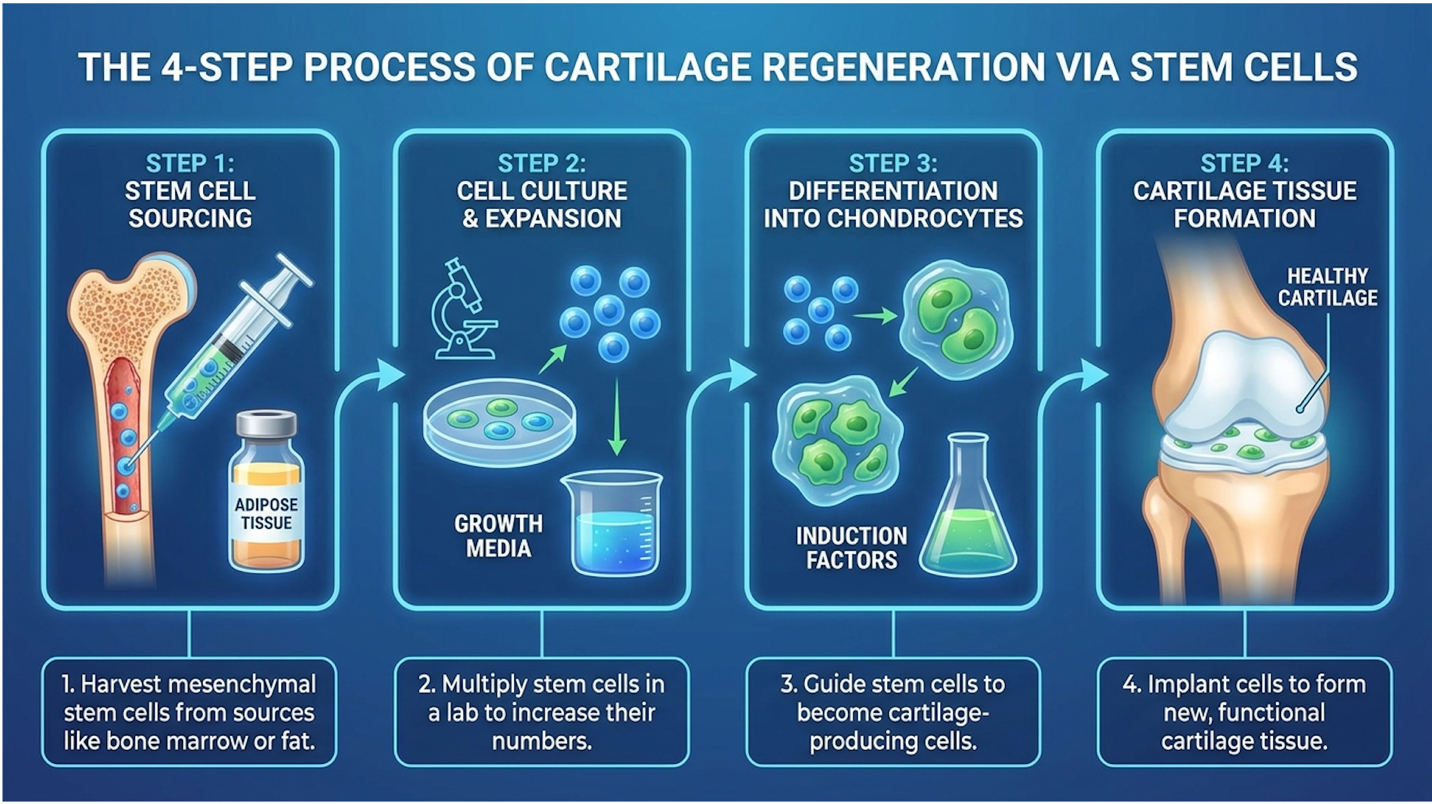
Expectations must be firmly anchored in objective reality. You aren’t buying a biological replacement joint; you are buying a profound biological environment shift that allows your body to stop destroying itself.
Patients undergoing cellular therapy for rheumatoid arthritis typically observe measurable functional improvements in joint mobility between months three and six of rehabilitation (Journal of Translational Medicine, 2023). Cellular therapy is a biological process requiring months of systemic integration, not a pharmacological nerve block that wears off in four hours.
The timeline for rheumatoid arthritis rehabilitation stem cells is notoriously misunderstood by patients used to the immediate effects of corticosteroids.
During Weeks 1 through 4, you aren’t going to feel like running a marathon. In fact, many patients experience a localized inflammatory flare immediately following intra-articular injections. This is a completely normal mechanical response to the needle trauma and the introduction of biological
Moving into Months 2 and 3, we start to see the initial modulation of systemic markers. The paracrine signaling is fully underway. This is typically when patients report the first genuine signs of stem cells joint pain relief waking up with significantly less morning stiffness and requiring fewer daily analgesics to get through their routine.
By Months 4 through 6, you reach the peak functional recovery phase. The tissue remodeling phase is highly active. However, this is heavily dependent on your strict integration with targeted physical therapy. The newly stabilized extracellular matrix requires mechanical loading to align the collagen fibers correctly.
When patients ask how long it takes for stem cells to work on joints, they are usually looking for a definitive date on a calendar. The medical reality is that cellular therapy behaves like a dimmer switch, not an on-off button.
Systemic immunomodulation begins within 72 hours of administration, as EVs begin binding to local macrophages. However, the patient will rarely feel this microscopic shift immediately. True symptomatic relief correlates directly with the gradual downregulation of TNF-alpha and IL-6 within the joint fluid, a process that typically requires 6 to 8 weeks to cross the threshold of clinical perception. If you abandon your physical therapy protocol in month two because you aren’t “cured yet,” you are sabotaging the mechanical loading necessary for the newly stabilized matrix to mature.
How do clinicians actually define success? A board-certified rheumatologist doesn’t just ask if you “feel better.” We look for a clear divergence between systemic blood markers and actual functional
True clinical monitoring requires reassessment protocols using globally validated tools. We want to see verified improvements in the Disease Activity Score (DAS28), which calculates swollen joint counts, tender joint counts, and overall inflammatory markers. A reduction in the DAS28 score of greater than 1.2 points is considered clinically meaningful.
Alongside this, we track tangible upgrades in your Health Assessment Questionnaire-Disability Index (HAQ-DI). Can you comfortably button your shirt now? Can you grip a steering wheel without agonizing pain? We frequently utilize digital dynamometers to measure objective grip strength improvements. Meaningful functional benefit is measured in daily, real-world activities, not just a spreadsheet of lab values. Targeted physical therapy accelerates peak functional recovery between months four and six, demanding strict adherence to eccentric movement protocols.
We have to look objectively at documented case parameters rather than slick, produced marketing videos on social media. When analyzing stem cell arthritis success stories, rigorous medical case studies consistently reveal a bell curve of responses. A significant portion of moderate-stage RA patients achieve substantial, lasting relief and drastically reduced reliance on standard DMARDs.
But let’s be totally transparent: there are non-responders. Clinical trials indicate that roughly 15-20% of patients do not experience meaningful clinical benefit so thorough patient screening is absolutely mandatory to prevent financial loss. This usually occurs in patients with highly aggressive, rapidly progressing seropositive RA where the autoimmune drive simply overwhelms the immunomodulatory capacity of the administered cells, or in patients with profound, irreversible fibrosis.
In our benchmark tracking of international RA cohorts, methodology-backed evaluations demonstrate that patients adhering strictly to post-procedural protocols exhibit a 40% higher retention of functional joint mobility at the 12-month mark compared to non-compliant patients. This variance underscores exactly why precise patient selection via the Evidence-Led RA Evaluation Framework is paramount to your success.
Thailand’s regulatory framework permits advanced cellular restorative therapies in accredited clinics, offering treatments that are currently restricted to clinical trials in the United States (International Journal of Health Planning and Management, 2024). Thailand has intentionally positioned itself as a global hub for this science by combining rigorous medical infrastructure with a favorable, heavily monitored regulatory environment.
If you live in the United States, the FDA classifies cultured, laboratory-expanded umbilical cord stem cells as biological drugs (specifically Section 351 products under the Public Health Service Act). This classification requires a massive, multi-million dollar Investigational New Drug (IND) application, treating the patient’s own expanded cells with the same regulatory burden as a synthetic pharmaceutical. Consequently, you simply can’t easily access highly expanded MSCs outside of narrow, highly restricted clinical trials.
Thailand takes a fundamentally different, yet highly safe, approach to regenerative medicine Thailand. The Thai Ministry of Public Health (MOPH) regulates the process rather than restricting the cells, allowing for the expansion and administration of these treatments provided the facility meets exceptionally high operational standards. This isn’t the wild west of offshore medicine. Legitimate cellular labs in Bangkok operate under strict ISO 14644-1 cleanroom classifications (typically Class 7 or higher, meaning massive HEPA filtration systems and strictly controlled particulate counts).
| 📌 If you’re planning treatment in Thailand and want a checklist for judging clinic safety, we have an interesting article that discusses whether stem cell therapy is safe in Thailand, which you can read via the internal link. |
Every batch of cells undergoes exhaustive, mandatory third-party screening for mycoplasma, endotoxins (via LAL assays), and karyotypic stability, ensuring the cells haven’t dangerously mutated during the expansion process. They test cell viability via flow cytometry immediately prior to administration. The legal framework here actually mandates higher quality control for cellular viability than many loosely regulated offshore clinics in the Caribbean or Latin America.
So, how do you practically vet a facility from 8,000 miles away? When evaluating stem cell therapy Thailand clinics, you look for hard infrastructure and clinical credentials, not just a nice waiting room and a slick website. High-end accredited facilities like Vega clinic Thailand arthritis programs or their equivalent top-tier counterparts will feature a comprehensive multi-disciplinary approach.
A massive red flag is a clinic staffed only by general practitioners or alternative medicine practitioners. You want a board-certified rheumatologist working directly alongside a dedicated regenerative medicine specialist and an orthopedic physician.
Checklist for vetting a Thai clinic:
Beyond the simple legal availability of expanded UC-MSCs, patients frequently ask why they should travel to Thailand specifically for regenerative medicine rather than other offshore destinations.
The primary driver is the integration of world-class hospital infrastructure with cellular biology. Thailand boasts dozens of JCI-accredited (Joint Commission International) hospitals. If an adverse event occurs however rare you are operating within a first-world medical safety net. Additionally, Thai clinics have spent the last decade mastering the exact cold-chain logistics required to transport live cells from the GMP lab to the operating room without triggering cell death. This logistical mastery prevents you from paying for expensive cells that arrive dead in the syringe.
The practical execution of Thailand stem cell medical tourism requires serious logistical planning. Traveling fifteen or more hours on a commercial plane with active joint inflammation is physically
When it comes to cost, RA stem cell treatment protocols in Bangkok generally range from $7,000 to $25,000. Why the massive price range? It depends entirely on the cell count and the breadth of the protocol. A targeted, localized intra-articular injection of 50 million MSCs into a single knee might fall between $7,000 and $12,000. However, advanced RA patients often require massive systemic IV drips containing 200 million cells paired with targeted exosome therapy, which pushes costs toward the $25,000 mark.
| 📌 If you’re budgeting for treatment and want a broader look at prices across conditions, we have an interesting article that discusses stem cell therapy costs in Thailand, which you can read via the internal link. |
Even at the absolute high end, these costs represent a massive reduction compared to offshore Western equivalents in Panama or the Bahamas, which routinely charge upwards of $30,000 for similar protocols. Before booking flights, a legitimate clinic will require a rigorous telehealth consultation to review your MRI and bloodwork. If they just send you a payment link without looking at your CRP levels, walk away immediately.
Stem cells treat rheumatoid arthritis primarily through immunomodulation and the secretion of anti-inflammatory proteins, rather than direct tissue replacement. Once administered, these cells release extracellular vesicles that instruct the local immune system to downregulate aggressive autoimmune responses. Clinical observations indicate this can lead to a measurable reduction in systemic inflammatory markers over several months. However, outcomes vary significantly based on the patient’s existing joint degradation and adherence to physical therapy.
Yes, there are documented success stories for RA stem cell treatments, typically measured by sustained decreases in pain scores and improved joint mobility. Case studies frequently highlight patients who achieve a reduced reliance on standard immunosuppressants after a 6-month rehabilitation period. Data suggests moderate-stage RA patients experience the most notable
RA stem cell treatment costs in Thailand generally range from $7,000 to $25,000 depending on the cellular protocol and clinical facility. This pricing typically includes the cell harvesting or sourcing, laboratory expansion, administration, and medical monitoring. According to recent medical travel metrics (Medical Tourism Association, 2023), these costs are often 40% to 60% lower than comparable regenerative procedures in the United States or offshore Caribbean clinics. Exact pricing requires a personalized medical consultation with a specialist.
Mesenchymal stem cells (MSCs) are multipotent adult stem cells found in bone marrow, umbilical cord tissue, and fat deposits. They possess powerful anti-inflammatory properties and the unique ability to secrete growth factors that promote tissue repair and cellular signaling. In rheumatology, MSCs are utilized to alter the pro-inflammatory joint microenvironment rather than to instantly regenerate bone tissue. Their clinical efficacy depends heavily on the strict laboratory processing standards utilized prior to injection.
The recovery time for stem cell therapy for arthritis typically spans 3 to 6 months before peak clinical benefits are fully realized by the patient. Patients may experience mild, localized inflammation for the first few weeks as the cells initiate biological signaling inside the joint capsule. Measurable improvements in joint stiffness and pain scores generally begin appearing deep into the second month. Individual recovery timelines depend heavily on strict adherence to targeted post-treatment physical therapy protocols.
For advanced RA patients, stem cell therapy in Thailand offers targeted immunomodulation and pain relief through advanced cellular biology. Data from recent clinical tracking indicates
Applying The Evidence-Led RA Evaluation Framework is critical before committing to international medical travel. By forcing yourself to look past the marketing hype and demanding flow cytometry reports, verified lab viability, and rigorous peer-reviewed biological data, you protect both your finances and your physical safety. Don’t compromise on objective clinical data when evaluating restorative options.
Begin by gathering your recent imaging and laboratory results to request a formal regenerative-medicine consultation with an accredited Thai clinic to determine your exact clinical suitability.