Our Services
Others
- DFPP
- Shockwave
- IV Drip

Key Takeaways
Autism Spectrum Disorder (ASD) is a lifelong neurodevelopmental condition that affects communication, social interaction, sensory processing, and behavioral flexibility in different ways.
Current autism care usually focuses on behavioral therapy, speech therapy, occupational therapy, educational support, and social skills training, which remain essential parts of long-term care.
Regenerative stem cell therapy is being explored as a supportive option for autism, especially in relation to biological factors such as immune imbalance, neuroinflammation, and cellular communication.
Umbilical cord–derived mesenchymal stem cells (UC-MSCs) are studied for their ability to release growth factors, cytokines, and extracellular vesicles that may help regulate inflammation and support a healthier neurological environment.
Suitable candidates require medical screening, including review of developmental history, neurological status, immune health, medications, seizure history, and ability to complete follow-up monitoring.
Expected changes, when they occur, are usually gradual over weeks to months and may involve attention, responsiveness, emotional regulation, sleep quality, communication, or social engagement.
Thailand has become a recognized destination for regenerative medicine and international patient care, supported by medical infrastructure, ethical standards, laboratory quality control, and clinical follow-up.
Families considering UC-MSC therapy should request a medical case review and continue existing therapies such as speech therapy, occupational therapy, behavioral support, school programs, and routine medical care.
Autism Spectrum Disorder (ASD) is a lifelong neurodevelopmental condition that influences how individuals perceive the world, communicate with others, and respond to their surroundings. People with autism often experience challenges related to social interaction, communication, sensory processing, and behavioral flexibility. Because autism exists on a spectrum, its presentation varies widely. Some individuals may have mild social or communication difficulties, while others require more extensive support due to developmental delays, learning differences, or repetitive behaviors.
Current support strategies for autism are primarily focused on behavioral and educational interventions. These commonly include applied behavior analysis, speech and language therapy, occupational therapy, social skills training, and structured educational programs. Such approaches play a crucial role in helping individuals build practical skills, improve communication, and gain independence. However, these methods mainly target observable behaviors and functional abilities rather than addressing possible biological or neurological factors associated with ASD.
As scientific understanding of autism continues to expand, interest has grown in therapies that may influence underlying biological processes. Regenerative medicine, particularly stem cell–based approaches, has become an area of exploration for researchers and clinicians seeking additional ways to support individuals with ASD. Among these emerging options, therapies using umbilical cord–derived mesenchymal stem cells (UC-MSCs) have attracted attention for their potential role in immune regulation, inflammation control, and cellular communication.
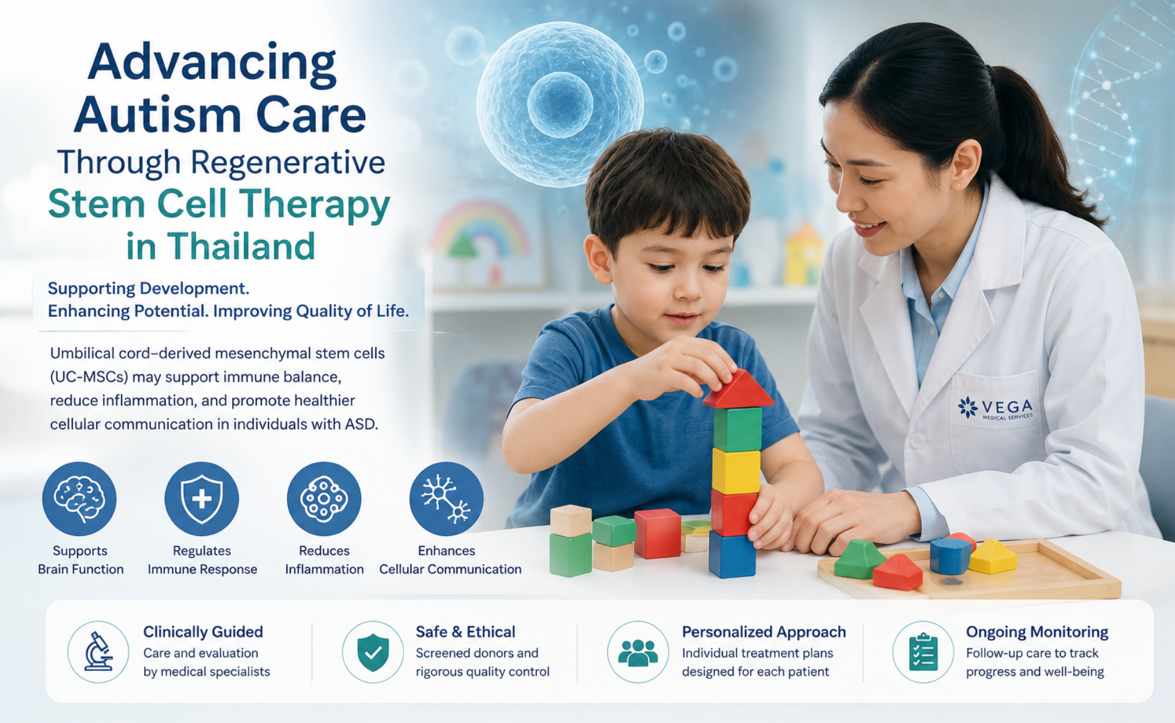
Figure 1: Regenerative Stem Cell Therapy Support for Autism Care in Thailand
An Overview of Stem Cell–Based Approaches for Autism
Umbilical cord–derived mesenchymal stem cells therapy for autism are obtained from donated umbilical cord tissue after healthy childbirth, with informed consent. These cells are considered especially valuable because they are biologically young, adaptable, and associated with a lower risk of immune rejection. In controlled laboratory environments, UC-MSC stem cell therapy are processed and tested to meet safety and quality standards before being used in clinical settings.
Research has suggested that some individuals with ASD may experience immune system imbalances, ongoing inflammation, or atypical neural connectivity. While stem cell therapy is not considered a cure for autism, its purpose is to support healthier biological functioning that may contribute to improvements in behavior, learning, communication, and adaptability. Stem cell therapy should be considered alongside occupational therapy for autism, speech therapy, behavioral support, and educational intervention.
Who May Be Considered for UC-MSC Therapy?
UC-MSC stem cell therapy may be discussed for children or adults with autism whose families are seeking additional biological support alongside conventional therapies. Suitable candidates are usually assessed based on developmental profile, overall health, immune status, neurological history, current medications, and the ability to complete follow-up monitoring.
This approach may be considered when the goal is to support inflammation balance, immune modulation, neurological function, and quality of life rather than expecting an immediate or guaranteed behavioral change.
However, not every individual with autism is a suitable candidate. Patients with uncontrolled seizures, active infection, active cancer, severe unstable medical conditions, or unclear neurological symptoms should undergo further medical review before any regenerative therapy is considered.
Potential Ways Umbilical Cord Stem Cells May Support Individuals with Autism
Supporting Brain Development and Connectivity
Differences in how brain regions communicate with one another are frequently observed in individuals with autism. Some neural networks may be overly active, while others may be underconnected, affecting social understanding, emotional regulation, and executive functioning.
Mesenchymal stem cells release growth factors that support neural health and encourage neuroplasticity—the brain’s ability to adapt, reorganize, and form new connections. By fostering a more supportive environment for neural communication, stem cells may help enhance learning capacity, attention, and social engagement over time.
Addressing Neuroinflammation
Chronic inflammation within the nervous system has been identified as a possible contributing factor in some cases of autism. Elevated inflammatory markers and immune activity in certain brain regions may interfere with normal neural signaling.
Umbilical cord–derived stem cells produce anti-inflammatory substances that can help calm excessive immune responses. By reducing inflammation, these cells may support more balanced brain function and potentially improve cognitive clarity, emotional regulation, and behavior.
Regulating Immune System Activity
Immune irregularities, such as heightened inflammatory responses or autoimmune tendencies, have been reported in subsets of individuals with autism. Mesenchymal stem cells are known for their immune-modulating properties, meaning they can help shift the immune system from a state of chronic activation toward greater balance.
This regulation may reduce ongoing biological stress that can affect brain development and overall health. A more stable immune environment may, in turn, support better neurological functioning and developmental progress.
Enhancing Cellular Communication and Repair
Rather than acting solely through direct cell replacement, stem cells influence surrounding cells by releasing signaling molecules such as cytokines, growth factors, and exosomes. These substances help cells communicate more effectively, repair damage, and maintain healthy function.
By improving the cellular environment within the nervous system, stem cell therapy may contribute to gradual improvements in learning, adaptability, and behavioral regulation. Some early clinical observations have associated these cellular effects with positive changes in attention, social interaction, and responsiveness.
What Families Should Realistically Expect
Expected outcomes should be discussed carefully before treatment. Some families report gradual changes in attention, eye contact, emotional regulation, sleep quality, responsiveness, or social engagement after regenerative therapy. However, results vary widely and cannot be guaranteed.
Changes, when they occur, are usually observed gradually over weeks to months rather than immediately after treatment. For this reason, follow-up should include structured observation rather than relying only on general impressions.
Families are encouraged to continue speech therapy, occupational therapy, behavioral programs, school support, nutrition planning, and routine medical care. Stem cell therapy should be viewed as one part of a broader care strategy, not a replacement for developmental intervention.
Thailand’s Role in Regenerative Medicine for Autism
Thailand has become an important center for regenerative medicine, including the clinical application of umbilical cord–derived stem cell therapies. The country’s healthcare system has made significant investments in modern laboratory facilities, physician training, and ethical oversight to support the safe development of these advanced treatments.
Safety and Ethical Standards: Leading medical centers in Thailand follow strict protocols for sourcing, processing, and storing umbilical cord tissue. Donor screening, laboratory testing, and quality control measures are used to ensure that stem cell products meet established safety standards. Treatment programs typically include comprehensive medical evaluations before therapy and structured follow-up afterward to monitor patient well-being and track any changes.
Ongoing Research and Clinical Development: Thailand is also involved in research efforts aimed at better understanding how stem cell therapy may support individuals with autism. Hospitals and research institutions are participating in observational studies and pilot programs designed to evaluate safety, refine treatment methods, and identify which individuals may benefit most. Collaboration with international researchers helps strengthen scientific credibility and contributes to the global body of knowledge on regenerative medicine for neurodevelopmental conditions.
Conclusion
Umbilical cord–derived mesenchymal stem cell therapy represents an emerging and research-focused approach to supporting individuals with Autism Spectrum Disorder. By potentially reducing inflammation, regulating immune responses, and enhancing neural communication, this therapy aims to address some of the biological factors that may influence ASD symptoms. Although it is not a cure, it reflects a broader shift toward understanding and supporting autism at a deeper biological level.
With its advanced medical infrastructure, ethical treatment frameworks, and growing expertise in regenerative medicine, Thailand has positioned itself as a key location for exploring these innovative therapies. As research continues to evolve, stem cell–based approaches may become an increasingly important part of a comprehensive, individualized strategy for supporting people on the autism spectrum helping to enhance developmental potential, daily functioning, and overall well-being.
Families may request a medical case review by submitting diagnosis history, current therapies, medications, seizure history, and recent medical information.