Our Services
Others
- DFPP
- Shockwave
- IV Drip

Ask almost any parent of an autistic child about digestion, and many will have a story constipation that won’t resolve, unpredictable diarrhea, a child who can’t explain that their stomach hurts but is clearly in distress. This isn’t a coincidence or a minor side issue. Gastrointestinal symptoms are one of the most consistently reported co-occurring issues in autism spectrum disorder (ASD), and they deserve focused attention on their own not just a passing mention inside a broader discussion of biology.
How Common Are GI Symptoms in Autism, Really?
The research here is more consistent than in many other areas of autism biology. A systematic review of studies dating back to 1980 found a median prevalence of 22.2% for constipation, 13.0% for diarrhea, and 46.8% for having any gastrointestinal symptom at all among children with ASD (Holingue et al., 2018). Other meta-analyses have reported overall GI symptom prevalence in ASD ranging from roughly 47% to 55%, compared to notably lower rates in typically developing children.
Constipation is consistently the most frequently reported symptom across studies, followed by diarrhea and abdominal pain or discomfort. The exact numbers vary somewhat depending on how studies define and measure symptoms, but the overall pattern is clear: GI symptoms are common in autism, not rare.
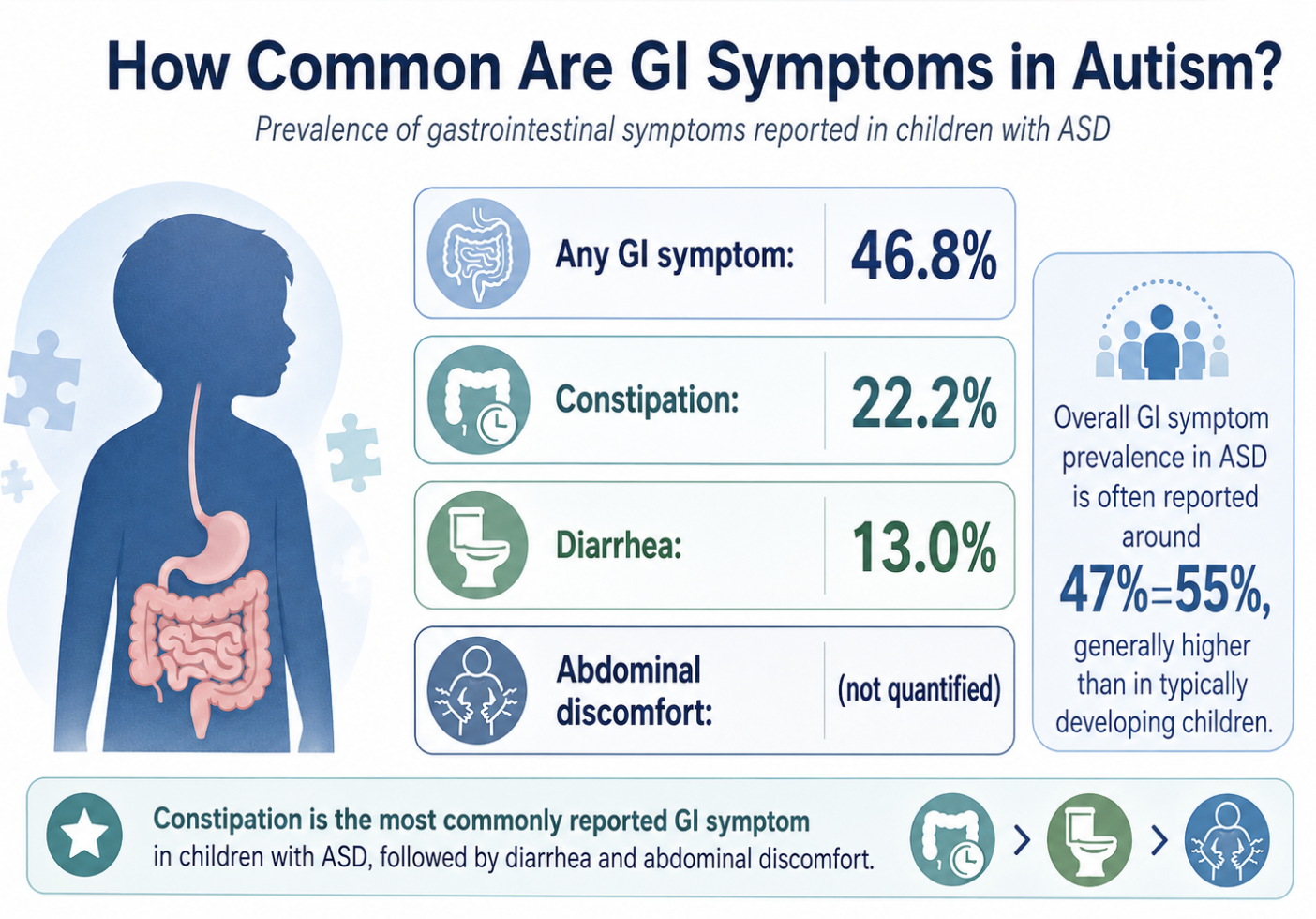
Figure 1: Prevalence of Gastrointestinal Symptoms in Children with Autism Spectrum Disorder
Why GI Symptoms Matter Beyond Digestion
When a child can’t easily communicate that they’re in physical discomfort, that discomfort often shows up as behavior instead. Parents and clinicians frequently report associations between GI symptoms and irritability, sleep disruption, self-stimulatory behavior, social withdrawal, and even language regression in some children. This doesn’t mean every behavioral change has a GI cause but it means GI symptoms are worth ruling in or out before assuming a symptom is purely behavioral in origin.
This is where the concept of the gut-brain axis becomes clinically relevant, not just theoretical. The gut-brain axis describes the two-way communication between the digestive system, the immune system, the gut microbiome, and the nervous system. When the gut is inflamed or dysregulated, that signaling can influence mood, attention, and behavior and the reverse is also true, where stress and nervous system dysregulation can affect gut function.
Where UC-MSC Therapy Enters the Conversation
UC-MSC umbilical cord–derived mesenchymal stem cell therapy is being studied for its potential role in immune regulation and inflammatory signaling biological processes that overlap with what’s being investigated in the gut-brain axis research described above. The working rationale some researchers are exploring is that if GI-related inflammation is contributing to a child’s discomfort and, indirectly, their behavioral regulation, therapies that help modulate that inflammatory signaling may be relevant to study in this specific subgroup of children.
It’s important to be precise about what this does and doesn’t mean. UC-MSC stem cell therapy is not a treatment for constipation or diarrhea directly, and it does not replace a proper gastrointestinal work-up. A child with chronic GI symptoms should be evaluated by a pediatrician or pediatric gastroenterologist first for causes like food intolerances, allergies, motility issues, or infection regardless of whether stem cell therapy is being considered at all.
What a Responsible Approach Looks Like
For families whose child has documented GI symptoms alongside an autism diagnosis, a reasonable order of operations looks something like this:
Proper GI evaluation first. Rule out or identify treatable causes food intolerance, reflux, motility issues, infection, or nutritional deficiencies through a pediatric or GI specialist.
Address what’s found directly. Dietary changes, medication, or other targeted GI treatment based on the actual diagnosis, not a general assumption.
Consider the broader picture. If GI symptoms persist alongside signs of systemic inflammation or immune involvement, this is the context in which some families and physicians discuss UC-MSC stem cell therapy as a supportive option not as a first-line GI treatment, but as part of a broader plan.
Track comfort, not just behavior. Improvements in sleep, appetite, and general comfort are meaningful outcomes on their own, separate from any change in core autism symptoms.
Realistic Expectations
Improving a child’s physical comfort can be valuable in its own right better sleep, easier meals, fewer flare-ups of irritability tied to GI discomfort. These are legitimate goals, even if they don’t change a child’s core diagnostic profile. What UC-MSC stem cell therapy is not shown to do is directly resolve GI symptoms as a primary treatment, and it should not be presented that way. It remains an investigational, supportive approach, best considered within a broader plan that starts with proper GI diagnosis and care.
For a broader explanation of how UC-MSC stem cell therapy works and what it’s being studied for in autism more generally, see UC-MSC Stem Cell Therapy for Autism in Thailand: A Guide for Parents. For common questions about candidacy and what to expect, see our parent FAQ.
References
Holingue, C., Newill, C., Lee, L. C., Pasricha, P. J., & Daniele Fallin, M. (2018). Gastrointestinal symptoms in autism spectrum disorder: A review of the literature on ascertainment and prevalence. Autism Research, 11(1), 24–36.
Systematic review and meta-analysis on global prevalence of gastrointestinal symptoms in autism spectrum disorder — reporting a pooled GI symptom prevalence of approximately 48.7% among individuals with ASD. (Full citation to be confirmed before publishing.)
This article is for educational purposes and does not constitute medical advice. Any gastrointestinal symptoms in a child should be evaluated by a qualified pediatrician or pediatric gastroenterologist. UC-MSC stem cell therapy for autism is investigational and is not a treatment for gastrointestinal conditions.