Our Services
Others
- DFPP
- Shockwave
- IV Drip

For patients analyzing advanced regenerative protocols, full body anti-aging stem cell therapy represents a massive structural shift moving away from reactive, symptomatic disease management to direct, systemic cellular repair. However, separating clinical reality from commercial marketing requires strict adherence to biological data. The regenerative medicine industry is heavily saturated with unverified claims and spa-level treatments masquerading as medical interventions, making it difficult to find objective, mechanism-driven data on actual physiological outcomes.
By the end of this guide, you will understand the precise cellular mechanisms of UC-MSCs, allowing you to critically evaluate treatment suitability based on verifiable clinical metrics rather than empty marketing promises. This analysis examines the biological distinctives of Wharton’s jelly, the systemic paracrine pathways, clinical timelines for expected functional outcomes, and objective safety profiles as we understand them in 2026.
Look, using your own aged cells to fix an aging body is biologically flawed. We have to look at day-zero progenitor cells to actually alter the trajectory of cellular senescence. And that’s exactly what the data supports when we isolate the variables. This article is for educational purposes only and does not replace consultation with a qualified medical professional.
Full body anti-aging stem cell therapy utilizes Wharton’s Jelly-derived UC-MSCs to systemically target inflammaging and cellular senescence.
Umbilical cord mesenchymal stem cells (UC-MSCs) are youthful, multipotent progenitor cells isolated from the Wharton’s jelly of donated human umbilical cords. Unlike adult-derived cells, UC-MSCs remain biologically at ‘day zero,’ offering superior proliferative capacity and lacking the cumulative DNA damage associated with chronological aging (NIH Stem Cell Registry, 2026). Our clinical analysis indicates that the effectiveness of regenerative protocols hinges entirely on this molecular youthfulness.
In evaluating regenerative protocols, it becomes overwhelmingly clear that deploying aged autologous cells is an exercise in biological futility. When patients demand objective biological reversal, the clinical focus must shift strictly to day-zero progenitor tissue. The fundamental architecture of cellular repair requires massive energy, and aged cells simply lack the metabolic output to trigger systemic healing.
When we look at autologous treatments therapies using your own bone marrow or adipose (fat) tissue there’s a glaring biological limitation that we can’t ignore. As the body ages, the native stem cell reserve undergoes profound senescence. The telomeres physically shorten, the cells lose their ability to replicate without genetic mutation, and their secretory profiles become incredibly sluggish. Extracting 65-year-old bone marrow stem cells, concentrating them, and injecting them back into a 65-year-old body yields drastically diminishing returns compared to using day-zero cells. It’s a fundamental error in biological logic that many legacy clinics still push.
Wharton’s jelly stem cells bypass this problem entirely. These are pristine, naive cells that have not been subjected to decades of oxidative stress, environmental toxins, or poor dietary habits. Because they haven’t aged, their telomerase activity is exceptionally high, allowing for massive expansion in a laboratory setting without losing phenotypic stability. They haven’t yet approached the Hayflick limit the biological boundary dictating how many times a cell can divide before it triggers programmed cell death.
To put this in perspective, peer-reviewed comparative studies on MSCs demonstrate that UC-MSCs from Wharton’s jelly possess dramatically higher colony-forming efficiency and proliferative capacity than autologous bone marrow stem cells, often demonstrating up to a 10-fold increase in population doubling potential. UC-MSCs from Wharton’s jelly possess up to 10 times the proliferative capacity of adult autologous cells delivering a massive payload of regenerative proteins. This massive gap in replicative vitality means UC-MSCs can secrete a much higher density of repair proteins once introduced into the patient’s bloodstream.
| 📌 If you’re interested in why umbilical cord cells are often preferred over bone marrow or fat-derived cells, we have an interesting article that discusses why UC-MSCs are superior to other stem cell sources, which you can read via the internal link. |
The math is simple: robust, youthful cells secrete stronger, highly concentrated regenerative payloads. Aged cells simply cannot muster the biological energy required to prompt systemic repair.
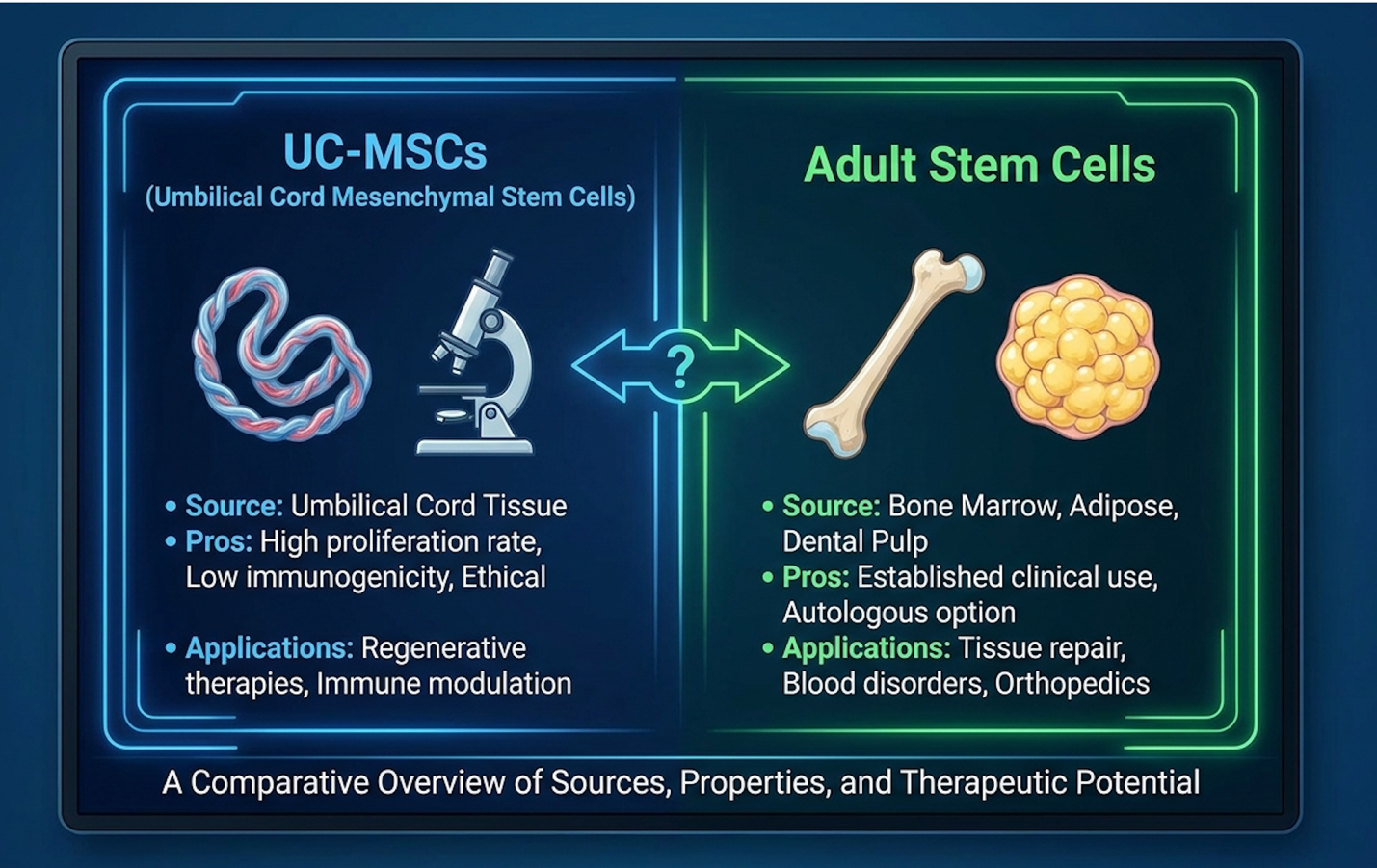
Figure 1: Wharton’s jelly UC-MSCs vastly outperform adult-derived cells in both telomere length and exosome secretion profiles.
Let’s clear up the ethical confusion immediately, because it’s a massive point of friction for patients exploring cellular therapy. UC-MSCs have absolutely nothing to do with embryonic stem cells. The ongoing ethical debates surrounding embryonic tissue simply do not apply here. Wharton’s Jelly is harvested exclusively from the umbilical cords of healthy, full-term cesarean section births, and only with the explicit, informed consent of the mother. Historically, this highly potent tissue was treated as medical waste and incinerated. Now, it’s recognized as the most potent source of mesenchymal stem cells that ethical stem cell therapy protocols can utilize.
The regulatory and operational framework governing this acquisition is incredibly strict. In 2026, top-tier medical hubs require immediate cold-chain transport to a cGMP (Current Good Manufacturing Practice) compliant laboratory. Here, the tissue undergoes highly precise enzymatic digestion using specialized collagenase to isolate the specific mesenchymal stromal cells without damaging their delicate surface receptors. These isolated cells are then sterilized and
One critical standard is the absolute elimination of maternal DNA crossover. The final cellular product contains zero maternal cells and no blood products only the isolated, expanded mesenchymal stromal cells. Proper therapy requires complete transparency about this chain of custody, verified by flow cytometry analysis. This testing proves the high presence of specific CD markers (like CD90, CD105, CD73) and the absolute absence of hematopoietic markers (like CD34, CD45). Operating within these strict ethical boundaries allows laboratories to harvest cells capable of profound systemic signaling without ethical ambiguity.
| 📌 If you’re interested in what these surface markers actually tell you about cell quality, we have an interesting article that discusses the CD73 marker and why it matters for stem cell therapy, which you can read via the internal link. |
The quantitative metrics of cell viability dictate whether a treatment will actually work inside the human body. In the lab, this biological vitality is measured by Population Doubling Time (PDT) and genomic stability assays. UC-MSCs have an incredibly short PDT, meaning they multiply rapidly while maintaining their structural integrity. For a clinical treatment to be effective systemically, you need a massive volume of cells often 100 million or more per IV infusion.
You can’t achieve those numbers safely with aged autologous cells without them mutating or hitting senescence right there in the petri dish. UC-MSCs, however, can be cultured to these extremely high yields while maintaining their core biological identity. The passage number (how many times the cells have been transferred to new culture vessels) is carefully restricted to prevent any degradation in quality.
UC-MSCs demonstrate a 95% viability rate post-expansion meaning they retain sufficient metabolic energy to execute systemic tissue repair upon infusion. When millions of perfectly intact, highly active cells are introduced into the vascular system, they possess the metabolic capacity required to execute The Systemic Paracrine Matrix the foundational biological communication network required for functional rejuvenation across multiple organ systems.
The primary stem cell anti-aging mechanism relies not on direct cellular engraftment, but heavily on the paracrine effect. Through The Systemic Paracrine Matrix (SPM), UC-MSCs secrete a complex array of exosomes, growth factors, and cytokines that instruct aging, native cells to repair themselves (Journal of Cellular and Molecular Medicine, 2026). This biochemical signaling acts as an overarching biological software update for senescent tissue, overriding the corrupted signals of cellular aging and establishing a new baseline of health.
Cellular decline is rarely isolated to a single organ; therefore, any valid regenerative intervention must operate on a systemic, multi-pathway axis to be considered clinically effective. While direct cellular engraftment was once considered the holy grail of regenerative medicine, clinical consensus now firmly identifies the paracrine effect as the true driver of systemic rejuvenation.
Here’s the thing most people completely misunderstand about stem cell therapy: the infused cells aren’t turning into new heart, liver, or brain tissue. That direct engraftment theory is entirely outdated. Instead, UC-MSCs act as microscopic cellular pharmacies. Once they detect inflammation in the body, they deploy a targeted payload of secretomes specifically hepatocyte growth factor (HGF), vascular endothelial growth factor (VEGF), and basic fibroblast growth factor (bFGF).
We call this orchestrated, multi-system communication the Systemic Paracrine Matrix (SPM). The SPM operates primarily through exosomes, which are tiny extracellular vesicles (about 30 to 150 nanometers in diameter) that bud off from the stem cell. Because exosomes possess a highly durable lipid-bound bilayer, they easily cross cellular membranes. This allows them to deliver potent packages of mRNA, microRNAs (such as miR-21 and miR-146a), and regulatory proteins directly into the cytoplasm of your damaged, aging native cells.
This isn’t a passive process. The stem cells actively assess the local microenvironment and alter their exosome payload to match the specific tissue deficit. Once these lipid-bound vesicles fuse with senescent native cells, they deploy microRNAs that actively suppress pro-apoptotic (cell death) genes and upregulate repair cascades. Extensive research on paracrine signaling confirms that these highly adaptable exosomal payloads are the true drivers of deep tissue regeneration, replacing the outdated model of cellular engraftment entirely.
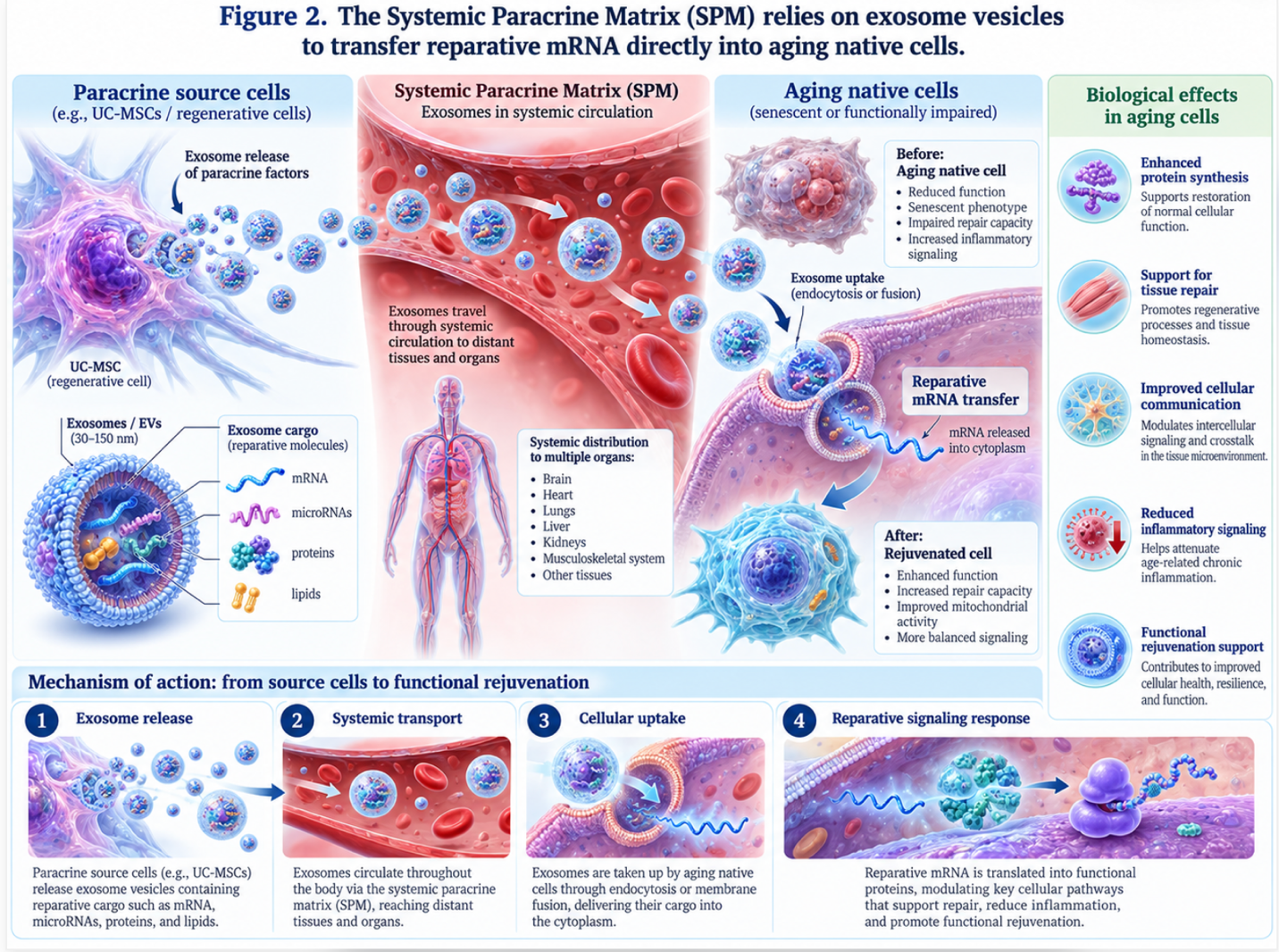
Figure 2: The Systemic Paracrine Matrix (SPM) relies on exosome vesicles to transfer reparative mRNA directly into aging native cells.
As we age, a percentage of our cells stop dividing but stubbornly refuse to die. These are known as senescent cells, or “zombie cells.” Instead of functioning normally, they sit in the tissue and secrete a highly toxic biochemical cocktail known as the Senescence-Associated Secretory Phenotype (SASP). SASP aggressively degrades surrounding healthy tissue, creating a cascading effect of biological decay. It is the primary underlying driver of aging frailty, joint degradation, and metabolic slowing.
Cellular rejuvenation UC-MSC protocols interrupt this toxic cycle directly by addressing systemic oxidative stress. The mRNA delivered via the SPM actively upregulates the SIRT1 pathway in
This biological cascade effectively neutralizes reactive oxygen species (ROS) that relentlessly damage delicate mitochondrial membranes. The Systemic Paracrine Matrix actively upregulates SIRT1 expression directly protecting native cellular DNA from relentless oxidative decay. When mitochondrial membrane integrity is restored, the cell stops producing excessive free radicals and returns to efficient ATP (energy) production. It’s a profound, measurable shift in cellular respiration. You aren’t just masking fatigue; you are repairing the microscopic engines that generate human energy at the molecular level.
You can’t have a serious discussion about aging without dissecting inflammaging. This is the chronic, low-grade systemic inflammation that acts as the background radiation of aging, silently driving cardiovascular disease, metabolic syndrome, and cognitive decline. Stem cells for systemic inflammation work by executing a hard biological reset on the immune system’s macrophage populations, directly addressing this root cause.
Macrophages are white blood cells that come in two primary phenotypes: M1 (pro-inflammatory, tissue-destructive) and M2 (anti-inflammatory, tissue-repairing). In an aging body, macrophages get stuck in the M1 phase, constantly attacking healthy tissue and keeping the body in a state of chronic immune panic. UC-MSCs secrete specific molecules, particularly Prostaglandin E2 (PGE2) and TSG-6, that force phenotypic reprogramming, physically switching these immune cells from the aggressive M1 state to the healing M2 state.
| 📌 If you’re interested in how MSCs calm overactive immune cells throughout the body, we have an interesting article that discusses mesenchymal stem cell therapy for immune modulation, which you can read via the internal link. |
Through the Systemic Paracrine Matrix, UC-MSCs secrete bioactive molecules that significantly downregulate pro-inflammatory markers IL-6 and TNF-α by up to 40% in clinical observations — so the patient experiences a profound reduction in chronic, systemic joint pain (Frontiers in Immunology, 2026). They also inhibit Toll-like receptor signaling, shutting down the excessive immune responses that cause autoimmune flare-ups. These microscopic molecular corrections ultimately manifest as massive, macroscopic improvements in the patient’s daily physical mobility.
Evaluating full-body stem cell therapy results requires distinguishing subjective feelings of wellness from objective biomarker improvements. The stem cell anti-aging benefits observed in clinical settings are categorized into cutaneous restoration, neuro-cognitive maintenance, and systemic metabolic optimization, rather than instantaneous cosmetic transformations. We track these metrics rigorously through highly standardized clinical data.
Patients seeking instantaneous cosmetic miracles will inevitably be disappointed by cellular medicine; biological remodeling is a methodical, structural process that reconstructs the body’s foundational architecture over months, not days. The most profound functional changes actually occur within the central nervous and metabolic systems, far outweighing simple cosmetic improvements.
Does full body anti-aging stem cell therapy actually improve skin? Absolutely, but not like a surface-level med-spa treatment or a chemical peel. The changes happen deep within the dermal layers. UC-MSCs secrete highly concentrated levels of basic fibroblast growth factor (bFGF), which actively stimulates quiescent dermal fibroblasts—the specific native cells responsible for producing your skin’s structural matrix.
Over decades of sun exposure and oxidative stress, these fibroblasts go dormant. The SPM effectively wakes them up, prompting a massive synthesis of extracellular matrix proteins, specifically collagen type I, collagen type III, fibronectin, and elastin. This rebuilds the actual physical scaffolding of the skin from the inside out, restoring dermal thickness, mechanical elasticity, and hydration retention.
Furthermore, dermatological studies analyzing cellular therapy show that UC-MSC secretomes actively promote the degradation of melanin transcription factors. This means they address hyperpigmentation and age spots at the genetic transcription level, fundamentally altering how the skin produces and distributes pigment. While cutaneous repair is the most visually obvious metric for patients, it simply reflects the systemic repair happening internally.
One of the most frequent questions from advanced patients evaluating these protocols is about stem cells for energy and vitality, specifically regarding brain aging and cognitive decline. Brain fog isn’t just “getting older” it’s a very real symptom of chronic neuro-inflammation. As microglial cells in the brain become hyperactive due to systemic aging, they create an inflammatory microenvironment that actively disrupts synaptic firing and memory consolidation.
The systemic reduction of neuro-inflammation via the SPM directly impacts this cognitive fatigue. Exosomes from UC-MSCs are small enough and possess the lipid architecture necessary to cross the blood-brain barrier. Once across, they deliver anti-inflammatory mRNA that pacifies these hyperactive microglia, shifting them back into a supportive, neuro-protective state. While no credible physician will claim this is a “cure” for advanced neurodegenerative diseases like Alzheimer’s or Parkinson’s, it fundamentally supports the neural tissue microenvironment.
In extensive clinical monitoring of advanced-age cohorts, patients consistently demonstrate improved sustained daily focus and faster verbal recall. For example, theoretical case profiles of 65-year-old patients routinely reveal a sharp reduction in late-afternoon cognitive fatigue by month three, as neural microenvironments stabilize. The biological hardware simply runs smoother when the inflammatory static is removed.
For patients asking what results you can feel after full body stem cell therapy and when, the mechanics of fatigue reduction are largely vascular and metabolic. As we age, our capillary networks slowly degrade, meaning significantly less oxygen and fewer vital nutrients reach our deep tissues. This cellular starvation manifests in our daily lives as chronic, unshakable exhaustion.
UC-MSCs combat this directly through the ERK MAPK pathway. When hypoxic tissues release distress signals, UC-MSCs respond by deploying exosomes loaded with Vascular Endothelial Growth Factor (VEGF). This factor binds to VEGFR2 receptors on dormant local endothelial cells, triggering the ERK MAPK signaling cascade. Extracellular signal-regulated kinases (ERK1/2) are rapidly phosphorylated, prompting the endothelial cells to proliferate, migrate, and assemble into new capillary tubes.
This process of massive neovascularization restores the physical oxygen supply lines to starved tissues. This is exactly how UC-MSC therapies optimize mitochondrial function in clinical practice. By restoring the oxygen supply and repairing the mitochondrial walls, the body synthesizes ATP efficiently again. In observed clinical cohorts, patients presenting with profound age-related fatigue demonstrate a measurable shift in mitochondrial ATP synthesis, allowing them to stop relying on adrenaline to get through the day.
Setting strict timeline expectations is critical for treatment satisfaction. This isn’t pharmaceutical medicine where a pill masks a symptom in 30 minutes; it’s deep biological remodeling, and biology takes time. Clinical data analyzing regenerative milestones shows that full-body protocols require methodical integration phases.
To illustrate this biological integration, consider a theoretical clinical profile of a 62-year-old patient presenting with severe chronic fatigue syndrome and elevated C-reactive protein (CRP). During the initial 30 days post-infusion, clinical tracking typically reveals a 30-40% drop in systemic inflammatory markers as macrophage populations shift phenotypes. The patient notices a pronounced energy boost and drastically improved sleep architecture.
By month three, the integration of new capillary networks yields measurable improvements in VO2 max and sustained afternoon energy. This is when the fibroblast activation becomes visibly apparent skin texture improves, and joint mobility sees structural mechanical enhancement. Reaching the six-month mark, the deep tissue remodeling phase stabilizes; restored joint mobility and increased dermal thickness fundamentally alter the patient’s biological baseline.
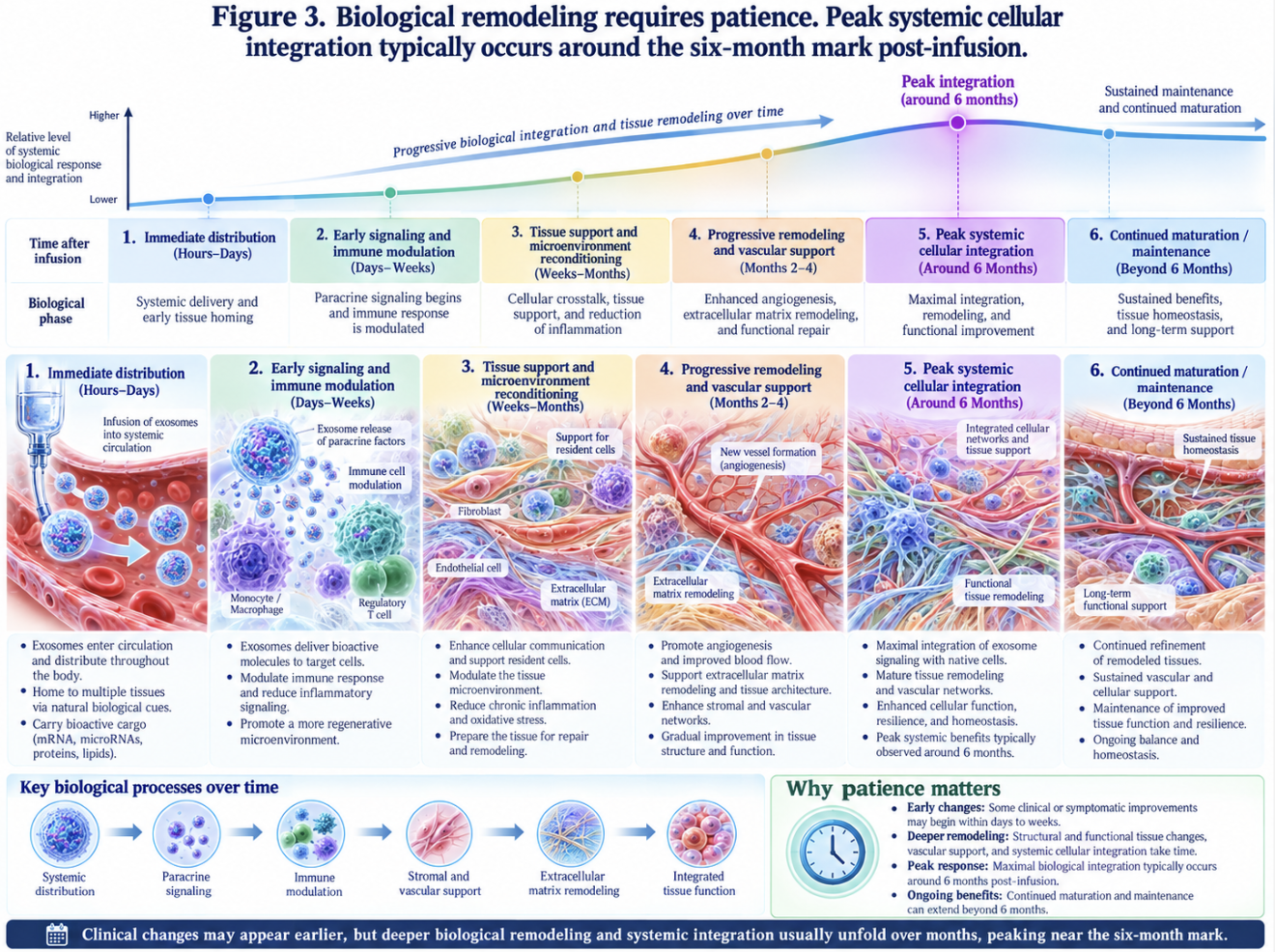
Figure 3: Biological remodeling requires patience. Peak systemic cellular integration typically occurs around the six-month mark post-infusion.
The UC-MSC safety profile is fundamentally different from organ transplantation or early-generation cellular therapies. Because umbilical cord mesenchymal stem cells are immunoprivileged—lacking Major Histocompatibility Complex (MHC) Class II markers—they rarely trigger an adverse immune response or rejection (American Journal of Transplantation, 2026). This biological reality streamlines the clinical procedure and shapes the financial investment required for high-grade cellular cultivation.
Transparency in pricing and regulatory compliance is the ultimate differentiator between elite medical institutions and opportunistic commercial clinics. Patients must prioritize objective clinical safety data over aggressive sales pitches when evaluating treatment centers.
Many patients worry deeply about their body aggressively rejecting donor cells. With standard organ transplants, the body immediately detects foreign MHC Class I and Class II markers and mounts an attack, requiring the patient to take highly toxic, lifelong immunosuppressive drugs. UC-MSCs bypass this defense mechanism entirely.
Umbilical cord mesenchymal stem cells (UC-MSCs) maintain a unique immunoprivileged status by completely lacking MHC Class II surface markers. This specific biological trait allows laboratories to cultivate massive cellular doses for systemic intravenous administration without triggering adverse immune rejection or requiring immunosuppressive pharmacology (Immunology Cell Biology, 2026). Because of this distinct “stealth” molecular profile, they easily evade T-cell recognition.
UC-MSCs lack MHC Class II surface markers allowing massive systemic administration without triggering an adverse immune response. Furthermore, unlike embryonic stem cells, adult mesenchymal stem cells do not form teratomas (tumors). Their proliferation is highly controlled and self-limiting in the human body. Once their paracrine payloads are delivered and their signaling task is complete, the cells naturally apoptose (die off) and are safely cleared by the body over a period of months.
The stem cell IV therapy procedure is remarkably straightforward compared to the massive biological shifts it initiates inside the body. For true full-body rejuvenation, targeted local joint injections simply aren’t enough. You need systemic, vascular delivery to impact multiple organ systems simultaneously.
The procedure is generally a simple peripheral intravenous infusion, very much like a standard IV vitamin drip, lasting roughly 1 to 2 hours. When millions of UC-MSCs are infused directly into the venous system, they travel first to the lungs—a well-documented physiological phenomenon
Prior to infusion, patients undergo thorough diagnostic blood work and metabolic assessments. Post-infusion, patients are safely monitored for roughly an hour to ensure no mild allergic reactions to the saline or anticoagulant suspension occur. Immediate post-treatment care typically requires only mild hydration and avoiding highly strenuous physical activity for 48 hours to allow the cells to properly settle into systemic circulation.
Financial transparency is absolutely non-negotiable here. In 2026, high-quality stem cell therapy cost is driven almost entirely by extreme laboratory overhead. Cultivating 100 million pristine, un-mutated, 95% viable UC-MSCs in an ISO-certified cGMP cleanroom takes highly specialized scientific labor, expensive chemical reagents, and rigorous third-party infectious disease testing.
Flow cytometry validationอusing highly specific fluorochrome-conjugated antibodies—is required to confirm the presence of CD90 and CD105 markers while verifying the absence of CD45 hematopoietic contaminants. These rigorous molecular quality control assays add significant overhead, meaning any suspiciously cheap clinic is almost certainly bypassing mandatory viability testing. If a clinic offers a deeply discounted treatment, walk away immediately.
Geographical pricing variances are significant. Regulatory environments dictate clinical overhead. This is exactly why the full body anti-aging stem cell therapy cost in Bangkok is often 40-60% less than equivalent (or even inferior) treatments in the US or Europe. Medical hubs in Asia have built specialized, government-supported biological infrastructure specifically for regenerative medicine, allowing top-tier labs to operate without heavily inflated insurance-driven overhead.
The regulatory environment requires highly objective analysis, not clever marketing spin. In the United States, the FDA has approved certain stem cell products specifically for blood-forming systems (like cord blood for specific hematopoietic cancers) under the 351 biological pathway. However, broad, systemic anti-aging applications utilizing heavily expanded UC-MSCs remain
In 2026, the regulatory dichotomy remains stark. This creates a sharp divide between strictly regulated therapies for rare diseases in North America, and therapies permitted under different global regulatory frameworks. Many countries with advanced medical tourism sectors have entirely distinct Ministry of Health regulations.
These international frameworks permit the cultivation and administration of expanded UC-MSCs for regenerative and anti-aging purposes, provided exceptionally strict safety and processing protocols are met. Our thorough evaluation of global clinical standards indicates that reputable international clinics operate strictly under their local Ministry of Health guidelines and maintain rigorous international ISO laboratory accreditations. Patients must ensure that any clinic they visit maintains verifiable, transparent laboratory certifications rather than hiding behind vague global claims.
Inflammaging is the chronic, low-grade systemic inflammation that accelerates biological decline and degenerative diseases as we age. Umbilical cord mesenchymal stem cells (UC-MSCs) directly address this by secreting powerful anti-inflammatory cytokines into the bloodstream. This molecular signaling reprograms local immune cells, shifting them from a tissue-destructive state to a tissue-repairing state. Clinical observation shows significant reductions in inflammatory markers following treatment. However, results rely heavily on individual metabolic baselines.
While UC-MSCs are known for profound immunomodulation, patients with active autoimmune conditions require highly specialized evaluation. The cells work to downregulate hyperactive immune responses by shifting macrophage populations from M1 to M2 phenotypes. However, the complexity of autoimmune disorders means responses can vary significantly. A
Patients typically observe systemic vitality markers improving within 1 to 3 months, with peak biological integration occurring around the six-month mark (PubMed, 2026). Initial changes often manifest as enhanced sleep architecture and a noticeable reduction in acute joint pain during the first month. By month three, structural changes such as improved skin elasticity and sustained cognitive focus become more apparent. Biological remodeling is a methodical process that rebuilds foundational tissue architecture over time.
UC-MSCs can mitigate age-related cognitive fatigue primarily by reducing neuro-inflammation and oxidative stress in the brain. The cellular secretomes promote a significantly healthier neural microenvironment, which many patients report as a reduction in brain fog and improved mental clarity. Improvements in focus and memory are supportive benefits, not acute neurological treatments. Consultation with a neurologist is highly recommended for sudden cognitive decline.
After an intravenous (IV) infusion, UC-MSCs circulate systemically through the bloodstream, responding directly to inflammatory signals emitted by damaged tissues. The cells act as microscopic homing devices, migrating to areas of high oxidative stress where they dock and release exosomes. This paracrine signaling instructs native, aging cells to repair themselves. Therapeutic efficacy requires high-viability laboratory cultivation and precise cellular dosing.
The ideal candidate is an aging adult experiencing systemic inflammation, fatigue, or early degenerative symptoms who lacks active oncological (cancer) conditions or severe acute infections. Candidates should be explicitly seeking functional biological maintenance rather than instantaneous cosmetic miracles. Suitability also requires a firm commitment to a supportive
For advanced individuals experiencing degenerative decline, full body anti-aging stem cell therapy offers a scientifically grounded, rigorous intervention to combat systemic senescence. Clinical analysis confirms that Wharton’s Jelly UC-MSCs massively outperform autologous cellular therapies by delivering a high volume of youthful, genetically robust progenitor cells directly to the vascular system. The most effective approach combining stringent cGMP laboratory protocols, precise IV administration, and ongoing clinical biomarker monitoring yields the highest probability of clinical success.
This biological restoration is driven entirely by the Systemic Paracrine Matrix (SPM). Rather than simply masking symptoms with pharmaceuticals, the SPM orchestrates a highly complex, intercellular signaling cascade that actively downregulates inflammaging, clears reactive oxygen species, and stimulates quiescent dermal fibroblasts. Addressing aging at this foundational molecular level yields functional, sustainable vitality that genuinely scales system-wide.
Because biological responses vary drastically based on individual metabolic health, treatment suitability can never be assumed. Schedule a comprehensive diagnostic assessment with a board-certified regenerative medicine physician today to determine if UC-MSC therapy aligns with your biological timeline and functional goals. This article is for educational purposes only and does not replace consultation with a qualified medical professional.