Our Services
Others
- DFPP
- Shockwave
- IV Drip

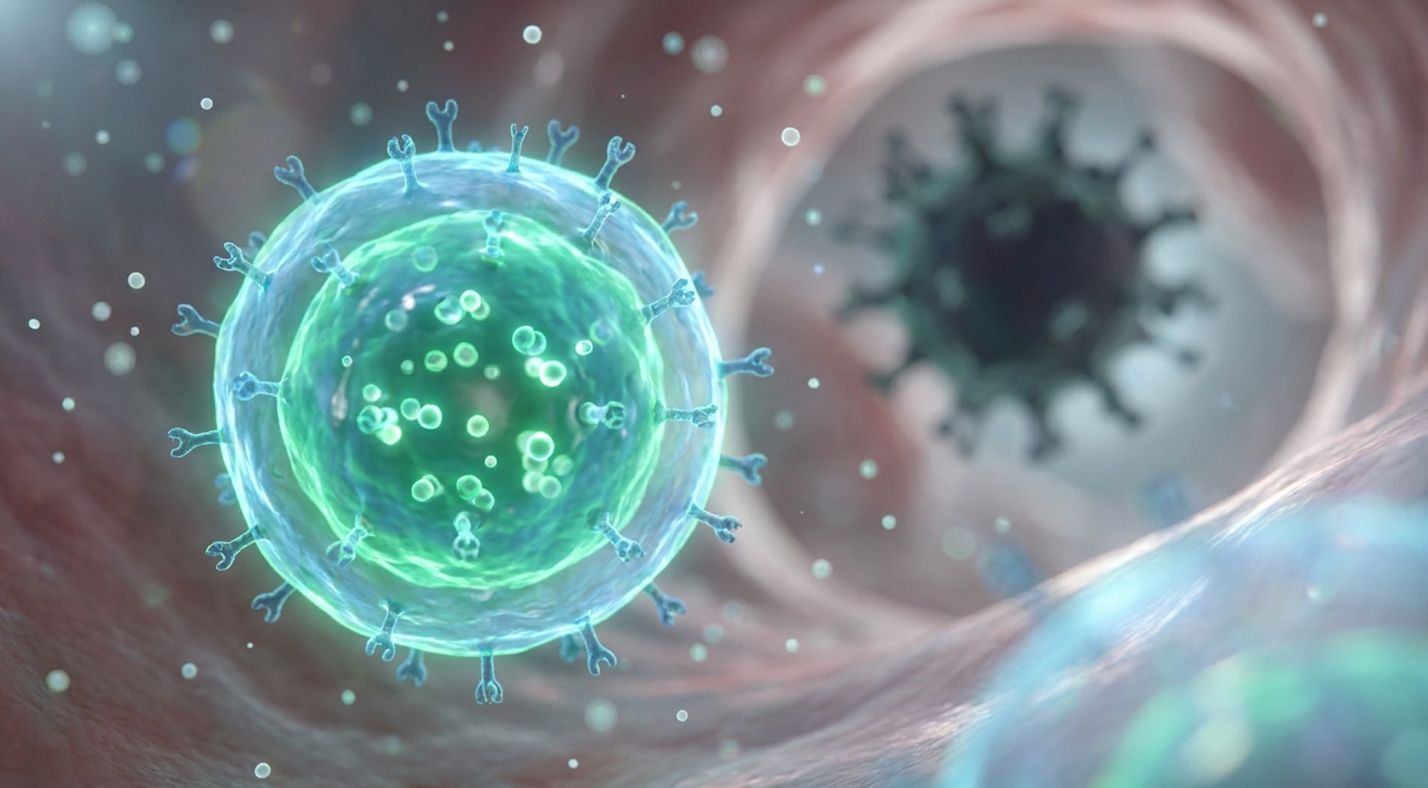
Every second of the day, your body is quietly scanning for microscopic threats, relying on specialized defenders to neutralize them before you ever feel a symptom. If you are trying to understand what an NK cell actually does, you aren’t alone. When these biological defenses weaken due to stress, aging, or illness, your risk for severe viral infections and cellular mutations increases dramatically.
By the end of this guide, you’ll understand exactly what an NK cell is, how it protects your baseline health, and what modern medical science actually says about supporting your immune system. We will cover the biological fundamentals of innate immunity, how these specific cells compare to other white blood cells, and the clinical reality behind emerging cellular therapies.
If you are wondering what is an NK cell, it is a specialized white blood cell acting as your immune system’s first responder, destroying infected or mutated cells without needing prior exposure.
A Natural Killer (NK) cell is a specialized white blood cell that acts as the primary first responder of the innate immune system. Unlike other immune cells that require prior exposure to a disease, NK cells naturally identify and destroy virally infected or mutated cells immediately (NIH, 2014). This rapid response makes them biologically critical for controlling infections early.
When researchers talk about the natural killer cells definition, they are referring to a specific category of white blood cells called large granular lymphocytes. Think of your innate immune system as the body’s emergency patrol. These cells wander your bloodstream constantly checking the “identification badges” of the tissues they encounter.
And this is where they get their unique name. Most immune cells need to be trained. If you get a vaccine, your adaptive immune system learns what a specific virus looks like, builds custom antibodies, and remembers it for next time. NK cells don’t care about memory. They don’t wait for a vaccine or prior exposure.
They simply look at a cell and ask: Are you healthy, or are you corrupted?
To do this, they rely on a sophisticated biological balancing act between activating and inhibitory receptors on their surface. Healthy cells display a protein complex known as MHC-I, which acts as a biological “Do Not Attack” sign. When NK cells see this, they peacefully move on. But when a healthy cell mutates into a cancer cell, or gets hijacked by a virus, its surface proteins change. That protective sign often disappears, triggering the NK cell to attack immediately.
Natural killer cells make up 5% to 15% of circulating lymphocytes acting as your body’s immediate frontline defense against emerging tumors and viral infections.
NIH research on innate immune defense confirms that NK cells act as effector lymphocytes of the innate immune system, naturally limiting the spread of tumors and microbial infections without prior sensitization (NCBI, 2014). They step in to hold the line during those critical first few days of an infection while the rest of your immune system figures out a long-term strategy. This buys your body precious time to mount a targeted, antibody-driven response.
Like almost all of your blood components, NK cells begin their life deep inside your bones. The bone marrow acts as a continuous biological factory, churning out multipotent hematopoietic stem cells that eventually differentiate into various types of white blood cells. This environment is rich with specialized growth factors, primarily Interleukin-15, which is absolutely mandatory for their survival and structural development.
Once an NK cell is born, it goes through a rapid and highly regulated maturation process. The Nature Immunology journal outlines the cellular origination and structural maturation pathways in the bone marrow (Nature, 2001). During this crucial phase, the nk cell structure forms—specifically, they develop tiny internal packets called granules. These granules contain the toxic chemical proteins they will later use to destroy microscopic threats.
But maturation isn’t a single event. As they mature, they acquire different surface markers that dictate how aggressive they will be in the field. After reaching maturity, they don’t stay sequestered. They enter your bloodstream and lymphatic system.
| 📌 If you’re curious how surface markers are used to identify and verify cells in the lab, we have an interesting article that discusses the CD73 marker and how important it is for stem cell therapy, which you can read via the internal link. |
A healthy adult maintains a steady circulation of these cells, typically making up about 5% to 15% of all lymphocytes in the blood. They patrol the spleen, the liver, the lymph nodes, and the general circulatory system. The liver and spleen act as massive staging grounds where large populations of these defenders wait on standby. They monitor the blood flow constantly, waiting for the chemical inflammatory signals that indicate something has gone wrong in the surrounding tissue.
To understand nk cell biology, you have to look at exactly how they execute their attacks. They follow a highly precise, 4-step framework known as The NK Target-and-Release Sequence. This sequence is what makes them so ruthlessly efficient at clearing out compromised tissues before diseases can spread.
First comes Scanning. As the NK cell patrols the body, it uses specialized receptors to bump into and scan surrounding cells. It looks for a specific protein marker called MHC-I (Major Histocompatibility Complex class I), which every healthy cell displays.
Second is Recognition. Viruses are sneaky. When a virus invades a cell, it often forces that cell to stop displaying its MHC-I marker to hide from other immune cells like T-cells. But the NK cell notices this “missing self” marker immediately. Without the inhibitory signal to stop it, the NK cell’s activating receptors trigger the attack sequence.
Third is Binding. Once the NK cell identifies a corrupted cell lacking the proper identification, it physically locks onto the target’s membrane. It forms what immunologists call an immunological synapse a tight microscopic seal between the killer cell and the target cell that ensures surrounding healthy tissues aren’t damaged by the crossfire.
Finally, Release. The NK cell dumps its granules containing lethal proteins called perforin and granzymes directly into the target. Perforin literally punches microscopic holes in the infected cell’s membrane. Then, granzymes rush through those holes and trigger apoptosis, forcing the sick cell to self-destruct entirely. The target cell implodes neatly, packaging up the viral particles inside so they can’t spread, and the NK cell detaches to go hunt its next target.
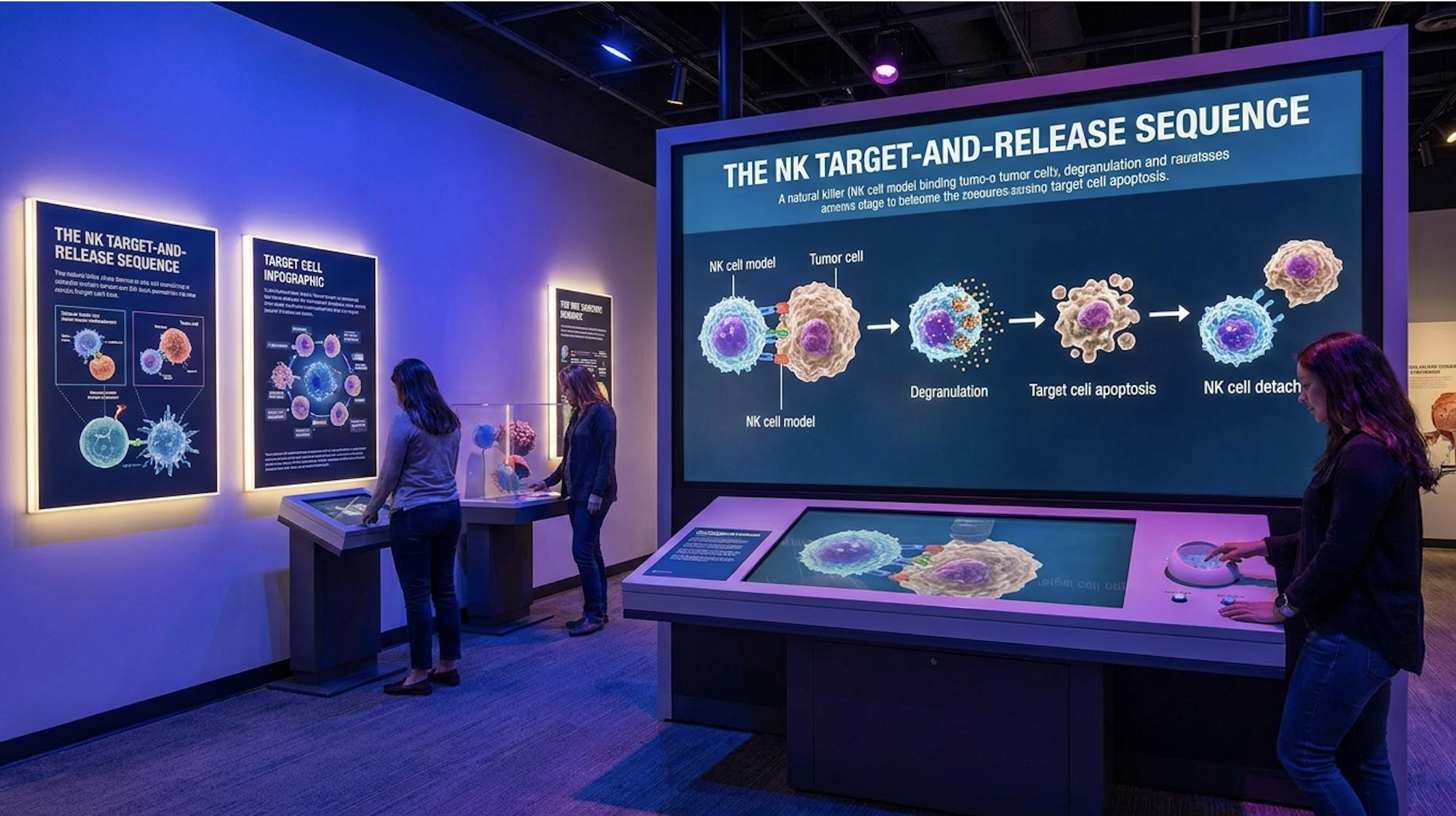
While this sequence highlights their core functionality, a deeper look into their precise role in overall immune defense reveals just how critical they are to daily survival.
To understand what do NK cells do in the body, you must look at their specific role as immediate biological neutralizers. They serve as the primary defense mechanism against intracellular pathogens, meaning they hunt down threats that hide inside your own cells.
Their natural killer cells function revolves entirely around cytolytic activity the ability to destroy cells. When a virus hijacks a healthy cell to replicate, or when cellular DNA mutates and begins forming early-stage tumors, NK cells are the first to arrive at the scene. Nature’s review on NK cell clinical development notes that NK cells possess potent cytolytic activity, making them a revolutionary baseline for modern cancer immunotherapy applications (Nature, 2020).
They don’t swallow the virus. Instead, they force the infected host cell to commit cellular suicide (apoptosis) before the virus can replicate and spread. This mechanism is especially vital against tricky intracellular pathogens, like Cytomegalovirus (CMV) and Herpes Simplex, which actively try to evade other immune responses.
NK cells execute cytolytic attacks within minutes of detection destroying immediate biological threats before long-term adaptive immunity has time to activate.
But they don’t just attack blindly. Nature’s article on how NK cells trigger apoptosis explains that NK cells utilize a complex integration of signals from inhibitory and activating receptors to determine precisely when to release perforin (Nature, 2001). This microscopic checks-and-balances system prevents them from accidentally destroying healthy tissue during systemic inflammation.
If you want a deeper look into how they execute this defense against specific viruses and tumors, see our full guide on how natural killer cells function in immune defense.
The primary difference between NK cells and other immune cells lies in how they recognize their targets. To grasp the NK cells immune system role, you have to separate your immune system into two main branches: innate immunity and adaptive immunity.
NK cells and macrophages belong to the innate immune system. They are fast, non-specific, and ready to attack at a moment’s notice. Conversely, T cells and B cells belong to the adaptive immune system.
| 📌 If you’re interested in how cellular therapy can help rebalance the immune system, we have an interesting article that discusses mesenchymal stem cell therapy for immune modulation, which you can read via the internal link. |
When looking at NK cells vs T cells, the core biological difference is sensitization. Research on differences between NK and T cells confirms that unlike T cells, which require prior sensitization to a specific antigen, NK cells immediately recognize and eliminate target cells (NCBI, 2018). T cells require days to learn a pathogen’s signature before attacking. NK cells just look for missing cellular ID badges and strike instantly.
T-cells require up to 10 days to sensitize to pathogens, whereas NK cells attack compromised tissue within hours providing a critical early survival window.
While T cells use specific antigens to build memory, natural killer cells rely entirely on germline-encoded receptors. They don’t need a past molecular blueprint to recognize danger. But NK cells are not macrophages, either. Macrophages literally eat dead cells and debris (phagocytosis). NK cells act purely as assassins, injecting toxic proteins to dissolve their targets from the outside. Another study on effector lymphocytes of the innate system emphasizes clarifying their position apart from adaptive B and T lymphocytes, as they lack the ability to produce targeted antibodies (NCBI, 2014).
For a complete breakdown of how these distinct immune responders interact, read our full comparison on the differences between NK cells and T cells.
Understanding your immune health often begins with looking at NK cell therapies and overall counts. Because these cells are your first line of defense, knowing what happens if NK cell count is low becomes incredibly important for patients dealing with chronic infections or cancer.
Low NK cell counts or normal counts with low activity levels leave the body highly vulnerable to rapidly spreading viral infections and unchecked tumor growth. This reality has pushed modern oncology to heavily research NK cell therapy for cancer treatment. Specifically, a 2022 NIH study on CAR-NK therapies states that CAR-NK cell therapies present a significantly lower risk of cytokine release syndrome (CRS) compared to traditional CAR-T cell treatments (NCBI, 2022).
Clinical trials show severe CRS incidence in CAR-NK therapies remains near 0% offering an exceptionally safer treatment profile compared to traditional immunotherapies.
But you don’t necessarily need a lab to influence these cells. If you are researching how to boost NK cells for cancer prevention organically, clinical data points heavily toward lifestyle. The internal biological environment dictates their proliferation. Harvard guidelines on nutrition and immune cells state that specific micronutrients, such as Zinc and Vitamin C, are biologically critical for supporting the rapid proliferation of natural killer cells (Harvard, 2020). Without these foundational building blocks, your marrow simply cannot sustain high production rates during an active infection.
To explore the clinical data separating experimental medical treatments from evidence-based lifestyle changes, check out our deep dive into NK cell therapy and natural health optimization.
Navigating the world of immunology as a patient is notoriously difficult. The internet is flooded with claims about how to increase NK cell activity naturally, but biological plausibility does not always equal proven clinical benefit. You have to look at the data objectively to avoid predatory wellness claims.
One of the biggest mistakes patients make is relying on unverified supplements while completely ignoring foundational biology. You cannot artificially “boost” an immune system that is fundamentally exhausted from severe lifestyle deficits.
Sleep is the ultimate regulator here. Published clinical data on sleep and NK cell function shows that even partial sleep deprivation measurably reduces natural killer cell activity and overall count (PubMed, 2001).
Partial sleep deprivation reduces natural killer cell activity by over 70% overnight proving that biological rest is entirely non-negotiable for innate immunity.
If you are sleeping five hours a night, no amount of vitamin C or specialized mushroom extracts will fix your suppressed innate immunity. The biological environment must be stabilized first before any secondary interventions can actually support your immune responders. Over-the-counter supplements simply cannot override severe physiological exhaustion.
When exploring advanced therapies, separating established oncology from experimental wellness clinics is critical. For example, some patients search for “NK cell immunotherapy Thailand” to find overseas regenerative clinics offering unproven cellular treatments for general anti-aging or chronic fatigue.
| 📌 If you’re considering cellular treatment in Thailand and want to know how to choose a safe clinic, we have an interesting article that discusses whether stem cell therapy is safe in Thailand, which you can read via the internal link. |
These commercial applications operate in a massive regulatory gray area. Chronic stress alone can tank your immune response; studies linking chronic stress to reduced NK cytotoxicity found that chronic psychological stress significantly suppresses natural killer cell cytotoxicity (PubMed, 2018). While clinical trials in tightly controlled hospital settings are showing incredible promise for using engineered NK cells to fight specific blood cancers, infusing raw cells in a resort-style clinic does not guarantee safety or efficacy for general wellness.
You shouldn’t try to self-manage a suspected immune deficiency based on internet research alone. Seek an evaluation from a board-certified immunologist or oncologist if you experience frequent, unusually severe viral infections, or if you are managing a cancer diagnosis and want to explore cellular therapy options.
A qualified clinician can run specific blood panels to measure not just how many NK cells you have, but how active they actually are. Discussing these options with a specialist empowers you to make medical decisions based on your individual lab results, rather than broad marketing claims.
In biology, NK stands for Natural Killer, referring to a specific type of white blood cell in the innate immune system. They earned this name because, unlike other immune cells, they naturally identify and destroy virally infected or mutated cells on contact without requiring prior “training.” This unique capability allows them to act as the body’s immediate first responders, though their overall effectiveness depends heavily on individual baseline health.
Natural killer cells are primarily produced in the bone marrow alongside other critical blood cells. After their initial formation, they undergo a complex maturation process before entering the bloodstream. This maturation is heavily dependent on specific growth factors like Interleukin-15. Once mature, they circulate continuously through the blood and lymphatic tissues, actively monitoring the body for abnormal cells. In a healthy adult, they typically make up about 5% to 15% of all circulating lymphocytes. However, production levels can fluctuate drastically based on age, chronic stress, and systemic health.
No, natural killer cells and macrophages are different types of immune cells, though both operate within the innate immune system. Macrophages primarily act as “garbage collectors” that engulf and digest cellular debris and microbes through phagocytosis. NK cells, conversely, attach to infected or mutated cells and inject toxic proteins to trigger cell death from the outside. While their methods differ entirely, they frequently communicate with each other to coordinate a stronger, unified immune response.
Yes, clinical evidence confirms that diet directly affects natural killer cell activity and overall immune function. Severe deficiencies in vital micronutrients particularly zinc, vitamin C, and selenium can impair the rapid proliferation of NK cells during an active immune response. A balanced diet rich in antioxidants supports the biological environment these cells need, whereas highly processed diets and chronic malnutrition measurably suppress your innate cellular defenses.
For anyone exploring how the immune system functions, understanding what an NK cell is reveals the power of innate biology. These specialized lymphocytes make up roughly 5% to 15% of circulating white blood cells and act as natural first responders against viral infections and cellular mutations (NCBI, 2014). The safest approach to optimizing these defenses combines evidence-based lifestyle factors like adequate sleep and nutrition rather than relying on unproven commercial supplements.
Understanding The NK Target-and-Release Sequence how these cells actively scan, recognize, bind, and destroy threats gives patients a clearer view of their own biology. When you know how your immune system is supposed to work without prior sensitization, evaluating modern cellular therapies and identifying exaggerated wellness claims becomes much easier.
Before pursuing any experimental immune therapies or aggressive supplement regimens, we recommend taking a critical next step: request a formal immunological assessment from a board-certified specialist. A qualified clinician can evaluate your baseline NK cell activity and help you build a safe, evidence-informed protocol tailored specifically to your biological needs.