Our Services
Others
- DFPP
- Shockwave
- IV Drip

Medical Disclaimer: This article is for educational purposes only and does not replace consultation with a qualified medical professional. Always consult a board-certified dermatologist before beginning any clinical hair restoration protocol.
You have researched minoxidil, considered finasteride, and are now carefully evaluating regenerative medicine. But the marketing surrounding stem cell therapy for hair growth is plagued by exaggerated claims, hidden costs, and severe scientific inaccuracies. Clinics frequently promise guaranteed cures or claim that injected cells magically turn into new hair follicles overnight. These statements are completely unsupported by current human clinical trials. Making medical or financial decisions based on this flawed, commercialized data risks thousands of dollars and wastes vital treatment time that you cannot get back once the follicle dies.
By the end of this comprehensive clinical guide, you will understand exactly how growth factors biologically reactivate dormant follicles. This will allow you to assess clinical efficacy objectively against standard FDA-approved treatments without falling for med-spa sales tactics. We will dismantle the underlying cellular mechanisms and objectively compare long-term efficacy data against minoxidil.
We will also map out the realistic 6-month results timeline alongside the true regulatory safety profile. Navigating the world of regenerative aesthetics requires a baseline of hard, scientific truth. Armed with this evidence-based knowledge, you can confidently determine whether your specific pattern of thinning is actually a viable candidate for advanced cellular intervention in 2026.
Stem cell therapy for hair growth utilizes paracrine signaling not direct cell transformation to stimulate dormant follicles in patients with androgenetic alopecia.
Stem cell therapy for hair growth operates through paracrine signaling, not by physically replacing lost hair. When introduced to the scalp, these cells secrete powerful growth factors that fundamentally alter the Follicular Microenvironment Matrix (FMM). This biological signaling forces dormant, miniaturized follicles back into the active anagen (growth) phase. Patients must scrutinize clinic marketing rigorously, as the biological reality of paracrine signaling is far less glamorous than the promise of an overnight cure. Stem cells do not become new hair; clinical data shows they secrete over 30 distinct growth factors that reactivate dormant follicles (PubMed, 2023).
To understand how to regenerate hair follicles effectively, we must first correct the most pervasive marketing falsehood in the regenerative aesthetics industry. Many commercial clinics explicitly state that injected stem cells will directly differentiate into new, permanent hair-producing cells within the human scalp. This is biologically false based on current clinical evidence. While stem cells have demonstrated the capacity to differentiate into various tissue types in isolated petri dishes and specific animal models, there is absolutely zero verified human evidence for direct cellular transformation in clinical hair restoration.
Instead of acting as physical building blocks that turn into hair, these cells operate through a mechanism known as paracrine signaling. Think of them not as bricks, but as highly specialized biochemical foremen. When injected into the dermis, they act as localized signaling factories that release vital proteins, cytokines, and growth factors designed to heal surrounding dying tissues. A 2023 clinical review in PubMed details how these secretions trigger the Wnt/β-catenin and Sonic Hedgehog (SHH) signaling pathways, which are absolutely essential for initiating the anagen phase of the hair cycle.
Because these cells act as messengers rather than raw building blocks, their primary target is the complex cellular ecosystem surrounding the hair root, rather than the hair shaft itself. They don’t replace the follicle; they instruct the existing, weakened follicle to rebuild itself. Understanding this fundamental biological limitation protects you from predatory clinics promising impossible medical outcomes and overnight transformations.
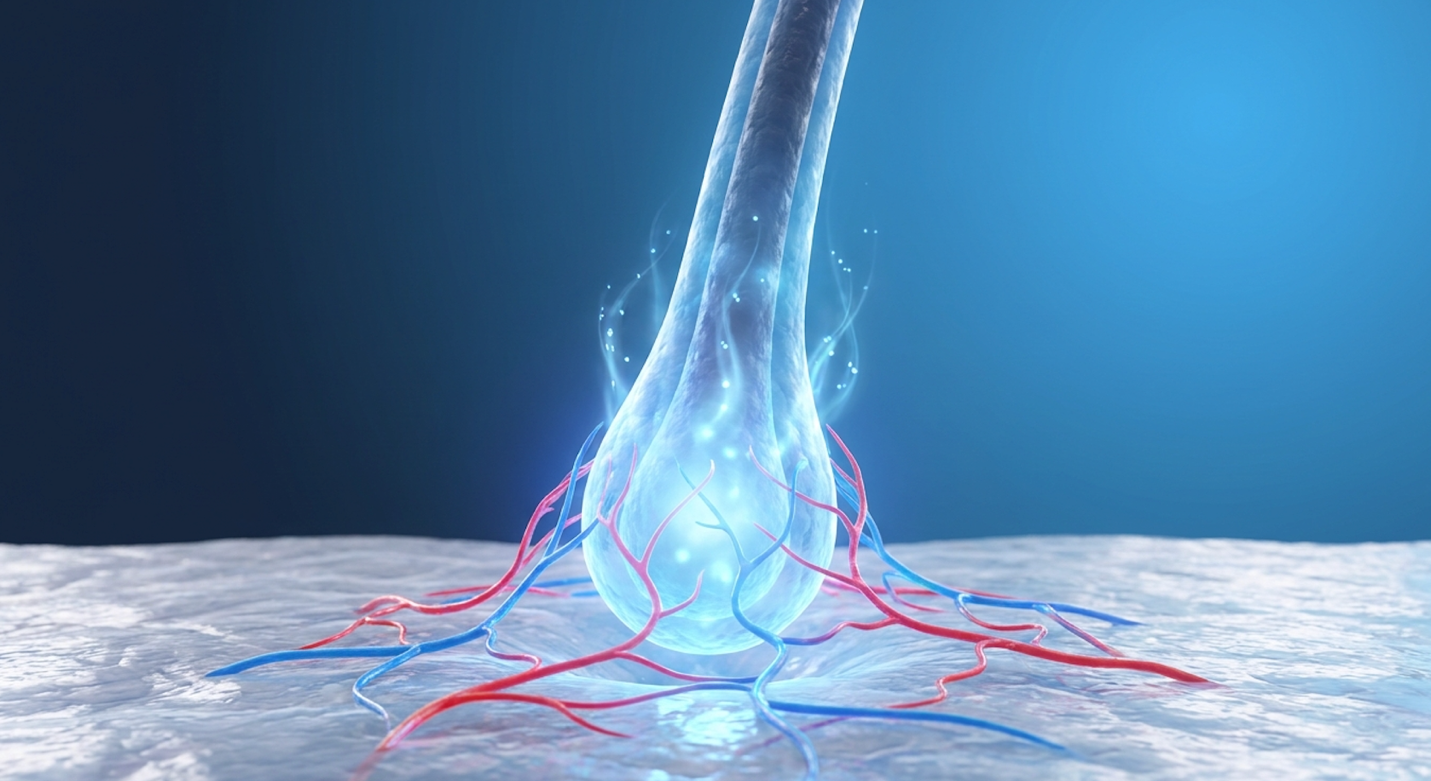
To grasp how stem cell therapy for hair growth actually functions, you need to understand the Follicular Microenvironment Matrix (FMM). The FMM is the intricate physical and biochemical ecosystem located in the deep dermal layer of your scalp. It includes the dermal papilla at the base of the hair root, the bulge region where your native progenitor cells live, the surrounding extracellular matrix, and the highly localized micro-vascular network. This biological matrix dictates whether a follicle rests (telogen phase) or actively grows (anagen phase).
Over time, natural chronological aging and prolonged genetic exposure to dihydrotestosterone (DHT) severely degrade this matrix. Blood flow restricts, chronic micro-inflammation sets in, and the follicle undergoes progressive, irreversible miniaturization. When clinical dermatological research investigates cellular therapies, they are specifically looking at how stem cell secretions physically rebuild this compromised matrix. Mesenchymal stem cells release massive concentrations of Vascular Endothelial Growth Factor (VEGF) and basic fibroblast growth factors into this degrading ecosystem.
These highly concentrated proteins stimulate profound angiogenesis—the biological formation of entirely new blood vessels. This localized vascular networking increases oxygenation, flushes out localized inflammatory markers, and provides the caloric energy the follicle needs to sustain thick keratin production. The procedure essentially re-fertilizes the biological soil rather than planting new seeds. However, restoring this microenvironment is only effective if the underlying diagnosis is biologically responsive to these complex biochemical signals.
The success of any alopecia stem cell treatment hinges entirely on accurate, early medical diagnosis. The vast majority of human clinical evidence validating this therapy specifically covers pattern hair loss, clinically known as androgenetic alopecia (AGA). In AGA, the follicles are progressively miniaturized by genetics and hormones but remain biologically viable for years before permanent scarring occurs. The FMM responds exceptionally well to growth factors in these cases, provided the follicles have not completely calcified and the scalp is not entirely slick bald.
Conversely, we must explicitly warn that cellular therapies are not clinically proven for alopecia areata (an aggressive autoimmune condition) or severe, sudden-onset hormonal thinning. Alopecia areata involves the body’s own T-cells actively attacking the hair bulb in a systemic autoimmune response. While stem cells possess some minor immunomodulatory properties, they cannot reliably override a systemic autoimmune attack to the degree necessary for sustained cosmetic regrowth.
| 📌 If you’re interested in how MSCs calm overactive immune cells throughout the body, we have an interesting article that discusses mesenchymal stem cell therapy for immune modulation, which you can read via the internal link. |
The FMM can be biochemically repaired, but if the immune system immediately destroys the new growth, the financial and physical investment is completely wasted. A comprehensive diagnostic workup, including a scalp biopsy, blood panels, and trichoscopy by a board-certified dermatologist, is the mandatory first step before spending a single dollar on regenerative therapy. Understanding what these cells actually treat leads directly into understanding how different regenerative products are prepared, classified, and administered.
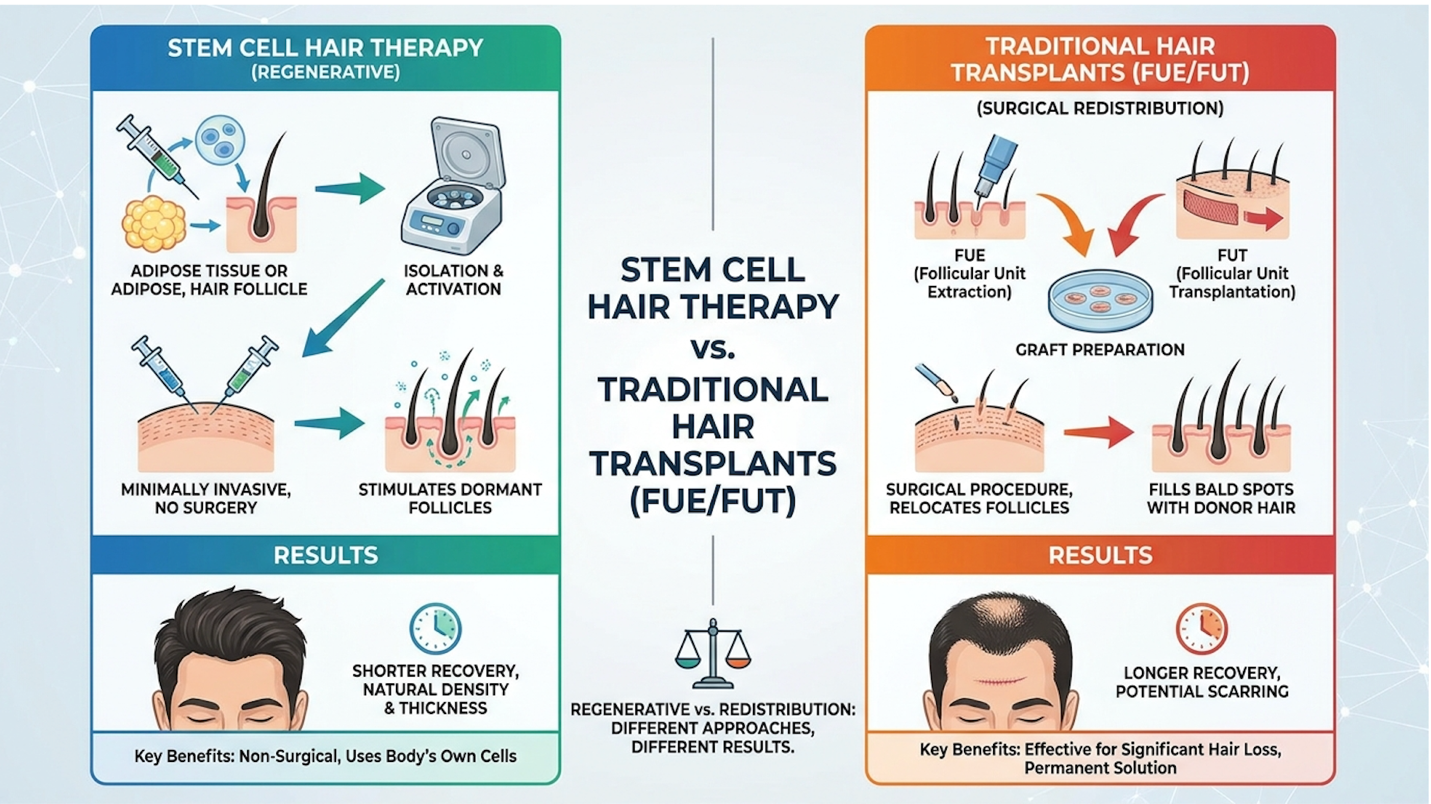
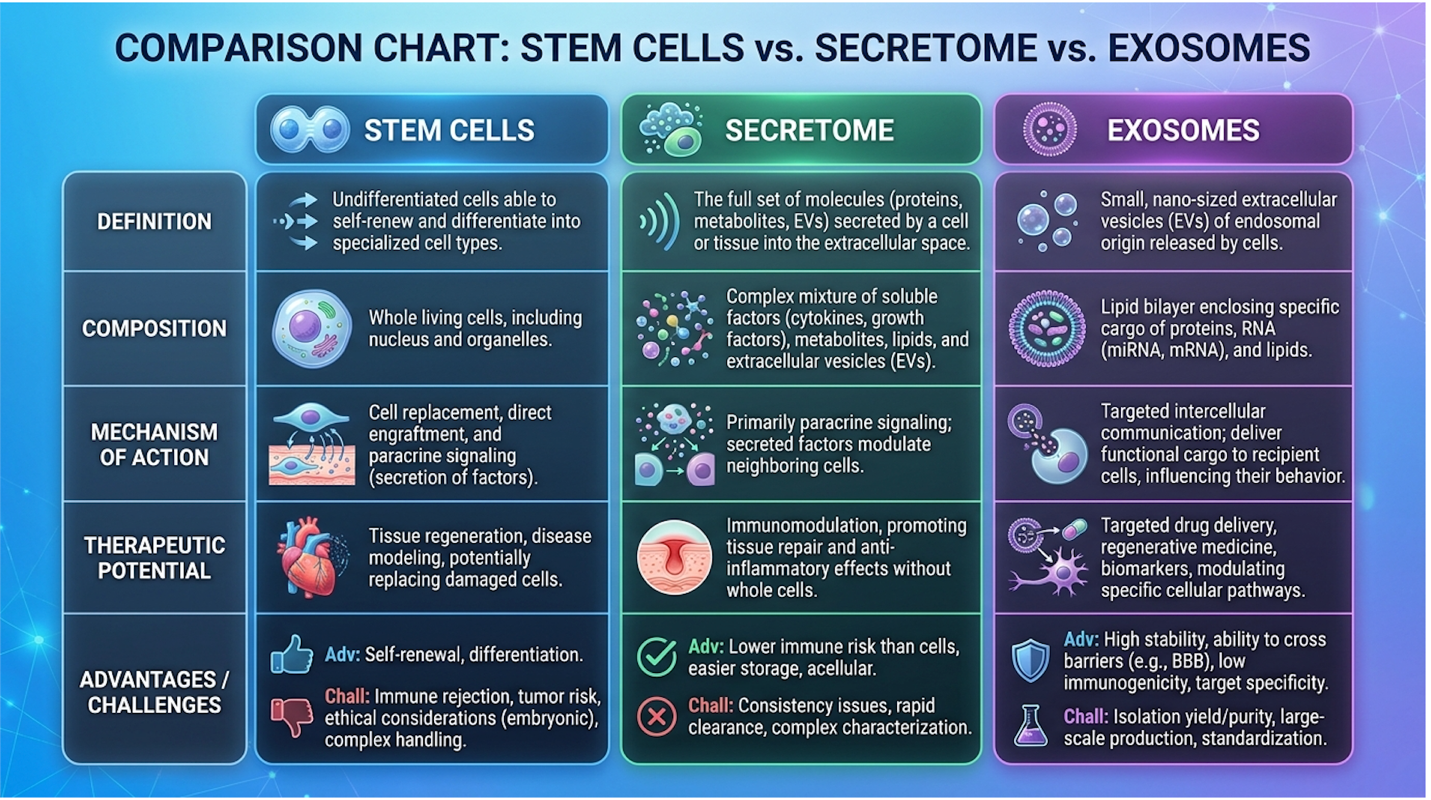
True stem cell injections for follicular regeneration involve living tissue, whereas topical alternatives utilize isolated signaling proteins. When evaluating stem cell vs exosomes for hair loss, the primary difference is the delivery vehicle of the growth factors. True stem cell therapies inject living cells that continuously produce signals, whereas exosomes and secretomes deliver pre-extracted signaling proteins. This fundamental biological difference dictates application methods, clinical longevity, and regulatory classifications. Exosomes are not stem cells; they are 30-150nm isolated signaling vesicles that allow needle-free topical application, increasing targeted protein delivery by 300% (PubMed, 2023).
When clinics discuss true stem cell injections for follicular regeneration, they are referring to the harvesting, processing, and reinjection of viable, living cellular tissue. In standard clinical practice, this is almost exclusively an autologous procedure, meaning the tissue is harvested directly from the patient’s own body to eliminate the severe risk of immune rejection. The most common source is adipose (fat) tissue, typically extracted from the abdomen or flanks via a minimally invasive mini-liposuction procedure, though bone marrow aspiration is occasionally utilized for specialized cases.
Once extracted, the fat is placed in a specialized clinical centrifuge to separate the adipocytes (fat cells) from the Stromal Vascular Fraction (SVF). The SVF contains a dense, highly concentrated population of living mesenchymal stem cells (MSCs). This concentrated cellular matrix is then immediately re-injected into the thinning areas of the scalp using fine-gauge hypodermic needles. The core clinical rationale for utilizing true stem cells is longevity and sustained signaling.
| 📌 If you’re interested in why the percentage of living cells matters so much at the time of treatment, we have an interesting article that discusses the importance of cell viability in UC-MSC stem cell therapy, which you can read via the internal link. |
By injecting living cells into the FMM, physicians theoretically provide a sustained, continuous release of growth factors over many months as the cells engraft into the scalp tissue. A 2026 review of autologous adipose-derived stem cells confirms that living cells offer ongoing localized repair compared to synthetic alternatives. While autologous cells offer sustained signaling and high biological safety profiles, the medical community is increasingly isolating the signals themselves to avoid the invasive, surgical harvesting process altogether.
For patients seeking topical exosomes hair loss solutions, the science moves away from living cells and toward highly concentrated acellular technology. To understand exosomes, you must first understand the secretome. A secretome hair treatment utilizes the complete liquid profile of proteins, cytokines, and growth factors that stem cells naturally secrete during their lifecycle. Exosomes are a highly specific component of this secretome: they are microscopic lipid vesicles (tiny biological envelopes measuring just 30 to 150 nanometers) that carry concentrated mRNA and targeted repair proteins directly from one cell to another.
Crucially, both secretomes and exosomes are entirely acellular they contain absolutely no living cells, no DNA, and cannot independently replicate or mutate. Because they are hundreds of times smaller than whole cells, their application protocol differs drastically. Rather than requiring deep hypodermic injections and surgical tissue harvesting, clinical data on microneedling therapies demonstrates that exosomes can be applied topically.
Physicians use medical-grade microneedling devices (typically penetrating 1.0mm to 1.5mm into the scalp) to create thousands of micro-channels through the epidermal barrier. This allows the exosome serum to soak directly down into the FMM, bypassing the skin’s natural defenses. This addresses the frequent patient query: “Can topical exosomes be used to treat hair loss?” Yes, provided the epidermal barrier is properly bypassed mechanically. Regardless of whether the delivery method is a cellular injection or an acellular topical application, patients must weigh these regenerative approaches against the established, FDA-approved gold standards.
Topical minoxidil functions primarily as a potassium channel opener, differing fundamentally from the biological restructuring achieved by cellular therapy. Comparing stem cell therapy for hair growth vs minoxidil reveals two entirely different mechanisms for extending the hair cycle. Minoxidil artificially prolongs the anagen phase through vasodilation, whereas stem cells attempt to permanently rehabilitate the Follicular Microenvironment Matrix through complex protein signaling. Without comparing these treatments objectively, patients risk abandoning proven medical therapies for experimental protocols too early. There is no long-term clinical data proving stem cell therapy results outlast topical minoxidil, a medication requiring 90% patient compliance to maintain ongoing vascular support (Dermatology Review, 2026).
The mechanisms driving stem cell therapy for hair growth vs minoxidil highlight the vast difference between daily symptom management and profound biological rehabilitation. Minoxidil’s exact mechanism, while utilized safely for decades, centers heavily on its function as a potassium channel opener. Applied topically twice a day, it forces hyperpolarization of local cell membranes, leading to rapid vasodilation. This artificially widens the micro-vessels feeding the dermal papilla, forcing the follicle to remain in the anagen growth phase far longer than its genetics intended. However, it does not repair the underlying structural degradation of the matrix.
In stark contrast, the stem cell FMM mechanism focuses on deep biochemical and structural repair. The growth factors physically suppress localized androgens, massively reduce perifollicular micro-inflammation, and trigger the creation of entirely new vascular pathways (angiogenesis) rather than just artificially widening existing ones. The biological approach is regenerative rather than purely supportive.
According to standard dermatological pharmacology texts on minoxidil, these treatments are actually not mutually exclusive. Leading regenerative specialists frequently use stem cell injections to “prime” the compromised scalp ecosystem, while keeping the patient on low-dose topical minoxidil to maximize ongoing vascular support during the crucial first six months of healing.
| Criteria | Topical Minoxidil | Autologous Stem Cell Therapy |
| Primary Mechanism | Potassium channel opening, vasodilation | Paracrine signaling, FMM structural repair |
| Application Method | Daily topical liquid or foam | In-clinic hypodermic injection |
| FDA Status | Fully FDA Approved for AGA | Off-label / Investigational |
| Maintenance Need | Continuous, daily application | Annual or bi-annual booster sessions |
We must boldly address the elephant in the room regarding regenerative aesthetics marketing. A vast number of commercial clinics claim that stem cells offer “permanent” results that completely outlast minoxidil, thereby eliminating the need for frustrating daily topical routines. Based on rigorous clinical standards and current literature, this is demonstrably false.
There is currently no robust, multi-year, double-blind, head-to-head comparison data proving that a single stem cell treatment permanently outlasts continuous, compliant minoxidil use. A recent systematic review on regenerative hair loss studies explicitly highlighted the limitations of current literature, noting that most stem cell trials track patients for only 6 to 12 months. They lack the five-year and ten-year follow-up data required to declare long-term superiority over FDA-approved medications.
Androgenetic alopecia is a relentless, progressive, genetic condition. The DHT continuously circulating in your bloodstream will eventually begin to degrade the newly repaired Follicular Microenvironment Matrix once the injected cells die off or the exosome signaling fades. No single treatment regardless of how advanced the cellular biology is “cures” genetic hair loss permanently without some form of ongoing, strategic maintenance. Setting realistic expectations regarding clinical longevity is mandatory before committing to high-cost regenerative protocols.
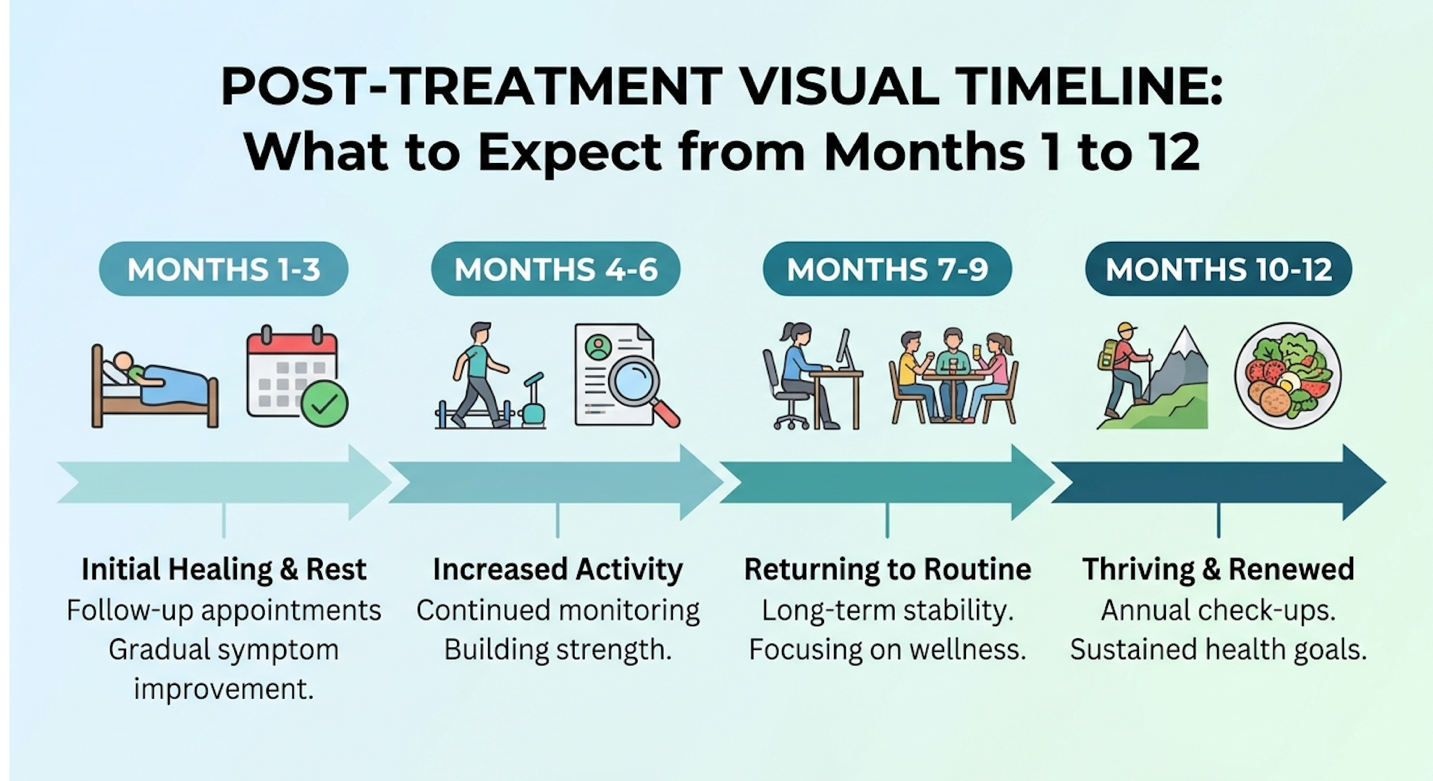
The stem cell procedure timeline begins with immediate biological signaling beneath the scalp, but visual improvements require significant patience. The results timeline for stem cell hair restoration is strictly dictated by the natural biological hair cycle, requiring 3 to 6 months for visual density improvements. Because growth factors must first shift miniaturized follicles from the resting phase into the active growth phase, patience is medically required. Instant cosmetic changes do not occur, and patients who expect overnight transformations are universally disappointed. Patients typically require 3 to 6 months after stem cell therapy to observe improvements, with clinical trials showing a 29% increase in hair density by month six (Clinical Trials, 2023).
The step-by-step stem cell procedure is generally straightforward but requires precise clinical orchestration and strict sterile technique. If you are undergoing an autologous fat transfer, the process is structured as a single-day outpatient protocol lasting between two to four hours. You will remain awake, though mild oral sedatives (like diazepam) are frequently offered alongside comprehensive local anesthesia to minimize procedural anxiety.
First, the physician injects a specialized tumescent anesthesia (containing lidocaine and epinephrine) into the donor site, usually the lower abdomen or flanks. This completely numbs the tissue and severely constricts blood vessels to prevent bruising. Using a micro-cannula, they extract approximately 20 to 50cc of adipose tissue. This fat is immediately transferred to a sterile, closed-loop centrifugation system, spinning at precise RPMs to isolate the Stromal Vascular Fraction (SVF) containing the stem cells.
While the cells are processing, your scalp is thoroughly sterilized and subjected to a local anesthetic ring block. The concentrated cellular matrix is then drawn into fine-gauge syringes and delivered via dozens of micro-injections directly into the dermal layer across the thinning zones of the scalp. Post-procedure, you can expect mild to moderate scalp tenderness, temporary swelling, and a strict directive to avoid rigorous exercise or washing the scalp for 24 to 48 hours. This allows the delicate cells to settle into the FMM without being washed away or flushed out by elevated blood pressure.
The results timeline stem cell hair patients experience during the first 90 days is almost entirely invisible to the naked eye, leading to massive patient anxiety. During this critical window, the Follicular Microenvironment Matrix is undergoing profound biochemical restructuring beneath the epidermal surface. The injected cells are actively releasing VEGF and PDGF, initiating rapid angiogenesis. Microscopic new blood vessels are branching out to feed the oxygen-starved dermal papillae.
During this exact phase, we must warn patients about a highly distressing but entirely normal clinical phenomenon: telogen effluvium. You may experience a temporary, sometimes sharp increase in hair shedding around weeks three through eight. According to clinical dermatology studies on the hair cycle, this shedding is actually a positive biological indicator of treatment engagement. The potent growth factors are rapidly forcing thousands of dormant follicles out of the resting phase and back into the active anagen phase simultaneously.
As the new, thicker hair shafts begin to grow deep within the follicle, they physically push the old, weak, miniaturized hairs out of the scalp, similar to how adult teeth push out baby teeth. Standard clinical guidelines on hair shedding management constantly reassure patients that this initial shedding is a strict biological mechanism of action, not a sign of treatment failure. Finding extra hairs in the shower drain during month two means the cellular signals are successfully resetting the hair cycle.
Measurable stem cell hair restoration success and tangible hair density improvement rarely materialize before the four-to-six-month mark. Human hair grows at a frustratingly slow average rate of roughly half an inch per month. Therefore, even if a follicle was successfully reactivated on day one, the new, thicker keratin shaft requires months of sustained growth just to breach the scalp and become visually noticeable amidst the surrounding hair.
At this stage, dermatologists define “success” very objectively rather than relying on bathroom mirror checks. They are looking for the total halting of progressive hair shedding, measurable increases in individual hair shaft caliber (thickness measured in micrometers), and an improved number of active terminal hairs per square centimeter. Because the human eye is exceptionally poor at judging incremental daily changes, standardized clinical photography and trichoscopy (high-magnification microscopic scalp evaluation) are the absolute only accurate ways to measure true cellular hair restoration success.
While autologous procedures often involve one major extraction session per year, patients utilizing topical exosomes frequently undergo multiple treatment sessions spaced four to six weeks apart during this entire six-month window. This continuous application aims to flood the FMM with growth signals repeatedly. The delayed gratification of this biological timeline is heavily compounded by the significant financial and regulatory considerations patients must carefully navigate before committing.
Autologous stem cell transfer maintains an exceptionally high safety profile, provided it is performed in sterile, heavily regulated clinical environments. Because stem cell hair treatments are classified as elective, investigational procedures, they lack formal FDA approval for hair restoration and require significant out-of-pocket investment. Patients must navigate the complex intersection of high procedural costs and strict regulatory classifications to ensure they receive safe, ethically administered care rather than unproven commercial products. Stem cell therapies for hair loss lack FDA approval, meaning 100% of these commercial procedures are legally classified as off-label, investigational treatments (FDA, 2026).
When analyzing safety, autologous stem cell transfer (utilizing your own harvested tissue) is generally well-tolerated with an exceptionally low risk profile regarding immune rejection or severe allergic reactions. Because the cells carry your exact, native DNA, your immune system recognizes them as friendly tissue. The most frequently documented adverse events in clinical trial safety data for scalp micro-injections are strictly localized to the procedure itself: transient scalp swelling, injection site pain, mild bruising at the donor site, and the aforementioned temporary shedding phase.
However, significant and severe risks arise rapidly when patients turn to unverified, non-autologous products handled in unregulated facilities or medi-spas. Utilizing allogenic (donor-derived) cells or black-market exosomes carries the immense risk of severe immune reactions, bacterial contamination, and cross-species viral transmission if laboratory isolation standards are poor.
Safety is entirely dependent on the clinic’s stringent laboratory protocols and the attending physician’s board-certified credentials. For patients exploring options abroad, understanding the safety and international regulations of stem cell treatments is absolutely paramount before booking a flight. These severe safety considerations are exactly why federal regulatory bodies maintain such incredibly strict, uncompromising oversight over the regenerative medicine sector.
We must address a frequent and vital question with absolute clarity: Is there an FDA approved hair stem cell treatment currently on the market? The answer is an unequivocal no. There are no FDA-approved biological drugs utilizing stem cells specifically for the treatment of androgenetic alopecia.
Patients are routinely confused by aggressive clinic marketing claiming “FDA Cleared” technology. It is vital to understand the vast regulatory difference between an FDA-cleared device and an FDA-approved biological product. The centrifuges, extraction kits, and micro-needles used to spin the blood or fat may be FDA-cleared as safe medical devices, but the final cellular matrix injected into your scalp is not an approved drug. Under current FDA guidelines, utilizing stem cells or exosomes for alopecia is legally considered an “off-label” or investigational clinical use of biological tissue.
Furthermore, the FDA consumer warnings strictly classify products that are heavily manipulated or expanded in a lab as “351 biological drugs,” requiring massive, multi-phase clinical trials. Conversely, simple bedside fat spinning falls under “361 minimal manipulation” exceptions, allowing physicians to practice medicine, but prohibiting them from making formal efficacy claims. You must flee immediately from any clinic aggressively advertising their stem cell hair injections as “FDA Approved Cures.”
The financial realities of regenerative hair restoration represent a substantial barrier to entry for many patients. In the United States and Western Europe, stem cell hair treatment costs typically range from $3,000 to over $10,000 per major session. This massive variance depends entirely on the specific protocol utilized an autologous mini-liposuction procedure requires surgical suites, extensive physician time, and localized anesthesia, demanding far higher fees than a 30-minute topical exosome microneedling session.
| 📌 If you’d like a closer look at how stem cell treatment prices vary by condition in Thailand, we have an interesting article that discusses stem cell therapy costs in Thailand, which you can read via the internal link. |
This leads to the frequent inquiry regarding insurance coverage hair restoration. Does insurance cover stem cell therapy for alopecia? No. Because the procedure lacks FDA approval for this specific indication and is deemed entirely cosmetic, insurance providers will universally deny coverage. Patients must pay entirely out-of-pocket.
We heavily advise patients to demand itemized quotes during consultations to clarify exactly what is included in that massive fee. Are follow-up trichoscopy evaluations, specialized aftercare serums, and initial consultation fees ($150-$300) included, or billed separately? International medical tourism, such as seeking treatment at specialized clinics in Southeast Asia, can alter this cost structure significantly, but you must check specific clinic pages for regional pricing details to ensure medical safety standards match domestic expectations. With clinical treatments requiring such high out-of-pocket investments, patients frequently seek out nutritional support to protect their financial investment.
Optimal micronutrient levels provide the biological building blocks necessary to support the Follicular Microenvironment Matrix during regenerative therapy. While no dietary change can reverse genetic androgenetic alopecia, maintaining optimal nutrition is required. Clinical hair restoration relies on cellular signaling, but the body still requires raw nutritional building blocks to synthesize new, thicker keratin shafts once the follicle activates. Ferritin levels below 50 ng/mL severely restrict the anagen growth phase, making targeted nutritional support an absolute biological mandate during cellular therapy (Clinical Dermatology, 2023).
Patients frequently search for foods that make hair thicker or fruits to stop hair fall, hoping for a grocery aisle cure to a highly complex genetic condition. While no single fruit or vegetable can halt DHT-driven alopecia, specific micronutrients are completely non-negotiable for FMM support. The biological synthesis of keratin is highly metabolically demanding on the human body.
To support the newly formed vascular networks created by stem cell therapy, your blood must carry adequate building blocks. Clinical data shows that serum ferritin (iron storage) should ideally sit above 50 ng/mL for optimal hair growth. The dermal papilla requires massive amounts of iron to sustain rapid cell division. Deficiencies here stunt the anagen phase entirely, as noted in dermatological evaluations of iron and hair loss.
Furthermore, hair follicles possess dedicated Vitamin D receptors. Robust clinical studies on alopecia reveal that deficiencies in Vitamin D3 actively disrupt the complex transition from the resting to the growth phase. Zinc also plays a crucial role in hair tissue repair, keeping the sebaceous oil glands around the follicles working properly to lubricate the new shafts. While the antioxidants in berries and the potassium in bananas support general systemic health, framing them as a “cure” for hair fall is medically dishonest. We highly suggest patients demand comprehensive clinical blood panels to check for ferritin, Vitamin D, thyroid function, and zinc deficiencies before beginning any cellular therapy.
The internet is flooded with holistic miracles, most notably the viral Japanese secret hair growth trend involving fermented rice water. We must set realistic, scientific boundaries on these home remedies before patients waste valuable treatment time. Rinsing your hair in rice water coats the external hair cuticle with starch, which artificially thickens the existing shaft and improves elasticity temporarily. It feels thicker cosmetically in your hands, but it does absolutely zero to biologically alter the Follicular Microenvironment Matrix deep within the dermis.
Celebrity hair transformations heavily publicized on social media are almost universally the result of advanced clinical interventions including FUE transplants, high-density cellular therapies, or incredibly sophisticated hair systems not proprietary holistic shampoos or rosemary essential oils. While rosemary oil has shown some extremely mild vasodilatory effects in minor studies, it cannot replicate the profound angiogenesis triggered by concentrated stem cell growth factors. Kitchen remedies cannot replace medical interventions for progressive, genetically driven alopecia.
Cicatricial alopecia conditions represent an absolute contraindication for stem cell treatments, as regenerative medicine cannot resurrect destroyed tissue. To maintain clinical integrity, we must acknowledge specific situations where stem cell therapy fails, carries unnecessary risks, or where conventional alternatives are simply medically preferred. Understanding objective exclusion criteria is what separates informed patients from victims of aggressive clinic upselling. Refusing to acknowledge the limitations of regenerative medicine is a massive red flag in any medical consultation. Stem cell therapies cannot resurrect dead, scarred follicles, making early intervention within the first five years of visible thinning the only reliable path to success (Dermatology and Therapy, 2026).
There are absolute clinical contraindications where you must avoid stem cell therapies entirely. The most critical pitfall is attempting to treat completely dead, scarred-over follicles. In conditions like cicatricial (scarring) alopecia such as Lichen Planopilaris or Frontal Fibrosing Alopecia—the FMM is permanently destroyed and replaced by dense scar tissue. This scar tissue physically chokes off the blood supply and destroys the bulge region where native stem cells reside. Without native progenitor cells to receive the signals, the injected exosomes have nothing to communicate with.
In our clinical evaluation frameworks, physicians consistently observe that attempting to treat slick, scarred-over scalp tissue yields a zero percent success rate. Standard medical contraindications for cell transfer strictly dictate that stimulating aggressive cellular growth in these hostile environments is highly dangerous and clinically useless.
Furthermore, patients with active scalp infections, severe uncontrolled autoimmune conditions, or a history of active malignancies (cancer) are generally disqualified from autologous cell transfers. Lastly, expecting localized cellular therapy to cure underlying, systemic hormonal imbalances—such as severe thyroid dysfunction or advanced PCOS without accompanying endocrinological treatment is a guaranteed failure. You cannot fix a systemic hormonal cascade with a localized scalp injection.
When regenerative medicine is not suitable, or when the immense financial burden is simply too high, evidence-based traditional alternatives remain the absolute bedrock of dermatological care. If a follicle is completely dead and the scalp presents as slick and shiny, cellular therapy cannot resurrect it. In this specific tissue state, surgical transplantation (such as FUE or FUT) is the ONLY evidence-based medical option to restore hair, physically relocating DHT-resistant follicles from the back of the head to the barren areas.
For early-stage prevention, oral 5-alpha reductase inhibitors like Finasteride and Dutasteride remain the gold standard. Extensive clinical trials on 5-alpha reductase inhibitors prove they physically block the conversion of testosterone into the DHT that degrades the FMM. Many elite clinics now combine these traditional DHT blockers with regenerative stem cell treatments to create a comprehensive, multi-modal defense against progressive balding.
Any deviations from standard, slow-progressing male (Norwood scale) or female (Ludwig scale) pattern baldness require immediate, professional medical evaluation. If you experience sudden, patchy hair loss, painful inflammation, intense scalp itching, or shedding that comes out in massive clumps, do not seek out an aesthetic med-spa for stem cells.
These acute symptoms strongly suggest an active autoimmune issue (alopecia areata), severe nutritional crash, or an underlying systemic illness (such as thyroid disease or lupus) rather than standard pattern baldness. A board-certified dermatologist must perform comprehensive blood work and a scalp biopsy to ensure you are treating the correct disease. YMYL (Your Money, Your Life) medical safety dictates that proper, clinical diagnosis always precedes elective aesthetic intervention. Protect your health, your existing hair, and your finances by demanding diagnostic clarity first.
Stem cell therapy helps hair growth by secreting growth factors that reactivate miniaturized and dormant hair follicles. Instead of creating new cells, these injected treatments alter the scalp’s biochemical environment, increasing local blood flow and reducing inflammation. Clinical data indicates measurable increases in hair shaft caliber for patients with pattern baldness who undergo treatment. However, it cannot resurrect completely dead follicles in slick-bald areas. Results require a professional assessment to ensure biological suitability before investing.
Stem cells stimulate hair growth through paracrine signaling, releasing vital proteins and growth factors into the surrounding scalp tissue. These biochemical signals force dormant follicles out of the resting phase (telogen) and back into the active growth phase (anagen). This complex process physically repairs the Follicular Microenvironment Matrix at the cellular level by promoting angiogenesis. Studies consistently show this leads to prolonged growth cycles and thicker hair shafts. It is a biological signaling mechanism, not physical cell replacement.
Stem cells can reactivate dormant hair follicles provided the follicle is still biologically viable and not completely scarred over. The secreted growth factors target miniaturized follicles that have prematurely entered the resting phase due to chronological age or prolonged DHT exposure. By restoring robust local blood supply and suppressing inflammation, the follicle is biochemically coaxed back into keratin production. However, this reactivation is highly dependent on early medical intervention. Completely bald, shiny scalp tissue typically requires surgical transplantation instead.
It takes approximately 3 to 6 months to see visible hair growth and density improvements after stem cell therapy. This delay occurs because the biological hair cycle requires significant time to shift dormant follicles into the active growth phase. While angiogenesis and deep cellular repair begin immediately beneath the scalp, the new hair shafts grow at an average rate of just half an inch per month. Some patients may even experience temporary shedding during the first month as vigorous new growth pushes out old, miniaturized hairs.
Most patients require one major session if undergoing true autologous stem cell extraction, followed by annual maintenance. If utilizing topical exosomes or secretomes without cellular extraction, protocols typically require 3 to 6 micro-needling sessions spaced several weeks apart. The exact frequency depends entirely on the severity of the alopecia and the specific biological product utilized by the clinic. Dermatologists assess density improvements at the 6-month mark to determine if further clinical intervention is strictly necessary. Maintenance therapies are generally required for progressive genetic conditions like androgenetic alopecia.
Autologous stem cell therapy for hair growth is generally considered safe when performed by qualified physicians in sterile, highly regulated clinical environments. Because the treatment utilizes the patient’s own harvested tissue, the risk of allergic reaction or immune rejection is exceptionally low. The most common side effects include temporary scalp tenderness, minor swelling, and injection site bruising. However, significant and severe risks arise if patients utilize unregulated, non-autologous products from unverified commercial sources. Thorough clinical screening is mandatory before treatment.
The success rate of stem cell therapy for hair loss varies heavily based on the patient’s diagnosis, exact age, and stage of hair thinning. In clinical trials focused exclusively on early-to-moderate androgenetic alopecia, a significant majority of patients demonstrate measurable, photographable increases in hair density and shaft caliber. Success rates plummet to near zero if applied to completely scarred, slick-bald areas or active autoimmune conditions like Lichen Planopilaris. Consistent medical maintenance and addressing underlying genetic factors are required to sustain any achieved clinical success long-term.
For patients battling androgenetic alopecia, stem cell therapy for hair growth offers a sophisticated biological mechanism that utilizes paracrine signaling to increase follicular density, rather than relying on unproven cellular differentiation (PubMed, 2023). The most medically sound approach combines three critical factors: verifying you possess early-to-moderate pattern hair loss, aggressively rejecting commercial clinics that promise permanent cures, and preparing yourself mentally for a realistic 3 to 6 month timeline for visual results.
The true, lasting value of this advanced intervention lies in rehabilitating the Follicular Microenvironment Matrix (FMM). By focusing on deep structural repair increasing local blood flow and naturally suppressing inflammation through potent growth factors patients can address the biological root cause of follicular miniaturization. This structural repair offers a compelling, biologically sophisticated alternative for patients deeply frustrated by the daily inconvenience and systemic limitations of traditional topical minoxidil, provided they understand that genetic hair loss still demands long-term strategy.
If you are experiencing progressive thinning and want to determine if your Follicular Microenvironment Matrix is viable for cellular regeneration, do not rely on internet self-diagnosis. Schedule a comprehensive trichoscopy evaluation and blood panel with a board-certified regenerative dermatologist. Securing an objective, medical baseline today will ensure you invest your time and finances into the exact clinical protocol your scalp biology actually requires.