Our Services
Others
- DFPP
- Shockwave
- IV Drip

For advanced patients recovering from mesenchymal stem cell (MSC) therapy, maximizing cellular viability requires far more than generic wellness vitamins; it demands precise nutritional periodization that respects the acute inflammatory phase. Finding the right supplements after stem cell therapy isn’t about arbitrary immune boosting. It’s about protecting a massive clinical and financial investment.
Look, inadvertent use of common anti-inflammatories or a poor nutritional environment can and routinely does actively trigger cellular senescence. You absolutely do not want early graft failure. The biological reality is that introduced cells require a highly specific microenvironment to anchor, survive, and replicate.
This clinical review details the exact evidence-led nutritional protocols required to support tissue regeneration. We examine biological recovery phases, analyze seven clinically backed supplements for cellular proliferation, and definitively outline contraindicated medications to avoid. You cannot cheat the biological healing timeline, but you can certainly optimize it.
This article is for educational purposes only and does not replace consultation with a qualified medical professional.
The most effective supplements after stem cell therapy explicitly target mesenchymal proliferation and extracellular matrix repair without disrupting acute inflammatory signaling.
Mesenchymal stem cell engraftment requires an acute inflammatory phase during the first 7 days to trigger paracrine signaling, making early anti-inflammatory use detrimental (National Institutes of Health, 2023). The Proliferation-Protection Protocol is the definitive methodology used by clinicians to maximize stem cell therapy results. By actively separating the inflammatory tolerance window from long-term cellular nourishment, patients can prevent early graft failure and optimize extracellular matrix repair without inadvertently sabotaging their own recovery.
Mesenchymal Stem Cells (MSCs), multipotent stromal cells that can differentiate into a variety of cell types, do not operate in a biological vacuum. When a clinician introduces these cells into damaged tissue whether an osteoarthritic knee or a degenerated spinal disc they rely entirely on the surrounding biochemical microenvironment. Your body’s immediate, unavoidable reaction to the injection trauma is acute inflammation. And contrary to popular belief, this initial swelling and pain is a rigid biological requirement, not a side effect to be immediately managed.
During this critical first phase, the local damaged tissue releases powerful pro-inflammatory cytokines specifically TNF-alpha and IFN-gamma. Think of these cytokines as a biological flare gun. The newly grafted MSCs detect these inflammatory markers, which triggers their innate paracrine signaling mechanisms. Once activated, the cells begin secreting a potent “secretome” consisting of vital growth factors, including Vascular Endothelial Growth Factor (VEGF), and various immunomodulatory proteins like TSG-6.
This secretome executes one of the most critical processes in regenerative medicine: phenotypic macrophage reprogramming. It physically forces the local immune system‘s macrophages to switch from a pro-inflammatory, tissue-destroying state (M1) to a tissue-repairing, anti-inflammatory state (M2). Research published in the National Library of Medicine confirms that MSC-mediated macrophage polarization is absolutely essential for tissue regeneration (2020).
| 📌 If you’re interested in how MSCs shift the immune system from attack mode to repair mode, we have an interesting article that discusses mesenchymal stem cell therapy for immune modulation, which you can read via the internal link. |
Before the M2 macrophages can start building, the M1 macrophages actively release matrix metalloproteinases (MMPs) to clear away necrotic, dead cellular debris from the injection site. They are literally bulldozing the site to make physical room for the new Extracellular Matrix (ECM), the structural support network for cellular growth. If you interrupt this initial “flare gun” signal with early supplementation or medication, the bulldozers stop working, the MSCs remain dormant, and the procedure is rendered practically useless. Understanding this complex molecular dance is vital when evaluating the safety of stem cell therapy treatments in Thailand or any top-tier global clinic.
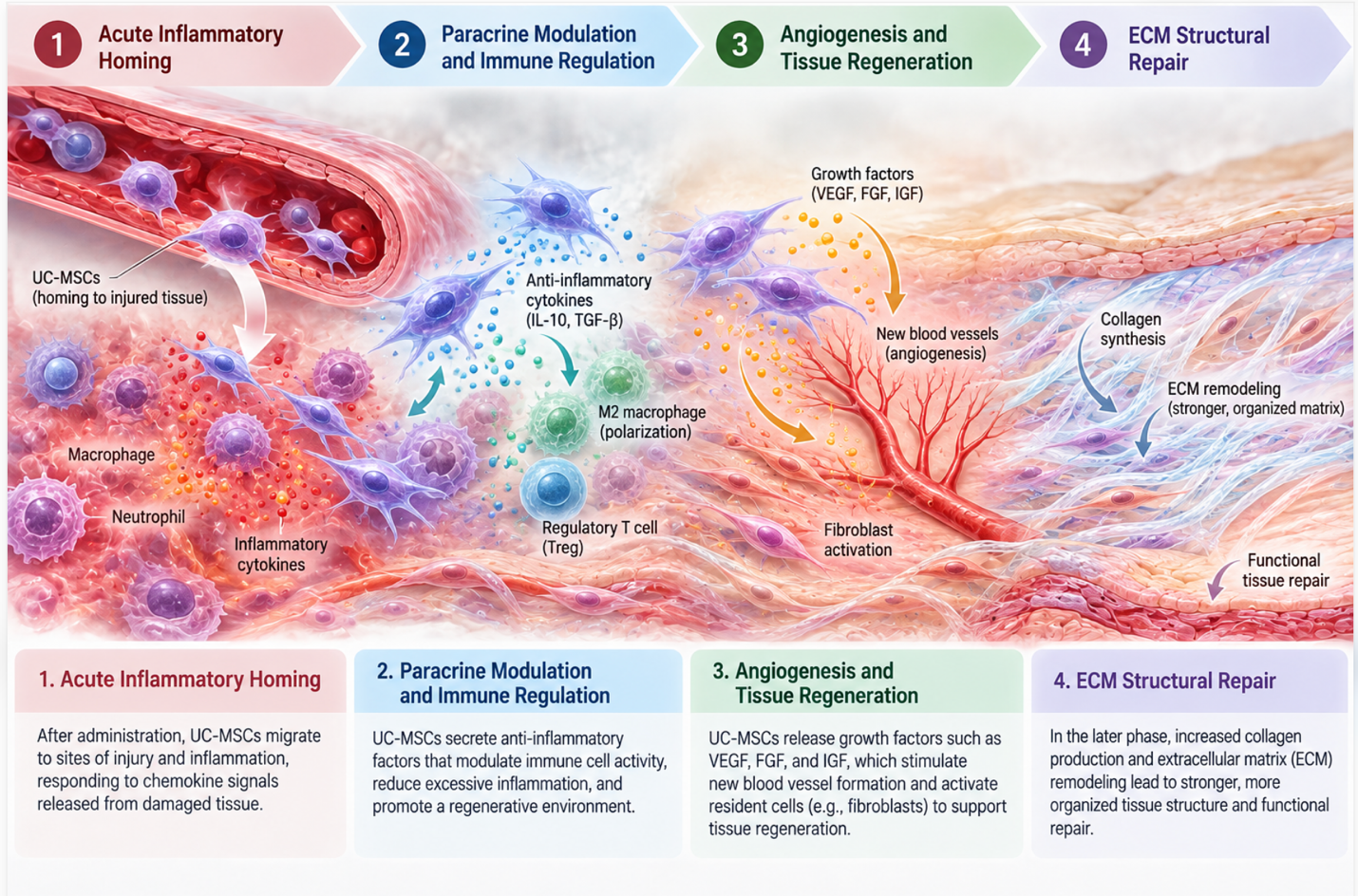
Healing after stem cell injection follows a rigid, metabolically demanding, and unalterable timeline. You cannot speed up the intrinsic metabolic clock of a human cell, but you can certainly derail it through poor stem cell therapy aftercare.
Days 1 through 7 represent the acute homing phase. The environment inside a damaged joint is incredibly hypoxic (oxygen-starved) and lacks robust blood flow. Because of this, the injected MSCs must initially survive entirely on glycolysis an energy production method that doesn’t require oxygen. Localized swelling, stiffness, and mild discomfort are expected. During this window, your only job is to do absolutely nothing that blunts the homing signal. Do not ice the joint. Do not take anti-inflammatories. Just let the cells navigate and anchor.
Weeks 2 through 6 mark the proliferative phase. The acute inflammation naturally subsides as M2 macrophages dominate the local microenvironment. Crucially, this is when angiogenesis occurs the formation of new capillary networks that finally bring systemic oxygen and nutrients into the joint space. Now, the MSCs are rapidly dividing and beginning early differentiation into specific cell lineages. This is exactly when to start supplements. The graft is incredibly hungry for amino acids and micronutrients. Clinical data from the NIH indicates that adequate nutrient availability during this specific 4-to-6-week window dictates the final volume of regenerated tissue (2021).
Months 2 through 6 define the tissue remodeling and maturation phase. The newly formed extracellular matrix cross-links, hardens, and integrates with the host tissue. Capillaries actively expand to provide a permanent blood supply. It’s vital to separate biological improvement from functional benefit here; a joint may look vastly improved under a cellular microscope at week four, but you might not feel the functional pain relief until month three.
Before debating the nuances of specific botanical extracts or advanced lipid mediators, we have to aggressively address your basal metabolic environment. Advanced supplements cannot and will not outperform a highly processed, pro-inflammatory baseline diet. If your systemic nutrition for stem cell therapy is flawed, the entire protocol collapses.
The optimal diet after stem cell therapy provides the literal macroscopic building blocks required for complex tissue repair. You need a massive surplus of specific amino acids (like glycine and proline) to synthesize collagen. If your systemic protein intake is too low, the MSCs simply lack the raw physical materials to build the extracellular matrix. It is akin to hiring a crew of elite builders but failing to deliver the bricks and mortar to the site.
Cellular replication is incredibly energy-intensive. It demands massive amounts of Adenosine Triphosphate (ATP), your body’s universal cellular currency. A severe caloric deficit during the proliferative phase actively starves the graft. Conversely, a diet loaded with refined sugars triggers systemic, chronic inflammation. High serum glucose actively competes with Vitamin C for entry into cells via the GLUT receptors. Worse, chronic high blood sugar creates Advanced Glycation End-products (AGEs). These toxic molecules physically bind to newly formed collagen fibers in the joint, rendering them stiff and brittle. Fix the whole-food diet first. Then, and only then, do we look at targeted compounds.
Active Vitamin D3 directs mesenchymal stem cells toward osteogenic differentiation, making it an essential protocol element for orthopedic stem cell recovery (National Institutes of Health, 2023). When evaluating the best supplements after stem cell therapy, we discard generic immune boosters and focus exclusively on compounds that target MSC viability, metabolic energy pathways, and ECM synthesis.
Keep in mind that while these seven compounds show exceptional clinical promise for cellular regeneration, precise dosing and safety must always be verified by your attending clinician. Every patient’s baseline metabolic panel is different, meaning clinical oversight is mandatory.
When utilizing vitamin c for stem cell growth, we aren’t using it to fight off a seasonal cold. We are using Ascorbic Acid as a non-negotiable enzymatic cofactor for structural repair. Mesenchymal proliferation relies heavily on the physical scaffolding of the extracellular matrix. Collagen type I and elastin are the primary proteins comprising this scaffold.
For your body to produce stable collagen, it must convert the amino acid proline into hydroxyproline. This specific biochemical conversion is catalyzed by the enzyme prolyl hydroxylase. Here’s the biological catch: prolyl hydroxylase absolutely requires Vitamin C to function. Without adequate ascorbic acid, the collagen triple-helix structure is inherently weak and degrades rapidly under mechanical stress.
Furthermore, Vitamin C directly influences cellular behavior at an epigenetic level. According to peer-reviewed research published by the NIH, Vitamin C promotes mesenchymal stem cell proliferation and significantly enhances cellular viability (2015). It acts as an epigenetic modulator, interacting with TET enzymes to promote DNA demethylation. This actively keeps the stem cells in a highly active, proliferative state rather than slipping into premature senescence.
| 📌 If you’re interested in why the percentage of living cells matters so much at the time of treatment, we have an interesting article that discusses the importance of cell viability in UC-MSC stem cell therapy, which you can read via the internal link. |
Because standard ascorbic acid is water-soluble and excreted quickly, clinicians often recommend 500mg to 1,000mg of liposomal Vitamin C daily during the proliferative phase, as the lipid encapsulation allows it to bypass early digestive degradation and absorb directly into the cellular membrane. And remember: because glucose and Vitamin C share the same cellular entry pathways, taking high-dose Vitamin C alongside a carbohydrate-heavy meal will completely blunt cellular absorption.
Vitamin D3 is actually a powerful secosteroid hormone, not just a simple vitamin. Its role in regenerative medicine, particularly following orthopedic stem cell injections, is foundational. MSCs possess specific Vitamin D Receptors (VDRs) directly on their cellular surface. When active Vitamin D3 (calcitriol) binds to these receptors, it triggers a massive cascade of intracellular signals that dictate the cell’s ultimate fate.
| 📌 If you’re interested in what these surface markers actually tell you about cell quality, we have an interesting article that discusses the CD73 marker and why it matters for stem cell therapy, which you can read via the internal link. |
Clinical studies indicate that active Vitamin D3 effects on stem cell differentiation are profound, directing mesenchymal stem cells toward the osteogenic lineage (2014). This means that utilizing the vitamin D stem cells interaction correctly provides the master transcription factor (RUNX2) signal necessary for bone and hard-tissue formation.
If you are receiving stem cells for a bone non-union, severe osteoarthritis, or joint degeneration, your MSCs need this exact RUNX2 signal to know they should become osteoblasts (bone-building cells) rather than adipocytes (fat cells) inside the marrow cavity. However, you cannot blindly megadose Vitamin D in isolation. The biochemical conversion of inert cholecalciferol into active calcitriol requires adequate magnesium as a cofactor. Furthermore, Vitamin D increases calcium absorption in the gut, which absolutely requires Vitamin K2 to ensure that calcium is deposited via osteocalcin into the bone matrix, rather than calcifying your arteries.
Vitamin D protocols must be managed via strict blood monitoring. A 25-OH Vitamin D blood test is a mandatory prerequisite. Deficient patients require aggressive loading protocols under physician supervision, while those in optimal ranges (typically 50-70 ng/mL) require a modest maintenance dose.
Lipid biology dictates cellular health at the most fundamental level. Every newly replicated cell generated by your MSC graft requires a semi-permeable lipid bilayer membrane. The structural quality of this membrane depends entirely on the types of fatty acids available in your bloodstream during cellular division.
When considering omega 3 post stem cell injections, purity and timing matter immensely. Omega-3 fatty acids, specifically EPA and DHA, incorporate directly into these cellular membranes. This increases membrane fluidity, allowing vital nutrients to enter the cell and metabolic waste to exit. Research confirms that Omega-3 fatty acids improve stem cell viability by maintaining a balanced inflammatory response (2019).
More importantly, Omega-3s act as precursors to Specialized Pro-resolving Mediators (SPMs). These include powerful lipid mediators known as resolvins (RvE1, RvD1), protectins, and maresins. These molecules don’t just passively block inflammation like a pharmaceutical drug; they actively resolve it. Resolvins bind to local tissue receptors to halt aggressive neutrophil recruitment while explicitly allowing the MSCs to continue their proliferative work. They guide the local environment out of the acute inflammatory phase and into the maturation phase safely, shutting off the “flare gun” without damaging the graft.
Low-grade, oxidized fish oils are highly inflammatory. You need third-party tested, triglyceride-form fish oil. Because high-dose Omega-3 acts as a mild anticoagulant, regenerative physicians typically delay its introduction until 7 to 10 days post-injection to prevent micro-bleeding at the fragile graft site.
Joint pain during the proliferative phase is common, leading many patients to search desperately for natural pain relief. This is where Curcumin the highly active polyphenol found in turmeric enters the protocol.
Curcumin is a potent down-regulator of the NF-kB (nuclear factor kappa-light-chain-enhancer of activated B cells) pathway. NF-kB controls the transcription of DNA, cytokine production, and cell survival. Chronic overactivation leads to tissue-destroying inflammation. Curcumin suppresses this pathway, providing significant pain relief without the harsh cellular toxicity associated with pharmaceutical NSAIDs.
Beyond pain relief, it directly interacts with the graft via the STAT3 signaling pathways. Curcumin enhances stem cell migration and safely modulates inflammation while actively enhancing the differentiation capabilities of mesenchymal stem cells (2017). Curcumin allows for mild, natural dampening of inflammatory pain without completely abolishing the PGE2 synthesis that stem cells rely on for communication.
However, raw turmeric powder has notoriously poor bioavailability (often under 1%). For regenerative purposes, you need advanced delivery systems like liposomal curcumin or phytosome technology (such as Meriva or BCM-95) to achieve clinically relevant blood concentrations. Because of its potent NF-kB modulation, most physicians mandate withholding high-dose curcumin until Day 7 or Day 10 post-injection. You must allow the acute homing signal to clear entirely before introducing it.
Cellular senescence is the absolute enemy of regenerative medicine. When a cell becomes senescent, it stops dividing but stubbornly refuses to die. Instead, it sits in the tissue secreting toxic inflammatory molecules a biological phenomenon known as the Senescence-Associated Secretory Phenotype (SASP). SASP can actively poison your newly grafted MSCs.
Resveratrol, a potent stilbenoid found in the skin of grapes, acts as a targeted senolytic and cellular protector. Its primary mechanism of action is the direct activation of the SIRT1 (Sirtuin 1) and AMPK pathways. Sirtuins are a family of proteins deeply involved in metabolic regulation, mitochondrial biogenesis, and cellular longevity.
By upregulating SIRT1, resveratrol promotes autophagy and mitophagy the body’s natural processes of clearing out damaged, senescent cells and dead mitochondria to make room for healthy stem cells. Clinical evidence shows that Resveratrol improves mesenchymal stem cell potential by acting as a powerful autophagy promoter, protecting the graft from cellular senescence (2018).
It also clears excessive reactive oxygen species (ROS) from the local microenvironment. While a tiny amount of ROS is needed initially for signaling, chronic oxidative stress will force the MSCs into early exhaustion. Resveratrol elegantly maintains this delicate redox balance. However, megadosing must be strictly avoided. Extremely high doses can blunt the hormetic stress response the cells rely on, so clinicians restrict dosages to moderate levels (e.g., 250mg to 500mg of trans-resveratrol daily).
Mesenchymal stem cells require vast, continuous amounts of ATP to differentiate and synthesize new structural tissue. All of this ATP is generated inside the mitochondria. If the mitochondria within the MSCs or the surrounding host tissue—are dysfunctional, the regenerative process halts entirely, regardless of how many stem cells were injected.
Nicotinamide Adenine Dinucleotide (NAD+) is the critical shuttle bus that carries electrons through the mitochondrial transport chain to create ATP. The longevity sirtuins we discussed in the resveratrol section rely entirely on adequate NAD+ to function. As we age, systemic NAD+ levels plummet because the NAMPT enzyme, which recycles NAD+ in the salvage pathway, becomes less efficient. This leads to mitochondrial dysfunction and severely reduced capacity for cellular repair.
Providing the body with NAD+ precursors, such as Nicotinamide Riboside (NR) or Nicotinamide Mononucleotide (NMN), directly fuels this pathway. Clinical data highlights that NAD+ repletion improves stem cell function, prevents replicative senescence, and restores mitochondrial function (2016).
By restoring the NAD+/NADH ratio and reinforcing the structural integrity of mitochondrial membranes, NAD+ repletion ensures the MSCs have the sheer metabolic horsepower required to survive the harsh environment of a damaged joint once the new capillaries start delivering oxygen. Oral dosages of NMN typically range from 300mg to 500mg, though some advanced protocols utilize direct IV NAD+ therapies in the weeks following cellular injection.
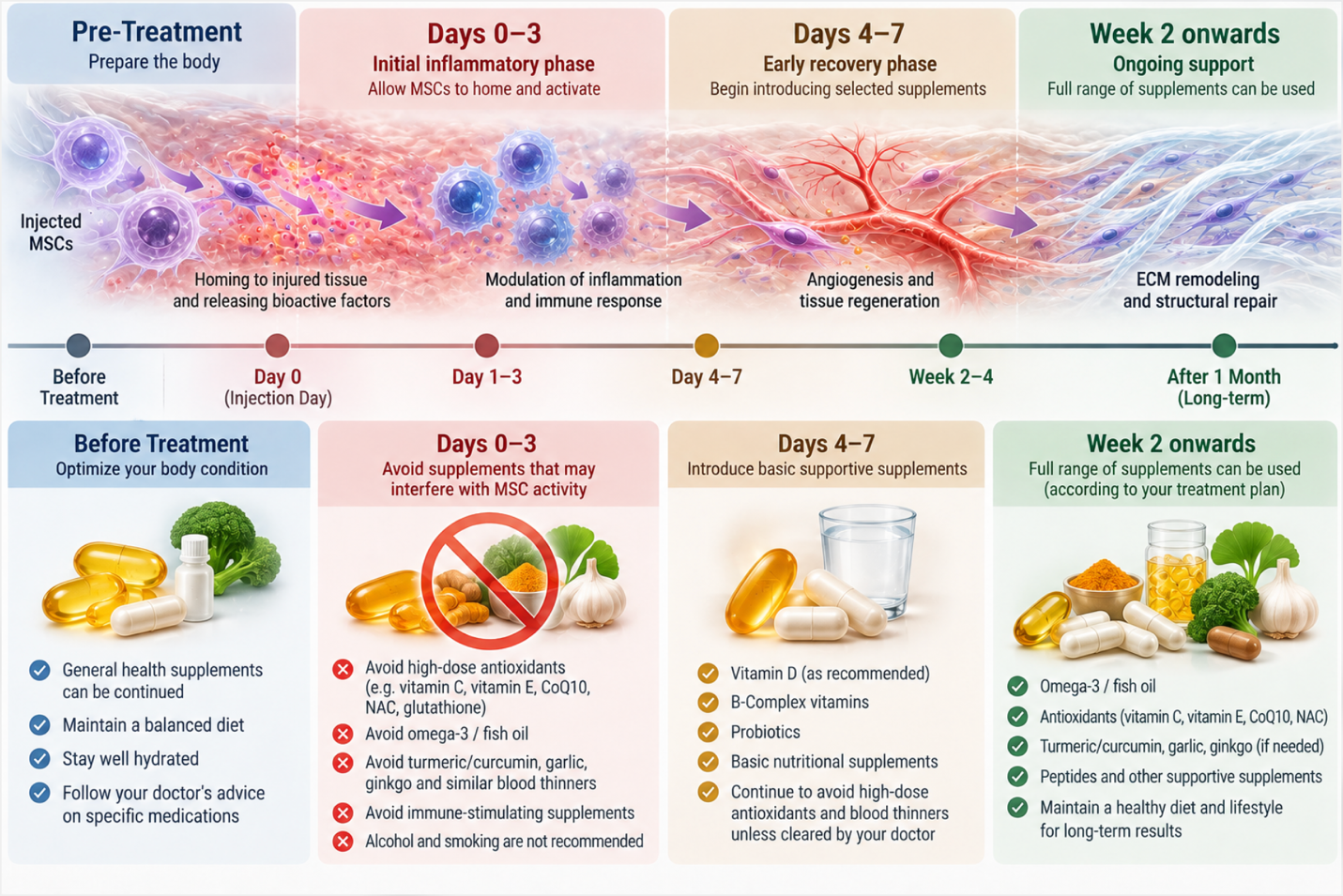
Figure 2: Clinical timeline dictating exactly when to safely introduce supplements after MSC therapy.
We established earlier that Vitamin C is the biochemical catalyst for building the extracellular matrix scaffolding. Collagen peptides provide the actual physical bricks. You cannot build a new structural wall without raw materials, no matter how many architects (MSCs) you hire.
Taking high-quality collagen supplements after stem cell injections provides your bloodstream with a massive influx of highly specific amino acids. The amino acid profile of collagen is biologically unique: it contains approximately 33% glycine, 12% proline, and 11% hydroxyproline. These specific amino acids are relatively scarce in standard diets.
When the MSCs signal local fibroblasts to begin repairing damaged cartilage, those fibroblasts aggressively pull these exact amino acids from the blood to synthesize new ECM. Furthermore, when you consume hydrolyzed collagen peptides broken down into extremely small, bioavailable molecular weights (typically under 3,000 Daltons), specific dipeptides like prolyl-hydroxyproline survive digestion. These dipeptides circulate in the blood and act as direct signaling molecules, binding to fibroblast receptors and literally telling them to upregulate their own native collagen production.
Type I collagen is dominant in bones and tendons, while Type II is the primary structural protein in articular cartilage. The cellular synergy here is undeniable: the MSCs provide the blueprint, Vitamin C provides the biochemical tools, and the collagen peptides provide the raw building materials. While collagen alone won’t cure a degenerated joint, withholding these structural amino acids during the most aggressive tissue-repair window of your life is clinically counterproductive.
Medical research demonstrates that over-the-counter NSAIDs like ibuprofen potently inhibit mesenchymal stem cell proliferation, actively delaying tissue healing during the acute recovery phase (National Institutes of Health, 2005). Knowing what not to take after stem cells is arguably more important than your supplementation protocol. The fastest way to destroy the financial and biological investment of regenerative medicine is by swallowing the wrong pills during week one.
When planning what supplements to avoid after stem cell therapy, you must strictly adhere to the “Protection” phase of our protocol. You are protecting the acute inflammatory signal from chemical interference. If you blunt the signal, the stem cells do not know where to go, and they simply undergo apoptosis (programmed cell death).
Nonsteroidal anti-inflammatory drugs (NSAIDs) are the single biggest, most common threat to MSC survival. This category includes common household names like Ibuprofen (Advil, Motrin), Naproxen (Aleve), Celecoxib (Celebrex), and Aspirin.
Here is the exact biological mechanism of destruction. NSAIDs work by actively inhibiting the cyclooxygenase enzymes (COX-1 and COX-2) within the arachidonic acid cascade. These enzymes are responsible for synthesizing prostaglandins specifically Prostaglandin E2 (PGE2). In traditional symptom-management medicine, we view PGE2 simply as a pain and swelling molecule, which is why blocking it feels so relieving.
However, in regenerative medicine, PGE2 is a master signaling molecule. MSCs secrete PGE2 to modulate the immune system, stimulate angiogenesis, and promote their own homing capabilities. If you block COX-2, you completely block PGE2. Medical research demonstrates that NSAIDs inhibit stem cell proliferation and actively delay structural tissue healing (2005).
Furthermore, COX inhibition directly disrupts the ERK MAPK (Mitogen-Activated Protein Kinase) signaling pathway. This vital pathway acts as the internal cellular engine for proliferation. A single 200mg ibuprofen tablet can suppress PGE2 for 4 to 6 hours, while naproxen sodium has a biological half-life of 12 to 17 hours meaning just one dose can ruin a full day of paracrine signaling. Shutting down this pathway during the first 2-4 weeks forces the stem cells into irreversible dormancy. You must endure the acute phase; alternative pain management strategies must be prescribed by your physician.
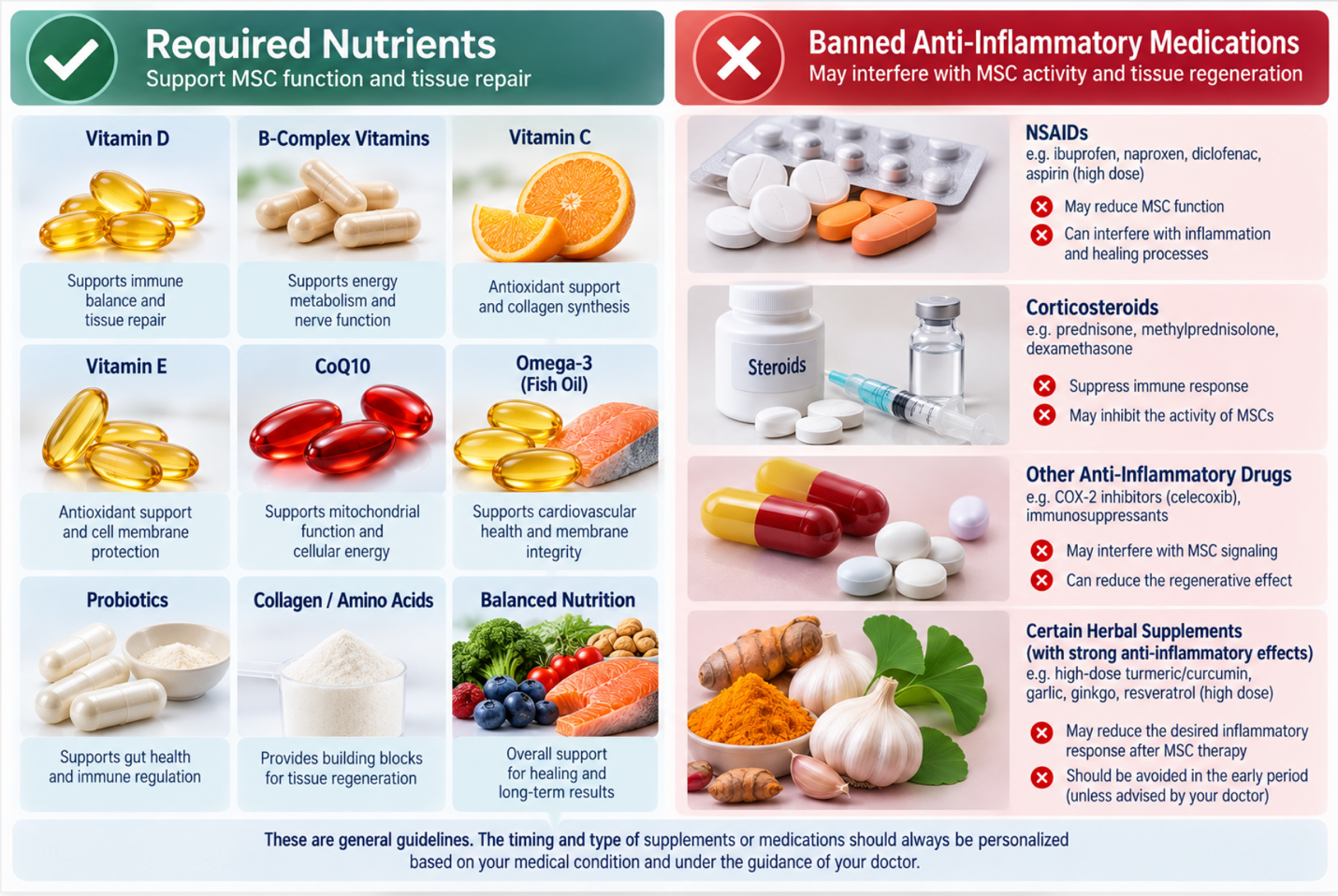
Figure 3: Strict guidelines separating required nutrients from banned anti-inflammatory medications.
Just because a compound is labeled “natural” does not mean it is safe during Phase 1 of your recovery. The strict rules regarding NSAIDs and stem cells apply equally to high-dose botanical anti-inflammatories and systemic enzymes.
During the first 7 to 10 days, you must temporarily restrict high-dose antioxidant and anti-inflammatory botanicals. Compounds like ultra-high-dose turmeric extracts, trans-resveratrol, and quercetin can inadvertently suppress the necessary acute oxidative stress signal (ROS) required for macrophage reprogramming. If the local environment is flooded with antioxidants too early, the MSCs fail to recognize the severity of the tissue damage, resulting in a completely blunted regenerative response.
Additionally, we must carefully consider bleeding risks and scaffolding disruption. The injection process inherently causes minor vascular trauma at the needle site, creating a fragile fibrin clot that acts as the initial structural web for MSCs to hold onto. Supplements that act as natural blood thinners including excessive ginger, garlic concentrates, high-dose Vitamin E, and Ginkgo Biloba can prevent proper clotting and physically wash the cells away from the target site.
Systemic enzyme blends (like Wobenzym or Serrapeptase) are particularly destructive in week one. These enzymes contain potent proteolytic ingredients like bromelain and papain, which activate plasminogen to aggressively break down fibrin. While they are excellent for long-term scar tissue degradation, taking them during the acute phase will literally dissolve the physical fibrin scaffolding your newly injected stem cells are trying to cling to. All current medications must be disclosed to your physician prior to the procedure so they can provide exact restart dates.
Even the most meticulously designed nutritional protocols carry inherent limitations. Supplements are biological catalysts, not magic bullets. We must acknowledge specific clinical scenarios where independent supplementation fails, carries risks, or requires direct physician intervention to prevent patient harm.
The timing of your protocol actively dictates its clinical success. The most frequent error patients make is starting high-dose anti-inflammatories even natural ones like curcumin or omega-3s too early. Introducing these compounds on Day 2 actively blunts the necessary M1-to-M2 macrophage signaling cascade, essentially telling your newly injected cells to go to sleep.
Another severe pitfall is taking high-dose Vitamin E or unrefined fish oils in the 72 hours leading up to the procedure. These act as mild anticoagulants. Excessive bleeding at the injection site can flush the MSCs away from the target cartilage or tendon, physically diluting the graft. Stop all blood-thinning supplements at least 5 days prior to injection.
Finally, relying on advanced supplements while ignoring basic metabolic health guarantees failure. If you have unmanaged insulin resistance or severe metabolic syndrome, your baseline systemic inflammation will actively destroy the MSCs. You cannot out-supplement a fast-food diet.
Independent supplementation is entirely insufficient for complex degenerative pathology. If you are dealing with severe Stage 4 joint degeneration (bone-on-bone osteoarthritis), you require MRI monitoring and potentially advanced surgical scaffolding. A regenerative specialist must evaluate the structural integrity of the joint via clinical monitoring before any cellular protocol begins.
Autoimmune conditions present another strict threshold where self-management becomes dangerous. Diseases like Rheumatoid Arthritis or Multiple Sclerosis involve highly complex immune modulations. Supplying certain immunomodulatory compounds without understanding your specific auto-antibody profile can occasionally trigger unwanted immune cascades.
Regenerative approaches do not cure neurodegenerative or autoimmune diseases, and supplementation does not replace standard-of-care medical monitoring. Frame this nutritional protocol strictly as a method to empower clinical safety and optimize your environment, managed entirely under the supervision of a board-certified physician.
The biological activation of stem cell therapy begins immediately, but cellular proliferation and engraftment typically take 4-6 weeks according to standard clinical timelines. During the first 7 days, acute inflammation acts as a biological homing signal for the cells. By months 2 through 6, tissue remodeling and maturation become clinically observable. Because individual functional results vary based on the specific condition being treated, patients must maintain ongoing clinical monitoring with their specialist.
Targeted nutrition after stem cell therapy provides the literal biological building blocks required for extracellular matrix synthesis. Mesenchymal stem cells rely heavily on adequate amino acids, vitamins, and minerals to synthesize collagen and initiate phenotypic macrophage reprogramming. Without sufficient micronutrients, the grafted cells simply lack the metabolic energy required to survive and differentiate.
To maximize stem cell therapy results, patients must strictly adhere to the Proliferation-Protection Protocol by avoiding NSAIDs during the acute healing phase. Supporting the body with Vitamin C, D3, and Omega-3s optimizes the cellular microenvironment for engraftment during the nutrient-loading phase. Minimizing processed sugars and maintaining a caloric balance ensures optimal mitochondrial function, though lifestyle changes cannot guarantee functional recovery for complex degenerative diseases.
The best supplements after stem cell therapy include Vitamin C for mesenchymal proliferation and Vitamin D3 for osteogenic differentiation. Additional compounds like Curcumin, Resveratrol, and NAD+ precursors support safe inflammatory modulation and protect against cellular senescence. Exact dosages must be personalized and approved by a regenerative medicine specialist.
Yes, taking Vitamin D3 after stem cell injections is highly recommended, provided the dosage is based on clinical blood testing. Active Vitamin D3 acts as a powerful signaling molecule that directs mesenchymal stem cells toward the osteogenic (bone-forming) lineage, making it vital for orthopedic recoveries. Maintaining optimal 25-OH Vitamin D levels actively prevents the premature cellular senescence of the graft. You should always consult a doctor to establish correct baseline dosing.
Omega-3 fatty acids are excellent for stem cell growth because they enhance cell membrane integrity and improve overall graft viability. These polyunsaturated fatty acids help modulate the immune microenvironment, promoting a transition from tissue-destructive macrophages to anti-inflammatory populations. Research demonstrates they safely balance inflammatory responses without halting necessary paracrine signaling, provided you time the dosage correctly.
You must strictly avoid high-dose systemic anti-inflammatory supplements during the first 1-2 weeks after stem cell therapy. Compounds that act as COX inhibitors can blunt the necessary acute oxidative stress signal required for macrophage reprogramming. Always follow your clinic’s explicit contraindication list.
No, you cannot take NSAIDs after stem cell injections during the acute recovery window, typically spanning 2 to 4 weeks. Over-the-counter nonsteroidal anti-inflammatory drugs like ibuprofen and naproxen potently inhibit mesenchymal stem cell proliferation. By suppressing prostaglandin synthesis, NSAIDs block the exact biological pathways the stem cells use to communicate and engraft.
For advanced patients, choosing the right supplements after stem cell therapy requires prioritizing clinical evidence over commercial trends. Because NSAIDs actively inhibit mesenchymal stem cell proliferation (NIH, 2005), patients must rely on structurally supportive compounds like Vitamin C, D3, and Omega-3s. The best approach combines strict avoidance of inflammatory disruptors in week one with targeted nutrient loading for subsequent cellular differentiation.
Implementing The Proliferation-Protection Protocol ensures that the acute inflammatory signals required for graft homing are protected, while providing the extracellular matrix with the exact amino acids and vitamins required for long-term viability. This biological periodization is critical for protecting the patient’s regenerative investment.
Because nutritional requirements vary heavily based on individual diagnoses, cell sourcing, and delivery methods, universal protocols are insufficient. Contact the clinic directly via WhatsApp or our secure patient form to schedule a comprehensive regenerative medicine consultation and receive a personalized, physician-monitored aftercare protocol.