Our Services
Others
- DFPP
- Shockwave
- IV Drip

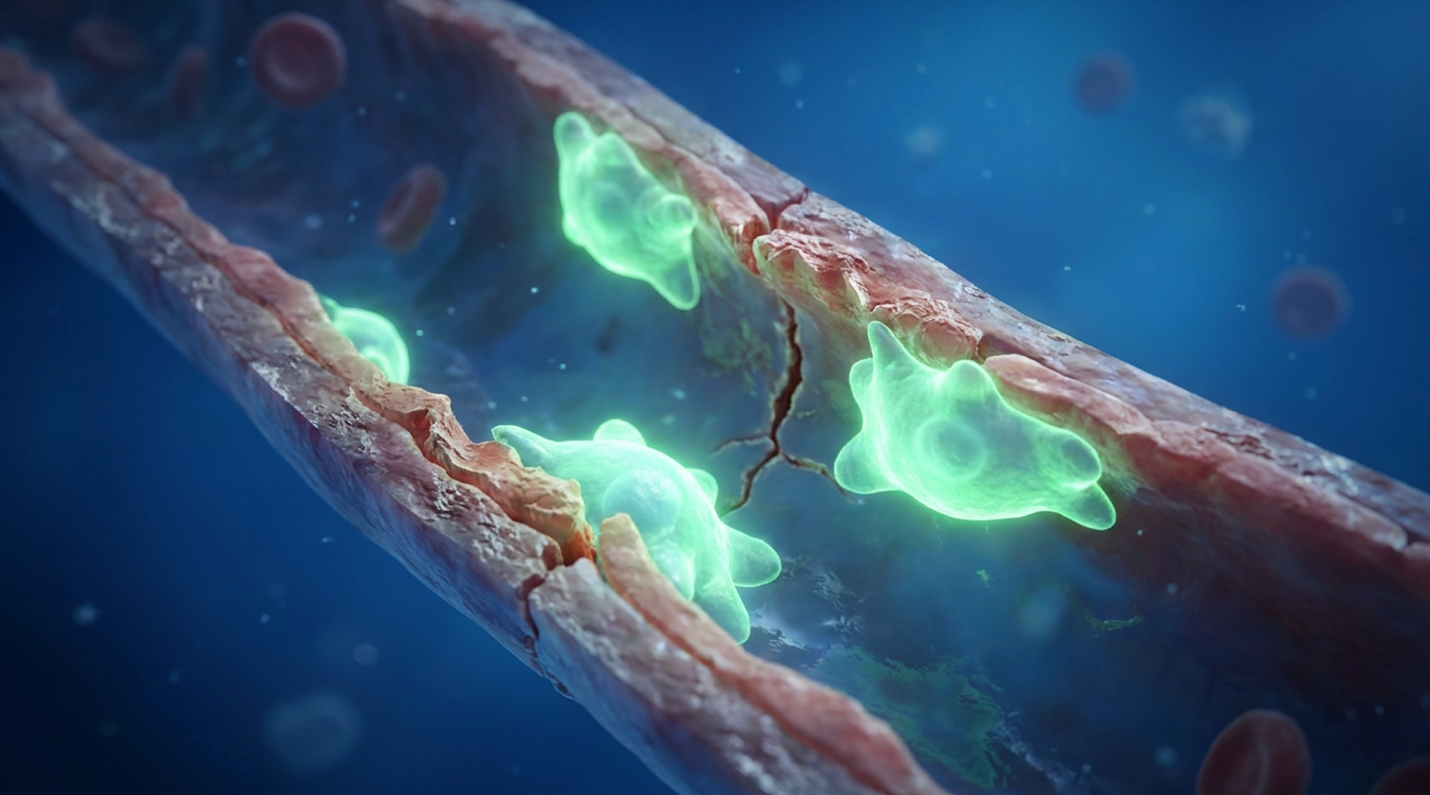
For patients navigating severe vascular conditions, stem cell therapy for hypertension represents a massive psychological shift from daily symptom management to investigating cellular support mechanisms. But here’s the harsh reality: clinical facts differ wildly depending on your exact diagnosis. Many patients travel halfway across the world expecting a miraculous cure for their daily blood pressure struggles, only to realize they were sold a profound misunderstanding of the science.
Many commercial clinics market cellular therapies as universal cures for high blood pressure. They intentionally fail to distinguish between systemic essential hypertension the common high blood pressure affecting over a billion people and severe pulmonary arterial hypertension (PAH). This blurring of medical definitions risks patient safety. It sets dangerous, unrealistic expectations.
By the end of this 2025 guide, you will understand the exact evidence separating experimental research from active clinical trials. We will use a critical evaluation tool The PAH Evidence Distinction Framework so you can evaluate treatment suitability safely. We’ll analyze the cellular mechanisms of vascular support, break down the specific stem cells being studied right now, review hard trial data for PAH, and provide logistical guidelines for seeking international treatment.
This article is for educational purposes only and does not replace consultation with a qualified medical professional.
Stem cell therapy for hypertension is currently divided into experimental research for standard high blood pressure and active clinical trials for pulmonary arterial hypertension (PAH). Over 1.28 billion adults have systemic hypertension, but regenerative treatments remain investigational.
The distinction between systemic high blood pressure and Pulmonary Arterial Hypertension (PAH) forms the absolute core of the PAH Evidence Distinction Framework. While systemic hypertension affects the entire body’s circulatory network, PAH is a specific, rare disease characterized by severe narrowing of the pulmonary arteries. An estimated 1.28 billion adults worldwide suffer from hypertension (World Health Organization statistics, 2023), but regenerative clinical trials overwhelmingly target PAH rather than standard blood pressure issues.
Systemic Hypertension affects the wider circulatory system. Your heart pumps blood against a massive network of vessels that have become rigid over decades. While undeniable vascular damage occurs in essential hypertension, modern medicine manages it highly effectively with standard medications like ACE inhibitors and beta-blockers. Because of this, invasive stem cell arterial hypertension treatment remains highly experimental. It is categorically not a first-line option.
Commercial aesthetic clinics frequently blur the lines here. They pitch stem cell infusions as a way to “clean out” or regenerate your systemic veins to cure standard high blood pressure. This is scientifically inaccurate. The biology of a systemic disease requires a completely different approach than a localized vascular failure.
Pulmonary Arterial Hypertension is a different beast entirely. The blood vessels specifically within the lungs become stiff, damaged, and dangerously narrow. This severely strains the right side of the heart, eventually leading to right-sided heart failure if left unchecked.
This localized, devastating pathology is exactly where real regenerative trials such as the PHACeT, SAPPHIRE, and ALPHA trials are focused. Standard treatments often fail to halt PAH disease progression, making it a critical target for cellular medicine. Understanding this distinction is vital. The cellular mechanisms targeted by researchers, specifically blood vessel repair, behave entirely differently in the lungs compared to the broader cardiovascular system.
Research into how do stem cells help blood vessels focuses largely on chemical signaling and cellular support rather than direct physical replacement. Most patients assume stem cells act like microscopic bricklayers, physically swapping out dead tissue for new tissue. They don’t. Immunomodulatory stem cells can lower pro-inflammatory cytokines like TNF-alpha by over 30%, aiding blood pressure reduction (American Heart Association research, 2023). By addressing deep-seated endothelial dysfunction, cellular therapies aim to restore natural vascular elasticity through complex biochemical signals.
Endothelial cells comprise the fragile, one-cell-thick lining of your blood vessels. Chronic high blood pressure brutally damages this lining. Targeted cellular applications promote angiogenesis the formation of new blood vessels which helps the circulatory system bypass severely damaged vascular networks.
When stem cells are introduced into a damaged vascular environment, they behave like biological foremen. They assess the damage and release powerful growth factors. This targeted approach to blood vessel regeneration stem cells is actively being studied to understand how tissue can naturally restructure itself under distress. Ongoing UC Davis research continues to map how these cells support vascular endothelial cells in failing systems.
The secret weapon of a healthy blood vessel is nitric oxide. It’s a critical molecule responsible for vasodilation the widening and relaxing of your blood vessels. Damaged endothelium stops producing enough nitric oxide, causing vessels to lock in a tightened, hypertensive state.
Stem cells secrete paracrine factors that stimulate your existing endothelium to wake up and produce nitric oxide again. This naturally reduces systemic vascular resistance. Furthermore, by lowering systemic inflammation, these cells remove the biological stress that keeps vessels rigid. These immunomodulatory and angiogenic capabilities are not universal to all cells; the specific mechanisms rely heavily on the exact type of stem cell utilized in clinical research.
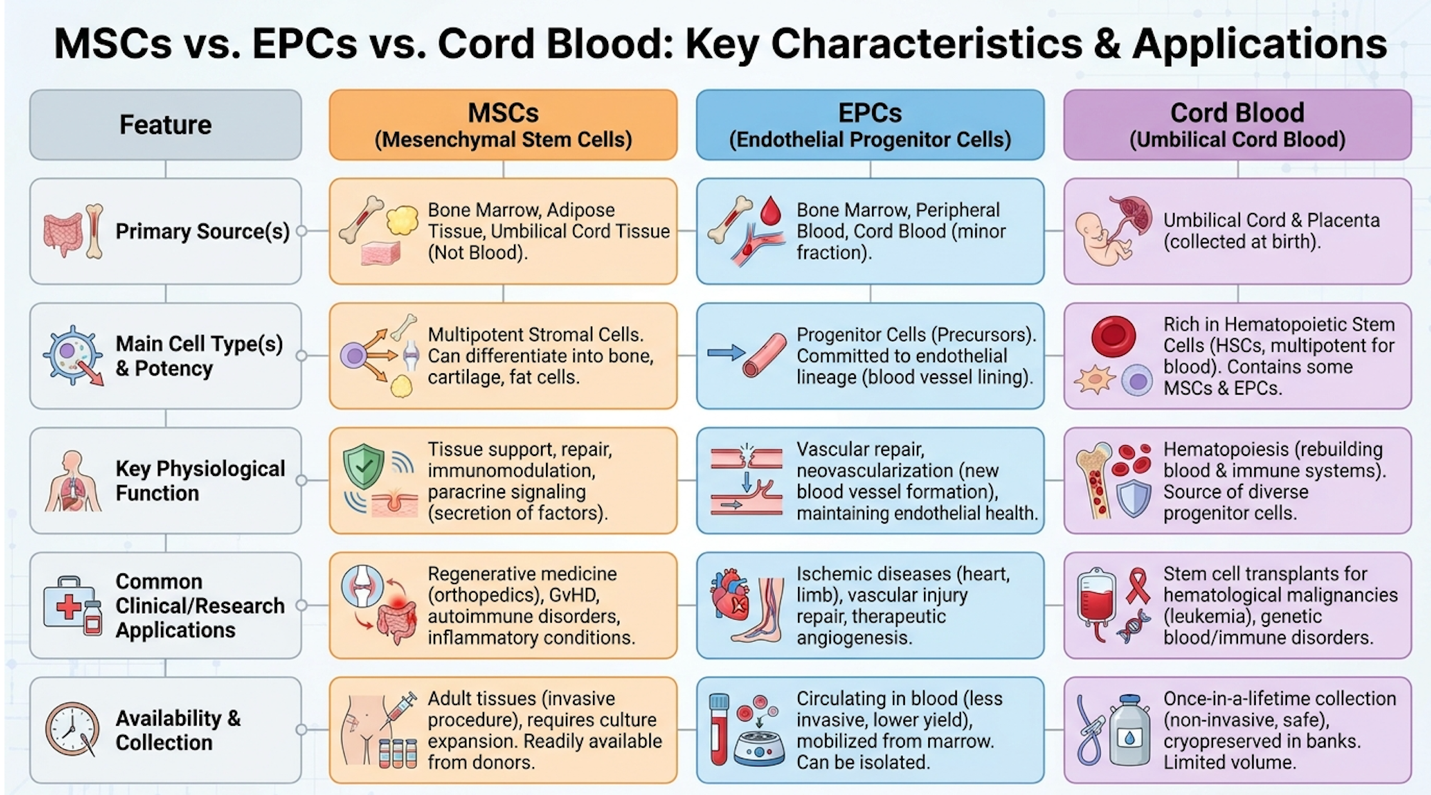
When evaluating types of stem cells EPCs MSCs iPSCs, we must rigorously separate the theoretical from the clinically applied. The PAH Evidence Distinction Framework demands we look at exactly which cells are being infused into humans versus which are stuck in petri dishes. Mesenchymal stem cells reduce vascular inflammation markers by up to 40% in clinical models signaling a vital shift toward addressing root vascular rigidity rather than just symptoms.
MSCs are the heavy lifters of the regenerative medicine world. When we talk about mesenchymal stem cells for hypertension, we are primarily valuing their potent immunomodulatory properties. They secrete tiny vesicles called exosomes that drastically reduce inflammation in the vascular walls.
| 📌 If you’re interested in how MSCs calm overactive immune cells throughout the body, we have an interesting article that discusses mesenchymal stem cell therapy for immune modulation, which you can read via the internal link. |
They are heavily researched for systemic hypertension symptom mitigation because they rarely trigger an immune response. Rather than rebuilding the vein, MSCs alter the harsh, inflammatory environment that causes the vein to stiffen in the first place. Intravenous administration is the most common delivery method, allowing these cells to circulate and target systemic inflammation.
Derived from Wharton’s jelly within the umbilical cord, these cells offer incredibly robust proliferative capabilities. They are young, vital, and haven’t been exposed to decades of environmental toxins or aging.
Umbilical cord stem cells for hypertension possess remarkably low immunogenicity, making them uniquely safe for allogeneic (donor-to-recipient) transplants. This is why international clinics heavily rely on them. They allow for off-the-shelf treatments without the agonizing wait times of expanding a patient’s own bone marrow cells. Researchers are currently running active clinical trials evaluating intravenous infusions of these specific cells for essential hypertension.
| 📌 If you’re interested in why umbilical cord cells are often preferred over bone marrow or fat-derived cells, we have an interesting article that discusses why UC-MSCs are superior to other stem cell sources, which you can read via the internal link. |
If MSCs are the anti-inflammatory managers, EPCs are the specialized blood vessel mechanics. Endothelial progenitor cells pulmonary hypertension research is incredibly promising because these cells are literally programmed to maintain and repair the endothelial lining of blood vessels.
They physically home in on sites of vascular injury. In the context of PAH, EPCs play a crucial role by directly addressing pulmonary vascular remodeling. They integrate into the damaged lung vessels, attempting to restore the broken barrier and improve blood flow mechanics, which is vital for reducing the severe pressure load on the heart.
Let’s clear up a massive misconception. Induced Pluripotent Stem Cells are purely experimental. They are strictly lab research tools.
While iPSCs can theoretically turn into any cell in the human body, they carry a known risk of forming teratomas (tumors) if infused directly into a human. They are brilliant for laboratory disease modeling and pharmaceutical testing, allowing scientists to study patient-specific vascular disease in a petri dish. But they are not yet ready or approved for direct human infusion for hypertension. While these varying cell types provide a theoretical foundation for cardiovascular repair, the most rigorous application of this science is currently unfolding in targeted clinical trials for pulmonary conditions.
When we apply the PAH Evidence Distinction Framew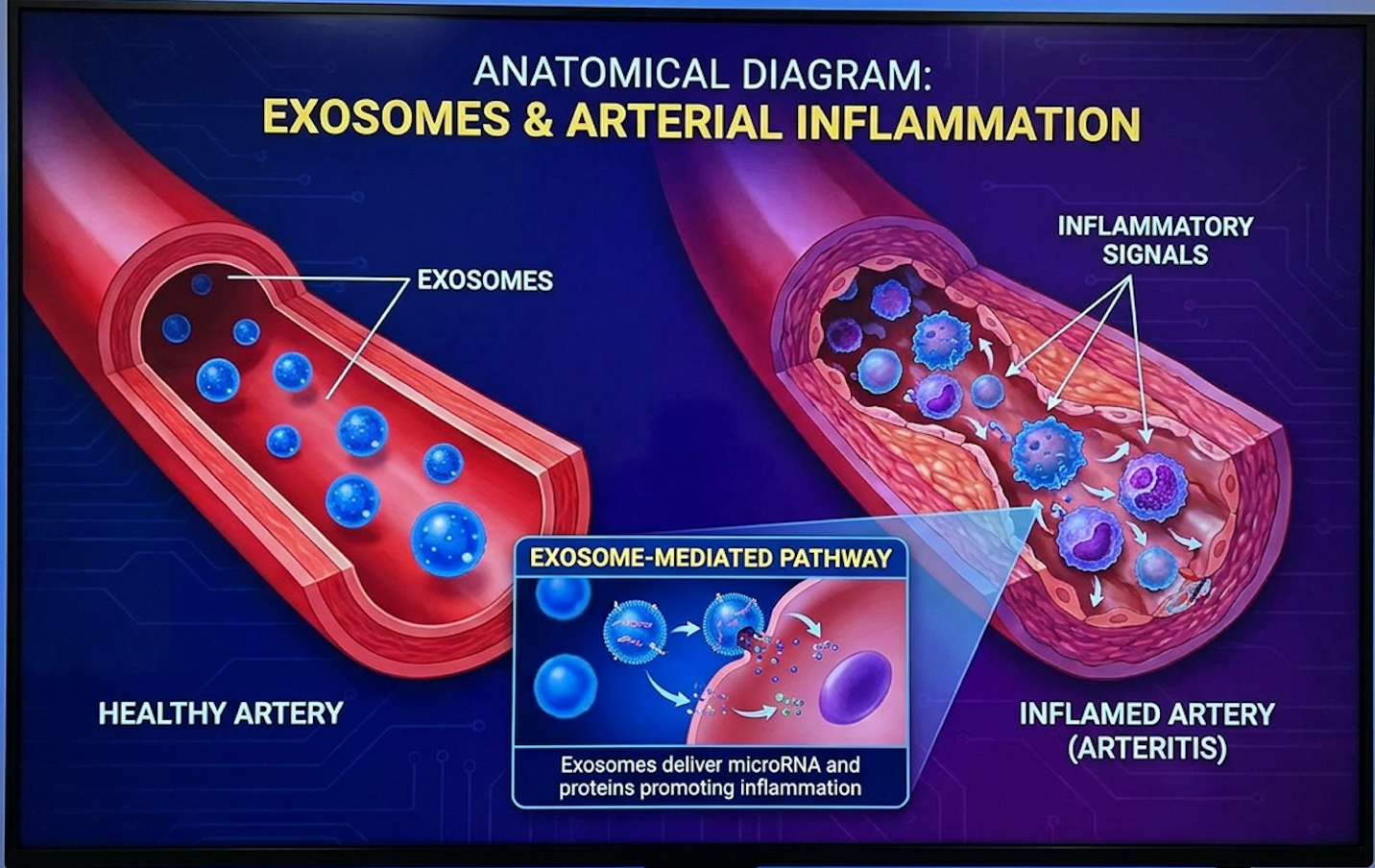 ork, we see immediately why stem cell therapy for pulmonary arterial hypertension dominates legitimate medical research. Unlike generalized high blood pressure, PAH has measurable, localized targets. Meta-analyses show stem cell therapy improves the 6-minute walk distance in Pulmonary Arterial Hypertension patients by an average of 35 meters (meta-analysis, 2021).
The field of stem cell and exosome therapy in pulmonary hypertension is quietly leading the regenerative cardiovascular space. Researchers are particularly fascinated by exosomes the tiny communication packets released by stem cells. A landmark Nature study demonstrated that exosomes derived from MSCs inhibit inflammatory macrophages and physically reduce pulmonary arterial remodeling.
This means the lung vessels actually stop thickening. To understand the clinical landscape, we must look at the specific early human trials actively testing these theories.
What do these trials actually prove? According to data, we see tangible functional improvements. An average improvement of 35 meters in a 6-minute walk test might sound small to a healthy person. But for a PAH patient gasping for breath, that 35 meters represents a monumental leap in daily quality of life and right-ventricular function. It can be the difference between remaining housebound or being able to confidently walk to the mailbox.
The robust data emerging from these specific pulmonary trials naturally leads patients with standard high blood pressure to ask a logical question. If it works in the lungs, can these same cellular mechanisms effectively lower their own systemic blood pressure?
To directly answer the question of whether can stem cells cure high blood pressure: no biological therapy currently constitutes a definitive, one-shot cure. However, when patients ask, “does blood pressure drop after stem cell treatment?”, clinical observation indicates that by drastically reducing systemic inflammation, some patients experience improved vascular elasticity. This indirectly supports blood pressure management alongside traditional medications. According to the National Institutes of Health stem cell basics, these cells serve as an internal repair system that replenishes damaged tissues suggesting cellular therapies repair vital vascular beds before systemic resistance fully falls.
Clinical observation shows that patients often hyper-fixate on the systolic number, desperately hoping a stem cell IV will instantly drop their blood pressure from 160 to 120. It just doesn’t work that way. Stem cell research blood pressure outcomes show promise in lowering inflammatory biomarkers over months, not hours.
Cellular therapies do not act like chemical hypotensives. They are not a replacement for your daily ACE inhibitors or calcium channel blockers. Instead, they attempt to alter the biological terrain. They make your existing medications work more efficiently by reducing the rigidity of the vascular walls and supporting natural endothelial regeneration. When your veins aren’t locked in a constant state of inflammatory distress, your heart simply doesn’t have to work as hard to push blood through the network.
Here’s the nuance most commercial clinics ignore. Because chronic hypertension severely damages the kidneys over time, regenerative doctors frequently monitor a patient’s Glomerular Filtration Rate (GFR).
Improvements in GFR indicate that the fragile micro-vessels inside the kidneys are experiencing reduced inflammatory stress. A stabilized kidney naturally helps regulate systemic blood pressure, creating a positive physiological feedback loop. Again, the PAH Evidence Distinction Framework reminds us: noticeable, measurable drops in vascular pressure are primarily documented in pulmonary (PAH) contexts, while systemic essential hypertension results remain highly variable. Because these therapies act as long-term immunomodulators, they must be viewed as an adjunct to, never a replacement for, standard medical care.
It is terrifying how often patients want to abandon their pharmacy regimens for unproven biologicals. When exploring hypertension treatment options, established pharmaceutical protocols and lifestyle modifications are the absolute, non-negotiable first line of defense. A significant portion of the population struggles to keep their blood pressure under control making baseline pharmaceutical stability a mandatory prerequisite before ever considering experimental cellular interventions.
Some patients suffer from resistant hypertension blood pressure that remains dangerously high despite taking three or more distinct medications concurrently. For these individuals, exploring resistant hypertension new treatments is entirely valid. It’s an incredibly frustrating diagnosis that leaves many feeling completely helpless.
However, accepted medical interventions like renal denervation (a minimally invasive procedure disrupting overactive kidney nerves) or advanced mineralocorticoid receptor antagonists should be completely exhausted long before considering experimental stem cell infusions. You simply don’t jump from standard daily pills straight to experimental intravenous stem cells without climbing the established medical ladder first. There are far too many physiological variables at play.
Legitimate cellular therapy clinics will categorically require patients to have their blood pressure medically managed to a safe baseline prior to any infusion. Why? Because the sudden introduction of intravenous fluids even those carrying healing stem cells temporarily increases blood volume in your circulatory system.
If your blood pressure is wildly uncontrolled, that slight volume increase could theoretically trigger an adverse cardiovascular event, like a stroke, right there in the clinic chair. Ensuring your blood pressure is pharmaceutically stabilized is not just a polite suggestion; it is a strict prerequisite for safely undergoing any form of biological or cellular therapy.
When we talk about the safety of these procedures, we have to split the conversation into biological safety and regulatory reality. They are two very different things.
The FDA cautions that no stem cell-based products are currently approved for the treatment of high blood pressure (FDA consumer warnings, 2024). While the biological safety profile of MSCs is generally excellent they have a remarkably low rejection rate and rarely cause adverse immune reactions the regulatory reality is firm.
If you are asking, “can I have stem cell therapy with high blood pressure for a different issue?” The answer is generally yes. Patients routinely receive stem cell injections for joint degeneration or orthopedic injuries while managing controlled high blood pressure, provided they pass a strict cardiac clearance from their doctor.
Certain profiles should absolutely avoid cellular therapy. Explicitly, patients with uncontrolled Stage 3 hypertension (blood pressure consistently over 180/120) must be rejected by any ethical clinic.
Furthermore, patients with active systemic infections, or a recent history of active cancer within the last five years, are strictly contraindicated. Stem cells promote growth; you never want to introduce growth factors into a body fighting active malignancy. Because the domestic regulatory landscape strictly limits these cardiovascular therapies to clinical trials, many patients evaluating their suitability ultimately look to authorized international medical hubs.
For patients seeking stem cell therapy for hypertension in Thailand, Bangkok has firmly established itself as a premier hub for regenerative medicine. However, international medical tourists must rigorously differentiate between highly regulated, hospital-grade cellular laboratories and commercial aesthetic clinics that lack board-certified cardiovascular specialists. Thailand’s ISO-certified medical labs process thousands of regenerative treatments annually highlighting the critical need for tourists to verify strict cardiovascular oversight.
When evaluating overseas facilities, it is critical to check the lab certifications before ever looking at the luxury recovery suites. Thailand offers advanced cultivation of Umbilical Cord MSCs, but they must be processed in ISO-7 or ISO-5 certified cleanroom laboratories.
A rigorous suitability checklist for expats and tourists is mandatory. Legitimate clinics must offer a full cardiac workup prior to admission. They must mandate that patients remain on their existing blood pressure medications. Finally, they must utilize flow cytometry for cell counting and viability testing immediately prior to infusion, ensuring you receive living, active cells.
| 📌 If you’re interested in why the percentage of living cells matters so much at the time of treatment, we have an interesting article that discusses the importance of cell viability in UC-MSC stem cell therapy, which you can read via the internal link. |
A consultation in Thailand is a medical assessment, not a guaranteed retail transaction. Legitimate Thai hospitals operate under the strict oversight of the Thai Ministry of Public Health.
Ethical doctors will flatly reject patients whose blood pressure is dangerously unmanaged. They understand that regenerative medicine is a tool, not magic. Navigating the clinical reality of stem cell therapy requires separating verified medical data from hopeful marketing. Below are the most common questions patients ask when considering this regenerative path.
No, stem cell therapy cannot replace blood pressure medication. Standard pharmaceutical treatments like ACE inhibitors remain the mandatory first-line defense for managing systemic hypertension. While cellular therapies may help regulate systemic inflammation over months, they do not provide the immediate, necessary chemical control required to prevent strokes. Patients must continue their prescribed medications before, during, and after any regenerative treatment.
Currently, stem cell therapy is not FDA approved for the treatment of essential high blood pressure. Because the FDA strictly regulates cellular therapies and cautions against commercial clinics making unverified cardiovascular claims, authorized treatments remain legally restricted to closely monitored clinical research trials.
Patients receiving stem cells for PAH typically observe measurable clinical changes within 3 to 6 months post-infusion. Clinical trial data tracking improvements in 6-minute walk distances generally records optimal benefits at the 6-month evaluation mark. These results rely on the gradual reduction of pulmonary arterial remodeling. Because cellular therapies focus on biological repair rather than rapid symptom masking, patience is essential. Individual outcomes will always vary based on disease severity and the specific cellular protocols utilized.
The primary difference is that MSCs act as anti-inflammatory modulators, while EPCs directly repair blood vessel linings. Mesenchymal Stem Cells (MSCs) secrete factors that reduce systemic inflammation and promote natural healing environments. Endothelial Progenitor Cells (EPCs) physically integrate into damaged blood vessels to rebuild the endothelial barrier. Advanced cardiovascular therapies sometimes explore the synergistic use of both cell types.
Yes, you can undergo stem cell therapy for orthopedic issues if you have high blood pressure, provided it is medically controlled. Clinics require patients to pass a thorough cardiac clearance to ensure their cardiovascular system can handle the mild stress of the procedure. If your blood pressure is dangerously high or uncontrolled, the treatment will be postponed until you work with your primary cardiologist to safely stabilize it.
Patients travel to Thailand for stem cell therapy to access advanced cellular expansion techniques legally restricted in their home countries. Thailand’s top-tier medical facilities utilize ISO-certified laboratories to culture high-viability Umbilical Cord MSCs. This access to specialized care operates at lower price points than Western equivalents. However, patients must rigorously vet clinics to ensure they employ board-certified cardiovascular specialists. These safety checks are non-negotiable for medical tourists.
For adults navigating severe vascular strain, stem cell therapy for hypertension represents an evolving medical frontier, though actual clinical applications vary drastically by exact diagnosis. While an estimated 1.28 billion people manage standard hypertension primarily through required pharmaceuticals, clinical meta-analyses demonstrate that cellular therapies can improve 6-minute walk distances in pulmonary arterial hypertension (PAH) patients by an average of 35 meters. The most effective strategy combines standard medical management with a highly realistic, data-driven assessment of biological therapies.
By strictly applying the PAH Evidence Distinction Framework, patients can easily cut through misleading marketing and evaluate therapies based on genuine clinical trial data. Understanding that cells like MSCs focus on deep inflammatory modulation rather than instant structural cures protects patients from unsafe commercial promises. It sets realistic, functional expectations that align with modern science rather than science fiction.
If you are actively exploring cellular therapies for a complex cardiovascular condition, a rigorous medical suitability assessment is the mandatory first step. Request a free suitability review via WhatsApp or our secure consultation form to determine if your specific diagnosis, medical history, and functional goals align with evidence-based regenerative protocols in Thailand.
This article is for educational purposes only and does not replace consultation with a qualified medical professional.