

In the modern world, our metabolic health is under constant siege. Sedentary lifestyles, processed diets, and chronic stress have created a “metabolic fog” characterized by insulin resistance, systemic inflammation, and organ fatigue. Traditional medicine often approaches these issues like a mechanic trying to fix a car while it’s still speeding down the highway—patching leaks and adding fuel additives (medications) without ever addressing the engine’s core wear and tear.
Regenerative medicine, specifically the study of Umbilical Cord-Derived Mesenchymal Stem Cells (UC-MSCs), represents a shift in philosophy. Instead of just managing the “fuel,” we are looking at how to repair the “engine” at a cellular level. UC-MSCs are essentially the body’s elite repair crew. They possess a unique ability to seek out areas of distress, dampen “biological noise” (inflammation), and release a cocktail of bioactive signals that tell exhausted organs how to function again.
- The Pancreatic Command Center: Restoring Insulin Precision
The pancreas is the “thermostat” of our blood sugar. In a healthy system, beta cells sense rising glucose and release the exact amount of insulin needed to maintain balance. However, in metabolic disorders like Type 2 Diabetes, these beta cells become overworked and eventually “burn out.”
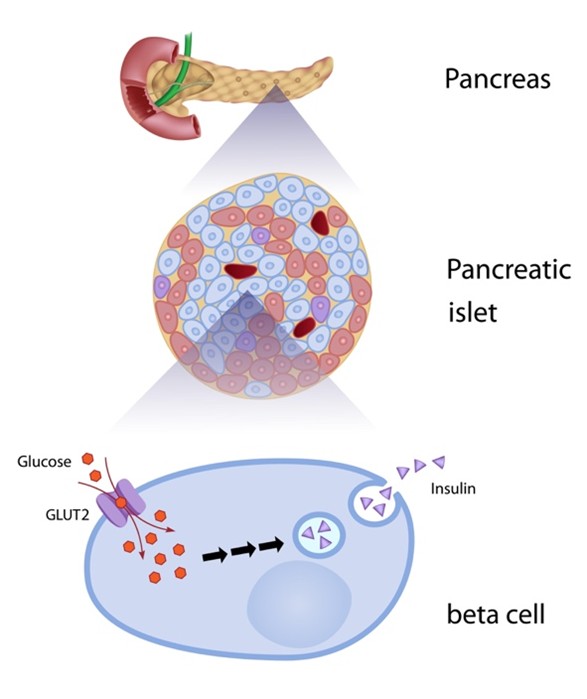
UC-MSCs offer a multi-pronged support strategy for the pancreas. First, they act as immunomodulators, calming the local inflammation that often attacks or stifles beta-cell function. Secondly, they release specific growth factors that act like “biological fertilizer,” encouraging the repair of damaged pancreatic tissue. By protecting the existing beta cells and fostering an environment where they can recover their function, stem cell therapy aims to restore the body’s natural ability to regulate glucose without the constant “seesaw” effect of external spikes and crashes.
- The Liver: De-Gunking the Metabolic Hub
The liver is the body’s primary chemical processing plant. It filters toxins, stores energy, and manages cholesterol. When the metabolism breaks down, the liver is often the first to suffer, leading to conditions like Non-Alcoholic Fatty Liver Disease (NAFLD). A “congested” liver cannot process nutrients efficiently, which ripples out to every other system in the body.
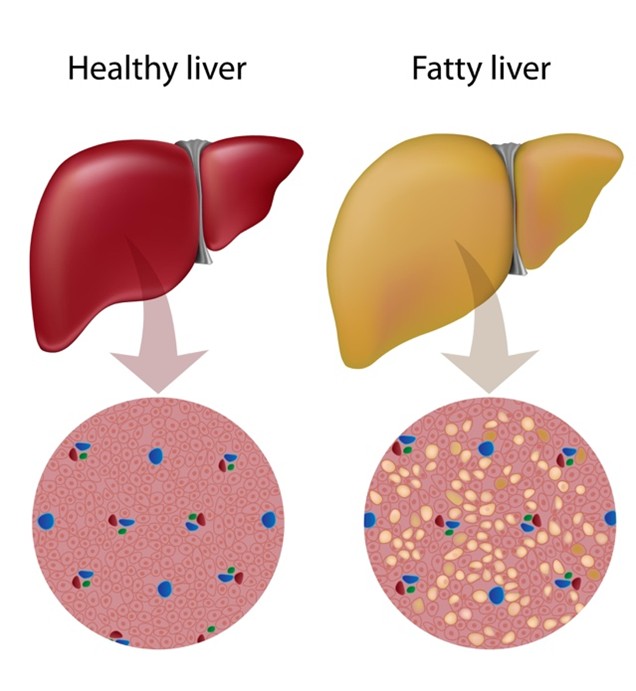
When UC-MSCs are introduced, they target the liver’s inflammatory pathways. Think of them as a high-tech “de-greaser.” They help limit the formation of fibrotic (scar) tissue and encourage the liver’s natural regenerative cycles. As the liver clears out excess fat and repairs its internal architecture, it regains its metabolic efficiency. A “clean” liver means better cholesterol management, more stable energy levels, and a significant reduction in the systemic toxic load that contributes to metabolic syndrome.
- Skeletal Muscle: Upgrading the Body’s Glucose Sponge
Most people think of muscle only in terms of strength, but from a metabolic perspective, muscle is your most important “glucose sponge.” Over 80% of post-meal glucose is cleared by skeletal muscle. When muscles become “insulin resistant,” that sugar has nowhere to go but into fat storage or remaining in the bloodstream, where it causes damage.
UC-MSCs support muscle health by activating satellite cells—the local “reservoirs” of muscle repair. By releasing growth factors, stem cells help these satellite cells maintain and rebuild muscle fibers that have been degraded by age or metabolic stress. Healthier, more active muscle tissue is more sensitive to insulin signals, meaning it can “pull” sugar out of the blood more effectively. This doesn’t just improve strength; it lowers the overall metabolic burden on the rest of the body.
- Adipose Tissue: Turning “Sick Fat” into “Smart Fat”
We’ve long viewed body fat (adipose tissue) as just a storage locker for extra calories. However, we now know that fat is actually a highly active endocrine organ that sends signals to the rest of the body. “Sick fat”—tissue that is inflamed and poorly oxygenated—sends out signals that trigger insulin resistance and systemic stress.
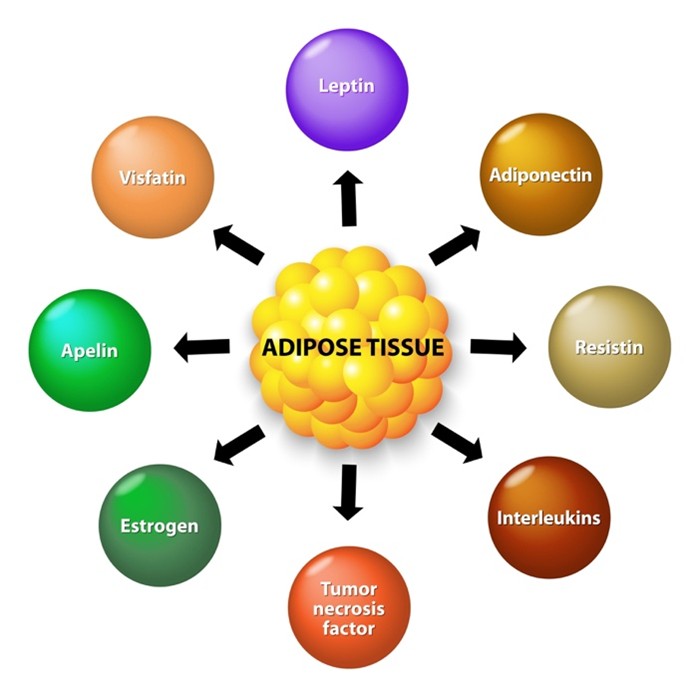
UC-MSCs help “remodel” this fat tissue. They improve blood flow (angiogenesis) within the fat stores and reduce the secretion of pro-inflammatory cytokines. This helps shift the adipose tissue from a source of metabolic “poison” to a healthy, functional organ that stores and releases energy as it’s supposed to. By changing the “vibe” of your fat cells, stem cell therapy helps break the cycle of chronic inflammation that keeps people stuck in metabolic dysfunction.
- The “Cooling Effect”: Silencing Systemic Inflammation
If metabolic dysfunction is a fire, chronic inflammation is the wind that fans the flames. Low-grade, systemic inflammation interferes with the “lock and key” mechanism of insulin and its receptors. This is why many people can’t lose weight or stabilize their sugar even with a perfect diet their internal “receptors” are essentially clogged with inflammatory “gunk.”
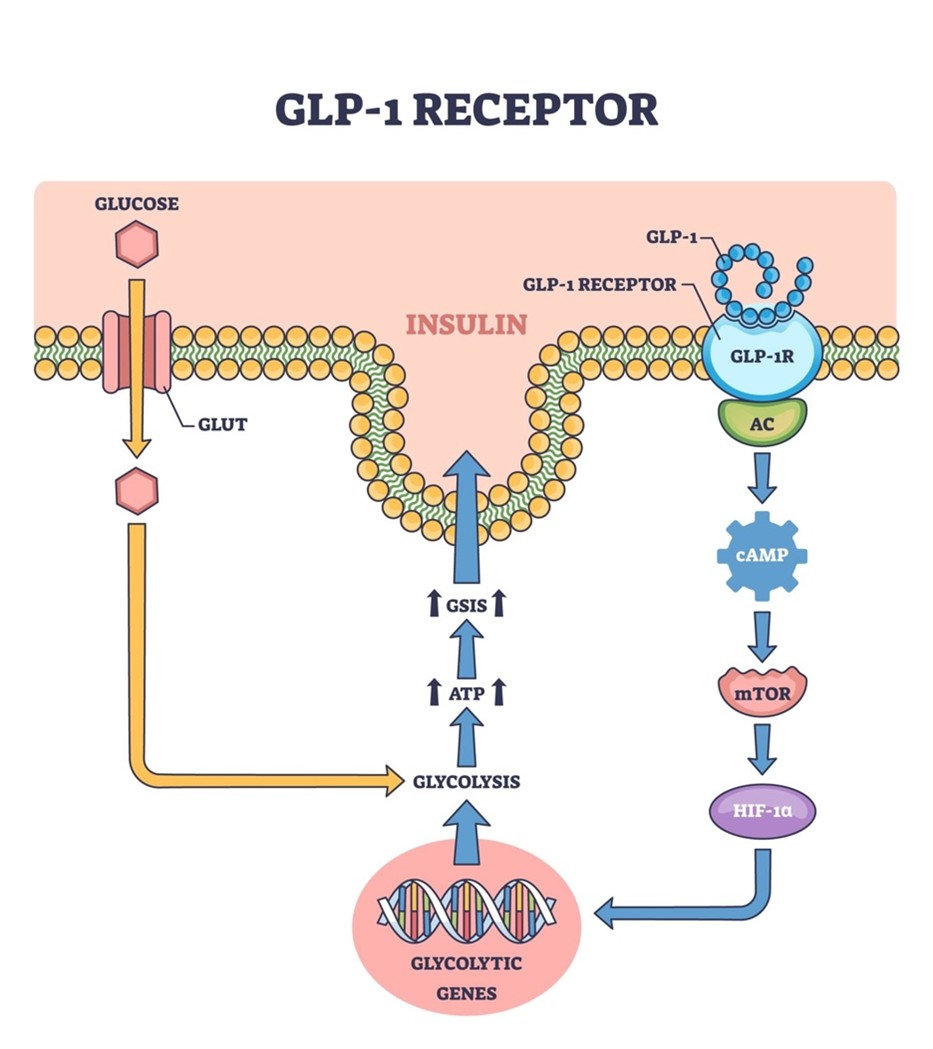
The defining superpower of UC-MSCs is their anti-inflammatory signaling. They release specialized molecules (like IL-10 and TGF-beta) that actively shut down excessive inflammatory responses. By lowering the “background noise” of the immune system, stem cells allow the body’s internal communication lines to open back up. This enhances insulin sensitivity across every tissue type, allowing the body to finally respond to the healthy choices a person is making.
- The Ultimate Goal: Metabolic Flexibility
The hallmark of a truly healthy human is metabolic flexibility of the ability to switch seamlessly between burning carbohydrates and burning fat based on what is available. Most people with metabolic issues are “metabolically brittle”; they can’t adapt to changes in diet or activity without feeling crashed or ill.
By repairing the organs (pancreas, liver, muscle, fat) and clearing the communication lines (inflammation), UC-MSC therapy aims to restore this flexibility. It’s about building a body that is resilient to stress and capable of maintaining a stable energy balance over the long term. This isn’t just about avoiding disease; it’s about optimizing the human “operating system” for longevity and vitality.
Conclusion: A New Era of Wellness
The exploration of Umbilical Cord-Derived Mesenchymal Stem Cells marks a departure from the “pill-for-an-ill” era. We are looking at a future where we don’t just manage the decline of our metabolism, but actively participate in its renewal. While the science is still maturing, the potential for UC-MSCs to serve as a cornerstone of metabolic support is undeniable. By targeting the root cellular causes of dysfunction inflammation, tissue damage, and poor signaling, we are opening the door to a world where “metabolic health” isn’t a struggle, but a baseline.