

Chronic low back pain is now one of the most prevalent long-term health issues affecting adults globally. It also brings with it high levels of emotional stress, movement restrictions, workplace limitations and long-term quality of life decline: not just in terms of day-to-day pain. Once the structural components of the spine start to break down, in many situations, it is difficult for the body to adequately repair them by itself. This frequently creates a feedback loop of degeneration, inflammation, and pain. Standard treatment can alleviate symptoms temporarily, but often fails to reverse the underlying biological changes that drive tissue breakdown. This is why stem cell therapy in Thailand has emerged as a regenerative perspective to address spinal health and provides more than temporary pain relief, with the objective of promoting healing from within.
- Biological mechanisms behind chronic spinal degeneration
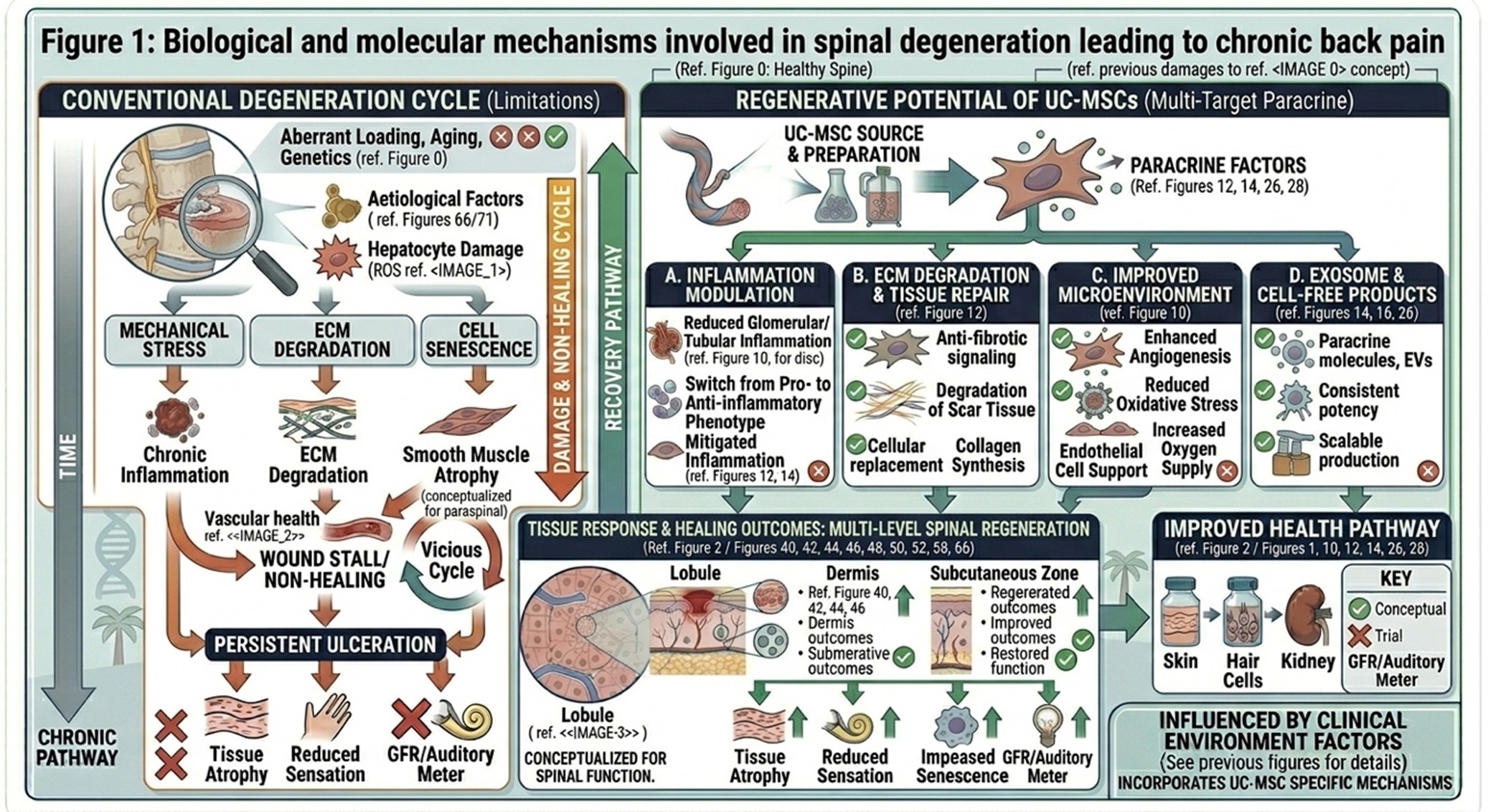
Chronification of spinal pain is closely followed by a cascade of molecular and structural changes in the intervertebral disc and adjacent tissues. The gradual depletion of proteoglycans, which play a crucial role in regulating the hydration state of the disc, is one major issue. This reduces the amount of water within the nucleus pulposus, thus its resilience. With every step, the disc may be losing fluid, drying out, becoming weaker and more susceptible to fissures or structural damage.
These shifts are not in a vacuum. With disc degeneration there is a release of inflammatory mediators that can influence surrounding nerve structures and provide ongoing biochemical irritation. That creates a toxic environment for healthy cells, which fight to stay alive and regenerate and contribute to the chronic pain. As degeneration progresses, disc height decreases, mechanical loading becomes increasingly abnormal, and nerve compression can occur. Collectively, these changes can result in decreased range of motion and escalating discomfort. In addition, stem cell therapy in Thailand is currently being studied as it can contribute to an improved local environment of the tissue and support (biological) repair processes within ruptured spinal structures.
- Conventional treatment and why many patients keep searching for more
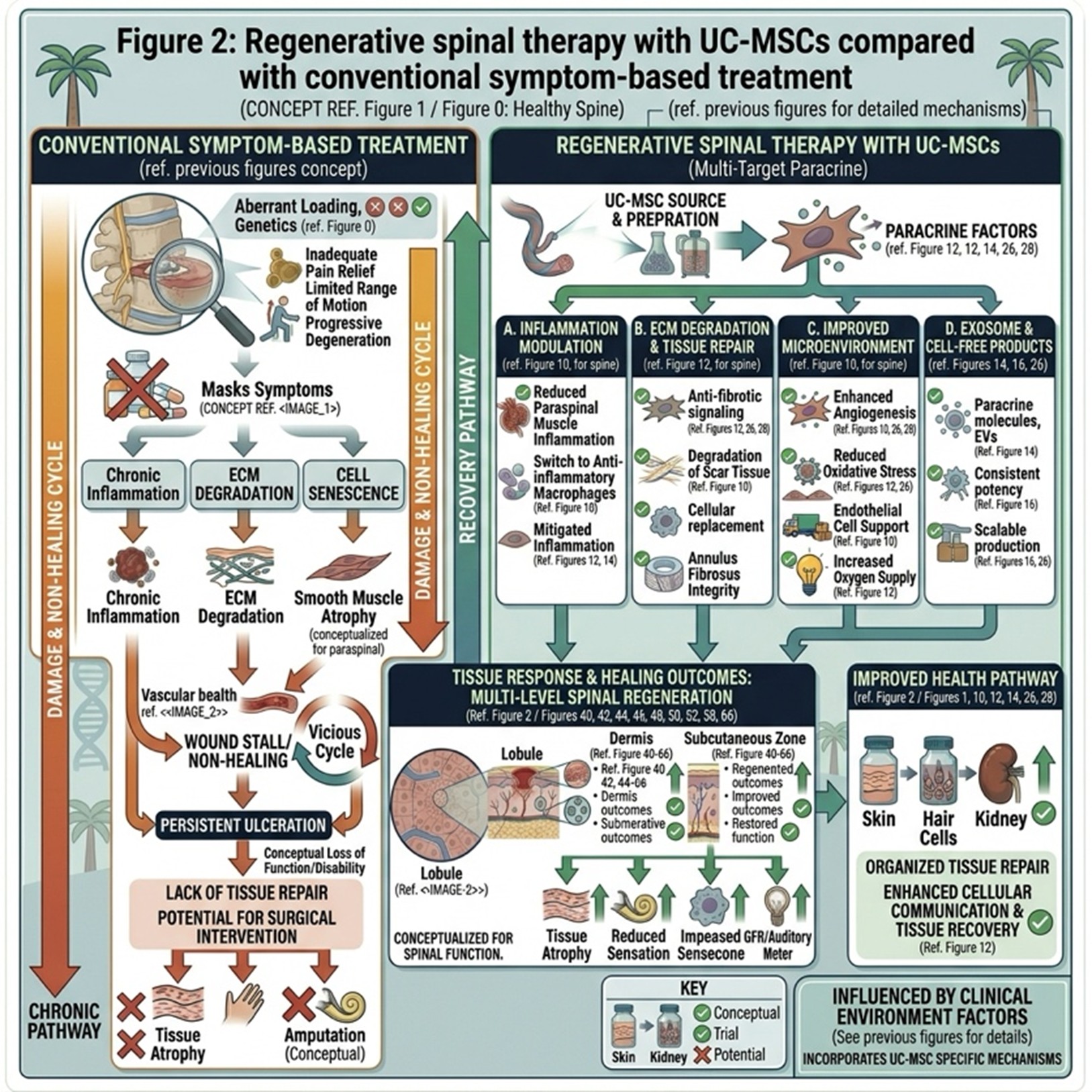
Due to common presentation, current management of chronic spinal problems typically follows a linear pathway. Most patients start with oral pain medications, anti-inflammatory drugs, activity changes and physical therapy. Such measures can help lessen symptoms, particularly in the earlier stages, but they will not repair the damaged disc or reverse loss of structural support. Some patients are given corticosteroid injections if symptoms continue. While these injections may offer short-term relief, repeated usage can increase concerns about tissue weakening and do not address rebuilding the spine on an enduring basis.
And if conservative measures no longer work, surgery will eventually be considered.” Intrusions like spinal fusion may be helpful in select cases, but they are invasive and require recovery time along with putting extra stress on the spinal segments above and below the affected area. This is why many patients look for alternatives that attempt to retain spinal motion and promote tissue repair without major surgery. This has led to increased attention on stem cell therapy in Thailand as a minimally invasive regenerative approach for chronic back pain.
- Why UC-MSCs are being explored for lumbar repair
UC-MSCs, or umbilical cord-derived mesenchymal stromal cells, have been investigated for their strong proliferation potential and paracrine signaling ability to affected tissues. Instead of functioning in the manner typical of a drug, these cells secrete a wide array of bioactive factors including cytokines, growth-related molecules and extracellular vesicles that possibly aid antiinflammatory response and repair.
UC-MSCs are being studied for two significant regenerative roles when administered to regions implicated with chronic back pain. First, they might help to soothe the chronic inflammatory landscape that drives persistent pain and degradation of tissue. Second, they might help resident cells to generate extracellular matrix components, including collagen and other structural barriers that are important for disc integrity. Such dual-acting anti-inflammation plus tissue signal support is one of the reasons our stem cell therapy in Thailand is being more frequently discussed as a biologically-directed approach to chronic low back degeneration.
- Thailand’s role in the future of regenerative spine care
The rapid growth of regenerative medicine in Southeast Asia has propelled Thailand to the forefront as a premier destination for advanced cellular therapies. In Thailand, the high-profile patients of stem cell therapy are not people with terminal illness but those suffering chronic back pain; many arrive on vacation packages specifically tailored to them because they combine a medical team expertise in specific areas with new, modern laboratory infrastructure and treatment systems oriented around newer biologic based clinical protocols. With ongoing investments in medical innovation, this Asian Nation has increasingly emerged as a center for non-surgical regenerative care.
Another element backing this position is the country’s capability to merge biotechnology with clinical use. Thailand is also becoming known for the refinement of methods for preparing and delivering those cells, as demand for non-invasive, restorative treatment continues to grow. For international patients who have not experienced long-term gain from solitary medication, rehabilitation or injections, this adds a new solution to explore. Stem cell therapy in Thailand is thus part of a larger trend toward biologically based spine care that emphasizes healing, not just symptom suppression.
Conclusion
The transition from chronic pain treatment to regenerative spinal support is a significant new direction in medicine. Instead of addressing only reduction of symptoms, newer approaches are looking to biological drivers of tissue failure in the spine. The UC-MSCs were of interest due to their potential to modulate inflammation, facilitate extracellular matrix repair, and ultimately rehabilitate tissues in the degenerating lumbar environment.
For those who have endured persistent back pain, diminished range of motion and cycles of temporary solutions this regenerative modality provides a fresh outlook. Therapies in Thailand utilizing stem cells are an emerging avenue through which spinal care that complements the body’s natural repair processes and aims to bolster enduring resilience can be researched. As regenerative medicine advances, it may even come to redefine how we see chronic back pain in the future with a greater focus on restoration of function and quality of life that lasts.