

The increasing burden of chronic metabolic and vascular disease has posed significant challenges to men’s health, including the rising prevalence of erectile dysfunction. This contributes to a disease that occurs not just in older men but also many younger people, especially those with diabetes, cardiovascular risk factors or nerve-related injury. Erectile dysfunction is not just a physical issue. It can affect confidence, emotional well-being, intimate relationships and overall quality of life in profound ways. The frustration is compounded for many men when standard treatments do not yield satisfactory results. That is why regenerative medicine has been receiving more and more interest. UC-MSC based treatment as a restorative strategy This UC-MSC based treatment is currently being explored at a leading stem cell clinic, and the goal is to promote only short-term symptom control but rather support underlying tissue repair mechanisms in order to help recover biological function.
- Biological basis of erectile dysfunction
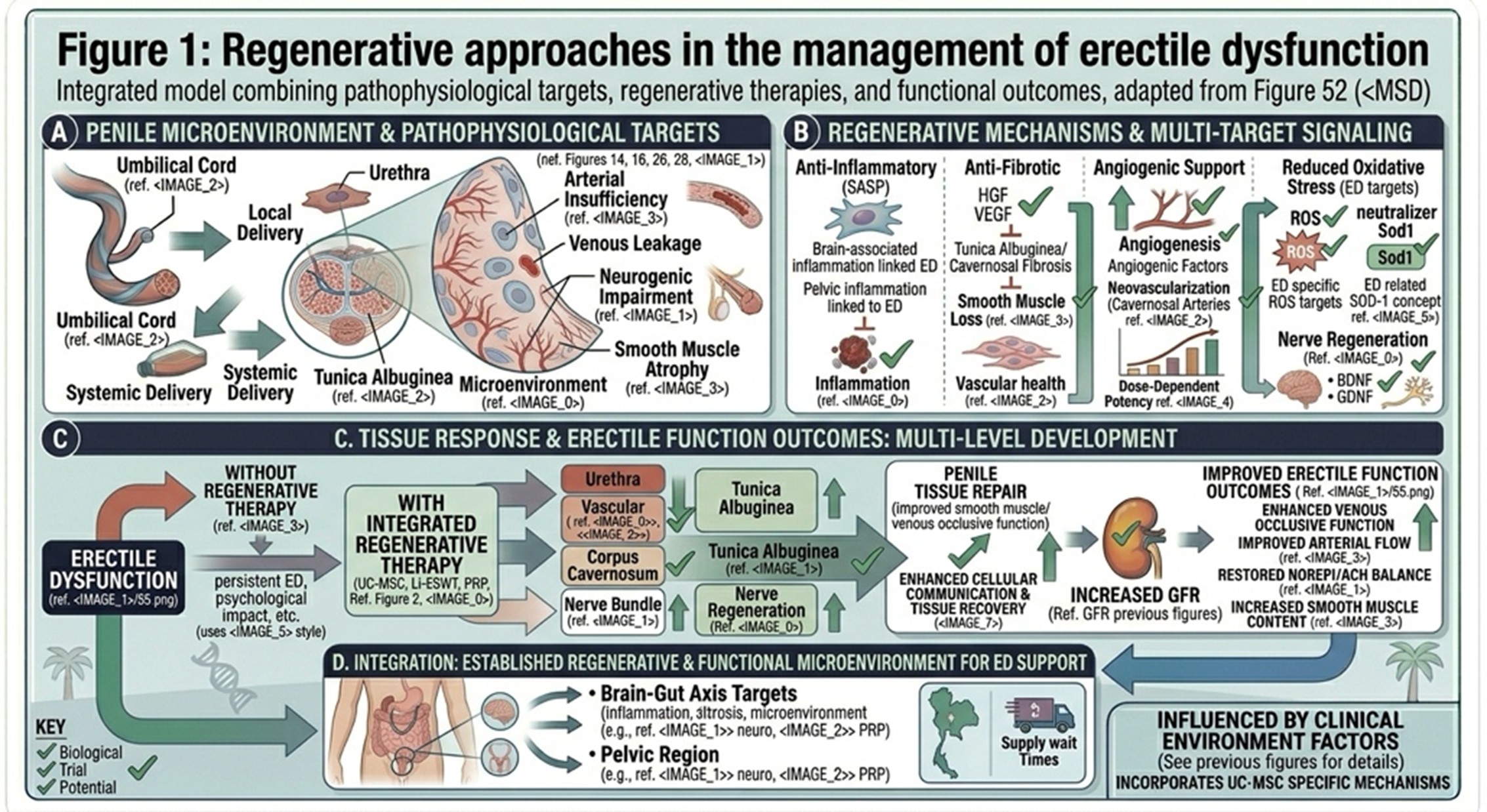
By understanding the vascular and neurological systems involved in normal erectile function, you will understand how erectile dysfunction occurs. An erection relies on sufficient blood flow into the corpus cavernosum, normal endothelial function, responsive smooth muscle and intact nerve signaling. Most often, the disorder occurs when there is diminished blood inflow or when penile tissue cannot sustain enough vascular engorgement. One of the major mechanisms is endothelial dysfunction, where damaged blood vessel(s) are unable to dilate properly.
Furthermore, chronic inflammation, diabetes, oxidative stress and long-term metabolic injury damage smooth muscle cells and encourage fibrotic change in erectile bodies. The tissue responds to vascular and neural stimulation less effectively as it hardens. Nerve injury, which can also exacerbate this disorder by disrupting the signals required for starting and sustaining an erection. It’s not one isolated problem, it’s a complicated disorder of structural failure, vascular failure, and neurological failure. In this scenario, UC-MSC-based therapy provided through a high-level stem cell clinic is being studied as it may help to modify these underlying tissue changes at the biological level.
- Limitations of conventional treatment and the role of UC-MSC-based care
Current medical management for erectile dysfunction still relies heavily on medications that increase blood flow by targeting enzyme pathways involved in penile vasodilation. Although these drugs can be effective for many men, they also have important limitations. Some patients experience side effects such as facial flushing, nasal congestion, headache, or gastrointestinal discomfort. More importantly, these medications do not repair damaged tissue, reverse fibrosis, or restore nerve integrity. Their effect is functional and temporary rather than regenerative.
Other commonly used approaches, including vacuum devices and mechanical aids, may be useful in selected cases but are often seen as inconvenient or unsatisfactory for long-term use. These options may not feel natural to patients and do not directly address the biological causes of erectile tissue deterioration. As a result, many men look for approaches that focus on restoration rather than temporary assistance. This is where UC-MSC-based care has emerged as a subject of interest in regenerative medicine.
When introduced through specialized regenerative protocols, UC-MSCs are valued for their paracrine activity, immunomodulatory behavior, and regenerative signaling potential. These cells may release growth-related factors that support endothelial repair, nerve recovery, and improvement of the local tissue environment. One of the most important goals is to encourage healthier microvascular development and improve the condition of the erectile tissue. In addition, UC-MSCs may help reduce persistent inflammation and fibrosis, which are major barriers to smooth muscle recovery. This makes them particularly relevant in cases where erectile dysfunction is linked to vascular injury, diabetic change, or nerve impairment.
- Thailand’s growing position in regenerative medicine
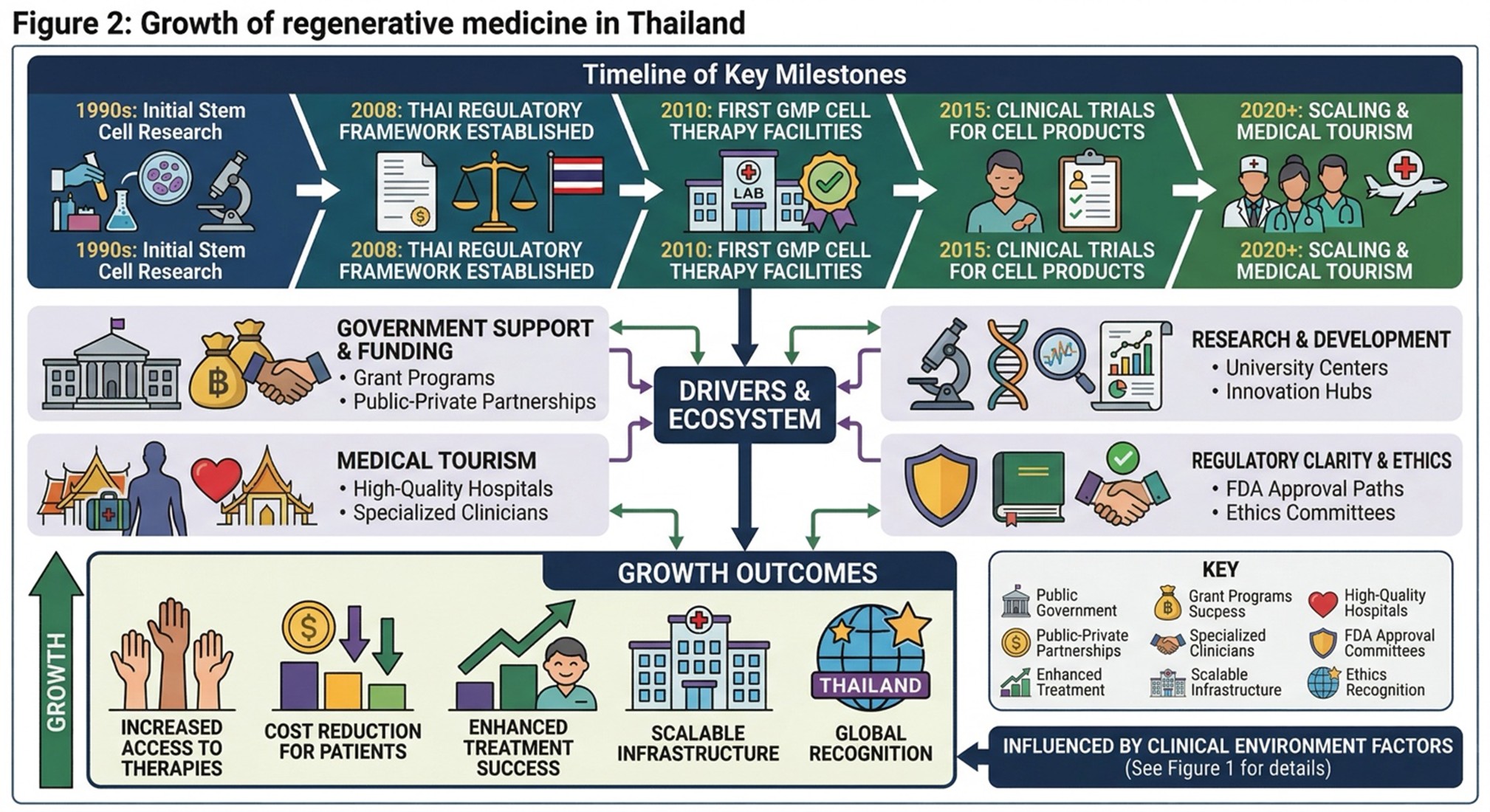
The aim of this article is to provide a brief overview of the current status and applications of stem cell therapy in Thailand, which is progressively emerging as one of the leaders for regenerative medicine with UC-MSC based strategies for complex and refractive conditions. The country’s move in this region is bolstered by growing medical infrastructure with laboratory systems and experience for longevity-oriented care cell-based. The combination of modern healthcare systems and growing expertise in biologic therapies has made Thailand an attractive destination for many patients.
Stem cell clinics in Thailand are increasingly engaged in the research and development of regenerative protocols for degenerative male health conditions, namely erectile dysfunction under this new environment. This has been driven by strong laboratory standards, specialized clinical services and increasing biomedical interest. As the country further establishes itself as a leading medical destination in Southeast Asia, regenerative interventions are likely to gain more executive sponsorship and become much larger parts of future therapeutic based vertical programs. This, in turn, has further enhanced Thailand’s position as an increasingly significant destination for men’s health and medical tourism.
- A restorative direction for the future of men’s health
Modern medicine is slowly moving away from only treating the symptoms when they become too troubling, towards a focus on restoring biological function more directly. The changed perception is evident in the increasing interest in UC-MSC-based approaches for erectile dysfunction. Instead of pill- or endovascular-based therapies, which only provide a temporary crutch for patients with high-risk ambulation to live life with the vascular condition, regenerative strategies seek to support-championed the damaged architectures in both the vascular and neural structures contributing to loss of function.
UC-MSCs are a more restorative concept in men’s health care through the targeted manifestations of fibrosis, inflammation, endothelial injury, and tissue damage. The goal for many patients isn’t just about physical improvement, but the regaining of confidence, emotional wellness and relationship quality. So in that sense regenerative medicine is something with importance above and beyond the mechanical elements of erectile function. And it is linked with quality of life, psychological health and longevity.
Over time and with advancements in regenerative science, some of the leading stem cell clinics may emerge as top providers of advanced biologic care for male reproductive health. The application of UC-MSCs may have its place as part of a larger shift toward supportive tissue regeneration and functional recovery, as well as proactive model of wellness in men experiencing erectile dysfunction.