

Type 2 diabetes mellitus (T2DM) is a widespread metabolic condition that continues to rise globally, affecting millions of people across different age groups. Although current medical treatments are effective at controlling blood sugar, they do not directly repair the underlying cellular damage or stop the disease from progressing.
In recent years, regenerative medicine has introduced a new perspective in the management of Type 2 diabetes. One of the most promising strategies is stem cell therapy, especially using umbilical cord–derived mesenchymal stem cells (UC-MSCs). Rather than focusing solely on symptom control, this innovative treatment aims to restore pancreatic function, improve insulin sensitivity, and potentially alter the natural course of the disease.
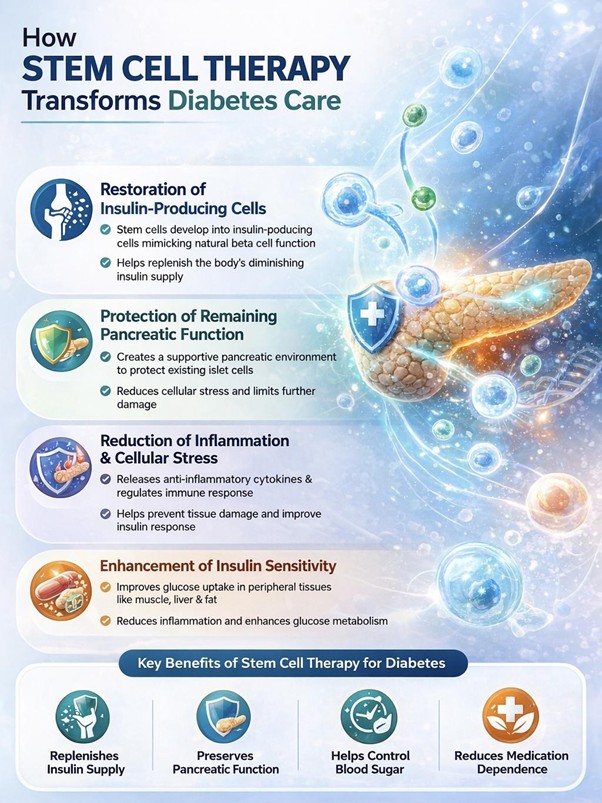
Transforming Diabetes Care Through Stem Cell Therapy
- Restoration of Insulin-Producing Cells
Stem cells have the ability to develop into insulin-producing cells under specific laboratory conditions. These newly formed cells can respond to glucose levels by releasing insulin, closely mimicking the natural behavior of pancreatic beta cells. This regenerative potential offers hope for replenishing the body’s diminishing insulin supply.
- Protection of Remaining Pancreatic Function
Stem cells release a variety of growth factors and signaling molecules that help create a supportive environment within the pancreas. This environment reduces cellular stress, limits damage caused by oxidative processes, and protects the remaining islet cells from further deterioration. By preserving existing beta cell function, stem cell therapy may slow the progression of the disease.
- Reduction of Inflammation and Cellular Stress
Stem cells are well known for their ability to reduce inflammation and regulate immune system activity. Stem cells release cytokines and other bioactive compounds that help regulate immune system activity and reduce harmful inflammation. Lowering inflammation not only protects pancreatic tissue but also improves how the body responds to insulin at the cellular level.
- Enhancement of Insulin Sensitivity
Stem cell therapy may improve the way the body’s tissues respond to insulin. Peripheral tissues such as muscle, liver, and fat are critical for glucose metabolism, and their reduced sensitivity to insulin is a hallmark of T2DM. Stem cells can enhance mitochondrial function and reduce inflammatory markers in these tissues, promoting better glucose uptake and utilization. This combined effect—improving both insulin secretion and sensitivity—makes stem cell therapy a particularly comprehensive treatment approach.
Stem Cell Therapy Evidence from Clinical Research for Type 2 Diabetes
- Outcomes from Stem Cell-Based Studies
Results have shown improvements in key metabolic indicators, including reductions in glycated hemoglobin (HbA1c), which reflects long-term blood glucose control. Patients have also demonstrated lower fasting blood glucose levels and increased C-peptide levels, a marker of endogenous insulin production. In many cases, participants were able to reduce their reliance on insulin injections or oral medications.
- Findings Specific to Stem Cell Therapy
Participants often experience sustained improvements in glucose regulation, along with enhanced pancreatic function. Some individuals have achieved partial or complete independence from insulin therapy for extended periods, ranging from several months to years. These outcomes suggest that stem cell therapy may influence the disease at a fundamental level.
- Long-Term Observations
Follow-up studies conducted in various regions, particularly in Asia, have indicated that the benefits of stem cell therapy can persist over time. Improved glycemic control lasting one to two years has been observed in certain patient groups. Notably, a significant proportion of individuals in some studies were able to discontinue insulin use altogether for prolonged periods. While larger-scale research is still needed, these findings highlight the potential of regenerative therapies to deliver durable results.
Stem Cell Therapy Advantages Compared to Conventional Treatments Offer for Diabetes
- Focus on Regeneration: Instead of only managing blood sugar levels, this approach aims to repair damaged tissues and restore normal physiological function.
- Reduced Medication Dependence: As pancreatic performance and insulin sensitivity improve, patients may gradually decrease their reliance on medications.
- Favorable Safety Profile: Current evidence suggests that stem cell therapy is generally well-tolerated, with relatively few side effects compared to long-term drug use.
- Improved Quality of Life: Better metabolic control and fewer treatment requirements can significantly enhance daily living and overall well-being.
- Potential Disease Modification: By addressing the root causes of T2DM, stem cell therapy may slow or even alter disease progression, offering a more sustainable solution.
Thailand’s Role in Advancing Regenerative Medicine for Type 2 Diabetes
- Advanced Medical Facilities: Many hospitals and laboratories are equipped with state-of-the-art technology and operate under strict quality standards for stem cell
- Access to Ethical Cell Sources: Stem cells are obtained from donated umbilical cord tissue, ensuring ethical sourcing and high biological quality.
- Skilled Specialists: Medical teams in Thailand often have international training and extensive experience in stem cell-based treatments.
- Affordability: Compared to Western countries, the cost of therapy is significantly lower, making it more accessible without compromising quality.
- Integrated Care Programs: Treatment plans frequently include lifestyle interventions such as nutrition, exercise, and metabolic management to support long-term outcomes.
Conclusion: A New Direction in Diabetes Management
Stem cell therapy represents a significant advancement in the treatment of Type 2 diabetes. By targeting the underlying mechanisms of the disease—such as inflammation, insulin resistance, and beta cell dysfunction—it offers the potential to move beyond symptom control toward genuine restoration of metabolic health. This approach not only improves blood sugar regulation but also opens the possibility of long-term disease modification.
As research continues to evolve, regenerative medicine is likely to play an increasingly important role in diabetes care. Thailand, with its advanced healthcare system and commitment to innovation, is at the forefront of this transformation. For individuals seeking alternatives to conventional therapies, stem cell treatment provides a promising and forward-looking option—one that may redefine the future of living with Type 2 diabetes.