

Advanced Regenerative Medicine and UC-MSCs as a Transformative Paradigm for Parkinson’s Disease Stem Cell Therapy in Thailand
The neurological landscape is witnessing a profound shift as medical science moves beyond symptomatic management toward biological restoration. In this context, Parkinson’s Disease represents one of the most taxing neurodegenerative challenges of the modern era. This condition is characterized by the progressive loss of dopaminergic neurons within the substantia nigra pars compacta. This cellular attrition leads to a devastating cascade of motor impairments, including tremors, rigidity, and postural instability.
However, the impact of Parkinson’s Disease extends beyond physical manifestations. The disease exerts a heavy toll on mental health and cognitive function, eventually stripping individuals of their autonomy. As the global population ages, the socioeconomic burden of this condition intensifies, necessitating a transition from temporary fixes to permanent cellular and Regenerative Medicine solutions.
1.Understanding the Pathophysiology of Neuronal Decay
The core mechanism of Parkinson’s Disease involves the misfolding of alpha-synuclein proteins, which aggregate into toxic clumps known as Lewy bodies. These aggregates disrupt cellular homeostasis, leading to mitochondrial dysfunction and oxidative stress. As the dopaminergic neurons die, the delicate balance of the basal ganglia is compromised, resulting in the classic motor symptoms.
The severity of the disease is measured by the extent of this neuronal loss, which usually reaches a threshold of 60 to 80 percent before clinical symptoms appear. This late-stage diagnosis means that by the time a patient seeks help, the brain has already suffered significant structural damage, making traditional pharmaceutical interventions less effective over time.
2.Current Standard of Care and Limitations
Current pharmacological Parkinson’s Disease approaches primarily rely on Levodopa or dopamine agonists to replenish the brain’s dwindling dopamine levels. While these treatments offer a honeymoon period of symptom relief, they do not halt the underlying neurodegeneration. Over years of use, many patients develop motor fluctuations and dyskinesia—involuntary, jerky movements caused by the medication itself.
Furthermore, deep brain stimulation, while effective for certain motor symptoms, involves invasive surgery and does not address the non-motor aspects of the disease like depression or cognitive decline. These limitations highlight a desperate need for Regenerative Medicine strategies that can actually replace the lost hardware of the brain rather than just tweaking the software.
3.The Role of Regenerative UC-MSCs Medicine in Therapeutic Innovation
Umbilical cord-derived mesenchymal stem cells, or UC-MSCs, have emerged as a frontrunner in the field of Stem Cell therapy as Regenerative Medicine due to their unique immunomodulatory and neuroprotective properties. Unlike traditional treatments, UC-MSCs function through several complex biological pathways. First, they secrete growth factors and cytokines, such as brain-derived neurotrophic factor, which support the survival of existing neurons. Second, their immunomodulatory capacity allows them to dampen the chronic neuroinflammation that accelerates cell death in Parkinson’s Disease.
The mechanism of action is multifaceted. These cells migrate to the sites of injury—a process called homing—where they release extracellular vesicles containing microRNAs that can reprogram the local microenvironment. This shift from a pro-inflammatory state to a pro-healing state is crucial. By reducing the activation of microglia and astrocytes, UC-MSCs create a bio-shield that protects surviving dopaminergic cells from further oxidative damage. This dual action of protection and potential replacement is why researchers believe that Stem Cell integration is the only way to achieve long-term remission.
4.Future Prospects for Cellular Therapy in Thailand
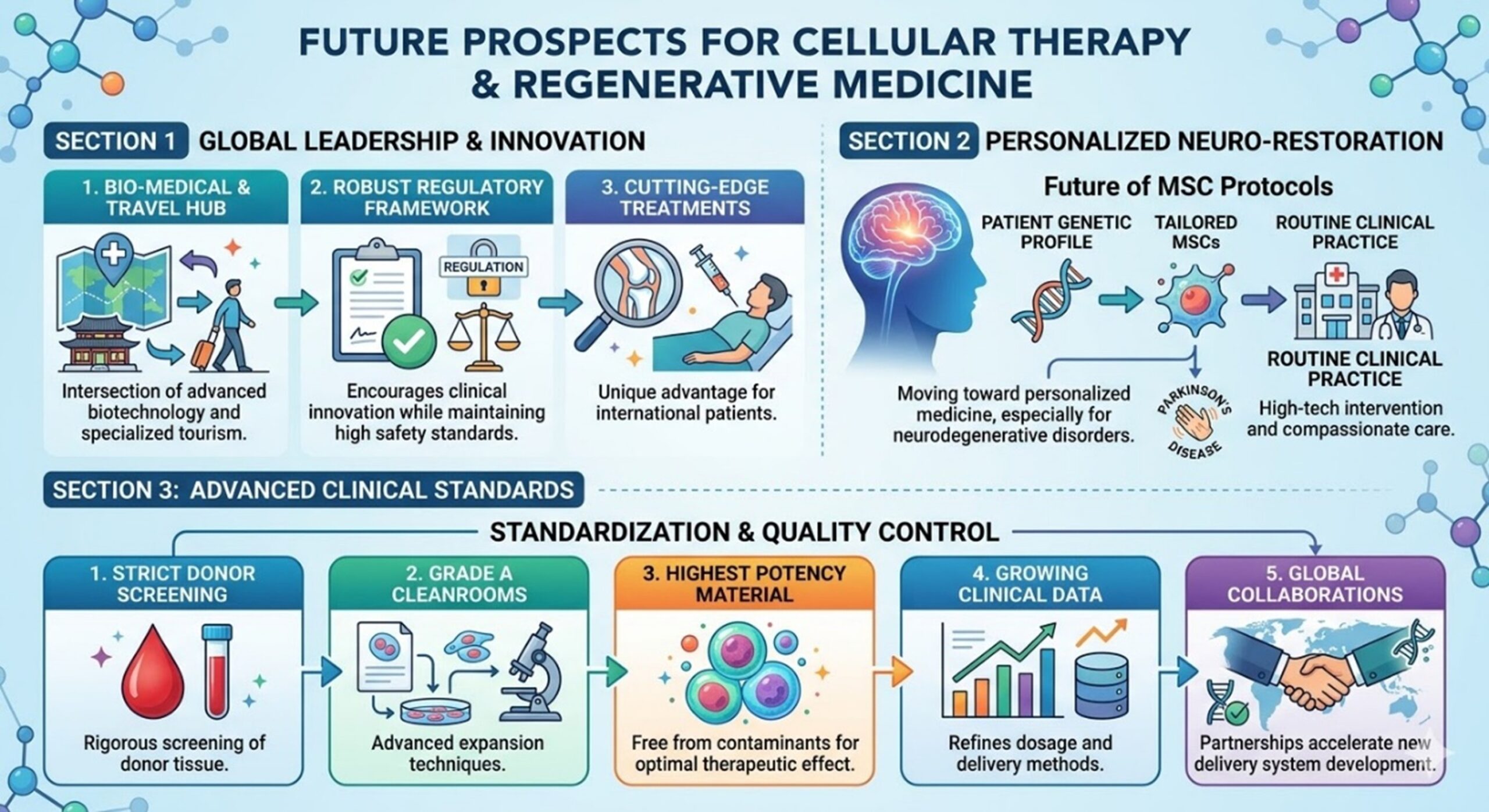
The trajectory of Regenerative Medicine in Thailand is exceptionally promising, positioned at the intersection of advanced biotechnology and specialized medical tourism. Thailand has established itself as a regional hub for cellular research, backed by a regulatory framework that encourages clinical innovation while maintaining high safety standards. The country’s medical infrastructure provides a unique advantage for international patients seeking cutting-edge treatments that might be bogged down by bureaucracy elsewhere.
Why Thailand? Beyond the world-class hospital facilities, the nation has invested heavily in laboratory excellence and specialized training for neurologists and cellular biologists. The future involves moving toward personalized protocols where MSCs are tailored to the specific genetic profile of the patient. This evolution will likely see Thailand leading the way in integrating Stem Cell Regenerative Medicine protocols into routine clinical practice for neurodegenerative disorders likes Parkinson’s Disease, offering a blend of high-tech intervention and compassionate care that is difficult to replicate in other regions.
5.Advanced Clinical Integration and Safety Standards
As Thailand solidifies its position, the focus has shifted toward the standardization of UC-MSC Regenerative Medicine protocols. This involves rigorous screening of donor tissue and advanced expansion techniques in Grade A cleanrooms. For patients with Parkinson’s Disease, this ensures that the biological material is of the highest potency and free from contaminants. The integration of Regenerative Medicine into the broader healthcare system in Thailand is also supported by a growing body of local clinical data, which helps refine dosage and delivery methods for optimal neuronal support.
Furthermore, the collaboration between Thai research institutes and international biotechnology firms has accelerated the development of targeted delivery systems. These systems aim to enhance the homing capabilities of UC-MSCs, ensuring that a higher concentration of secretomes reaches the affected areas of the brain. This precision-based approach is a hallmark of the medical excellence found in Thailand today.
In summary, the transition from palliative care to restorative therapy represents the most significant leap in managing Parkinson’s Disease. While traditional drugs provide temporary relief, they fail to address the core issue of neuronal death. Through the lens of Regenerative Medicine, we can now look toward a future where UC-MSCs offer a multi-pronged attack against neurodegeneration—modulating inflammation, secreting vital growth factors, and protecting the brain’s architecture. As research matures, Thailand remains at the forefront of this medical revolution, providing a beacon of hope for those seeking to reclaim their lives from the grip of this progressive illness. The integration of Stem Cell science into the clinical landscape is not just a scientific milestone but a necessary evolution for global health.