

Regenerative medicine is an evolving field, and these days there is increasing interest in targeted nutritional and biological support combined with regenerative medicine. As stem cell–based approaches target cellular repair and signaling, many clinicians and researchers are investigating whether particular supplements may facilitate these processes by enhancing a local environment with e.g. NAD+, growth factors or immune-supportive capacities. Instead of being seen as direct treatments, these supplements are more than likely thought to serve primarily as adjunctive means that may improve cellular function, metabolic equilibrium, and tissue regeneration. It also provides patients in need of integrative regenerative strategies, a greater awareness and appreciation for how these elements interact with the body.
The Role of Cellular Environment in Regeneration
The cellular microenvironment, the adjacent biological environment known to greatly influence stem cell activity. Cellular signaling and function can be profoundly affected by inflammation, oxidative stress, and metabolic efficiency
To have optimum regenerative activity, the body usually needs:
- Balanced immune responses
- Efficient cellular energy production
- Controlled inflammation levels
- Effective signaling between cells
- Adequate nutrient availability
If these conditions are disrupted, however, the body’s natural repair systems may not function properly. This is also an area that needs to be further elucidated where supportive measures including targeted supplementation provide benefit.
NAD+ and Cellular Energy Support
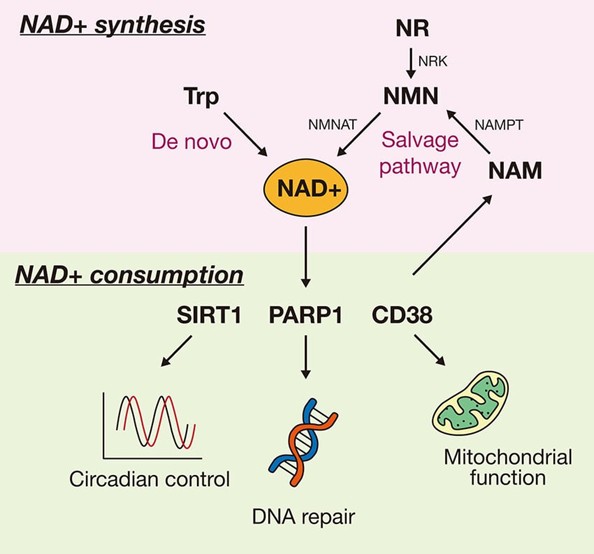
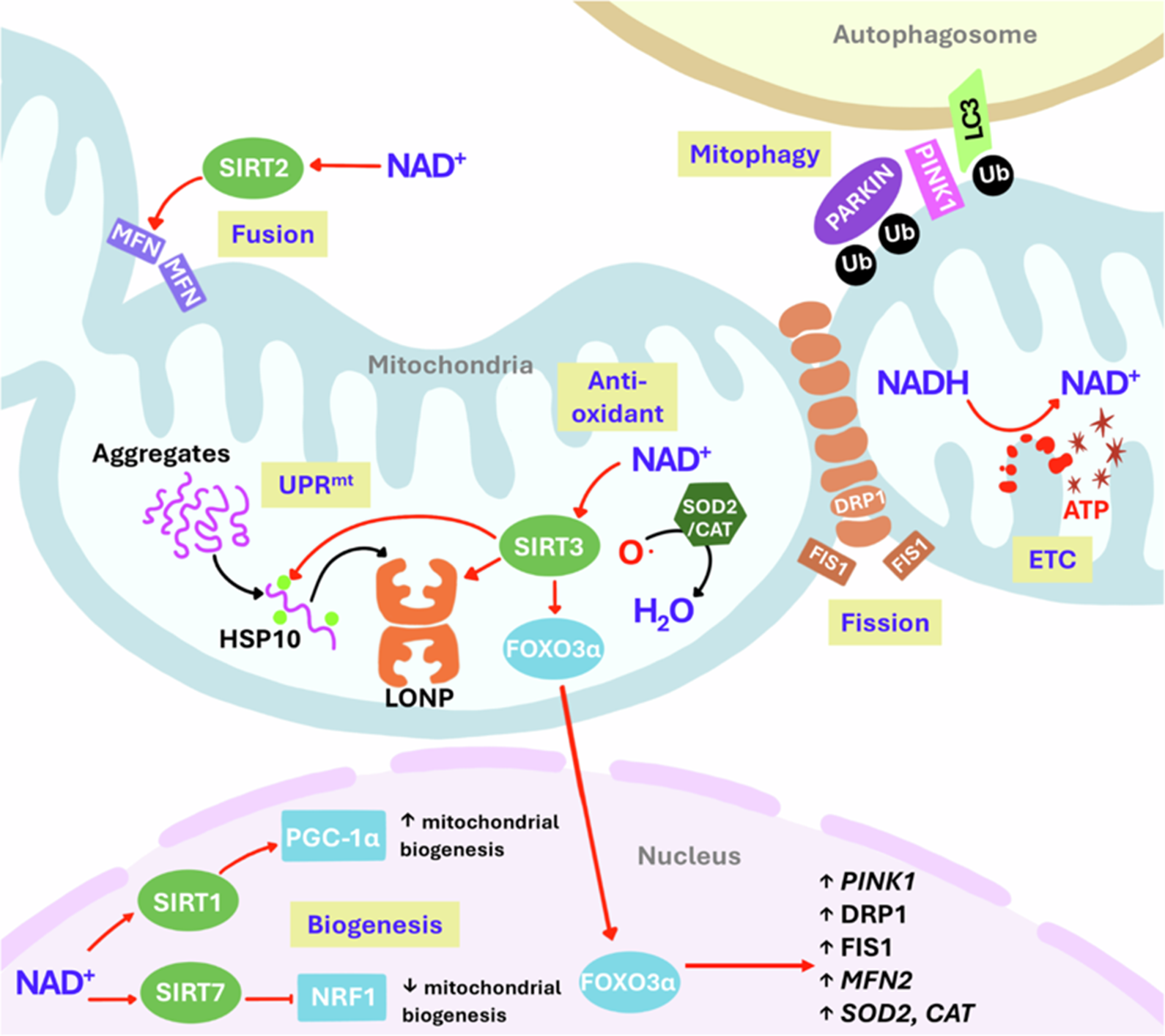
Studies have shown that levels of NAD+ decrease with age and metabolic stress. Supporting NAD+ availability may:
- Enhance mitochondrial function
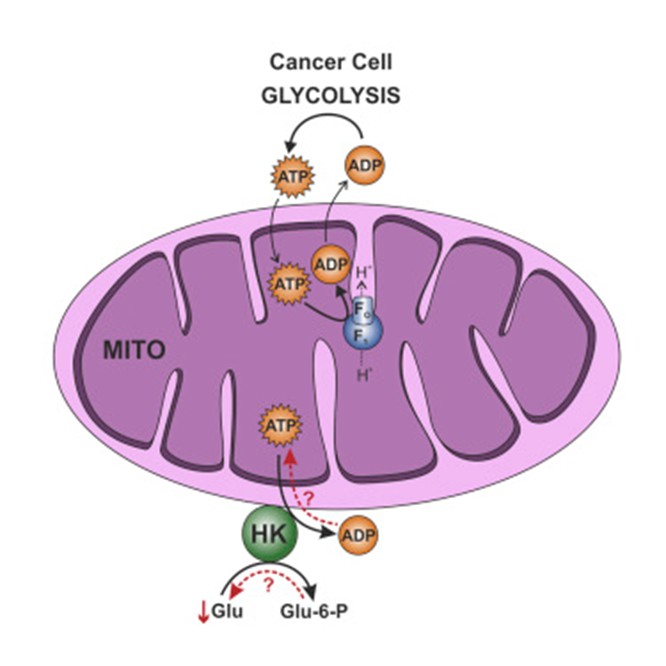
- Support cellular energy production
- Contribute to DNA repair processes
- Help regulate oxidative stress
These effects can lead to a more supportive environment for the cells responsible for regeneration, however clinical outcomes differ.
Growth Factors and Cellular Signaling
Growth factors are naturally occurring proteins that are key regulators of cell behaviour, including proliferation, differentiation, and tissue repair.
In regenerative settings, growth factors are linked with:
- Cellular communication and signaling
- Tissue repair processes
- Formation of new blood vessels (Angiogenesis)
- Structural proteins support (e.g. collagen)
- Instead of, as previously assumed, acting in isolation, growth factors are operating within complex signaling networks that determine how cells respond to injury and stress.
Used in the context of a broader regenerative strategy these may help to support the environment in which repair processes take place.
Immune Support and Inflammation Balance
Regeneration is central to the role of the immune system. Inflammation is essential to the healing process, enabling tissues to repair itself; however, excessive or prolonged inflammation can disrupt tissue repair.
Immune-supportive supplements are frequently examined for their ability to:
- Help regulate inflammatory responses
- Support immune balance
- Reduce excessive cellular stress
- Promote recovery conditions
A balanced immune response is especially key in regenerative settings, as it determines how well the body can cope with tissue injury and repair.
Figure 2: Integrated Cellular Support in Regeneration
Integrating Supplements with Regenerative Approaches
Keep in mind that products such as NAD+, growth factor supplements like EGF, & immune boosters are not substitutes for medical treatment. Rather, they are often considered as adjunctive approaches to a more global care plan.
Correctly integrated, these approaches can:
- Support cellular efficiency
- Enhance metabolic balance
- Complement regenerative therapies
- Improve overall recovery conditions
But as always results depend on a variety of different factors, including individual health status, treatment protocols and the consistency or the quality of care.
Conclusion
Regenerative medicine is increasingly more holistic, looking not just at cellular therapies but the environment in which those cells function. NAD+, growth factors and immune supportive compounds are some of those being explored for their potential optimal cellular energy, signaling and inflammation support. Such approaches, though not curative, are only support to bioengineer better conditions for the tissue repair and health in general.
The important point for patients is that with realism in expectations, along with collaboration under proper medical oversight and guidance, all these efforts will be integrated so as to target a single health aim.