

Crohn’s disease is a chronic and often debilitating condition classified under inflammatory bowel diseases (IBD). It is characterized by ongoing inflammation that can occur anywhere along the gastrointestinal tract, although it most frequently affects the small intestine and the colon. This persistent inflammation can lead to a range of complications, including ulcers, thickening of the intestinal walls, and narrowing of the digestive passages. Individuals living with Crohn’s disease commonly experience abdominal discomfort, prolonged diarrhea, fatigue, unintended weight loss, and impaired nutrient absorption.
Although current treatment strategies—such as anti-inflammatory medications, immunosuppressive drugs, and surgical interventions—can help manage symptoms, they do not provide a permanent cure. Many patients continue to endure cycles of flare-ups and remission, which can significantly impact their quality of life. As a result, there is growing interest in alternative therapies that address the root causes of the disease rather than just its symptoms.
One of the most promising developments in this field is stem cell therapy, particularly the use of umbilical cord–derived mesenchymal stem cells (UC-MSCs). In Thailand, where regenerative medicine is advancing rapidly, this innovative treatment is gaining recognition as a potential breakthrough for Crohn’s disease management. Unlike traditional therapies, stem cell treatment focuses on repairing damaged tissues, regulating the immune system, and promoting long-term healing within the digestive tract.
How Stem Cell Therapy Aids in the Management of Crohn’s Disease
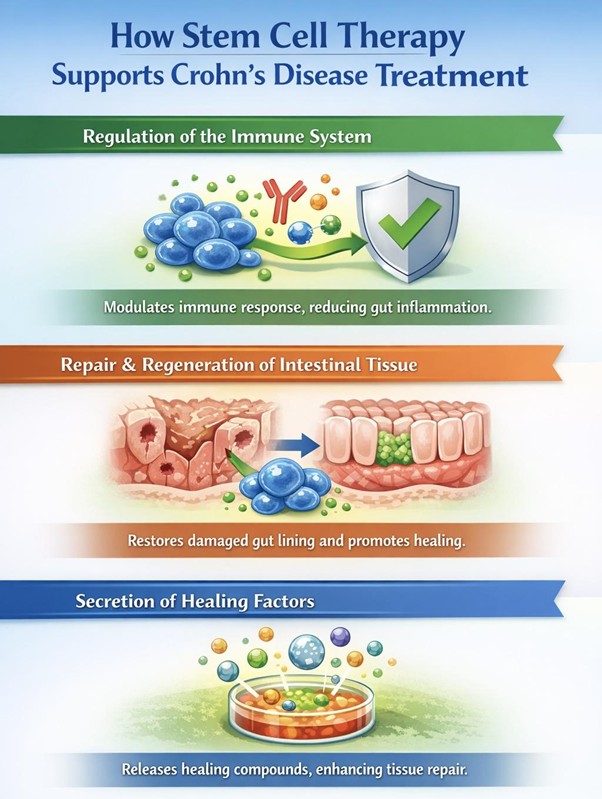
- Regulation of the Immune System: Crohn’s disease is driven by an abnormal immune response in which the body mistakenly attacks its own intestinal tissues. Stem cells help correct this imbalance by releasing anti-inflammatory molecules that suppress excessive immune activity. This process reduces the production of harmful cytokines and helps restore immune equilibrium, leading to decreased inflammation in the gut.
- Repair and Regeneration of Intestinal Tissue: Chronic inflammation in Crohn’s disease often damages the lining of the digestive tract, resulting in ulcers, fissures, and other structural issues. Stem cells can contribute to tissue repair by differentiating into cells that make up the intestinal lining. This regenerative capability helps restore the integrity of the gut, improving digestion and nutrient absorption.
- Secretion of Healing Factors: Stem cells release a variety of bioactive substances, including growth factors, cytokines, and extracellular vesicles. These compounds play a vital role in promoting cellular repair, encouraging the formation of new blood vessels, and creating an environment that supports healing. This enhanced microenvironment accelerates recovery and improves overall gastrointestinal function.
Key Advantages of Stem Cell Therapy for Crohn’s Disease
- Targeting the Root Cause of Inflammation: Rather than simply suppressing symptoms, stem cell therapy addresses the underlying immune dysfunction that drives Crohn’s disease. By restoring immune balance, it provides a more sustainable and effective solution for managing inflammation.
- Improved Healing of the Digestive Tract: The regenerative properties of stem cells support the repair of damaged intestinal tissue. This can lead to improved digestive efficiency, reduced complications such as bleeding or ulceration, and better nutrient absorption.
- Reduced Need for Surgical Intervention: In advanced cases of Crohn’s disease, complications like strictures (narrowed segments of the intestine) and fistulas (abnormal connections between organs) often require surgery. Stem cell therapy may help prevent or delay these complications by promoting natural tissue repair and maintaining structural integrity.
- Longer Periods of Remission: Because stem cell therapy addresses both inflammation and tissue damage, patients may experience more prolonged remission phases. This can translate into fewer flare-ups, decreased reliance on medications, and an overall improvement in quality of life.
Clinical Evidence and Research Insights
Recent clinical studies and trials have provided encouraging evidence supporting the use of stem cell therapy in Crohn’s disease management. Findings from these studies indicate that patients undergoing stem cell treatment may experience:
- A decrease in both the intensity and occurrence of symptoms
- Healing of intestinal fistulas and ulcers
- Longer remission periods
- Decreased dependence on immunosuppressive medications
These outcomes highlight the growing recognition of stem cell therapy as a viable and innovative treatment option for individuals with Crohn’s disease. The existing data suggest that this approach holds substantial promise.
The Role of Thailand in Advancing Treatment
Thailand has positioned itself as a leading destination for regenerative medicine, offering access to advanced stem cell therapies supported by modern healthcare infrastructure and experienced specialists. Clinics in the country are increasingly incorporating stem cell therapy into their treatment programs for Crohn’s disease, often combining it with comprehensive care plans that include dietary management, lifestyle modifications, and medical monitoring.
This integrated approach ensures that patients receive holistic care, addressing both the symptoms and underlying causes of their condition. As a result, Thailand continues to attract individuals seeking innovative and effective solutions for chronic diseases like Crohn’s.
Conclusion
Stem cell therapy represents a significant advancement in the management of Crohn’s disease, offering a new approach that goes beyond symptom control. By targeting immune dysfunction, promoting tissue regeneration, and enhancing the healing environment within the digestive tract, this therapy provides a more comprehensive and potentially long-lasting solution.
For patients struggling with the challenges of chronic inflammation and recurring symptoms, stem cell therapy offers renewed hope. As research continues to evolve and treatment protocols become more refined, stem cell therapy is likely to play an increasingly important role in the future of Crohn’s disease care. In Thailand, where innovation in regenerative medicine is rapidly progressing, this therapy is helping to redefine treatment possibilities and improve outcomes for patients worldwide.