

Osteoporosis is a chronic skeletal condition marked by a gradual reduction in bone density and deterioration in bone structure. The condition is widespread and affects millions of people worldwide. Although osteoporosis can develop in both men and women, it is particularly common among postmenopausal women. The decline in estrogen levels that occurs after menopause accelerates bone resorption, causing bone mass to decrease more rapidly than it can be replaced.
Limitations of Conventional Osteoporosis Treatments
Traditional treatment strategies for osteoporosis generally focus on slowing the rate of bone loss and preventing fractures. These approaches often include calcium and vitamin D supplementation to support bone mineralization, along with medications such as bisphosphonates that help inhibit bone breakdown. Hormone replacement therapy may also be recommended in some cases to compensate for the hormonal changes associated with menopause.
While these treatments can be effective in maintaining existing bone density and reducing fracture risk, they rarely restore bone tissue that has already been lost. Most conventional therapies are designed primarily to preserve bone rather than regenerate it. As a result, researchers and clinicians have begun exploring new regenerative approaches that focus on rebuilding bone at the cellular level.
Regenerative Medicine and Stem Cell Therapy
Regenerative medicine is an evolving medical field that aims to repair damaged tissues and restore normal biological function. One of the most promising developments within this field is the use of mesenchymal stem cells derived from umbilical cord tissue, commonly known as UC-MSC stem cells.
In the context of osteoporosis, stem cell therapy focuses on stimulating bone regeneration, improving skeletal strength, and correcting the biological imbalance responsible for excessive bone loss.
The Role of Stem Cells in Bone Regeneration
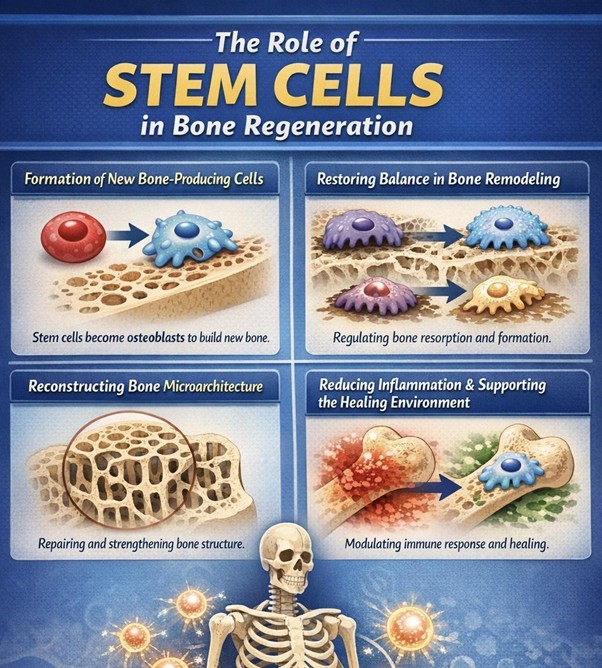
Formation of New Bone-Producing Cells: When stem cells are introduced into areas affected by osteoporosis, they can help increase the number of osteoblasts available for bone formation. By enhancing the activity of these bone-building cells, stem cell therapy may help counteract the excessive bone degradation associated with the disease. This process supports the development of stronger and denser skeletal tissue over time.
Restoring Balance in Bone Remodeling: In individuals with osteoporosis, this delicate balance becomes disrupted. Bone resorption by osteoclasts occurs at a faster rate than bone formation, leading to gradual skeletal weakening.
Stem cells may help restore equilibrium in this remodeling process. They can stimulate osteoblast activity while also regulating osteoclast function. By rebalancing these two cellular processes, stem cell therapy supports healthier bone turnover and slows the progression of bone deterioration.
Reconstructing Bone Microarchitecture: Osteoporosis damages this microscopic framework, creating porous and brittle bones that are more prone to fractures. Stem cells can support the rebuilding of this internal structure by encouraging the formation of new bone matrix and promoting proper organization of collagen and mineral components. Strengthening this microarchitecture improves the mechanical stability of bone and enhances its resistance to everyday physical stress.
Reducing Inflammation and Supporting the Healing Environment: Stem cells release signaling molecules that help regulate immune responses and reduce inflammatory activity in damaged tissues. By improving the biological environment around bone cells, these factors support more efficient regeneration and protect skeletal tissue from further deterioration.
Potential Benefits for Individuals with Osteoporosis
For patients exploring alternatives to conventional osteoporosis management, stem cell therapy may offer several potential advantages.
One of the most significant benefits is the possibility of increased bone mineral density. As new bone tissue forms and remodeling becomes more balanced, bones may gradually become stronger and more resilient.
Stem cell therapy may also support faster recovery from fractures. Osteoporotic bones often heal slowly due to limited blood supply and compromised tissue quality. Stem cells promote angiogenesis, or the formation of new blood vessels, which improves circulation and delivers essential nutrients to injured areas.
In addition to improving density, stem cell therapy may enhance overall bone quality. Regenerated bone tissue tends to be better organized and structurally stronger, which may improve flexibility and reduce the likelihood of fractures caused by minor impacts.
Another advantage is the potential for longer-lasting benefits. Unlike medications that must be taken continuously to maintain their effects, stem cells may integrate into existing tissue and support ongoing regeneration. This could contribute to more durable improvements in bone health.
The procedure itself is typically minimally invasive. Stem cells are commonly delivered through targeted injections rather than major surgical procedures. Recovery time is generally short, allowing patients to resume normal activities relatively quickly.
Thailand’s Growing Role in Regenerative Bone Therapy
Thailand has become an important center for regenerative medicine, including advanced stem cell therapies. The country is home to modern medical facilities, specialized regenerative medicine clinics, and laboratories capable of processing high-quality stem cell preparations.
In addition to technological expertise, treatment costs in Thailand are often more affordable than those in many Western countries. This combination of advanced medical infrastructure and accessible pricing has attracted patients from around the world seeking innovative therapies.
Many medical programs in Thailand also take a comprehensive approach to bone health. Stem cell therapy may be combined with nutritional counseling, physical rehabilitation, and lifestyle strategies designed to support long-term skeletal strength.
Looking Toward the Future of Osteoporosis Treatment
Osteoporosis continues to pose significant challenges for aging populations worldwide. Although current treatments can slow the progression of bone loss, they typically do not restore the bone tissue that has already been damaged.
UC-MSC stem cell therapy represents a promising step toward regenerative treatment strategies. By stimulating osteoblast activity, restoring balance in bone remodeling, strengthening bone microstructure, and reducing inflammation, stem cells may help rebuild skeletal tissue and enhance long-term bone health.
As scientific research and clinical experience continue to advance, regenerative therapies may become an increasingly valuable component of osteoporosis management. For many individuals, these developments offer renewed hope for stronger bones, improved mobility, and a more active and independent life.