

Aberrant cutaneous aging and defective tissue growth represents substantial challenges of modern dermatology. Both intrinsic aging and chronic environmental exposure induce structural and functional changes in the skin that progressively decrease elasticity, enhance transepidermal water loss and compromise barrier integrity. Topical actions of many traditional products are superficial and do not sufficiently affect deeper biological processes involved in age-associated decline such as decreased cell turnover or regenerative signaling. Over time, these visible changes can add up to not just the tangible impact of skin quality changes but also known psychosocial effects such as decreased self-confidence and emotional distress for those affected.
In this context, growing interest has been shown toward strategies aiming at promoting regeneration and healing on dermal and epidermal layers. Combine Skin Sleeping Beauty with PhytoCellTec Technology and you’ve got a hot new genre of regenerative skincare that claims to simply target cellular activity associated with skin regeneration. Unlike typical cosmetic formulations that primarily address surface-level signs of aging, this approach is touted as one aimed at interacting with deep biological pathways governing tissue maintenance and repair. As the demand for non-invasive yet biologically sophisticated methods of skin rejuvenation increases, such technologies have garnered interest in the space of aesthetic and translational dermatology.
Pathophysiological Mechanisms and the Impact of Cellular Senescence
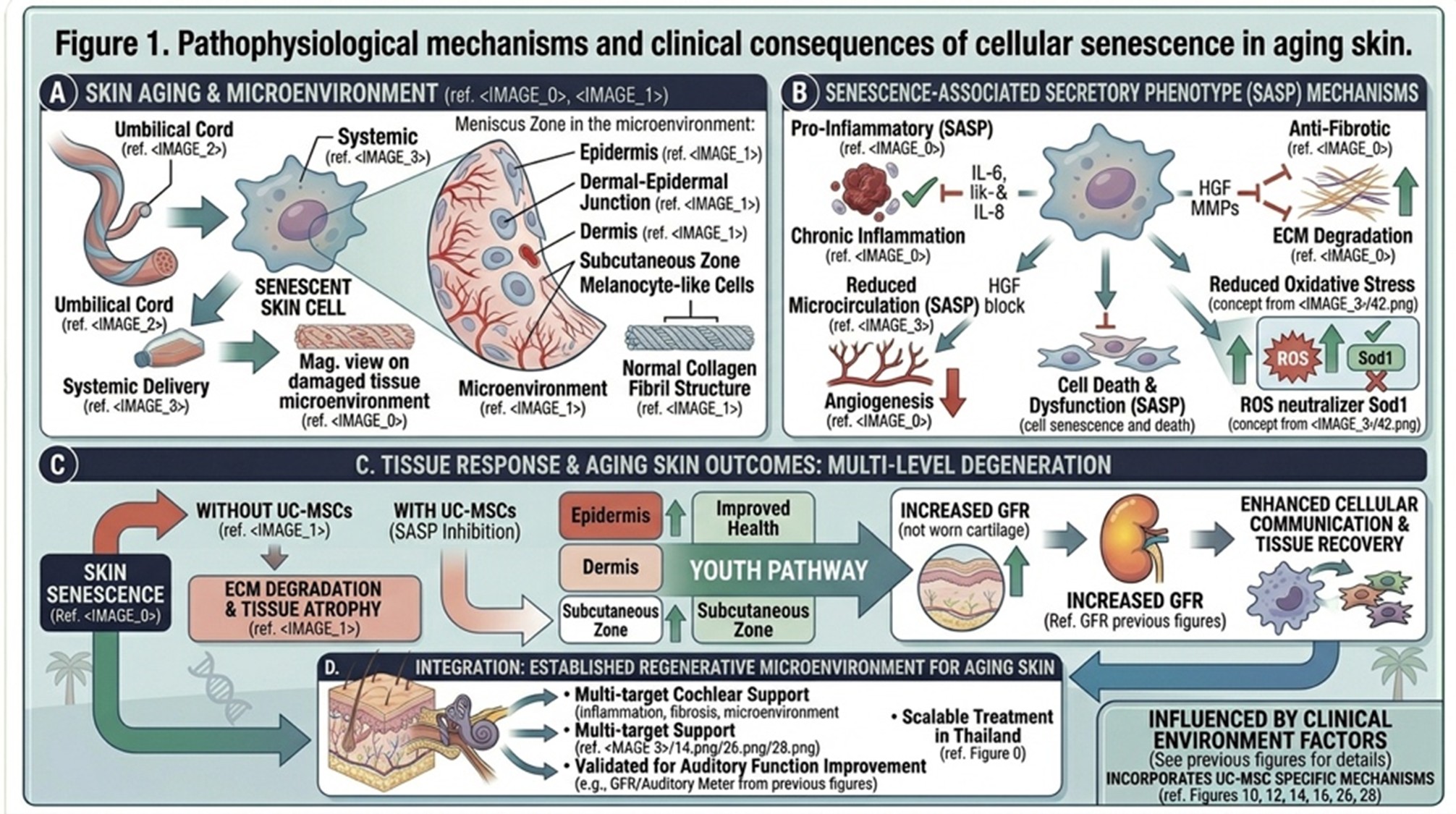
Skin ages and this is a multifactorial biological process involving complex structural and functional rearrangements within the epidermal-dermal units. In particular, the decrease in regenerative activity across the basal epidermal layer is devote of resident progenitor and stem-cell-associated populations that will constantly maintain epidermis renewal during life. These regenerative processes become less effective with age. This process can be further impaired by extrinsic stressors such as UVR, environmental pollutants, oxidative stress, and chronic low-grade inflammation. Collectively, these processes favor cumulative molecular damage, altered cellular signaling pathways, and aspects reminiscent of cellular senescence or functional quiescence.
Clinically these processes can end up as laxity, collagen depletion, loss of elasticity, slower recovery from injury, and less resistance to outer stress. With a decline in structural integrity, skin is also less able to retain optimal hydration and repair capabilities. For this reason, there is increasing interest in therapeutic strategies that aim not only to improve the appearance of tissue but also address the underlying biological processes connected to tissue aging. Systems like Sleeping Beauty and PhytoCellTec Technology claim to interact with molecular pathways relevant to regenerative activity, thus providing a mechanistically oriented approach to skin support.
Conventional Dermatological Interventions and Their Structural Limitations
Various dermatological and aesthetic therapies, including chemical peels, retinoid-based regimens, laser resurfacing and exfoliative interventions are currently employed to treat signs of skin aging. Although these techniques can enhance tone, texture or pigmentation in selective patients, they have their limitations. More intensive procedures can lead to pain, a longer healing time, irritation or in some instances negative reactions in the healing process. Even when they are effective, their effects tend to not last as long and require re-application to achieve visible results.
Topical products have intrinsic biological limitations as well. Most active ingredients have restricted penetration to the stratum corneum and may not effectively reach deeper cellular compartments where regenerative signaling is orchestrated. Thus, visible progress at the surface does not necessarily translate into significant reinstatement of deeper structural function. Such limitations have prompted the examination of novel biologically-targeted systems that seek to augment, rather than supplant mankind’s traditional method of skincare by addressing fundamental mechanisms involved in tissue resilience and renewal.
Emerging Botanical and Regenerative Technologies
The recent aesthetic developments towards regenerative approaches have shed light on interventions, which are meant to help and promote the endogenous repair process instead of just masking the obvious signs of aging. Herein, stem cell-assisted and plant-sourced bioactive platforms have attracted interest since they can modulate local cellular behavior, extracellular signaling and tissue homeostasis. For instance, concern about multipotency and trophic signaling has been a major reason stem-cell-based concepts have so often been written about in relation to supporting repair of surrounding cells and tissue environments by releasing growth factors.
Being described in conjunction with PhytoCellTec Technology, the suggested mechanism includes rare botanical-derived actives designed to maintain cellular vitality and provide support to the skin’s biological environment. These platforms are often described as biomimetic systems aiming to maintain or optimize the function of skin-associated regeneration pathways. The theoretical attractiveness of these approach relates to the ability of maintaining cellular quiescence, regulating activation, and repair-dependent signaling in a control manner that more closely resembles homeostasis within native tissues. From this point of view, Skin Sleeping Beauty and PhytoCellTec Technology are not just cosmetic agents but regenerative-support platforms meant to facilitate dermal-epidermal junction fortification for the long term.
Thailand’s Emerging Role in Regenerative Dermatology
With the growth of its biotechnology industry, its solid healthcare system and long-standing status as a center for wellness and medical tourism, Thailand is becoming increasingly recognized as an important regional hub for regenerative medicine. The country is thus particularly well placed to implement and develop novel dermatology technologies that bridge the gap from scientific innovation to clinical use; this creates an environment ripe for commercialization targets. Thus, with consumer preferences moving away from surgical and toward biologically advanced aesthetic treatments, Thailand may be an invaluable environment for the early adoption stage and evaluation of regenerative skincare platforms including Skin Sleeping Beauty as well as PhytoCellTec Technology.
This convergence of biotechnology, aesthetic medicine, and holistic wellness is particularly well-suited to Thailand’s environment given the high level of interest in cutting-edge therapeutic solutions that are also minimally-invasive. As the nation further develops its investment in bioengineering, regenerative clinics, and translational medical services, it is probable that newer cell-supportive and plant-derived approaches will become more visible in aesthetic dermatology. This, she suggested, could further establish Thailand as a location for cutting-edge regenerative skin care and longevity-focused treatment approaches.