

Burn injuries are among the most severe and complex forms of trauma, often leading to extensive tissue destruction, prolonged healing, and lasting physical and emotional effects. Although conventional treatments are essential for patient survival and stabilization, they may not fully restore the skin’s original structure or function. As a result, regenerative medicine—particularly therapy using umbilical cord–derived mesenchymal stem cells (UC-MSCs)—has emerged as a promising advancement in burn treatment, gaining increasing attention in Thailand and globally.
Advantages of Stem Cells for Burn Injury Recovery
One of the key advantages of stem cells is that they are collected through a non-invasive and ethically accepted process, unlike stem cells derived from bone marrow or fat tissue, which require more invasive procedures. Additionally, stem cells have low immunogenicity, meaning they are less likely to trigger immune rejection when used in therapy. In Thailand, advancements in regenerative medicine have supported the development of stem cell–based treatments for burn injuries, with ongoing research exploring their full therapeutic potential.
Role of Stem Cells in Accelerating Skin Regeneration
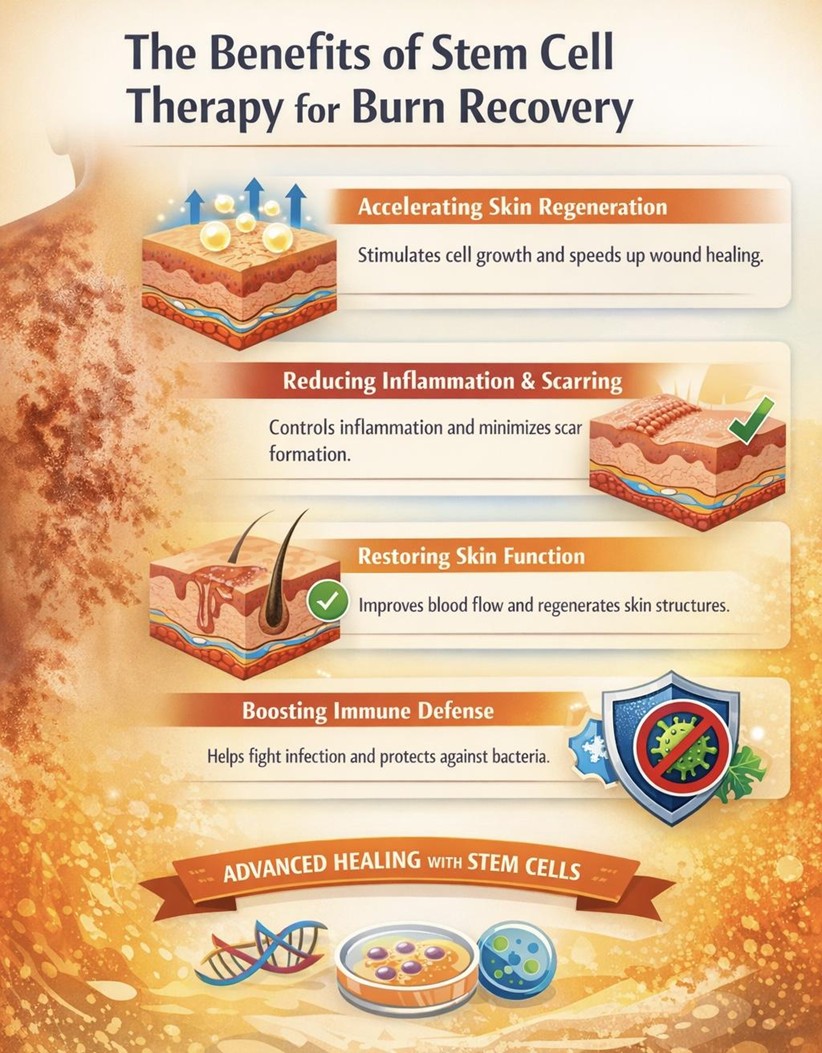
Stem cells support burn healing through several important biological mechanisms. One of the most critical is their ability to accelerate skin regeneration. After a burn injury, rapid repair of damaged tissue is essential to prevent complications and restore function. Stem cells can develop into key skin-related cells such as keratinocytes and fibroblasts, which are responsible for rebuilding the epidermis and dermis. In addition to direct differentiation, stem cells release growth factors and signaling molecules that stimulate surrounding cells to multiply and migrate toward the wound site. This coordinated activity helps speed up wound closure and encourages the formation of stronger, more flexible skin.
Reducing Inflammation and Preventing Scarring
Another significant benefit of stem cell therapy is its ability to regulate inflammation and reduce abnormal scarring. Excessive inflammation following a burn can interfere with proper healing and lead to the formation of hypertrophic scars or keloids. Stem cells help control this response by modulating immune activity and releasing anti-inflammatory substances. They also play a role in balancing collagen production, preventing the excessive buildup that contributes to raised or rigid scars. By supporting a more controlled healing process, stem cell therapy can improve both the appearance and functional quality of healed skin.
Restoring Skin Function and Structure
In addition to improving the cosmetic outcome, stem cells contribute to the restoration of normal skin function. Healthy skin plays a vital role in regulating temperature, maintaining hydration, and protecting the body from environmental threats. Severe burns can impair these functions significantly. Stem cells promote angiogenesis, the formation of new blood vessels, which enhances blood circulation in damaged tissues. Improved blood flow ensures that oxygen and nutrients are delivered effectively, supporting tissue regeneration. There is also evidence suggesting that stem cells may help regenerate skin appendages such as hair follicles and sweat glands, contributing to a more complete and natural recovery.
Supporting Immune Defense and Infection Prevention
Another important aspect of burn care is the prevention of infection. Because burn wounds compromise the skin’s natural barrier, they are highly susceptible to bacterial invasion. Stem cells contribute to immune defense by releasing antimicrobial peptides and modulating immune responses. By shortening the inflammatory phase and promoting faster healing, they can reduce the risk of infection and other complications such as chronic wounds or delayed tissue repair.
Methods of Stem Cell Delivery in Burn Treatment
Various clinical approaches are being developed to deliver stem cells effectively for burn treatment. One common method involves injecting stem cells directly into or around the injured area, allowing them to act locally and release regenerative factors where they are most needed. Another innovative strategy is the use of bioengineered skin substitutes. These involve combining stem cells with biocompatible materials such as collagen scaffolds or hydrogels to create artificial skin constructs. These structures not only protect the wound but also actively promote tissue regeneration.
Clinical Outcomes and Patient Benefits
Clinical observations have shown encouraging results in patients receiving stem cell–based therapies for burn injuries. Many experience faster wound closure, reduced inflammation, fewer complications, and improved skin quality compared to conventional treatments alone. These outcomes highlight the potential of stem cell therapy to significantly improve both short-term recovery and long-term results.
Thailand as a Hub for Regenerative Medicine
Thailand has emerged as a leading destination for regenerative medicine, particularly in the field of stem cell therapy. The country offers advanced medical infrastructure, well-equipped laboratories, and a growing number of specialists trained in cellular therapies. Ethical donation programs provide a reliable source of umbilical cord tissue, supporting both research and clinical applications. In addition, Thailand’s focus on patient-centered care and cost-effective treatment options has made it an attractive location for individuals seeking innovative medical solutions.
Conclusion: Advancing Burn Treatment with Stem Cell Therapy
In conclusion, umbilical cord–derived mesenchymal stem cell therapy represents a major advancement in the treatment of burn injuries. By combining regenerative, anti-inflammatory, and immune-supporting properties, this approach goes beyond traditional methods to promote true healing and tissue restoration. Rather than simply closing wounds, stem cell therapy aims to rebuild healthy, functional skin and reduce long-term complications such as scarring and loss of mobility.
Future Outlook of Stem Cell Therapy in Burn Care
As research continues and clinical techniques become more refined, the role of stem cell therapy in burn care is expected to expand further. In Thailand, ongoing innovation and medical expertise are helping to shape the future of regenerative treatment. With its ability to enhance recovery, improve outcomes, and restore quality of life, stem cell therapy holds significant promise as a cornerstone of modern burn management.